

B1517 on 2012-2014 Chevrolet Express: Low Voltage Fixes & BCM Guide
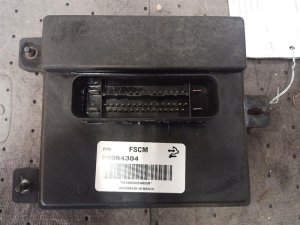
On a 2012-2014 Chevy Express, code B1517 with a 'Service Charging System' message is almost always caused by outdated Body Control Module (BCM) software. The fix is a dealer-performed software update, which typically costs between $150 and $250. Before getting the update, it's wise to test the battery and alternator to rule out a simple hardware failure.
- Code B1517 on a 2012-2014 Express is most often a software glitch in the Body Control Module, not a failed part.
- The primary symptom is a 'Service Charging System' message that appears for a few minutes after a cold start and then goes away.
- Before paying for a dealer software update (the most likely fix), always perform a free battery and alternator test and inspect battery cable connections to rule out basic hardware issues.
- Do not replace the BCM; it only needs to be reprogrammed. Replacing it can cause further complications with other vehicle systems like the airbag (SDM) module.
What's Unique About the 2012-2014 Chevrolet EXPRESS

For this generation of Chevrolet Express and its platform-mate the GMC Savana, particularly those with the 6.6L diesel engine, the BCM software is known to be overly sensitive. During a cold start, high-current components like glow plugs (drawing up to 110 amps) and the intake air heater (drawing up to 130 amps) can demand more power than the alternator produces at idle, causing a temporary voltage dip. While this is considered normal operation, the original BCM calibration often misinterprets this dip as a charging system fault, triggering the B1517 code. GM released a technical service bulletin (PIT5289B) specifically to address this with a software update.
Diagnostic Flowchart
Tap your situation to follow the diagnostic path that matches what you're seeing on this vehicle.
Symptoms You May Notice

- "Service Charging System" message on the Driver Information Center (DIC).
- Low voltage reading on the dashboard gauge, especially right after a cold start.
- The red battery/charge indicator light may illuminate on the instrument panel.
- Symptom is temporary and often disappears after a few minutes of driving.
- Replacing the Body Control Module (BCM). The BCM itself is rarely the problem; it just needs a software update. Replacing the hardware is an unnecessary expense and may not even solve the issue 🎬 Watch this if you must replace and relearn a BCM. if the new module isn't programmed with the latest software.
- Replacing the alternator. While a failing alternator can cause low voltage, the specific symptom of the voltage drop occurring only for a few minutes after a cold start strongly points to the BCM software issue described in the TSB.
Most Likely Causes

- Outdated Body Control Module (BCM) Software 🔴 High Probability The factory software calibration is overly sensitive to normal voltage drops that occur during cold starts, especially on diesel models which have a high initial current draw from glow plugs and intake heaters.
How to confirm: A GM dealer can check the current BCM calibration number against the latest version available. If the symptoms match TSB #PIT5289B (message appears only on cold start and then clears), the software is the likely cause.
Typical fix: Reprogram the BCM with the updated calibration provided by GM. This is a software-only fix that requires a dealer or specialist with GM's Techline Customer Support Center access.
Est. part cost: $0 - Weak or Failing Battery 🟡 Medium Probability
How to confirm: Perform a battery load test. Most auto parts stores offer this service for free. A healthy battery should hold a charge above 12.4 volts and pass a load test. A voltage drop test can also be performed.
Typical fix: Replace the battery. The Express van commonly uses a Group 48 or Group 78 battery.
Est. part cost: $150-$350 - Failing Alternator ⚪ Low Probability
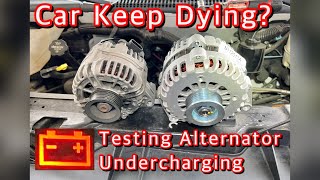
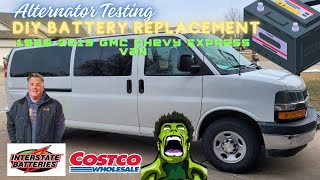
How to confirm: With the engine running, test the voltage at the battery terminals. A healthy alternator should produce between 13.7 and 14.7 volts. A reading below this range, or a failure during a bench test at an auto parts store, indicates a charging problem. 🎬 See how to test your battery and replace the alternator.
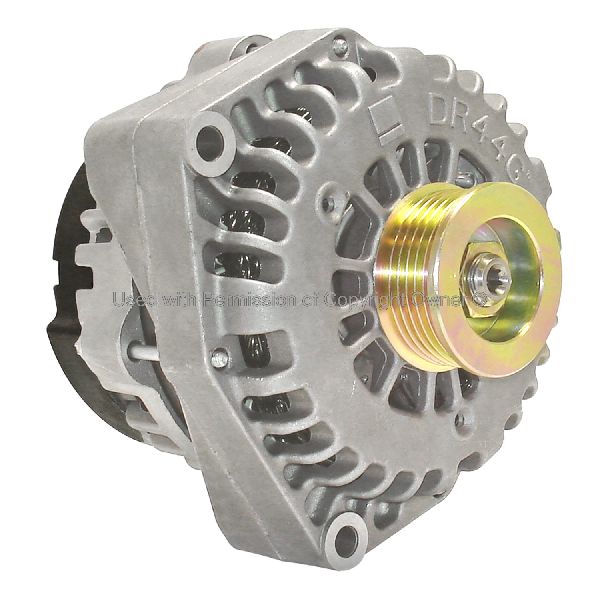
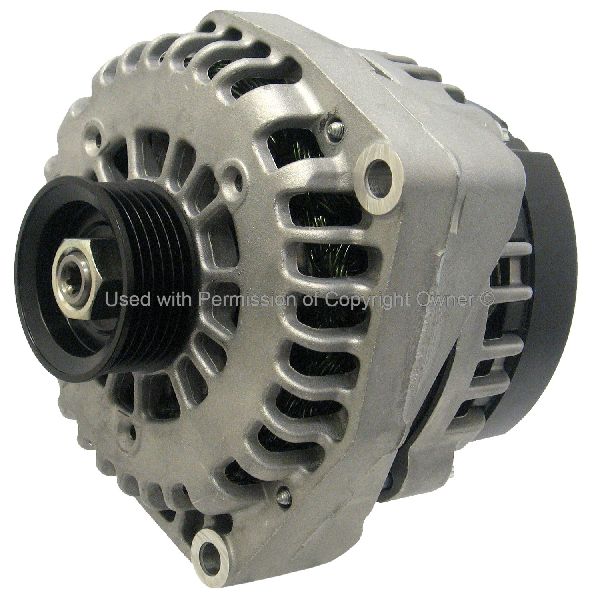
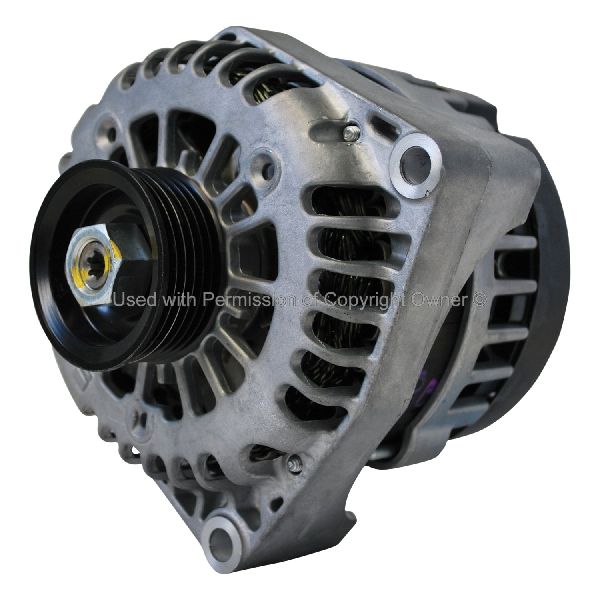
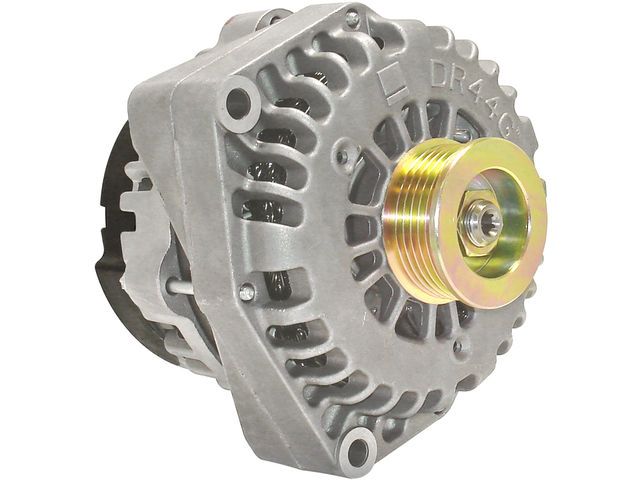
Typical fix: Replace the alternator. A common replacement for the 6.6L Diesel is a 145 Amp unit.
Est. part cost: $200-$450
Rare But Worth Checking
- Loose or Corroded Battery Cable Connection: A separate GM bulletin (PIC6439) notes that a small black wire on the negative battery terminal can become loose, damaged, or rotated during a battery replacement, causing a B1517 code, sometimes with symptom byte 5A (Plausibility Failure). This wire is for the battery current sensor. Always check the battery terminals and main ground connections for tightness and corrosion.
Diagnosis Steps

- Check for symptoms: Note if the 'Service Charging System' message appears only for the first few minutes after a cold start and then disappears. This is a key indicator of the software issue.
- Test the Battery: Have the battery's health checked with a load tester to rule it out as the cause. Many auto parts stores do this for free.
- Test the Alternator: With the engine running, use a multimeter to verify the alternator is producing a charging voltage between 13.7 and 14.7 volts.
- Inspect Connections: Check that the battery terminals are clean, tight, and free of corrosion. Specifically inspect the small black wire on the negative battery terminal for looseness or damage, as noted in bulletin PIC6439.
- Consult a Dealer for BCM Update: If the battery, alternator, and connections are good, the final step is to have a GM dealer or qualified shop check for and apply the BCM software update as per TSB #PIT5289B.
Parts You'll Likely Need
- BCM Software Update — This is the official GM-recommended fix for the most common cause of this code on this specific vehicle.
Trusted brands: ACDelco
OEM price range: $150-$250 - Alternator (if faulty)
(OEM #ACDelco 334-2742A (Remanufactured, 145A))— If the alternator fails its diagnostic tests, it must be replaced to restore proper charging system function.
Trusted brands: ACDelco, Carquest, Bosch
OEM price range: $220-$300
Aftermarket price range: $150-$250
Related Codes That Often Appear With This One
- B1517 with symptom byte 03: 'Battery Voltage Below Threshold'. This is the specific variant addressed by TSB PIT5289B.
- B1517 with symptom byte 5A: 'Battery Voltage Plausibility Failure'. This can point towards a wiring issue, like the loose negative terminal wire mentioned in PIC6439.
- B1517 with symptom byte 07: 'Battery Voltage Above Threshold'. This indicates an over-voltage condition (greater than 16 volts for 15 seconds) and points to a faulty alternator or voltage regulator.
Technical Service Bulletins (TSBs) & Recalls
- PIT5289B: Recommends a BCM calibration update to correct a low voltage reading or 'Service Charging System' message after a cold start.
- PIT4813F: Notes that a temporary low voltage reading on 6.6L diesel models after a cold start is a normal characteristic due to high current draw from the glow plugs and intake heater.
- PIC6439: Diagnostic tip for B1517 (often with symptom 5A) caused by a small, loose black wire on the negative battery terminal, typically after a battery replacement.
Platform-Specific Known Issues
- A known software issue in the BCM causes it to be too sensitive to voltage drops during cold starts, falsely triggering code B1517. This is documented in TSB #PIT5289B.
- On models with the 6.6L Duramax diesel engine, the large current draw from the intake air heater (up to 130 amps) and glow plugs (up to 110 amps) during a cold start can cause a temporary voltage drop and 'Service Charging System' message, which GM considers normal operation per TSB PIT4813F. However, TSB PIT5289B provides a software update to reduce the sensitivity and prevent the message from appearing.
Mechanic-Grade Diagnostic Values
- DTC B1517 03 Set Condition — expected: System voltage < 11V with engine speed > 1,100 RPM for 15 seconds.. Failure: These conditions being met will set the trouble code.
- DTC B1517 5A Set Condition — expected: Voltage difference between the two BCM battery sense circuits is > 2V for 10 seconds.. Failure: These conditions being met will set the trouble code.
- BCM Ground Circuit Resistance — expected: Less than 1.0 ohm between BCM ground terminals (e.g., X3 pin 1, X3 pin 5, X4 pin 9) and chassis ground.. Failure: Resistance greater than 1.0 ohm indicates a poor ground connection.
- Scan Tool vs. Multimeter Voltage — expected: Scan tool 'BCM battery positive voltage' parameter should be within 2 volts of the voltage measured directly at the battery terminals.. Failure: A difference greater than 2 volts suggests a wiring or BCM sensing circuit issue.
- Diesel Engine Cold Start Current Draw — expected: Intake air heater: up to 130 amps. Glow plugs: up to 110 amps.. Failure: This is normal operation, but the combined draw can exceed the alternator's output at idle (approx. 125 amps) and cause a temporary voltage drop.
Hidden / Shadow Codes Worth Checking
- B1517 sym 03: Battery Voltage Below Threshold. This is the most common variant for this vehicle, addressed by the BCM software update. (see via Standard on most professional scan tools that can read Body Control Module codes.)
- B1517 sym 07: Battery Voltage Above Threshold. Indicates system voltage was > 16V for 15 seconds, pointing to an overcharging condition likely caused by a faulty alternator/regulator. (see via Standard on most professional scan tools that can read Body Control Module codes.)
- B1517 sym 5A: Battery Voltage Plausibility Failure. Indicates the BCM's two internal voltage sense circuits disagree by more than 2V. Often linked to wiring issues like the loose battery current sensor wire (per TSB PIC6439). (see via Standard on most professional scan tools that can read Body Control Module codes.)
Scan Tool Commands That Help
- GM SPS (Service Programming System): Body Control Module Reprogramming with SPS — This is the primary fix for B1517 sym 03 on these vehicles. A technician uses SPS after contacting the Techline Customer Support Center (TCSC) to get a Vehicle Configuration Index (VCI) number to apply the updated calibration.
- GDS2 / Tech2: Observe 'BCM Battery Positive Voltage' Parameter — Used during diagnosis to verify if the voltage seen by the BCM matches the actual battery voltage. A significant discrepancy points to a wiring or BCM fault rather than a charging system fault.
- GDS2 / Tech2: SDM Setup — This function is required *after* a BCM has been physically replaced. The new BCM will not be paired with the Sensing and Diagnostic Module (airbag controller), setting a B1001 code and illuminating the airbag light. This setup procedure re-establishes communication.
Wiring & Ground Locations

- BCM — Behind the lower right side of the dashboard.. This is the module that sets the code and requires the software update.
- G218 — A primary BCM ground point, typically located under the driver's side dash near the kick panel.. A poor connection here can cause numerous electrical issues, including B1517. A common issue on related GM platforms is the dash insulator mat getting trapped under the ground terminal, causing high resistance.
- Battery Current Sensor Wire — A small black wire attached to the main negative battery terminal connector.. This wire is for the battery current sensor. If it becomes loose, damaged, or rotated during battery service, it can cause B1517, often with symptom 5A (Plausibility Failure), as noted in TSB PIC6439.
- BCM Connector X3 / X4 — Connectors at the Body Control Module.. Specific pins are used for diagnosis. Ground circuits are at X3-pin 1, X3-pin 5, and X4-pin 9. Battery Positive (B+) circuits are at X3-pin 3 and X4-pin 10. These can be tested for resistance and voltage drop.
Real Owner Repair Stories
- chevytalk.org forum user (2015 Chevrolet Express Cutaway) — Airbag light on after swapping BCM.
❌ Tried (didn't work) Swapping the BCM to fix an unrelated issue.
✅ What actually fixed it The story serves as a cautionary tale. The user discovered that the Sensing and Diagnostic Module (SDM) and BCM are paired. Swapping in a used BCM caused a conflict code and an airbag light that could not be easily cleared, reinforcing the advice to reprogram the original BCM rather than replacing it.
"I Checked Everything" — The Actual Cause
- On related GM trucks, a nearly identical set of electrical symptoms (including various DTCs and blank modules) was traced to a poor BCM ground at G218. The connection nut was tight, but the dash insulator mat was pinched between the ground eyelet and the body, preventing a solid connection. The fix was to cut away the interfering insulation and retighten the ground nut.
OEM Part Supersession History
PIT5289→PIT5289A, then PIT5289B— Updates to the recommendation/instructions and warranty information for the BCM calibration fix.
Model Year Variations Within This Range
- 2012-2014 with 6.6L Diesel: TSB PIT5289B is specifically for the 2012-2014 diesel models, indicating this is the most common configuration for this specific software-related complaint, even though earlier TSBs covered a wider range of years.
Helpful Videos
Used OEM Parts in Stock




New Aftermarket Parts Available


The information in this article is provided for general reference and educational purposes only. Vehicle specifications, procedures, and part compatibility can vary by production date, trim level, and region. Always consult your vehicle's factory service manual and verify part numbers before purchasing or performing repairs. Safety-critical components such as airbags, seat belts, and braking systems should be installed by a qualified professional.
- Chevrolet EXPRESS:
- 🎬 Helpful Videos
- 🛍️ Shop This Part
- What's Unique About the 2012-2014 Chevrolet EXPRESS
- Diagnostic Flowchart
- Symptoms You May Notice
- Most Likely Causes
- Rare But Worth Checking
- Diagnosis Steps
- Parts You'll Likely Need
- Related Codes That Often Appear With This One
- Technical Service Bulletins (TSBs) & Recalls
- Platform-Specific Known Issues
- Mechanic-Grade Diagnostic Values
- Hidden / Shadow Codes Worth Checking
- Scan Tool Commands That Help
- Wiring & Ground Locations
- Real Owner Repair Stories
- "I Checked Everything" — The Actual Cause
- OEM Part Supersession History
- Model Year Variations Within This Range
- 🎟️ Get 5% Off