

B1517 on 2007-2011 Chevrolet Express: Causes for Low Battery Voltage Code
This code, especially after a cold start, is most likely caused by outdated Body Control Module (BCM) software. The official fix from Chevrolet is a software update performed by a dealer, as noted in TSB #PIT5289. Before seeking a software update, it's wise to test the battery and charging system to rule out a simple hardware failure, as a weak battery can also trigger this sensitive code.
- Code B1517 on a 2007-2011 Express is most often a software glitch, not a failed part.
- GM issued a Technical Service Bulletin (PIT5289) recommending a BCM software update as the primary fix.
- Before paying for a software update, always perform a basic battery and alternator test to rule out simple hardware issues.
- Do not replace the BCM; it almost certainly only needs to be reprogrammed.
- Symptoms like a 'Service Charging System' message or a low volt gauge reading right after a cold start strongly point to this specific software issue, especially on diesel models where it is considered normal operation.
What's Unique About the 2007-2011 Chevrolet EXPRESS

On this generation of Chevrolet Express vans (and their platform mates), the BCM's factory software calibration is overly sensitive to normal voltage drops that occur during cold starts. This was so common that General Motors issued Technical Service Bulletin (TSB) #PIT5289. This bulletin acknowledges the issue and advises technicians that the proper fix is to reprogram the BCM with updated software, not to replace hardware components. For diesel models specifically, TSB #PIT4813F notes that the combined load of the intake air heater (up to 130 amps) and glow plugs (up to 110 amps) can exceed the generator's output at idle, making this voltage drop a normal characteristic.
Diagnostic Flowchart

Tap your situation to follow the diagnostic path that matches what you're seeing on this vehicle.
Symptoms You May Notice

- "Service Charging System" message on the Driver Information Center (DIC).
- Low voltage reading on the dashboard volt gauge, especially right after a cold start, often dipping below 12V before recovering.
- The red battery/charge indicator light may illuminate on the instrument panel.
- In some cases, seemingly unrelated electrical issues may occur if the BCM is acting erratically due to the voltage fault.
- Replacing the Body Control Module (BCM). The TSB specifically calls for reprogramming the existing module, not replacing it. A replacement BCM would still need to be programmed with the updated software.
- Replacing the battery or alternator without proper testing, when the root cause is the sensitive BCM software.
- For diesel models, attempting to "fix" the normal voltage drop during cold start warm-up. TSB #PIT4813F explicitly states this is a normal characteristic and no repairs should be made if it only occurs then.
Most Likely Causes

- Outdated Body Control Module (BCM) Software 🔴 High Probability The factory software calibration is known to be too sensitive to voltage drops, as documented in GM TSB #PIT5289. This TSB was later superseded by PIT5289A and PIT5289B for specific model years and engines, but the core issue and fix remain the same.
How to confirm: If a comprehensive battery and charging system test shows no faults, the cause is almost certainly the BCM software. A GM dealer can use a Tech 2 or GDS2 scan tool to check the current calibration version in the BCM and verify if the update from TSB #PIT5289 has been performed.
Typical fix: Reprogram the BCM with the latest calibration available from GM. This is a software-only fix that takes about one hour of labor at a dealership.
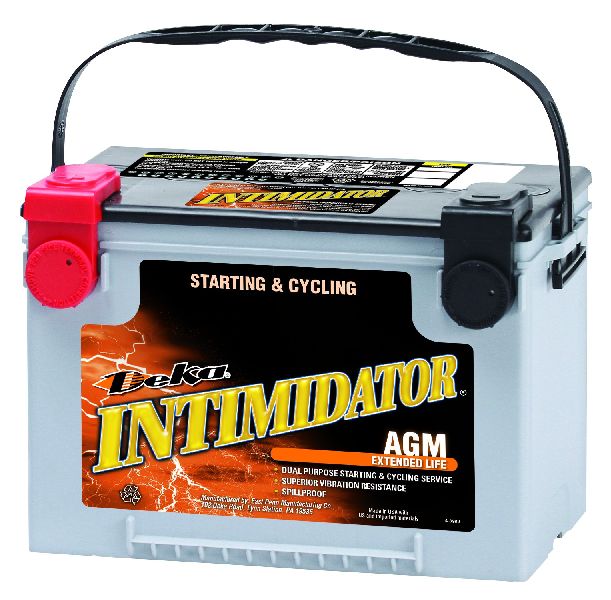
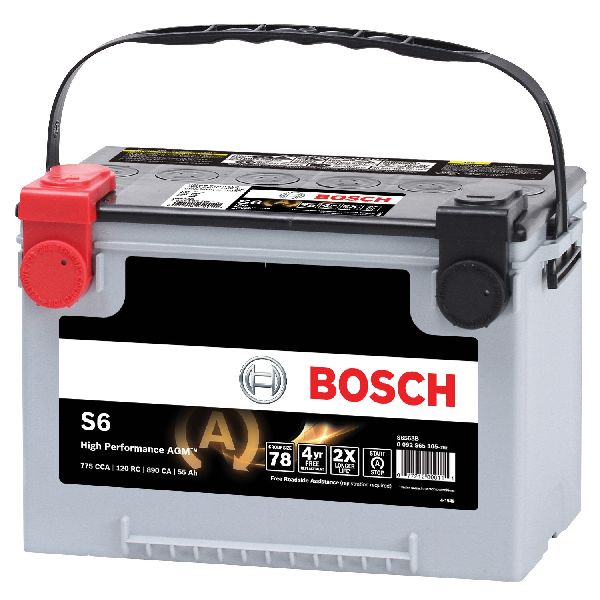
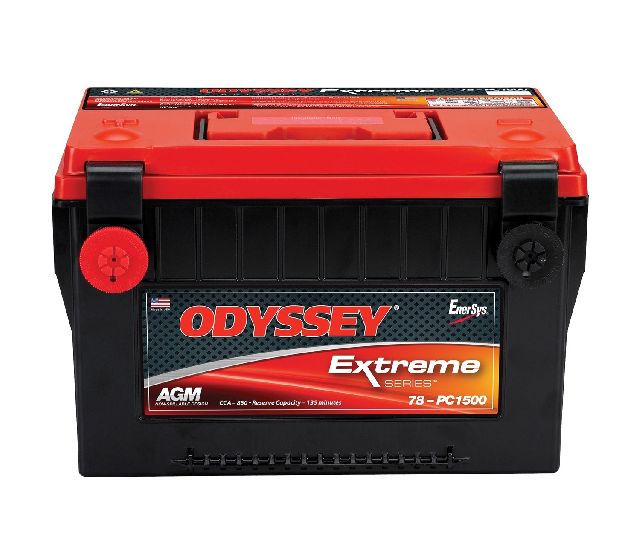
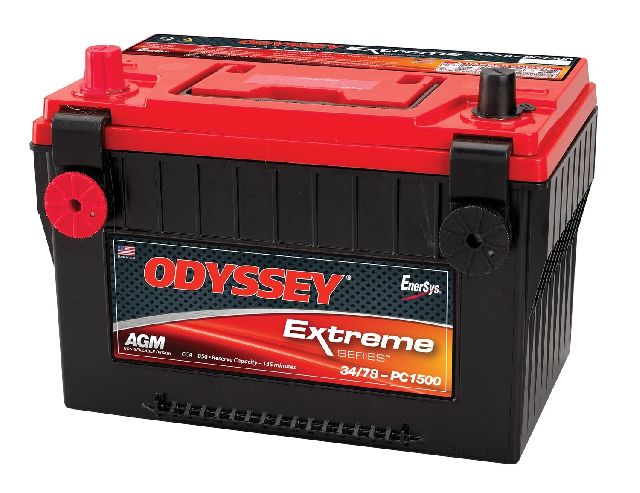
Est. part cost: $0 - Weak or Aging Battery 🟡 Medium Probability A battery nearing the end of its service life will have a more pronounced voltage drop during engine cranking and high-load situations (like glow plug operation), which can be enough to trigger the sensitive BCM software. These vans often use Group 78 batteries.
How to confirm: Perform a load test on the battery using a digital battery analyzer. The test should check the battery's state of health (SOH) and cold cranking amps (CCA) against its rating. A simple voltage check is insufficient.
Typical fix: Replace the battery. Ensure the terminals are thoroughly cleaned and a battery maintainer is used if the vehicle sits for long periods.
Est. part cost: $150-$300 - Failing Alternator ⚪ Low Probability High electrical demands on work vans can stress the alternator over its life. On diesel models, the combined load of the intake air heater and glow plugs can exceed 240 amps, which is more than the stock alternator can produce at idle, leading to a temporary voltage drop that is considered normal but can still trigger the code.
How to confirm: With the engine running, measure the voltage at the battery terminals. A healthy alternator should produce a voltage between 13.7 and 14.7 volts. A reading below this range indicates a charging problem. Many auto parts stores will test alternators for free.
Typical fix: Replace the alternator.
Est. part cost: $200-$450 - Poor Electrical Connections ⚪ Low Probability Vibrations and exposure to the elements can lead to loose or corroded battery terminals, ground straps, or starter connections over time. TSB #PIC6439 specifically calls out a small black wire on the negative battery terminal that can become loose or damaged during battery replacement, causing a B1517 code.
How to confirm: Visually inspect all main power and ground connections 🎬 Watch: How a bad ground can cause engine stalling. for corrosion (green or white crust) and ensure they are tight. Perform a voltage drop test across the connections to find high resistance. A drop of more than 0.2V on the positive side or 0.1V on the ground side under load indicates a problem.
Typical fix: Clean the terminals and cable ends with a wire brush and ensure all connections are secure. Pay special attention to the negative battery terminal connections as noted in TSB #PIC6439.
Est. part cost: $5-$100
Diagnosis Steps
- Check for applicable Technical Service Bulletins (TSBs). TSB #PIT5289 and its variants are highly relevant for this specific issue.
- Scan the vehicle for all DTCs and note the symptom byte for B1517 (e.g., '03' for 'Battery Voltage Below Threshold').
- Perform a complete battery health test using a digital conductance analyzer to check its state of health (SOH) and cold cranking amps (CCA).
- With the engine running, use a multimeter to test the alternator's output voltage at the battery terminals. It should be approximately 13.7-14.7 volts.
- Inspect the battery terminals, especially the negative terminal for a small, loose black wire as described in TSB #PIC6439. Check main power cables and chassis ground straps for any signs of corrosion, damage, or looseness.
- Perform a voltage drop test on the main positive and negative battery cables while cranking the engine. A reading over 0.2V on the positive or 0.1V on the negative side indicates excessive resistance.
- If all hardware tests pass, the issue is the BCM software. Contact a GM dealership or qualified repair shop to perform the BCM re-calibration as described in TSB #PIT5289. The labor operation code for this under warranty is 2810215.
Parts You'll Likely Need
- Vehicle Battery
(OEM #ACDelco 48AGM (or similar Group 78))— If the BCM software isn't the sole cause, a weak or failing battery is the next most likely culprit, as its reduced capacity can cause the voltage to dip below the BCM's threshold during a cold start. The Express van commonly uses a Group 78 or Group 48 battery.
Trusted brands: ACDelco, Deka, Interstate, Optima
OEM price range: $200-$350
Aftermarket price range: $150-$300
Technical Service Bulletins (TSBs) & Recalls
- PIT5289 / PIT5289A / PIT5289B: Addresses a "Service Charging System" message and DTC B1517 sym 03 after a cold start. Recommends updating the Body Control Module (BCM) calibration as the fix.
- PIC6439: Provides a diagnostic tip for B1517, highlighting that a loose or damaged small wire on the negative battery terminal is a common cause, especially after a battery replacement.
- PIT4813F: Explains that on 6.6L diesel models, the "Service Charging System" message and low voltage after a cold start is normal due to high current draw from heaters and should not be repaired if it's the only symptom.
Platform-Specific Known Issues
- A known issue, documented in TSB #PIT5289, involves the Body Control Module's software being too sensitive to voltage drops during cold starts, which falsely triggers the B1517 code. The official remedy is a software update.
- On models with the 6.6L Duramax diesel engine, the combined current draw of the intake air heater and glow plugs during a cold start can exceed the alternator's output at idle, causing a temporary "Service Charging System" message. GM considers this normal operation per TSB PIT4813F.
Mechanic-Grade Diagnostic Values
- BCM Voltage Plausibility Check — expected: Scan tool BCM voltage parameter should not differ from multimeter voltage at battery terminals by more than 2.0V.. Failure: A difference greater than 2.0V suggests high resistance in the BCM's power or ground circuits.
- DTC B1517 sym 03 Set Condition — expected: System voltage must remain above 11.0V.. Failure: The BCM detects battery voltage below 11.0V for 15 seconds while engine speed is above 1,100 RPM.
- DTC B1517 sym 07 Set Condition — expected: System voltage must remain below 16.0V.. Failure: The BCM detects battery voltage above 16.0V for 15 seconds while engine speed is above 1,100 RPM.
- BCM Ground Circuit Resistance — expected: Less than 1.0 ohm.. Failure: A reading higher than 1.0 ohm between the BCM harness ground pins and a clean chassis ground indicates a poor ground connection.
Hidden / Shadow Codes Worth Checking
- B1517 sym 03: Battery Voltage Below Threshold. This is the most common symptom associated with the sensitive BCM software issue described in TSB PIT5289. (see via A professional scan tool like the GM Tech 2 or GDS2 is required to view symptom bytes.)
- B1517 sym 07: Battery Voltage Above Threshold. This typically indicates an overcharging condition from the alternator/voltage regulator. (see via A professional scan tool like the GM Tech 2 or GDS2 is required to view symptom bytes.)
- B1517 sym 5A: Battery Voltage Plausibility Failure. This sets when two separate battery sense circuits within the BCM read a voltage difference of more than 2 volts for 10 seconds. It often points to a wiring or connection issue, such as the loose wire on the negative terminal mentioned in TSB PIC6439. (see via A professional scan tool like the GM Tech 2 or GDS2 is required to view symptom bytes.)
Scan Tool Commands That Help
- GM GDS2/Tech 2 with TIS2Web/Techline Connect: Service Programming System (SPS) — This is the primary function used to perform the BCM software update as prescribed by TSB #PIT5289. It downloads the latest calibration file from GM's servers and flashes it onto the vehicle's BCM. This is a programming function, not a simple reset.
- GM GDS2/Tech 2: Module Setup > Body Control Module > Setup SDM Primary Key in BCM — This procedure is required after replacing and programming a new BCM to ensure it communicates correctly with the vehicle's restraint system (Sensing and Diagnostic Module).
Wiring & Ground Locations
- G103 / G102 — On the rear of the engine block (G103 on right, G102 on left for non-diesel). On diesel models, these grounds are on the lower front side of the engine block.. These are primary engine-to-chassis grounds. High resistance here can cause voltage discrepancies between the alternator, engine block, and the rest of the vehicle, contributing to voltage-related codes.
- G201 — Inside the cabin, in the upper left corner of the instrument panel, near the A-pillar.. This is a major instrument panel ground that serves the BCM, Instrument Panel Cluster (IPC), and Data Link Connector (DLC). A poor connection at G201 can directly cause erratic BCM behavior and false voltage readings.
- Underhood Mega Fuse Block — Typically located near the battery, this block houses the main high-amperage fuses (e.g., 175A) that protect major vehicle circuits.. Corrosion on the studs of this fuse block, or an internally fractured (but not visibly blown) mega fuse, can create a significant voltage drop under high load, triggering B1517 even when the battery and alternator are good.
- BCM Connectors (X3, X4) — The BCM is located under the driver's side of the dashboard. Its connectors are often color-coded.. Specific pins on these connectors are used for BCM power and ground. For example, on some models, X3 terminal 3 and X4 terminal 10 are B+ circuits, while X4 terminal 9 is a ground. Testing at these pins is essential for confirming the BCM is receiving correct voltage and has a solid ground.
Real Owner Repair Stories
- Reddit user in r/MechanicAdvice (2009 Chevrolet Express 3500) — No start, most electrical systems dead (radio, AC, power accessories). Only CEL and passenger airbag light on dash. Battery voltage was good at 12.5V.
❌ Tried (didn't work) Initial voltage check across the mega fuse was misleadingly normal.
✅ What actually fixed it The main underhood mega fuse was internally faulty despite appearing intact and sometimes showing correct voltage. Replacing the mega fuse restored all electrical functions. - YouTube video by 'Venture4wd' (2013 Chevrolet Express Van) — Engine randomly stalling, 'Service Stabilitrak' and security lights illuminating. Problem became progressively worse.
❌ Tried (didn't work) Diagnosing the Stabilitrak or ABS systems based on the warning lights.
✅ What actually fixed it The issue was an electrical short, not a bad ground. A wire for an aftermarket booster fuel pump had chafed against the frame, causing a short to ground that disrupted the vehicle's electrical system and caused the ECM/BCM to fault. Insulating the damaged wire resolved all symptoms.
Model Year Variations Within This Range
- 2007-2014: The primary TSB for this issue, PIT5289, was superseded by PIT5289A and later PIT5289B. While the core fix (BCM reprogram) remained the same, the later bulletins expanded the range of affected model years and provided updated warranty information, indicating GM's ongoing refinement of the software calibration.
Helpful Videos

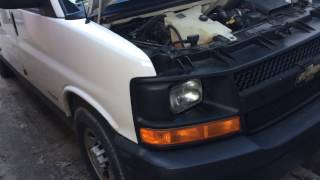
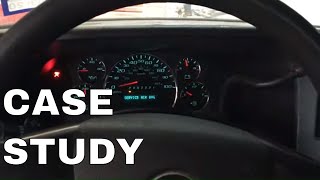
We Have This Part in Stock
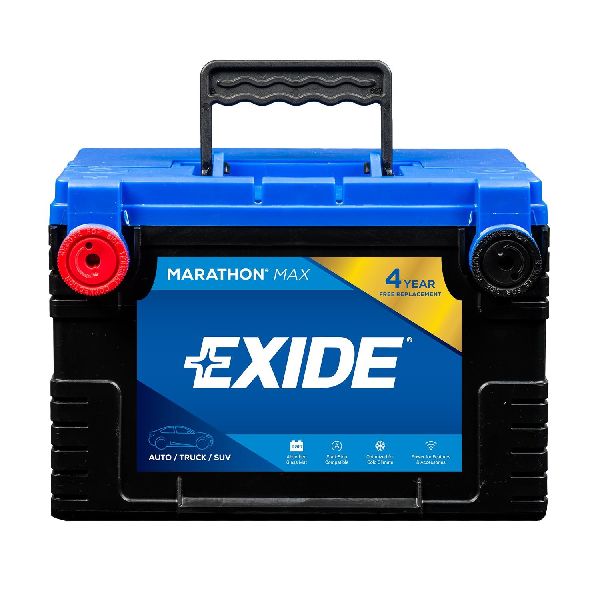
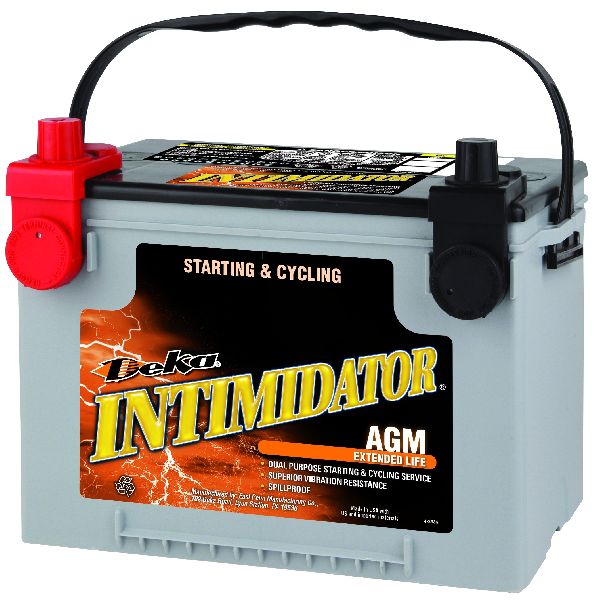

The information in this article is provided for general reference and educational purposes only. Vehicle specifications, procedures, and part compatibility can vary by production date, trim level, and region. Always consult your vehicle's factory service manual and verify part numbers before purchasing or performing repairs. Safety-critical components such as airbags, seat belts, and braking systems should be installed by a qualified professional.
- Chevrolet EXPRESS:
- 🎬 Helpful Videos
- 🛍️ Shop This Part
- What's Unique About the 2007-2011 Chevrolet EXPRESS
- Diagnostic Flowchart
- Symptoms You May Notice
- Most Likely Causes
- Diagnosis Steps
- Parts You'll Likely Need
- Technical Service Bulletins (TSBs) & Recalls
- Platform-Specific Known Issues
- Mechanic-Grade Diagnostic Values
- Hidden / Shadow Codes Worth Checking
- Scan Tool Commands That Help
- Wiring & Ground Locations
- Real Owner Repair Stories
- Model Year Variations Within This Range
- 🎟️ Get 5% Off