

OBD-II Code B1513: A Manufacturer-Specific Body Control Module Fault
The Ultimate Guide to B1513: What it means for GM, Ford, Hyundai, Kia, Suzuki, and Mazda, and How to Fix It
- Verify your specific manufacturer's definition for code B1513 before buying parts, as it means an ignition failure on a Chevy but an airbag fault on a Hyundai.
- For 2007-2014 GM vehicles, test the ignition switch by wiggling the key while the engine runs; a stall confirms a faulty switch requiring immediate replacement.
- Call a dealership with your VIN if you own a Hyundai or Kia with this code, as over 90% of these passenger seat belt buckle failures are covered by free warranty extensions.
- Inspect the wiring harness under the driver's seat on Ford F-150s for pinched or burnt wires before replacing the $80 seat position sensor.
- Listen for a repetitive clicking noise behind the glovebox on 2005-2013 Suzuki models to confirm a failed HVAC blend door actuator.
What Does B1513 Mean?

B1513 is a manufacturer-specific Body Diagnostic Trouble Code (DTC) with different definitions depending on your vehicle's make. It universally indicates the Body Control Module (BCM) or Supplemental Restraint System Control Module (SRSCM) detects a fault in an input circuit. The module is receiving an incorrect, open, or shorted signal from a specific sensor, switch, or component.
Technical definition: There is no single SAE/ISO definition for B1513. Its meaning is assigned by the vehicle manufacturer. The most common definitions are: * **General Motors (Chevrolet, GMC, Cadillac):** Ignition Switch Circuit 2 Failure (Crank/Run) or Charging System/Instrument Panel Cluster Voltage Low. * **Ford, Lincoln, Mercury:** Driver Seat Position Sensor Circuit Failure. * **Hyundai, Kia:** Passenger Seat Belt Buckle Switch Circuit Open or Short to Battery. * **Suzuki:** Temperature Control Actuator (Blend Door) Circuit Malfunction or Electronic Control Unit Internal Malfunction. * **Kia (Alternate Definition):** Left Front Wheel Speed Sensor Range or Performance. * **Mazda:** Door-electrical supply unit (passenger's side) detects an open circuit or short to ground in the backup power supply circuit.
Can I Drive With B1513?
Yes, But With Caution. Driving is possible, but safety depends heavily on your vehicle's make. For GM vehicles, the engine often stalls while driving, risking a collision. For Hyundai and Kia, the passenger airbag is disabled and will not deploy in an accident. For Ford, Suzuki, and Mazda, the risk is low as the fault affects non-essential body electronics like memory seats or climate control. Prompt diagnosis is strongly recommended for all makes.
Common Causes

- Failing Ignition Switch (GM) (Very Common) — On many GM trucks and SUVs, the internal contacts of the ignition switch wear out, causing intermittent voltage drops or complete power loss to the BCM and other modules, triggering a low voltage fault.
- Faulty Passenger Seat Belt Buckle (Hyundai/Kia) (Very Common) — The internal switch within the passenger seat belt buckle fails, preventing it from sending the correct buckled or unbuckled status to the Supplemental Restraint System Control Module (SRSCM).
- Damaged Wiring Under Seat (Ford, Hyundai/Kia) (Common) — Wires for the seat position sensor (Ford) or seat belt buckle (Hyundai/Kia) are frequently stretched, pinched, or severed by the seat's movement or by objects stored underneath.
- Faulty HVAC Blend Door Actuator (Suzuki) (Common) — On Suzuki vehicles, the small electric motor controlling the temperature blend door fails or its internal gears strip, causing clicking noises and preventing cabin temperature regulation.
- Poor Ground Connection (Less Common) — A corroded, loose, or broken ground strap for the BCM, SRSCM, or the specific component's circuit introduces high resistance, causing erratic signals and triggering this code.
- Weak or Failing Battery/Alternator (GM) (Less Common) — On GM vehicles, this code is sometimes a secondary symptom of a general low voltage condition caused by a dying battery or a faulty alternator failing to meet electrical demand.
- Failed Driver Seat Position Sensor (Ford) (Uncommon) — The sensor mounted on the seat track, which informs the memory and airbag systems of the seat's position, fails internally.
- Corroded or Damaged Control Module Connector (Uncommon) — Water intrusion from a leaking windshield or sunroof causes corrosion and pin damage on the main connectors for the BCM or SRSCM.
- Internal Control Module Failure (Rare) — If all wiring, grounds, and sensors test perfectly, the Body Control Module (BCM) or SRS Control Module (SRSCM) itself has an internal fault requiring replacement.
Symptoms

- Engine Stalls While Driving (GM) — The vehicle suddenly shuts off, especially when driving over bumps or wiggling the key, due to a faulty ignition switch losing electrical contact.
- Airbag Light is On (Hyundai/Kia) — The SRS warning light illuminates on the dashboard because the system lost the signal from the passenger seat belt buckle switch.
- Memory Seat, Mirrors, and Pedals Not Working (Ford) — The memory recall function for the driver's seat, mirrors, and adjustable pedals is inoperative because the system cannot determine the seat's position.
- Clicking Noise From Dashboard (Suzuki) — A repetitive clicking or ticking sound emits from behind the dashboard when the vehicle starts or when temperature settings change, indicating a failed blend door actuator.
- Incorrect or Uncontrollable Cabin Temperature (Suzuki) — The HVAC system blows only hot air, only cold air, or fails to switch to the defroster vents because the temperature blend door is stuck.
- No-Start or Key Difficult to Turn (GM) — The engine fails to crank, or the key feels stiff and difficult to turn in the ignition cylinder due to mechanical failure of the ignition switch.
- ABS / Traction Control Light On (Kia) — In Kias where B1513 refers to a wheel speed sensor, the ABS and Traction Control warning lights illuminate, indicating those safety systems are disabled.
Diagnostic Flowchart
Tap your situation to follow the diagnostic path that matches what you're seeing on this code.
Common Fixes & Costs
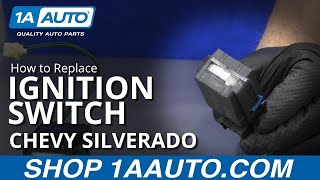
- Replace Ignition Switch (GM) — Parts: $40 - $150, Labor: $120 - $250, ~1.5 hr book time (Intermediate)
- Replace Passenger Seat Belt Buckle Assembly (Hyundai/Kia) — Parts: $60 - $120, Labor: $80 - $150, ~0.8 hr book time (DIY)
- Repair Wiring Under Seat (Ford/Hyundai) — Parts: $10 - $30, Labor: $125 - $250, ~1.5 hr book time (Intermediate)
- Replace HVAC Temperature Blend Door Actuator (Suzuki) — Parts: $30 - $70, Labor: $150 - $350, ~2.5 hr book time (Intermediate)
- Replace Driver Seat Position Sensor (Ford) — Parts: $50 - $90, Labor: $100 - $180, ~1.2 hr book time (Intermediate)
- Clean or Repair Main Ground Connection — Parts: $1 - $5, Labor: $50 - $125, ~0.8 hr book time (DIY)
Used vs. New Parts: Buying Guide
When a used part is worth it: For mechanical, non-safety critical parts like a Suzuki HVAC Blend Door Actuator, a used part from a low-mileage vehicle is cost-effective. For wiring pigtails, a used part is often the only option besides dealer kits.
Donor-vehicle mileage cap: roughly under 80000 miles for the part to have meaningful remaining life.
Donor quality checklist:
- Verify the donor vehicle wasn't scrapped for a related electrical or flood issue.
- Inspect plastic parts for brittleness and connectors for corrosion.
- Match the part number exactly; visual similarity is insufficient for electronic modules.
Decision logic:
- If The part is a safety component like a GM Ignition Switch or a Hyundai/Kia Seat Belt Buckle → Always buy new OEM or high-quality aftermarket. The risk of a used part failing is too high given safety implications.
- If The part is an HVAC actuator and the vehicle is over 10 years old → A used part from a reputable recycler is an acceptable budget repair.
- If A new aftermarket part is available for less than 50% more than a used part → Buy the new aftermarket part for the warranty and peace of mind.
Warranty tradeoff: Used parts carry a 30-90 day warranty without labor coverage. New aftermarket parts offer 1-year to lifetime warranties. New OEM parts carry a 12-month manufacturer warranty.
Worst-case if a used part fails: $250-500 if a used part fails after installation, primarily due to repeated labor costs.
What Happens If You Wait — Timeline
- 0-2 weeks: Code sets and warning light appears. For GM, a single unexplained stall occurs. For Ford/Suzuki, a comfort feature stops working. For Hyundai/Kia, the airbag light turns on. (MPG impact: 0%% · Added cost: $0)
- 1-3 months: The fault becomes consistent. GM stalling becomes frequent on bumpy roads. Hyundai/Kia vehicles automatically fail state safety inspections. Ford/Suzuki inconveniences become daily annoyances. (MPG impact: 0%% · Added cost: $50 - $250 (Cost of a failed inspection or a tow after stalling.))
- 3-6 months: Secondary damage begins. On GM vehicles, constantly wiggling the key damages the ignition lock cylinder. Intermittent short circuits overheat pins, melting connector housings. (MPG impact: 0%% · Added cost: $200 - $500 (Cost to replace a damaged lock cylinder or melted harness connector.))
- 6+ months: Catastrophic failure risk peaks. A GM stall in a critical moment causes an accident. A Hyundai/Kia accident occurs where the passenger airbag fails to deploy, leading to severe injury. (MPG impact: 0%% · Added cost: $1000 - $10,000+ (Cost of accident deductibles, legal liability, or control module replacement.))
Cost of Not Fixing It
- Immediate: For GM: High risk of engine stalling, potentially causing a collision. For Hyundai/Kia: Passenger airbag is disabled, creating a major safety risk. For some Kias: ABS and traction control are disabled. (Added cost: Ranges from a traffic ticket to a major accident deductible ($500+) or severe injury.)
- 1-6 months: For GM: Increased wear on the ignition lock cylinder from wiggling the key requires a new lock cylinder. For all makes: Underlying electrical shorts worsen, potentially damaging the control module. (Added cost: $200 - $1500)
- 6+ months: Continued operation with a known safety defect increases driver liability in an accident. The vehicle fails state safety inspections checking for illuminated airbag lights. (Added cost: Significant legal and insurance costs, plus repair costs.)
Diagnosis Steps

- Verify the Code's Meaning for Your Vehicle
Use a professional-grade scanner to confirm the exact definition of B1513 for your specific make, model, and year. A fix for a Ford will not work on a GM.
Tools: OBD-II Scanner with manufacturer-specific definitions (Beginner) - Check for Recalls and TSBs (Especially Hyundai/Kia & Ford)
Check for recalls related to the seat belt buckle assembly (Hyundai/Kia) or TSB 19-2390 regarding under-seat connectors (Ford F-150). Many repairs are covered under warranty extensions.
Tools: Internet Access, VIN (Beginner) - Test the Ignition Switch (GM)
With the vehicle parked and engine running, gently wiggle the ignition key. If the engine sputters, dashboard lights flicker, or the vehicle stalls, the ignition switch is faulty.
Tools: Ignition Key (Beginner) - Perform a Visual Inspection (Ford/Hyundai/Kia)
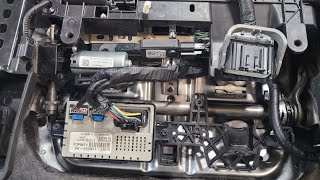
Move the affected seat fully forward, backward, up, and down. Inspect the wiring harness underneath with a flashlight for pinched, frayed, or disconnected wires.
Tools: Flashlight (Beginner) - Listen to HVAC Actuators (Suzuki)
With the engine off and key 'On', cycle the temperature control from full hot to full cold. A loud, rhythmic clicking from behind the glove box confirms a failed blend door actuator.
Tools: None (Intermediate) - Advanced Test: Check BCM Voltage (GM)
Monitor the BCM voltage PID with a scan tool. Voltage should be >12.0V (Key On), >10.0V (Cranking), and 13.2V-14.8V (Running). Drops below these thresholds when wiggling the key confirm a supply issue.
Tools: Advanced OBD-II Scan Tool (Advanced) - Advanced Test: Measure Seat Belt Buckle Switch Current (Hyundai/Kia)
Monitor SRSCM live data for passenger buckle switch current. It should read 4-7 mA unbuckled and 12-18 mA buckled. Values stuck out of range (< 3mA) indicate a faulty buckle or wiring.
Tools: Advanced OBD-II Scan Tool (Advanced) - Advanced Test: Check for Voltage Drop on Ground Circuit
Connect a multimeter's positive lead to the negative battery terminal and the negative lead to the component's ground wire. Activate the circuit. Readings above 0.1V (100mV) indicate a poor ground.
Tools: Multimeter, Wiring Diagram (Advanced) - Advanced Test: Check Sensor/Actuator Reference Voltage
Disconnect the Suzuki temperature actuator or Ford seat sensor and check voltage between the reference wire and ground. A loss of the 5V reference indicates a wiring or BCM fault.
Tools: Multimeter, Vehicle-Specific Service Manual (Advanced) - Advanced Test: Measure Seat Belt Buckle Resistance (Hyundai/Kia)
Disconnect the passenger buckle switch. Measure resistance across terminals: ~402 Ω unbuckled, ~1006 Ω buckled. Infinity (OL) means open circuit; near zero means short.
Tools: Multimeter, Vehicle-Specific Service Manual (Advanced)
When This Code Triggers (Freeze-Frame Conditions)
- System Voltage: 9.5 - 11.5V (GM) or 12.0 - 14.5V (Other Makes) (For GM, the code sets during a momentary voltage drop caused by a faulty ignition switch. For other makes, it sets with normal Key On, Engine Off (KOEO) voltage.)
- Vehicle Speed: 0 mph (Most variants of B1513 are tested and set during the initial key-on self-test before the vehicle moves.)
- RPM: 0 (KOEO) or 650-800 (Idle) (The fault is detected by the BCM or SRSCM at key-on or immediately after starting the engine.)
- Component Status: Open/Shorted/Invalid (Freeze frame data includes a manufacturer-specific PID showing the status of the circuit (e.g., 'Passenger Buckle Switch: Open Circuit') at the moment of the fault.)
Related Codes
- B1511 — On Hyundai and Kia vehicles, B1513 indicates a fault with the passenger side seat belt buckle switch. B1511 points to the identical switch on the driver side.
- P0562 — P0562 means 'System Voltage Low' set by the PCM. On GM vehicles, seeing both codes strongly indicates a systemic power issue, like a failing ignition switch or alternator.
- U0155 — A failing GM ignition switch intermittently cuts power to the Instrument Panel Cluster. The BCM sets U0155 for lost communication and B1513 for voltage interruption.
- C0031 / C0034 — On Kia models using B1513 for the Left Front Wheel Speed Sensor, it is accompanied by C0031 or C0034, indicating the primary fault lies within the ABS system.
Climate & Environmental Factors
- High Humidity / Road Salt: High humidity or winter road salt accelerates corrosion, increasing the likelihood of failure due to poor ground connections or corroded under-seat electrical connectors.
- Extreme Cold: Extreme cold makes wire insulation and plastic components brittle, leading to open circuits in wiring harnesses or mechanical failure of actuator gears and buckle internals.
How to Talk to a Mechanic About This Code
Say this: "{'GM': 'Hi, I have a B1513 code and the engine is stalling. Can you provide an estimate to test for a voltage drop at the BCM while wiggling the key, before diagnosing other systems?', 'Hyundai_Kia': "Hi, my airbag light is on and I have a B1513 code. Before scheduling a paid diagnostic, could you run my VIN to check if it's covered by the warranty extension for the passenger seat belt buckle?", 'Ford': "I'd like to schedule a diagnostic for a B1513 code. Can you instruct the technician to start with a visual inspection of the wiring and connectors under the driver's seat?", 'Suzuki': 'I have a B1513 code and a clicking noise from my dashboard when I change the temperature. Could you give me a quote to replace the blend door actuator specifically?'}"
This language directs the technician to the most likely cause, preventing expensive, unrelated diagnostics. For Hyundai/Kia, it forces them to check for free repairs first. For GM, it requests a specific test confirming the common failure.
Avoid saying:
- 'My airbag light is on, can you fix it?' (Too vague, invites expensive exploration.)
- 'Just do whatever it takes to fix the problem.' (Gives the shop a blank check.)
- 'A friend told me it might be the computer.' (Suggests an expensive part without evidence.)
Questions to ask before authorizing the repair:
- For Hyundai/Kia: Can you provide written confirmation from the manufacturer that my VIN is not covered by any recall or warranty extension for the seat belt buckle?
- For GM: Did you observe the voltage drop below 11.5V when wiggling the key? Can you show me the data?
- For Ford: Did you find a broken wire or burnt pin in the under-seat connector? Can I see it?
- For any repair: Is this part new OEM, new aftermarket, or used? What is the warranty on both the part and your labor?
- Will you provide me with the old parts that you replace?
Where to Take It: Dealer vs Independent vs Chain
- Dealer:
The best first stop for Hyundai, Kia, and GM owners due to well-known issues that may be repaired for free. For other makes, an independent shop is more cost-effective.
Best for: Hyundai and Kia vehicles, to check for and claim free repairs under warranty extensions or recalls., GM vehicles with stalling, as dealers are most familiar with the ignition switch recall., Vehicles still under the bumper-to-bumper or an extended warranty.
Downsides: Highest labor rates, typically 1.5-2x more than independent shops., Less willing to perform simple wiring repairs, preferring to replace entire harnesses. (Typical cost: +50% vs. baseline) - Independent Shop:
Excellent choice for most B1513 repairs, especially wiring or straightforward part swaps. Ensure the shop has a scanner capable of reading Body and SRS codes.
Best for: Out-of-warranty vehicles where the cause is known (e.g., Suzuki blend door, Ford wiring)., Owners who have a trusted mechanic with strong diagnostic skills., Cost-conscious repairs on older vehicles.
Downsides: Quality and diagnostic capabilities vary widely; vet the shop's ASE certifications., Unaware of manufacturer-specific warranty extensions for Hyundai/Kia. (Typical cost: +0% vs. baseline) - Chain Shop:
AVOID for diagnosing B1513. The manufacturer-specific nature of this code requires diagnostic expertise not typically found at chain shops.
Best for: Simple, unrelated maintenance like oil changes or tires.
Downsides: Technicians are less experienced with complex electrical diagnostics., High pressure to upsell services like fluid flushes that won't fix this code., Lack specific scan tools to properly diagnose or clear SRS/Body codes. (Typical cost: -10% vs. baseline)
When to Walk Away From the Repair
If the estimated repair cost exceeds 40-50% of your car's private-party value, seriously consider selling or trading in the vehicle instead of repairing it.
- Car worth $3500, fix is $1800: Walk away. The repair cost is over 50% of the car's value. It's not a sound investment.
- Car worth $15000, fix is $450: Fix it. The repair cost is only 3% of the vehicle's value and addresses a significant safety or reliability issue.
- Car worth $5000, fix is $0: Fix it immediately. This scenario represents a Hyundai/Kia where the repair is covered for free under a warranty extension.
What Scan Tool You Need for This Code

Minimum: A scanner that reads and clears codes from the SRS (Airbag) and BCM (Body) modules. A basic engine-only code reader will NOT see or clear code B1513.
A $20 generic OBD-II reader only communicates with the Engine Control Unit. Code B1513 lives in the Body Control Module or SRS module. Without the right tool, you cannot confirm the code's definition or clear it after repair.
Rent vs buy: Buy. Since the cheapest scanner required costs over $100 and parts store loaner tools are inadequate, buying a budget-level tool makes sense for future repairs.
How to Clear the Code After You Fix It
- Ensure the physical repair is complete.
- Reconnect the vehicle's battery if disconnected.
- Use a manufacturer-specific OBD-II scan tool to clear the code from the BCM or SRSCM. Generic readers cannot clear B-codes.
- Cycle the ignition off, then on, and re-check for the code. Operate the repaired component to verify the fix.
Drive cycle (~5 minutes): A formal drive cycle is not required. The BCM or SRSCM re-runs internal self-tests at the next key-on event. Start the car and check if the warning light extinguishes after the initial self-check.
Readiness monitors affected: None
Watch out for:
- Using a generic OBD-II reader that cannot access or clear codes from the Body Control Module or SRS module.
- Forgetting to reconnect a sensor or harness after the repair, causing the code to return immediately.
- On Hyundai/Kia, the airbag light remains on until the specific fault is cleared from the SRSCM with a capable scan tool, even after part replacement.
Will This Fail Emissions / State Inspection?
No — by itself this code doesn't fail OBD inspection (but it can keep readiness monitors from setting, which causes a separate fail).
- California: A B-code does not cause a failure of the OBD-II emissions test. However, if the fault is on a Hyundai/Kia and the airbag light is on, it fails the separate safety inspection.
- New York: An illuminated airbag warning light is noted as an advisory during the safety inspection but is not grounds for failure.
- Texas: For vehicles in counties requiring emissions tests, a B-code does not cause a failure unless it illuminates the Check Engine Light.
Most Commonly Affected Vehicles
- Chevrolet Silverado, Tahoe, Suburban (2007-2014) — Highly prone to ignition switch failure causing stalling and low voltage codes. The switch was part of a major recall.
- GMC Sierra, Yukon (2007-2014) — Shares the same faulty ignition switch design and BCM low voltage issues as its Chevrolet counterparts.
- Ford F-150, Explorer, Expedition (2009-2019) — Commonly experiences broken wires under the driver's seat. For 2015-2019 F-150s with multi-contour seats, TSB 19-2390 addresses poor terminal contact.
- Hyundai Elantra, Sonata, Santa Fe (2005-2017) — Frequently develops faults in the passenger seat belt buckle switch. Check for warranty extensions (e.g., Campaign T1F) before repair.
- Kia Sorento, Optima, Soul (2006-2018) — Shares the seat belt buckle fault with Hyundai. Newer models log B1513 for a left front wheel speed sensor fault.
- Suzuki Grand Vitara, SX4 (2005-2013) — Almost always logs this code for a failed HVAC temperature blend door actuator.
- Cadillac Escalade (2007-2014) — Logs this code due to ignition switch failure or general low voltage conditions reported by the Instrument Panel Cluster.
- Mazda 3, 6, CX-5 (2014-2018) — B1513:14 points to an open or short in the backup power supply circuit for the passenger-side door electrical unit.
Manufacturer-Specific Notes
- General Motors: This code is a hallmark of a failing ignition switch, part of a massive recall (14V047000). The switch loses contact, cutting power to critical modules and causing the engine to stall.
- Ford: The issue is almost always physical damage to the wiring harness under the driver's seat. TSB 19-2390 specifically addresses terminal fretting requiring a pigtail replacement.
- Hyundai / Kia: This code is directly tied to the airbag system and caused by a faulty passenger seat belt buckle sensor. Numerous warranty extensions cover this exact problem.
- Suzuki: This code almost exclusively points to a problem within the HVAC system, specifically the temperature blend door actuator, accompanied by an audible clicking from the dash.
Real Owner Stories
2007 Chevy Silverado stalls randomly, B1513 code
The owner reported the truck stalled while driving, especially when hitting a bump or wiggling the key in the ignition. Code B1513 was present, indicating a BCM voltage issue.
What they tried:
- Initially suspected a fuel system problem, replacing the fuel pump and filter with no change.
- Replaced crankshaft and camshaft sensors based on other codes, but stalling persisted.
- Performed the 'wiggle test' on the ignition key, causing the truck to stall immediately.
Outcome: Replaced the ignition switch, resolving the stalling and clearing the B1513 code. The worn switch cut power to the BCM and other modules, a known GM defect.
Lesson: For a GM vehicle with B1513 and stalling symptoms, test the ignition switch first by wiggling the key. This free test saves hundreds of dollars in misdiagnosed fuel or sensor issues.
2013 Hyundai Elantra airbag light on, B1513 code
The airbag warning light stayed on. A scan revealed code B1513, pointing to the passenger seat belt buckle switch circuit.
What they tried:
- The owner replaced the clockspring, but the light remained on.
- A mechanic confirmed the code but could only reset it temporarily before it returned.
Outcome: The owner discovered Hyundai's warranty extension (Campaign T1F) for this exact issue. A dealership confirmed the VIN was covered and replaced the passenger seat belt buckle assembly for free.
Lesson: If you have a Hyundai or Kia with an airbag light and a B1513 code, always check for recalls or warranty extensions with a dealer using your VIN before paying for repairs.
2016 Ford F-150 with inoperative heated/cooled seats
The heated and cooled seat functions stopped working, though dashboard switch lights illuminated. A visual inspection under the passenger seat revealed a burnt ground wire in the main connector.
What they tried:
- Disconnected the connector under the seat and saw the burnt pin, confirming a connection failure.
- Researched TSB 19-2390, which addresses terminal fretting on multi-contour seats.
Outcome: The owner repaired the connection by splicing a new pigtail connector into the harness, restoring function.
Lesson: On Fords with seat-related issues, visually inspecting the under-seat wiring and connectors is the critical first step. A burnt pin is much cheaper to fix than replacing a seat module.
2013 Kia Sorento with ABS and Traction Control lights on
The ABS, Traction Control, and Downhill Assist warning lights illuminated simultaneously. An ABS-capable scanner revealed code B1513.
What they tried:
- Initially suspected a brake issue following recent brake service.
- Used an advanced scanner and found B1513 accompanied by a C-code for a 'Right Rear Wheel Speed Sensor Signal'.
Outcome: Diagnosed the wheel speed sensor as faulty. Replacing the rear wheel hub assembly (which integrates the sensor) and clearing the codes extinguished all warning lights.
Lesson: On some Kia models, B1513 relates to the ABS system. If your ABS light is on, use a scanner that reads C-codes (Chassis codes) to diagnose the primary fault.
How to Prevent This Code From Triggering
- Lighten Your Keychain (GM) (Daily habit) — Excessive weight hanging from the ignition key accelerates wear on the internal contacts of the ignition switch, the leading cause of B1513 and stalling on millions of GM vehicles.
- Keep Under-Seat Areas Clear (Ford/Hyundai/Kia) (Monthly check) — Objects rolling under the seat pinch, stretch, or sever the delicate wires for the seat position sensor or seat belt buckle when the seat moves.
- Apply Dielectric Grease to Connectors (During any related repair) — Applying a small amount of dielectric grease to the seal of an unplugged connector blocks moisture and oxygen, preventing corrosion and terminal fretting.
- Perform Periodic Ground Cleaning (Every 3-5 years or during battery replacement) — Unbolting key chassis grounds, sanding contact surfaces to bare metal, and re-tightening ensures modules have a solid reference, preventing phantom electrical codes.
- Use High-Quality Wire Harness Tape for Repairs (When repairing wiring) — Automotive-grade cloth harness tape provides superior protection against abrasion and heat compared to vinyl electrical tape, preventing repaired sections from failing again.
Frequently Asked Questions
Can I just clear the B1513 code?
You can clear the code with a scanner, but it returns immediately if the underlying electrical fault remains. Clearing the code does not solve the problem. For Hyundai and Kia, this leaves the airbag system in a potentially disabled state.
Is B1513 a serious problem?
Yes, it is often very serious. On GM vehicles, it causes the engine to stall in traffic, while on Hyundai and Kia models, it disables the passenger airbag. Address this code immediately to ensure vehicle safety.
My airbag light is on for B1513, but the seatbelt clicks in fine. What's wrong?
The mechanical latch works, but the small electronic switch inside the buckle assembly has failed. The SRS module relies on this switch to confirm a passenger is buckled. Without that signal, it illuminates the warning light and disables the passenger airbag.
I replaced the part, but the B1513 code came back. What did I miss?
If a new part fails to fix the code, the issue is almost certainly in the wiring or grounding. Inspect the wiring harness for breaks or chafing further up the loom. Perform a voltage drop test on the ground circuit, as a bad ground prevents a good part from working.
Can a bad ground wire cause a B1513 code?
Yes. A loose, corroded, or broken ground connection for the BCM or the specific component's circuit causes erratic voltage readings. The control module interprets these fluctuations as a fault and sets code B1513.
Why did my car stall and then show a B1513 code?
This is a classic symptom for many GM vehicles experiencing ignition switch failure. The faulty switch briefly cuts power to the Body Control Module (BCM). The BCM logs code B1513 as a direct result of this sudden voltage loss.
What does it mean if my ABS light is also on with B1513?
On Kia models, seeing both the ABS light and code B1513 indicates a 'Left Front Wheel Speed Sensor Range or Performance' issue. The primary fault lies within the ABS system, not the body electronics. Diagnose the wheel speed sensor and its wiring to resolve both lights.
Key Takeaways
- Verify your specific manufacturer's definition for code B1513 before buying parts, as it means an ignition failure on a Chevy but an airbag fault on a Hyundai.
- For 2007-2014 GM vehicles, test the ignition switch by wiggling the key while the engine runs; a stall confirms a faulty switch requiring immediate replacement.
- Call a dealership with your VIN if you own a Hyundai or Kia with this code, as over 90% of these passenger seat belt buckle failures are covered by free warranty extensions.
- Inspect the wiring harness under the driver's seat on Ford F-150s for pinched or burnt wires before replacing the $80 seat position sensor.
- Listen for a repetitive clicking noise behind the glovebox on 2005-2013 Suzuki models to confirm a failed HVAC blend door actuator.
Helpful Videos

The information in this article is provided for general reference and educational purposes only. Vehicle specifications, procedures, and part compatibility can vary by production date, trim level, and region. Always consult your vehicle's factory service manual and verify part numbers before purchasing or performing repairs. Safety-critical components such as airbags, seat belts, and braking systems should be installed by a qualified professional.
- 🎬 Helpful Videos
- What Does B1513 Mean?
- Can I Drive With B1513?
- Common Causes
- Symptoms
- Diagnostic Flowchart
- Common Fixes & Costs
- Used vs. New Parts: Buying Guide
- What Happens If You Wait — Timeline
- Cost of Not Fixing It
- Diagnosis Steps
- When This Code Triggers (Freeze-Frame Conditions)
- Related Codes
- Climate & Environmental Factors
- How to Talk to a Mechanic About This Code
- Where to Take It: Dealer vs Independent vs Chain
- When to Walk Away From the Repair
- What Scan Tool You Need for This Code
- How to Clear the Code After You Fix It
- Will This Fail Emissions / State Inspection?
- Most Commonly Affected Vehicles
- Manufacturer-Specific Notes
- Real Owner Stories
- 2007 Chevy Silverado stalls randomly, B1513 code
- 2013 Hyundai Elantra airbag light on, B1513 code
- 2016 Ford F-150 with inoperative heated/cooled seats
- 2013 Kia Sorento with ABS and Traction Control lights on
- How to Prevent This Code From Triggering
- Frequently Asked Questions
- Can I just clear the B1513 code?
- Is B1513 a serious problem?
- My airbag light is on for B1513, but the seatbelt clicks in fine. What's wrong?
- I replaced the part, but the B1513 code came back. What did I miss?
- Can a bad ground wire cause a B1513 code?
- Why did my car stall and then show a B1513 code?
- What does it mean if my ABS light is also on with B1513?
- Key Takeaways
- 🎟️ Get 5% Off