

B1471 on 2015-2019 Ford Explorer: Multi-Contour Seat Failure Causes and Fixes
On a 2015-2019 Ford Explorer with multi-contour (massaging) seats, code B1471 almost always points to a poor electrical connection at the seat control module. The fix is typically inexpensive, involving the repair or replacement of a connector pigtail as detailed in Ford's Technical Service Bulletin 19-2390, not a costly module replacement.
- B1471 on a 2015-2019 Explorer with massaging seats is almost certainly a wiring issue, not a failed computer.
- Do NOT replace the expensive seat module until you have performed the repair outlined in TSB 19-2390.
- The most common cause is a poor connection at the SCMG module inside the driver's seat backrest.
- The permanent fix is to install a new connector pigtail (Ford part KU2Z-14S411-FA), which requires soldering.
- This is a manageable DIY repair for someone comfortable with basic wiring, but it does require accessing the inside of the seat.
What's Unique About the 2015-2019 Ford EXPLORER
On high-trim Ford Explorers of this generation, the multi-contour massaging seats are a key luxury feature. Unfortunately, they are prone to a specific, well-documented failure. The issue is so common that Ford issued a Technical Service Bulletin (TSB 19-2390) acknowledging that the problem is rarely the expensive seat control module itself. Instead, it's almost always caused by 'terminal fretting'—microscopic corrosion—at the module's main electrical connector, making this a predictable and often simple wiring repair rather than a complex component failure.
Diagnostic Flowchart
Tap your situation to follow the diagnostic path that matches what you're seeing on this vehicle.
Symptoms You May Notice
- Massage and/or lumbar functions are inoperative from the seat switch.
- Massage and/or lumbar functions cannot be controlled from the SYNC infotainment screen.
- Seat adjustment options may be grayed out on the SYNC screen.
- The system may work intermittently before failing completely.
- Air pump can be heard running, but seat bladders do not inflate.
- Replacing the Driver Multi-Contour Seat Module (SCMG) without first inspecting and repairing the connector and wiring harness. This is an expensive and usually unnecessary repair.
Most Likely Causes
- Terminal Fretting at Driver Multi-Contour Seat Module (SCMG) Connector 🔴 High Probability As documented in Ford TSB 19-2390, microscopic vibrations between the connector pins and the module lead to wear and oxidation (fretting), creating a poor electrical connection. The module's location inside the upper seat backrest makes it susceptible to these vibrations, especially as the seat is used.
How to confirm: Visually inspect the main electrical connector at the SCMG module, located inside the upper portion of the driver's seat backrest. Look for signs of corrosion, backed-out pins, or fine black dust (fretting). A 'wiggle test' on the connector while trying to operate the seat may cause the function to return intermittently, confirming a bad connection. Simply unplugging and replugging may provide a temporary fix, but the issue will return.
Typical fix: The official Ford repair is to replace the connector with a new pigtail harness (Part No. KU2Z-14S411-FA or the superseding KU2Z-14S411-FB). The TSB explicitly states that each wire must be cut, soldered, and sealed with heat shrink tubing; butt connectors should not be used. The repaired harness is then wrapped in Coroplast tape and secured with a zip tie to create a strain-relief loop, preventing future tension on the connector.
Est. part cost: $40-$75 for the pigtail kit. - Broken or Damaged Wiring 🟡 Medium Probability The wiring harness inside the seat can be improperly routed from the factory or become pinched/chafed by the seat frame, lumbar mechanism, or even other harnesses. In some cases, the harness for the seat back heater element can rub directly against the SCMG connector, eventually breaking a wire.
How to confirm: After accessing the SCMG module, carefully inspect the entire length of the visible harness for chafing, pinching, or broken wires, especially where it passes near moving parts or sharp edges of the seat frame. One owner found wires broken off flush at the connector for the air pump.
Typical fix: Repair the broken wire by soldering and sealing with heat shrink tubing. If the break is at a connector pin, it may be possible to de-pin the connector to re-solder the wire, or the pigtail may need to be replaced. Ensure the harness is rerouted away from pinch points or secured with zip ties to prevent future damage.
Est. part cost: $0-$10 for repair materials. - Blown Fuse ⚪ Low Probability A short circuit in the lumbar wiring harness can cause the fuse for the seat functions to blow.
How to confirm: Check the fuse for the seat module/power seats. On these Explorers, this is often a 7.5A or 10A fuse in the passenger compartment fuse panel. If the fuse is blown, suspect a short in the wiring.
Typical fix: Replace the blown fuse after finding and repairing the short circuit that caused it to blow. Simply replacing the fuse without fixing the underlying short will result in it blowing again.
Est. part cost: <$5 for a fuse.
Rare But Worth Checking
- Failed Driver Multi-Contour Seat Module (SCMG): This is rarely the cause of the failure. The module should only be replaced after the connector and wiring have been thoroughly inspected and repaired according to TSB 19-2390, and the fault still persists. A new module is expensive (over $600) and requires programming with dealer tools or FORScan software to function.
Diagnosis Steps
- Verify the symptoms: Confirm that the multi-contour massage and/or lumbar functions are inoperative from both the seat switch and the SYNC screen.
- Scan for DTCs: Use an OBD-II scanner (like FORScan for Fords) to confirm the presence of B1471 and any related communication codes like U024B. Advanced tools can perform a network test to see if the SCMG module is not responding.
- Check Fuses: Inspect the fuse for the power seats/seat module in the passenger compartment fuse panel.
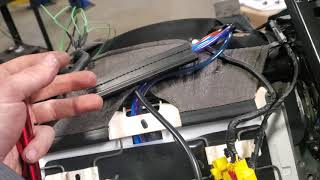
- Access the SCMG Module: The module is located inside the driver's seat backrest. You will need to unzip or unclip the rear seat cover from the bottom and pull it up to gain access.
- Inspect the Connector: This is the most critical step. Unplug the main electrical connector from the SCMG module and carefully inspect both the connector and the module pins for corrosion, pushed-out pins, or black dust (fretting).
- Perform a 'Wiggle Test': If visual inspection is inconclusive, reconnect the connector, turn the ignition on, and wiggle the connector/harness while trying to operate the seat functions. If function returns, the connection is faulty.
- Inspect Wiring: Check the harness leading to the connector for any signs of pinching, chafing, or breaks, particularly where it routes around the seat frame or near the seat heater harness.
- Repair or Replace Connector: If fretting or damage is found, perform the TSB 19-2390 repair by installing a new pigtail harness (KU2Z-14S411-FA or KU2Z-14S411-FB). This requires cutting each wire, soldering the new pigtail on, and heat-shrinking the connections. Reroute the harness to provide slack and prevent future strain.
- Clear Codes and Test: After the repair, clear all DTCs and test the seat functions thoroughly to ensure the problem is resolved.
Parts You'll Likely Need
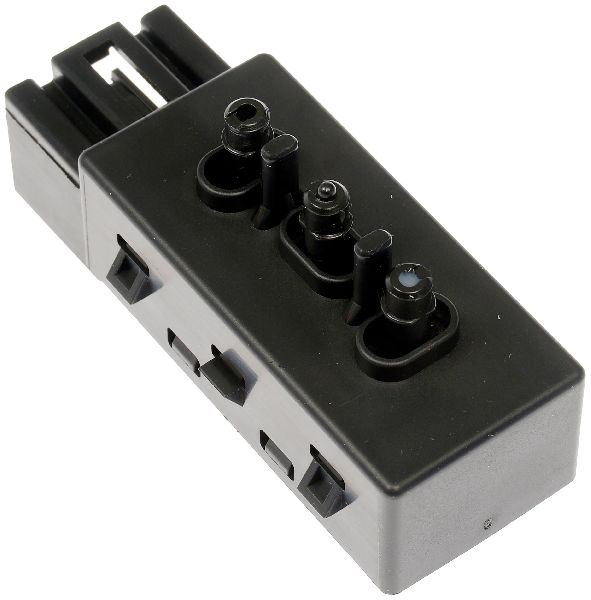
- Connector Pigtail Kit
(OEM #KU2Z-14S411-FB (replaces KU2Z-14S411-FA))— This is the official Ford part to permanently fix the common terminal fretting issue at the seat module connector, as specified in TSB 19-2390. The TSB explicitly requires soldering for this repair.
Trusted brands: Motorcraft
OEM price range: $40-$75
Aftermarket price range: $25-$45 - Driver Multi-Contour Seat Module (SCMG)
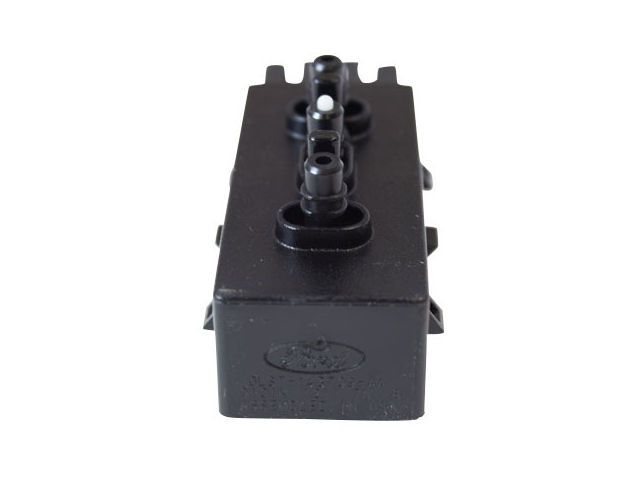
(OEM #DU5Z-14F548-F)— This part is only needed in the rare case that the module itself has failed after the wiring and connector have been confirmed to be in good condition. It is an expensive part and requires programming.
Trusted brands: Motorcraft
OEM price range: $500-$700
Aftermarket price range: $100-$250 (Used)
Related Codes That Often Appear With This One
- U024B — This code means 'Lost Communication With Seat Control Module G'. It frequently appears with B1471 because the same poor connection causing the circuit open also causes a loss of communication with the rest of the vehicle's network.
- U024C — This code means 'Lost Communication With Seat Control Module H' (the passenger side). It is often logged along with B1471 (driver side) because the passenger seat module is prone to the exact same connector fretting issue.
Technical Service Bulletins (TSBs) & Recalls
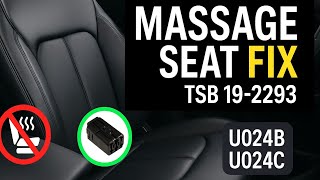
- TSB 19-2390: Supersedes a previous version (19-2293) and details the cause (terminal fretting) and repair procedure (pigtail replacement) for inoperative multi-contour seats on 2015-2020 Explorers and many other Ford/Lincoln vehicles.
Platform-Specific Known Issues
- TSB 19-2390 Connector Fretting: TSB 19-2390 directly addresses the root cause of code B1471 on this vehicle. It confirms that intermittent or inoperative multi-contour seat functions are most likely due to terminal fretting at the SCMG connector and provides a detailed repair procedure involving a new pigtail.
- Heater Harness Chafing: A specific failure point has been documented where the wiring for the seat back heater element is routed too close to the SCMG module. As the massage bladders operate, they push the module into the heater harness, causing the wires to chafe and eventually break, leading to a loss of communication.
Hidden / Shadow Codes Worth Checking
- B1471:11: Seat Switch Input Circuit Short to Ground. This subtype indicates the control circuit has a short to ground, which can be caused by the same chafed or fretted wiring that causes an open circuit. (see via Dealer-level scanners (IDS) or advanced DIY tools like FORScan.)
- B1471:13: Seat Switch Input Circuit Open. This is the most common subtype and directly corresponds to the fretting/broken wire issue described in TSB 19-2390. It can also be triggered after module reprogramming if the configuration is incorrect. (see via Dealer-level scanners (IDS) or advanced DIY tools like FORScan.)
Scan Tool Commands That Help
- FORScan / IDS: SCMG On-Demand Self-Test — Use this after a repair to command the module to check its own circuits and confirm the fix. It can also be used during diagnosis to see if the module is responsive at all.
- FORScan / IDS: Network Monitor — This function 'pings' all modules on the vehicle's network. If the SCMG module shows as 'not responding' or has a high number of 'hits not received', it confirms a communication breakdown, strongly pointing to the known wiring/connector issue.
- FDRS (Ford Diagnosis and Repair System): SCMG - Driver Multi-Contour Seat Module Configuration — This is a dealer-level function required if the SCMG module is replaced. It is also used to resolve DTC B1471:13 if it appears after a module reprogramming event.
Wiring & Ground Locations
- SCMG Connector (C341D) — Inside the upper portion of the driver's seat backrest, plugged directly into the Multi-Contour Seat Module (SCMG). Requires unzipping the rear seat cover to access.. This is the primary failure point. The pins on this 16-cavity connector suffer from fretting corrosion, causing the B1471 code and loss of function. The TSB repair involves replacing this connector with a pigtail.
- Ground Wire (Pin 8) — Pin 8 (Black/Blue wire) on the SCMG connector C341D is the ground circuit.. In at least one documented case, this specific ground wire broke off flush with the connector due to chafing against a nearby heater element harness, causing a total loss of communication (U024B) and function.
- Power Wire (Pin 16) — Pin 16 (Violet/Red wire) on the SCMG connector C341D is the fused power supply from the Body Control Module.. A voltage check at this pin can confirm if the module is receiving power. No voltage here would point to a problem upstream, such as a blown fuse or a break in the power wire itself.
Real Owner Repair Stories
- Reddit user /u/Otherwise_Stop_7488 (Ford Explorer Platinum (year not specified, but within 2015-2019 range)) — Both driver and passenger massaging seats stopped working completely. Buttons on the side of the seat and controls on the SYNC screen were inoperative. 'Lost Communication with Seat Modules' codes were present.
❌ Tried (didn't work) Checked all related fuses in the engine bay and under the dashboard; none were blown., Replaced the connectors on both seat modules with new pigtails per the Ford TSB, but the seats still did not work.
✅ What actually fixed it The user's issue remained unresolved in the thread after performing the common TSB pigtail fix, highlighting a scenario where the standard repair is not sufficient. This suggests a less common issue, such as a module failure, a problem with the shared power/ground supply for both seats, or a deeper network issue that a bidirectional scan tool would be needed to diagnose. - YouTube channel Rain City Wrench (2021 Ford Explorer (demonstrates an identical failure mode also applicable to 2015-2019 models)) — No massaging or lumbar functions from the center display. Scan tool showed U024B (Lost Communication with SCMG) and the network monitor test confirmed the SCMG module was not responding.
❌ Tried (didn't work) The diagnosis went straight to the module location based on the communication code.
✅ What actually fixed it The ground wire was found broken off flush with the SCMG connector. The cause was identified as rubbing against the nearby seat back heater element connector, which was pushed into the SCMG harness as the massage bladders inflated. The fix was to de-pin the connector, solder the broken wire back onto the terminal, re-pin the connector, and reroute the heater harness to prevent future contact.
When the Usual Fixes Don't Work
- While the vast majority of B1471 codes are fixed by replacing the connector pigtail per TSB 19-2390, there are documented cases where this does not solve the problem. In one instance, a user replaced the pigtails on both seats, yet the system remained inoperative, suggesting a deeper issue like a failed module or a fault in the shared power or communication bus that requires more advanced diagnostics with a bidirectional scanner. In another case, the root cause was not fretting but a completely broken ground wire at the connector, caused by chafing from an adjacent harness—a problem that requires a specific wire repair rather than just a pigtail replacement.
OEM Part Supersession History
KU2Z-14S411-FA→KU2Z-14S411-FB— Standard part revision. The new part number is a direct replacement for the old one.
Heads up: There are no known incompatibilities; KU2Z-14S411-FB is the correct and current part for the TSB 19-2390 repair.
Helpful Videos
We Have This Part in Stock

The information in this article is provided for general reference and educational purposes only. Vehicle specifications, procedures, and part compatibility can vary by production date, trim level, and region. Always consult your vehicle's factory service manual and verify part numbers before purchasing or performing repairs. Safety-critical components such as airbags, seat belts, and braking systems should be installed by a qualified professional.
- Ford EXPLORER:
- 🎬 Helpful Videos
- 🛍️ Shop This Part
- What's Unique About the 2015-2019 Ford EXPLORER
- Diagnostic Flowchart
- Symptoms You May Notice
- Most Likely Causes
- Rare But Worth Checking
- Diagnosis Steps
- Parts You'll Likely Need
- Related Codes That Often Appear With This One
- Technical Service Bulletins (TSBs) & Recalls
- Platform-Specific Known Issues
- Hidden / Shadow Codes Worth Checking
- Scan Tool Commands That Help
- Wiring & Ground Locations
- Real Owner Repair Stories
- When the Usual Fixes Don't Work
- OEM Part Supersession History
- 🎟️ Get 5% Off