

B1454 on 2016-2019 Lexus RC 300: Passenger HVAC Servo Motor Fixes
Code B1454 on a Lexus RC 300 means the passenger-side temperature control motor has failed. This is a very common issue, often causing incorrect air temperature and clicking noises from the dash. The fix is to replace the faulty servo motor, a labor-intensive job due to its location behind the glovebox and heater pipes.
- B1454 points almost exclusively to a failed passenger-side temperature blend door servo motor.
- Key symptoms are incorrect air temperature on the passenger side and/or a distinct clicking sound from behind the glove box.
- Before paying for a repair, ask a Lexus dealer to check if your vehicle is covered under TSB L-SB-0001-21 or a related warranty extension/customer support program.
- The repair is labor-intensive due to the part's location deep in the dashboard, making it a costly shop repair and a difficult (but possible) DIY job.
- A temporary fix can sometimes be achieved by resetting the system (disconnecting the battery), but if the code returns, the motor must be replaced.
What's Unique About the 2016-2019 Lexus RC 300
The 2016-2019 Lexus RC 300 shares its HVAC architecture with other Lexus models from the same era, like the IS and GS, which are built on a similar chassis. This means it is susceptible to a widely-known and well-documented issue of premature servo motor failure due to internal electrical faults. Lexus acknowledged the high failure rate of these components by issuing Technical Service Bulletin L-SB-0001-21, which covers a range of servo motor fault codes, including B1454. Owners often report multiple servo motor codes appearing at once, pointing to a common design or component flaw rather than an isolated incident.
Diagnostic Flowchart
Tap your situation to follow the diagnostic path that matches what you're seeing on this vehicle.
Symptoms You May Notice
- Incorrect air temperature on the passenger side (e.g., blowing warm or ambient air when A/C is set to cold).
- Uneven temperature between the driver and passenger vents.
- Audible clicking, ticking, or popping noises from behind the passenger side of the dashboard, especially when changing temperature settings or starting the car. 🎬 See how to identify and fix that annoying dashboard clicking.
- Inability to adjust the passenger-side temperature.
- An error message appearing on the climate control display.
- Recharging the A/C refrigerant. This code is for an electrical circuit controlling air temperature blending, not the refrigerant level or compressor function.
- Replacing the wrong servo motor. The RC300 has multiple servos in the dashboard. The B1454 code specifically refers to the passenger-side cool air servo, which has a blue connector.
Most Likely Causes
- Failed Passenger Cool Air Servo Motor 🔴 High Probability Lexus acknowledged a high rate of internal electrical malfunction in these specific servo motors through TSB L-SB-0001-21 and a Customer Support Program (20LE01) for related models. The failure is widespread across the GS, IS, and RC platforms due to a common parts design.
How to confirm: Listen for a clicking sound from the passenger dash when changing temperature. A professional scan tool (like Toyota Techstream) can confirm the failure by showing a mismatch between the servo's 'target pulse' and 'actual pulse' values; a large discrepancy indicates a fault. The B1454 servo is identifiable by its blue wire connector.
Typical fix: Replace the faulty servo motor sub-assembly and perform a servo initialization procedure with a scan tool.
Est. part cost: $90-$240 - Lost Servo Motor Calibration 🟡 Medium Probability Disconnecting the vehicle's 12V battery for any reason can cause the HVAC control module to lose the stored position data for the servo motors. This can also happen randomly as the motor begins to fail electronically.
How to confirm: Perform a servo motor initialization procedure using a capable scan tool like Toyota Techstream. If the symptoms and code disappear, even temporarily, it was a calibration issue. A forum user on ClubLexus reported an independent mechanic fixed their issue with this reset, but for many, it is a temporary fix before the motor fails completely.
Typical fix: Run the 'Servo Motor Initialization' utility with a diagnostic tool. This is often a temporary fix if the motor itself is failing.
Est. part cost: $0 - Wiring or Connector Issue ⚪ Low Probability
How to confirm: Visually inspect the wiring harness and the blue connector at the servo motor for any signs of damage, corrosion, or looseness after accessing it behind the glovebox. Use a multimeter to check for proper voltage and ground at the connector.
Typical fix: Repair the damaged wiring or clean/re-seat the connector.
Est. part cost: $5-$50
Rare But Worth Checking
- Jammed Blend Door or Linkage: It's possible for the plastic door or linkage inside the HVAC unit to become physically stuck, preventing the servo motor from moving. This can mimic the symptoms of a failed motor and may be caused by improper cabin air filter replacement. 🎬 Watch how to fix clicking noises caused by the air mode servo.
- Faulty A/C Amplifier (HVAC Control Module): While rare, the control module that commands the servo motors can fail. TSB L-SB-0001-21 notes that in some cases, the A/C amplifier may need to be reprogrammed by a dealer. A failure of the module itself usually results in multiple, system-wide HVAC errors, not just a single servo code.
Diagnosis Steps
- Check for stored codes using an OBD-II scanner capable of reading Body (B) codes. Note if the code is 'current' or 'history'.
- Listen carefully to the passenger side of the dashboard while changing the temperature from hot to cold. A repetitive clicking or ticking sound strongly suggests a failed or binding servo motor.
- If you have access to a bi-directional scan tool like Toyota Techstream, navigate to the A/C system data list. Monitor the 'Target Pulse' and 'Actual Pulse' for the 'Passenger Cool A/M Servo'.
- Command the temperature to change and observe the values. If the 'Actual Pulse' does not match the 'Target Pulse' or is erratic, the servo is not responding correctly.
- Attempt a 'Servo Initialization' procedure with the scan tool. If the B1454 code returns immediately or soon after, the servo motor hardware has failed and requires replacement.
- If no scan tool is available, a simpler (but less definitive) reset can be done by disconnecting the negative battery terminal for at least 15 minutes to reset the HVAC module. If the problem is resolved but returns later, the servo motor is likely failing.
- To physically inspect, remove the glove box assembly. The servo is located behind heater pipes and has a blue electrical connector. Visually inspect the wiring. If possible, observe the servo arm for movement while an assistant changes the temperature settings.
Parts You'll Likely Need
- Damper Servo Sub-Assembly (Passenger Side Cool)
(OEM #87106-30610)— This specific electric motor is the component that fails internally, causing the B1454 circuit fault. It is the primary fix for this code. It is also referred to as 'Air Conditioner Radiator Damper Servo Sub Assembly No.2'.
Trusted brands: Lexus (Genuine OEM)
OEM price range: $170-$240
Aftermarket price range: $90-$150
Related Codes That Often Appear With This One
- B1453 — This is the code for the driver's side cool control servo. These motors are of the same design and often fail around the same time.
- B1455 — This code is for the driver's side FOOT/DEF control servo. It's common for multiple servo codes to be stored at once due to the common failure of these components.
- B1441, B1442, B1443, etc. — TSB L-SB-0001-21 lists a large family of HVAC servo codes that are prone to failure. Finding several of these codes stored together is a strong indicator of a systemic issue with the servo motors.
Technical Service Bulletins (TSBs) & Recalls
- L-SB-0001-21 Rev / L-SB-0001-21: Confirms the code definition and outlines diagnostic procedures for HVAC servo motor malfunctions on 2016-2017 RC300 models, among others. It provides a detailed flowchart for diagnosis, including checking for codes, reprogramming the A/C amplifier, and replacing the servo motor.
Platform-Specific Known Issues
- Lexus issued TSB L-SB-0001-21 Rev, which details the diagnosis and repair for a family of failing HVAC servo motors, including the one associated with B1454, on 2016-2017 RC300 models. The procedure may involve reprogramming the A/C amplifier, cleaning, or replacing the servo.
- A Customer Support Program (CSP 20LE01) was issued for approximately 328,700 Lexus vehicles, including the 2016-2017 RC300, extending warranty coverage for this specific problem. The primary coverage ended in January 2022, but a secondary coverage of 7 years or 125,000 miles may still apply. Owners should check with a Lexus dealer with their VIN to see if their vehicle is covered.
Mechanic-Grade Diagnostic Values
- Techstream Live Data: 'Cool A/M Servo (P) Target Pulse' vs 'Cool A/M Servo (P) Actual Pulse' — expected: Values should be identical or nearly identical. For example, at Max Cool, both should read ~258. At Max Hot, both should read ~152.. Failure: A large, persistent discrepancy between the target and actual pulse values (e.g., Target: 258, Actual: 63) indicates the servo is not reaching its commanded position and is faulty.
Scan Tool Commands That Help
- Toyota Techstream: Servomotor Initialization — Located under 'Body / Air Conditioner / Utility'. Use as a first diagnostic step to fix calibration issues, and always use it after replacing a servo motor to allow the A/C amplifier to relearn the door end-stop positions.
- Toyota Techstream: AC Damper Servo Operation Check Tool — This is a special utility that must be downloaded to Techstream, as referenced in TSB L-SB-0001-21. It's a dealer-level step used after flash reprogramming the A/C amplifier. It cycles the servos for 8-14 minutes to redistribute internal grease and may clear a fault without part replacement.
Wiring & Ground Locations
- Passenger Cool Air Servo Connector — Behind the glove box, often behind two aluminum heater pipes.. This is the electrical connector for the specific servo motor related to code B1454. It is typically a blue connector and is the primary point for visual inspection of wiring or for performing pin-out tests if a wiring diagram is available.
Real Owner Repair Stories
- Go-Parts.com, citing a technician's repair on a platform-mate IS350 (2014-2018 Lexus IS350) — Air temperature of 42°F on the driver's side but 54°F and rising on the passenger side.
❌ Tried (didn't work) Running a 'Servomotor Initialization' using Techstream. The B1454 code returned immediately.
✅ What actually fixed it The technician replaced the 'Cool A/M Servo (P)' motor (Part No. 87106-30480). The fix was confirmed successful when the 'Target Pulse' and 'Actual Pulse' values in Techstream became identical (258). - Harbor Area Tech on YouTube (Lexus IS350) — A/C concern requiring replacement of multiple passenger-side servo motors.
❌ Tried (didn't work) Following the official service manual procedure, which calls for 8 hours of labor to remove the entire dashboard and A/C box.
✅ What actually fixed it A shortcut was used: removing only the blower motor/air filter section of the A/C box. This provided enough access to replace the faulty servos, cutting the repair time to 1-2 hours. After replacement, a 'servo motor initialization' was performed with a scan tool to complete the repair.
OEM Part Supersession History
87106-30610→N/A— This is the primary part number associated with B1454 on this platform. While one vendor lists it as discontinued, it remains available through others. On related platforms, similar servos have been superseded (e.g., 87106-30480 to 87106-30481), indicating Lexus has made revisions to these parts over time.
Model Year Variations Within This Range
- 2016-2017 vs 2018-2019: TSB L-SB-0001-21 Rev explicitly covers the 2016-2017 RC300. Later model years (2018-2019) may be covered by a different TSB (e.g., L-SB-0019-20 on the similar IS platform), potentially involving different A/C Amplifier software versions or slightly different diagnostic flowcharts, especially following any model refresh.
Helpful Videos

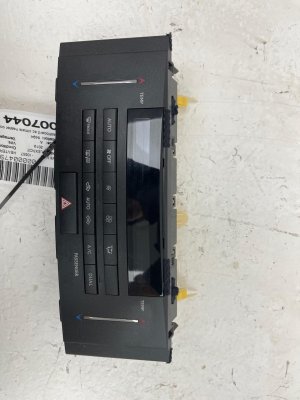
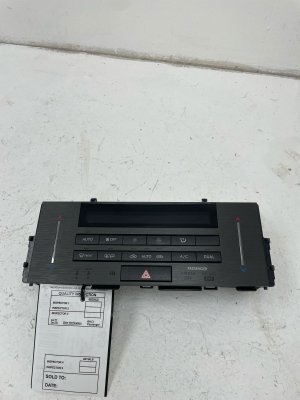
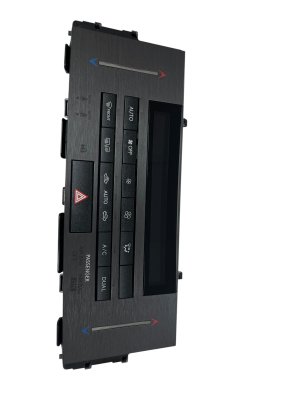
We Have This Part in Stock


The information in this article is provided for general reference and educational purposes only. Vehicle specifications, procedures, and part compatibility can vary by production date, trim level, and region. Always consult your vehicle's factory service manual and verify part numbers before purchasing or performing repairs. Safety-critical components such as airbags, seat belts, and braking systems should be installed by a qualified professional.
- Lexus RC 300:
- 🎬 Helpful Videos
- 🛍️ Shop This Part
- What's Unique About the 2016-2019 Lexus RC 300
- Diagnostic Flowchart
- Symptoms You May Notice
- Most Likely Causes
- Rare But Worth Checking
- Diagnosis Steps
- Parts You'll Likely Need
- Related Codes That Often Appear With This One
- Technical Service Bulletins (TSBs) & Recalls
- Platform-Specific Known Issues
- Mechanic-Grade Diagnostic Values
- Scan Tool Commands That Help
- Wiring & Ground Locations
- Real Owner Repair Stories
- OEM Part Supersession History
- Model Year Variations Within This Range
- 🎟️ Get 5% Off