

OBD-II Code B1403: Driver Power Window Up Switch Circuit Failure
What B1403 means, why it triggers, and how to fix it
- Code B1403 means a window circuit failure on most cars, but on Mitsubishi, Hyundai, and Kia, it indicates a critical airbag system fault that makes the vehicle unsafe to drive.
- The driver's master power window switch is the number one cause of a generic B1403 code, requiring a $100 to $375 replacement.
- Perform a 2-minute 'click test' by listening for a sound inside the door panel when pressing the switch to instantly differentiate between a bad switch (no click) and a bad motor (click heard).
- Inspect the rubber door jamb boot for broken wires, as repeated flexing over thousands of door cycles is the second most common cause of this failure.
- Always attempt a 10-second window re-initialization procedure (holding the switch down for 5 seconds, then up for 5 seconds) after a battery disconnect before buying replacement parts.
What Does B1403 Mean?

Code B1403 indicates the Body Control Module (BCM) detects an electrical fault in the driver's side power window 'up' circuit. The BCM expects a specific voltage signal when you pull the switch; when absent, it triggers this code. Crucially, manufacturers like Mitsubishi, Hyundai, and Subaru use B1403 for severe airbag or immobilizer faults, so you must verify the definition for your specific make.
Technical definition: The SAE/OBD-II definition for the generic version of this code is "Driver Power Window Up Switch Circuit Failure". This indicates the control module detects an open, short, or other electrical malfunction in the driver's power window master switch's 'up' command circuit.
Can I Drive With B1403?

Yes, But With Caution. Yes, if it is a generic window fault, though a stuck-open window poses security and weather risks. However, on Mitsubishi, Hyundai, and Kia vehicles, B1403 indicates a critical airbag system failure. Do not drive if the airbag warning light is illuminated, as the airbags will not deploy in a collision.
Common Causes

- Faulty Driver's Master Power Window Switch (Very Common) — Internal switch contacts wear out from repetitive use or corrode from moisture and spilled liquids, preventing the completion of the 'up' signal circuit.
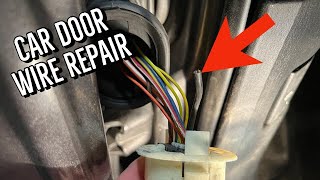
- Broken Wires in Door Jamb (Common) — The wiring harness passing from the vehicle body to the driver's door flexes every time the door opens. Over thousands of cycles, these wires fatigue, crack, and break, creating an open circuit.
- Failed Power Window Motor (Common) — The electric window motor burns out, develops internal shorts, or fails mechanically. It often operates slowly or intermittently before failing completely.
- Window Regulator Mechanical Failure (Common) — A jammed regulator (frayed cables or broken plastic guides) forces the motor to draw excessive current or stall, sometimes triggering circuit protection or burning out the motor entirely.
- Improper Window Initialization/Calibration (Less Common) — Modern power window systems must be re-initialized after a battery disconnect. Failing to perform this procedure disables the 'auto-up/down' feature and triggers a B1403 fault.
- Corroded or Loose Electrical Connectors (Less Common) — Moisture intrusion causes corrosion on the electrical connectors at the master switch, window motor, or BCM, creating high resistance that impedes current flow.
- Blown Fuse or Faulty Relay (Less Common) — A short circuit in the motor or wiring blows the dedicated fuse or damages the relay for the driver's window circuit.
- Faulty Body Control Module (BCM) (Rare) — The BCM fails to interpret the switch signal or activate the motor. This is a last-resort diagnosis requiring module replacement and special programming.
Symptoms

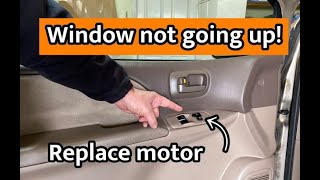
- Driver's window will not go up — The window operates normally in the down direction but remains unresponsive when pulling the switch to close it.
- Auto-up feature does not work — The one-touch express-up function disables automatically when the BCM detects a fault in the window control circuit.
- Clicking or grinding noise from the door — A clicking sound points to a faulty motor or relay. A grinding noise indicates a mechanical problem with the window regulator, such as a frayed cable.
- Window operates intermittently or slowly — An inconsistent connection in the switch or wiring, or a failing motor, causes the window to work sporadically or move sluggishly.
- Check Engine Light or Airbag Warning Light is on (also visible on scanner) — On makes like Mitsubishi, Hyundai, and Kia, a B1403 illuminates the airbag warning light, indicating a critical safety system fault.
Diagnostic Flowchart
Tap your situation to follow the diagnostic path that matches what you're seeing on this code.
Common Fixes & Costs
- Replace Driver's Master Power Window Switch
— Parts: $30 - $200, Labor: $75 - $175, ~0.7 hr book time
(DIY)
Chevrolet Silverado / GMC Sierra (2007-2013): OEM 23233973 (Alt: {"brand": "Dorman", "part_number": "901-117", "price_comparison": "Approx. $30-$50"}, {"brand": "Standard Motor Products (SMP)", "part_number": "DWS1389", "price_comparison": "Approx. $40-$60"})
Dodge Ram 1500/2500/3500 (2013-2018): OEM 68590594AA (Alt: {"brand": "Dorman", "part_number": "901-474", "price_comparison": "Approx. $50-$75"})
Ford F-150 (2009-2014): OEM 9L3Z-14529-A (Alt: {"brand": "Motorcraft (OEM)", "part_number": "SW6653", "price_comparison": "Approx. $60-$90"}) - Repair Broken Wires in Door Jamb — Parts: $10 - $30, Labor: $150 - $300, ~2 hr book time (Intermediate)
- Replace Power Window Motor & Regulator Assembly
— Parts: $75 - $450, Labor: $200 - $400, ~1.8 hr book time
(Professional)
Chevrolet Silverado / GMC Sierra (2007-2013): OEM 22895755 (Alt: {"brand": "Dorman", "part_number": "741-925", "price_comparison": "Approx. $80-$120"}) - Perform Window Initialization Procedure — Parts: $0, Labor: $0 - $50, ~0.2 hr book time (DIY)
- Replace Blown Fuse — Parts: $1 - $5, Labor: $0, ~0.1 hr book time (DIY)
Used vs. New Parts: Buying Guide
When a used part is worth it: For an older, high-mileage vehicle where budget is the primary concern. A used master window switch is a cost-effective short-term fix if sourced from a low-mileage, non-flood-damaged vehicle.
Donor-vehicle mileage cap: roughly under 100000 miles for the part to have meaningful remaining life.
Donor quality checklist:
- Match the part number exactly, including any letters.
- Inspect the electrical connector for any signs of green or white corrosion.
- Physically test the buttons to ensure they have a solid, tactile click and are not sticky or loose.
Decision logic:
- If Vehicle is a daily driver you plan to keep for 2+ years → Buy a new OEM or high-quality aftermarket part (e.g., Dorman, Standard Motor Products) for maximum reliability and warranty.
- If Vehicle is >150K miles and you need the cheapest possible fix → A tested used part is an acceptable risk, but be prepared for a shorter lifespan.
- If The original switch failed due to a liquid spill → Buy new. A used part has hidden internal corrosion that causes it to fail prematurely.
Warranty tradeoff: Used parts from a salvage yard typically come with a 30-90 day functional warranty for part exchange only. New aftermarket parts carry a one-year to limited lifetime warranty, offering better long-term protection.
Worst-case if a used part fails: $100-250 if a used part fails after the warranty period, representing the cost of another part plus the repeated labor/time to install it.
What Happens If You Wait — Timeline
- 0-1 month: Window begins to operate intermittently. It hesitates, moves slowly, or requires multiple presses of the switch to go up. The B1403 code is stored in the BCM. (MPG impact: 0%% · Added cost: $0)
- 1-3 months: The 'up' function fails completely. The window is stuck in the fully or partially open position, creating a significant security risk and inconvenience. (MPG impact: 0%% · Added cost: $0, but the vehicle is not secure.)
- 3-6 months (if window is stuck down): Exposure to rain and humidity causes damage. Water enters the door, shorting out other electronics like speakers or door lock actuators. The carpet and floor padding get wet, leading to musty odors and mold growth. (MPG impact: 0%% · Added cost: $250 - $2,200 for interior water damage remediation, mold removal, and replacement of padding/carpet.)
- 6+ months: The initial electrical fault worsens. A shorted switch or motor creates a parasitic battery drain, leaving you with a dead battery. Prolonged water intrusion causes significant rust inside the door shell and floor pan.
Cost of Not Fixing It
- 0-1 month: Major inconvenience and security risk if the window is stuck down. High potential for expensive interior water damage from rain, shorting out door electronics and leading to mold. (Added cost: $0 if window is stuck up. $500-$2,000+ if significant water damage occurs to seats and electronics.)
- 1-6 months: For airbag-related variants of B1403, the airbag system is disabled, creating a critical safety hazard. For window faults, a minor wiring issue corrodes and worsens, making the eventual repair more difficult. (Added cost: Incalculable if an accident occurs with a disabled airbag. A simple wire repair turns into a full harness replacement.)
- 6+ months: Prolonged water intrusion causes severe mold, rust in the door and floor pan, and total failure of other modules in the door. BCM-related faults eventually cause parasitic battery drain or a no-start condition. (Added cost: Potentially thousands in damage, possibly exceeding the value of an older vehicle.)
Diagnosis Steps

- Verify the Code's Meaning
Use a model-specific resource to confirm what B1403 means for your exact vehicle. Assuming it's a window fault on a Mitsubishi or Hyundai causes you to ignore a serious airbag system issue.
Tools: OBD-II scanner, vehicle-specific service manual or online resource (Beginner) - Perform a Basic Switch Test
Turn the ignition 'ON'. Press the window switch up and down. Listen for a faint 'click' inside the door panel. A click confirms the switch sends a signal and the relay activates, pointing to a motor or regulator issue. No sound points to the switch or wiring.
Tools: None (Beginner) - Check Fuses and Relays
Locate the fuse for the power window circuit in the owner's manual. Visually inspect and replace if blown. Swap the power window relay with an identical one from a non-critical circuit (like the horn) to test its function.
Tools: Owner's manual, fuse puller (Beginner) - Inspect the Door Jamb Wiring
Peel back the rubber boot between the driver's door and the car body. Inspect the wires for cracking, chafing, or complete breaks. This is a highly common failure point due to repeated flexing.
Tools: Trim removal tool (optional) (Intermediate) - Test the Switch with a Multimeter (Continuity)
Pry the master switch panel from the door and disconnect it. Set a multimeter to continuity. Identify the pins for the driver's window 'up' function using a wiring diagram. Touch the probes to these pins; the meter should show an open circuit (OL). Press the 'up' button; the meter must show continuity (beep or near 0.0 ohms). If not, replace the switch.
Tools: Trim removal tool, multimeter, vehicle wiring diagram (Intermediate) - Test for Power at the Window Motor
Remove the interior door panel. With the motor plugged in, back-probe the two wires leading to the motor. Have a helper operate the 'up' switch. You should see +12V across the wires. Pressing 'down' shows -12V. If you get voltage but the motor doesn't move, the motor is dead.
Tools: Trim removal tools, screwdriver/socket set, multimeter (Advanced) - Pro Tip: Power the Motor Directly
Disconnect the window motor. Use a 12V power source and fused jumper wires to apply power and ground directly to the motor's terminals. If the motor operates, the fault lies in the switch or wiring. If it doesn't run, the motor is confirmed faulty.
Tools: Jumper wires with fuses, 12V power source (or power probe) (Advanced) - Pro Tip: Perform a Voltage Drop Test
Connect the positive multimeter lead to the positive battery terminal and the negative lead to the power wire at the motor connector. Operate the switch. A reading over 0.5 volts indicates excessive resistance (corroded connector or failing relay). Repeat on the ground side; a reading over 0.2 volts indicates a bad ground.
Tools: Multimeter with long leads, jumper wires (Advanced) - Advanced: Scan Tool Live Data Analysis
Connect a professional scan tool to the BCM live data. Look for 'Driver Window Up Switch Status'. The value must change from 'Inactive' to 'Active' when pressing the switch. If it doesn't, the fault is the switch or wiring to the BCM. If it changes but the window doesn't move, the problem is between the BCM and the motor.
Tools: Professional OBD-II Scan Tool (Advanced) - Advanced: Motor Resistance Test
Disconnect the window motor. Measure resistance across the two motor terminals. A healthy motor reads 4 to 8 ohms. 'OL' (Over Limit) indicates an open circuit inside the motor. 0.0 ohms indicates a direct internal short.
Tools: Multimeter (Advanced)
When This Code Triggers (Freeze-Frame Conditions)
- Ignition Status: ON (Fault is detected when the ignition is on and the window switch is operated.)
- System Voltage: 11.5-14.5V (The BCM actively monitors circuits when system voltage is within the normal operating range.)
- Switch Input Status: Open / No Voltage (The BCM logs the fault when it expects a voltage signal from the switch being pressed but receives an incorrect or absent signal.)
- Vehicle Speed: 0 mph (The fault is most often logged when the vehicle is stationary, as drivers typically operate windows before or after a trip.)
Related Codes
- B1404 — The direct counterpart to B1403, indicating a 'Driver Power Window Down Circuit Failure'. If the window goes up but not down, B1404 is the culprit.
- B1408 — Specifies 'Driver Power Window Up Circuit Short To Battery'. B1408 points specifically to a wire shorted to a power source, causing it to be constantly energized.
- B1402 — On Subaru vehicles, this code appears alongside B1403 to indicate the car does not recognize the key during a start attempt, confirming an immobilizer fault.
- U0199 — Means 'Lost Communication With Driver Door Control Module'. A U0199 code alongside B1403 suggests the entire door module is offline due to a power, ground, or network wiring issue.
Climate & Environmental Factors
- High Humidity / Rain: Moisture seeps past aging door seals and into the door panel, causing corrosion on the contacts of the master switch and electrical connectors. This corrosion increases electrical resistance, leading to intermittent operation or complete failure.
- Cold Weather: Moisture inside the window tracks freezes, causing the glass to stick. Attempting to operate a frozen window puts immense strain on the motor and regulator, burning out the motor or breaking a regulator cable.
- Road Salt (Salt Belt Regions): Salty mist works its way into the door panel and door jamb area. Salt dramatically accelerates the deterioration of wiring insulation and electrical terminals, leading to broken wires.
How to Talk to a Mechanic About This Code
Say this: "I have an OBD-II code B1403 and my driver's side power window won't go up. I've already checked the manufacturer-specific definitions and for my car, it relates to the window circuit, not the airbag. I'd like to schedule a diagnostic to determine if the cause is the master switch, the motor, or a wiring issue in the door jamb."
This communicates that you are an informed customer. It specifies the exact problem and the most likely causes, steering the mechanic away from unnecessary broad diagnostics. Mentioning you've ruled out the airbag issue saves time and shows you've done your homework.
Avoid saying:
- 'My window is broken.'
- 'My car has a weird electrical problem.'
- 'Just fix it, I don't care what it costs.'
Questions to ask before authorizing the repair:
- What was the specific point of failure you found during diagnosis?
- Did you test for power at the motor and continuity at the switch?
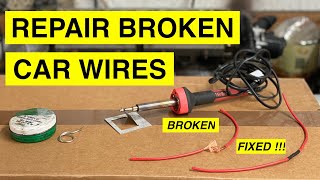
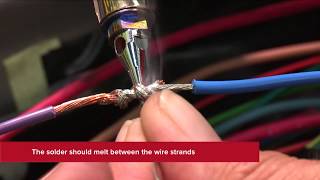
- If it's a wiring issue, will you be using butt connectors or soldering the repair for a more permanent fix?
- What is the warranty on the parts and labor for this repair?
Where to Take It: Dealer vs Independent vs Chain
- Dealer:
Recommended only if the fault is confirmed to be a complex, manufacturer-specific issue like airbags or immobilizers, or if the vehicle is under warranty.
Best for: Vehicles under warranty., Cases where B1403 indicates a complex airbag or immobilizer fault., When a Body Control Module (BCM) needs replacement and programming.
Downsides: Significantly higher labor rates and parts costs., May recommend replacing an entire assembly (e.g., motor and regulator) when only one component has failed. (Typical cost: +50% vs. baseline) - Independent Shop:
Best fit for the generic power window fault. A good independent auto electric shop has the expertise to diagnose and repair this common issue efficiently and cost-effectively.
Best for: Out-of-warranty vehicles with the common window switch, motor, or wiring fault., Cost-conscious owners seeking a reliable repair.
Downsides: Quality varies, so it's important to choose a shop with good reviews and ASE-certified technicians specializing in electrical diagnostics. (Typical cost: +0% vs. baseline) - Chain Shop:
Acceptable for a simple switch replacement, but use caution for diagnostics. An incorrect diagnosis leads to replacing unnecessary parts.
Best for: Simple, straightforward parts replacement like a master window switch if you have already diagnosed the problem yourself.
Downsides: Lacks the advanced diagnostic capabilities for intermittent electrical faults or wiring issues., Technician experience is inconsistent. (Typical cost: -10% vs. baseline)
When to Walk Away From the Repair
If the estimated repair cost for the B1403 fault, combined with any other needed repairs, exceeds 50% of the car's private-party value, sell or trade it in.
- Car worth $3000, fix is $1600: Walk away. The repair cost is over half the car's value. It's not a sound investment.
- Car worth $10000, fix is $450: Fix it. The repair cost is a small fraction of the vehicle's value.
- Car worth $5000, fix is $2200: Borderline. Get a second opinion on the repair cost and assess the car's overall health before proceeding.
What Scan Tool You Need for This Code
Minimum: A scanner that reads Body Control Module (BCM) codes. Basic engine code readers will not see 'B' codes.
A standard $20 engine code reader shows 'No Codes' because it cannot communicate with the Body Control Module where B1403 is stored. You need a tool that accesses body, chassis, and network codes.
Budget: BlueDriver Pro (~$100) — Connects to a smartphone app and reads and clears BCM codes, providing the specific B1403 fault. It offers live data for some BCM parameters to confirm if the switch signal is being received.
Mid-range: THINKCAR Thinkscan Plus S4 (~$170) — A handheld tablet scanner that reads and clears codes from the BCM, ECM, ABS, SRS, and Transmission. It provides live data streaming for body control modules, essential for watching the switch status in real-time.
Professional: Autel MaxiCOM MK906BT (~$900-1200) — Offers full bidirectional control, allowing you to command the window motor to move up or down directly from the scan tool. This isolates the motor from the switch and wiring. It performs advanced BCM diagnostics and programming.
Rent vs buy: Most auto parts stores' free rental scanners are basic engine code readers and will NOT work for a B1403 code. If you plan on doing your own diagnostics beyond simple check engine lights, buying a scanner with BCM capabilities is a worthwhile investment.
How to Clear the Code After You Fix It
- Use an OBD-II scan tool to clear the code from the Body Control Module.
- Perform the window initialization (re-learn) procedure.
- Operate the window fully up and down at least five times to confirm the repair is successful.
Drive cycle: A specific drive cycle is not required for this body code. After clearing the code, confirmation is achieved by successfully operating the repaired component without the code returning.
Watch out for:
- Forgetting to perform the window initialization procedure after the repair, leaving the 'auto-up/down' feature non-functional and causing the code to return.
- Clearing the code without fixing the underlying electrical fault, resulting in the code returning immediately upon the next switch activation.
Will This Fail Emissions / State Inspection?
No — by itself this code doesn't fail OBD inspection (but it can keep readiness monitors from setting, which causes a separate fail).
- California: A generic B1403 for a window fault will NOT fail the smog check. An airbag light is also not part of the emissions inspection, so it will pass.
- New York: A generic window fault passes. However, an illuminated airbag warning light (from a manufacturer-specific B1403) fails the annual state safety inspection.
- Texas: The annual safety inspection requires the airbag warning light to function correctly. If the light stays on due to a B1403 fault, the vehicle fails the inspection.
Most Commonly Affected Vehicles
- Chevrolet/GMC Silverado, Sierra, Tahoe, Yukon (2007-2014) — Extremely common for the master window switch to fail. Repair costs for a window switch replacement average $170-$220.
- Dodge/Ram Ram 1500/2500/3500 (2009-2018) — Frequently suffer from faulty master window switches and broken wires in the door jamb. For many Dodge vehicles, B1403 indicates an open circuit in the driver's door speaker, not a window fault.
- Ford F-150, Explorer (2004-2014) — High failure rates for the window motor and regulator assembly. A window motor and regulator replacement costs between $231 and $606 depending on the year.
- Honda Accord, Civic, CR-V (1994-2007) — The master switch is a very common failure point, often due to liquid damage or simple wear and tear.
- Nissan Titan, Armada, Frontier (2004-2015) — These trucks and SUVs often experience failures of the driver's master window switch.
- Subaru Legacy, Outback, Impreza, Forester (2010-2023) — Frequently used for immobilizer faults. It indicates a communication failure with the ECM or an immobilizer key mismatch, preventing the engine from starting.
- Toyota Camry, Corolla, RAV4 (1997-2011) — Prone to failures of both the power window motor and the master switch.
- Volkswagen Jetta, Golf, Passat (2006-2018) — The master window switch is a known weak point. These models are highly sensitive to power loss and require window initialization after a battery replacement.
Manufacturer-Specific Notes
- Mitsubishi: B1403 means 'Driver's Air Bag Squib Drive Circuit Short-Circuited'. This is a critical safety system fault related to the airbag module. Diagnosis requires a professional and involves the clock spring or SRS-ECU.
- Hyundai / Kia: B1403 indicates a 'Passenger Front Side Impact Sensor (FSIS) Circuit Fault'. This is a fault in the airbag system, not the window, and illuminates the airbag warning light.
- Dodge / Chrysler / Jeep: B1403 means 'Front Left Audio Speaker Output Circuit Open'. This points to a problem with the stereo system wiring to the driver's door speaker.
- Subaru: B1403 means 'E/G Request NG', indicating a communication failure between the Body Integrated Unit and the ECM, or an immobilizer key mismatch that prevents the engine from starting.
- General Motors (Chevrolet/GMC): GM issued a special coverage campaign (N192273550) for 2014-2015 Silverado and Sierra trucks for inoperative power window switches due to water intrusion. Owners should check with a dealer for VIN coverage.
Real Owner Stories
Nissan Leaf - Window Switch Failure with Parasitic Drain
The driver's window suddenly stopped working. A couple of weeks later, after not driving the car for 5 days, the 12V battery was completely dead.
Outcome: The failed internal logic of the switch caused a constant current draw from the 'always on' power supply used for auto-up/down memory. Replacing the master switch assembly ($40 aftermarket) resolved both the inoperative window and the parasitic battery drain.
Lesson: A failed window switch creates a parasitic draw that kills your battery. If your window stops working, and you later experience a dead battery, the switch itself is a prime suspect for both issues.
Mitsubishi Outlander - B1403 as a Critical Airbag Fault
Owner's airbag warning light came on. A scan revealed code B1403. The power windows were working perfectly.
Outcome: Diagnosis determined the fault was in the clock spring, a common failure point for this code on Mitsubishis. Replacing the clock spring and clearing the SRS module fixed the issue and restored airbag functionality.
Lesson: NEVER assume B1403 is a window fault. On Mitsubishi, Hyundai, and Kia, it indicates a serious airbag system problem requiring immediate professional diagnosis. An airbag light is the key symptom to watch for.
Subaru Impreza - B1403 as an Immobilizer No-Start
Car would not start, and the immobilizer security light was flashing on the dash. A scan tool showed code B1403.
Outcome: For this Subaru, B1403 meant 'E/G Request NG', indicating a communication failure between the Body Integrated Unit (BIU) and the ECM. The dealer replaced the BIU and programmed it to the existing keys and ECM to restore function.
Lesson: On Subarus, B1403 is a complex immobilizer issue preventing the car from starting. If you have this code and a no-start condition, the problem is in the security system, not the window.
How to Prevent This Code From Triggering
- Clean and Lubricate Window Tracks and Seals (Every 6-12 months) — Dirt and grime in window tracks increase friction, forcing the motor to work harder and leading to premature burnout. Cleaning the tracks with a brush and applying a silicone-based spray lubricant reduces this strain.
- Protect the Master Switch from Liquids (Daily habit) — Spilling coffee, soda, or rain into the master switch assembly is a primary cause of failure. The liquid corrodes the internal circuit board and contacts.
- Apply Dielectric Grease to Connectors (During any door-related repair) — When the door panel is off, apply a small amount of non-conductive dielectric grease to the electrical connectors for the switch and motor. This seals out moisture and oxygen, preventing corrosion.
- Exercise All Windows Regularly (Once per week) — Windows that are rarely used seize up. The motor brushes develop dead spots and the regulator guides get stiff. Operating each window fully up and down weekly keeps moving parts lubricated.
- Avoid Forcing a Frozen Window (During winter) — If a window is frozen shut with ice, attempting to power it down puts immense stress on the motor and easily breaks plastic regulator components or burns out the motor.
Frequently Asked Questions
Is it the switch or the motor?
The switch is the most common failure point. Listen for a 'click' inside the door when operating the switch. A click means the switch works and the motor/regulator is bad; no click points to a bad switch or wiring.
What is the most common misdiagnosis for a B1403 code?
Assuming B1403 always refers to the power window is the biggest mistake. On Mitsubishi, Hyundai, Kia, Dodge, and Subaru, this code points to airbags, audio, or the engine immobilizer. Always verify the code's definition for your specific vehicle.
My window stopped working after I changed the battery. What should I do?
Most modern cars require power windows to be 're-initialized' after power loss. Roll the window all the way down and hold the button for 5 seconds, then roll it all the way up and hold for 5 seconds. Check your owner's manual for exact steps to restore full function.
Can I fix a B1403 code myself?
Replacing the master window switch is a beginner-friendly DIY repair requiring only a trim removal tool. Repairing a broken door jamb wire is an intermediate job requiring basic electrical skills. Replacing the window motor and regulator is advanced and often best left to a professional.
My window is stuck down. How can I get it closed temporarily?
Have a helper pull the 'up' switch while you press firmly upwards on the glass with both hands. If this fails, you must remove the door panel, disconnect the glass from the regulator, and manually prop it closed with a block of wood. Secure it with strong tape until repaired.
Why do all my other windows work from the master switch, but the driver's window doesn't?
This isolates the problem to the driver's door specific circuit. The fault is not the main power or ground to the switch assembly. The culprits are the driver's window motor, the specific driver's switch contacts, or the wiring between them.
The code came back after I replaced the switch. What's next?
If a new switch didn't solve it, inspect the flexible rubber boot between the door and the car body for broken wires. If wiring is intact, the fault is almost certainly a dead window motor or a mechanical jam in the regulator.
Key Takeaways
- Code B1403 means a window circuit failure on most cars, but on Mitsubishi, Hyundai, and Kia, it indicates a critical airbag system fault that makes the vehicle unsafe to drive.
- The driver's master power window switch is the number one cause of a generic B1403 code, requiring a $100 to $375 replacement.
- Perform a 2-minute 'click test' by listening for a sound inside the door panel when pressing the switch to instantly differentiate between a bad switch (no click) and a bad motor (click heard).
- Inspect the rubber door jamb boot for broken wires, as repeated flexing over thousands of door cycles is the second most common cause of this failure.
- Always attempt a 10-second window re-initialization procedure (holding the switch down for 5 seconds, then up for 5 seconds) after a battery disconnect before buying replacement parts.
Helpful Videos


The information in this article is provided for general reference and educational purposes only. Vehicle specifications, procedures, and part compatibility can vary by production date, trim level, and region. Always consult your vehicle's factory service manual and verify part numbers before purchasing or performing repairs. Safety-critical components such as airbags, seat belts, and braking systems should be installed by a qualified professional.
- 🎬 Helpful Videos
- What Does B1403 Mean?
- Can I Drive With B1403?
- Common Causes
- Symptoms
- Diagnostic Flowchart
- Common Fixes & Costs
- Used vs. New Parts: Buying Guide
- What Happens If You Wait — Timeline
- Cost of Not Fixing It
- Diagnosis Steps
- When This Code Triggers (Freeze-Frame Conditions)
- Related Codes
- Climate & Environmental Factors
- How to Talk to a Mechanic About This Code
- Where to Take It: Dealer vs Independent vs Chain
- When to Walk Away From the Repair
- What Scan Tool You Need for This Code
- How to Clear the Code After You Fix It
- Will This Fail Emissions / State Inspection?
- Most Commonly Affected Vehicles
- Manufacturer-Specific Notes
- Real Owner Stories
- Nissan Leaf - Window Switch Failure with Parasitic Drain
- Mitsubishi Outlander - B1403 as a Critical Airbag Fault
- Subaru Impreza - B1403 as an Immobilizer No-Start
- How to Prevent This Code From Triggering
- Frequently Asked Questions
- Is it the switch or the motor?
- What is the most common misdiagnosis for a B1403 code?
- My window stopped working after I changed the battery. What should I do?
- Can I fix a B1403 code myself?
- My window is stuck down. How can I get it closed temporarily?
- Why do all my other windows work from the master switch, but the driver's window doesn't?
- The code came back after I replaced the switch. What's next?
- Key Takeaways
- 🎟️ Get 5% Off