

B1325 on 2011-2015 Chevrolet Cruze: System Voltage Below Threshold Causes and Fixes
Code B1325 on a 2011-2015 Chevy Cruze almost always points to a problem with the vehicle's electrical system, not a specific part failure. The most common causes are a weak battery, a failing alternator, or, most notoriously on this platform, a faulty negative battery cable with a bad internal crimp. Checking these basic power supply components, especially the negative cable, will usually solve the problem.
- B1325 is a power supply code, not a specific component failure code. Do not replace expensive modules until you have ruled out the basics.
- Always start your diagnosis by testing the battery and checking all major power and ground connections for tightness and corrosion.
- The negative battery cable is a known problem area on the 2011-2015 Cruze and should be inspected carefully.
- Symptoms like the radio resetting are directly mentioned in a GM service bulletin for this code, confirming it's a known issue. [⭐ MANUFACTURER TSB — highest authority]
What's Unique About the 2011-2015 Chevrolet CRUZE

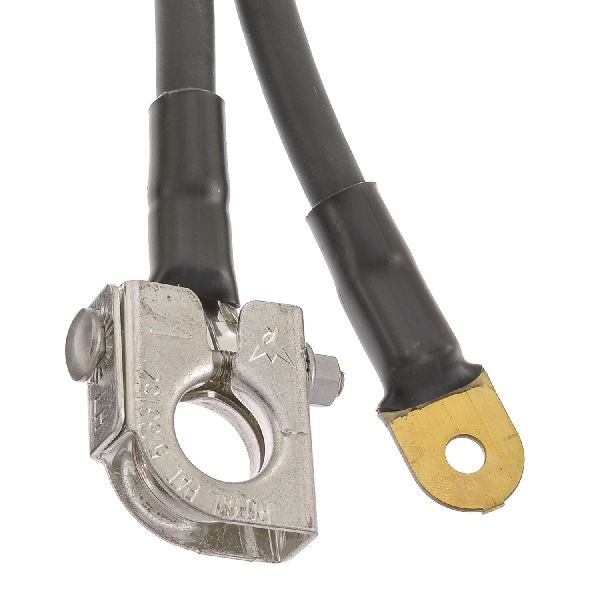
The first-generation Chevrolet Cruze is known for having sensitive electronics and a well-documented electrical system weakness. GM issued Special Coverage Adjustment #14311B for an insufficient crimp on the negative battery cable terminal. This defect causes high internal resistance and significant voltage drops that can trigger a B1325 code and a cascade of other electrical issues, even if the battery and alternator are perfectly healthy. This makes inspecting and likely replacing the negative battery cable a critical first step on this specific vehicle before suspecting more expensive components. The replacement cable is a revised design and requires a separate M6x1.0 bolt for a secondary ground wire.
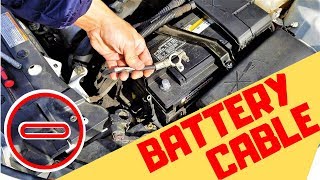
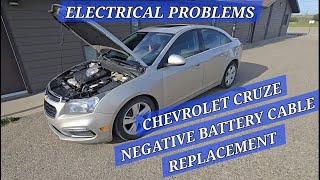
🎬 Watch: Step-by-step walkthrough for replacing the negative battery cable.Diagnostic Flowchart

Tap your situation to follow the diagnostic path that matches what you're seeing on this vehicle.
Symptoms You May Notice

- Radio turning on and off intermittently or resetting. [⭐ MANUFACTURER TSB — highest authority, 52]
- Malfunction Indicator Lamp (MIL) or other warning lights on the dashboard. [⭐ MANUFACTURER TSB — highest authority]
- "Service StabiliTrak" message displayed.
- Flickering interior or exterior lights.
- Vehicle is hard to start, cranks slowly, or won't start.
- Intermittent failure of electrical components like power windows or door locks.
- Scan tool has trouble communicating with some modules.
- Key may get stuck in the ignition.
- "Battery Saver Active" message may appear.
- Replacing the radio because it turns on and off, when the issue is actually an unstable power supply caused by the negative battery cable.
- Replacing the Body Control Module (BCM) without first testing the battery, alternator, and performing a voltage drop test on the negative battery cable.
- Replacing the battery and alternator when the root cause is the high-resistance negative battery cable, leading to the problem returning.
Most Likely Causes

- Loose or Corroded Battery Terminals/Cables 🔴 High Probability This is a very common issue on the Cruze, specifically addressed by GM's Special Coverage #14311B. The negative battery cable has a known defect with an insufficient factory crimp, which creates high internal resistance over time, starving modules of power. This is the single most likely cause for B1325 on this car.
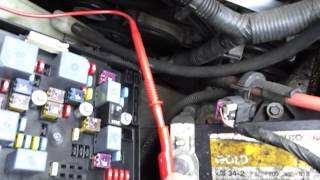
How to confirm: Visually inspect the battery terminals for corrosion. Physically try to twist the terminals; they should not move. A voltage drop test across the negative cable is the definitive test to confirm high internal resistance, even if it looks visually okay. 🎬 See how to perform a professional voltage drop test.
Typical fix: Replace the negative battery cable with the revised OEM part. This is a common DIY fix detailed in many online forums and videos. 🎬 Watch: This quick video shows how easy the replacement is. The new cable design requires a new M6x1.0 bolt (GM P/N 11561025) to attach the small regulated voltage control wire.
Est. part cost: $25-$80 - Weak or Failing Battery 🔴 High Probability Batteries have a finite lifespan. A battery that can no longer hold a charge above 12.4V or deliver sufficient cranking amps will cause system voltage to drop during startup, triggering the code.
How to confirm: Test the battery voltage with a multimeter with the engine off; it should be ~12.6V. Most auto parts stores can perform a load test, which is essential as a battery can show good voltage but fail under load.
Typical fix: Replace the battery.
Est. part cost: $150-$250 - Failing Alternator 🟡 Medium Probability The alternator recharges the battery and powers the car's electronics when the engine is running. If it fails, the vehicle runs solely off battery power until the voltage drops too low.
How to confirm: With the engine running, test the voltage at the battery terminals with a multimeter. A healthy alternator should produce between 13.7 and 14.7 volts. A reading near battery voltage (12.6V or less) indicates a failed alternator.
Typical fix: Replace the alternator.
Est. part cost: $200-$450 - Poor Ground Connections 🟡 Medium Probability Beyond the main battery cable, other chassis and engine ground straps can corrode or loosen over time, creating intermittent voltage drops to various modules.
How to confirm: Inspect the main ground straps from the engine to the chassis and from the battery to the chassis. Ensure they are clean, tight, and free of corrosion or damage.
Typical fix: Clean the connection points with a wire brush or replace the faulty ground straps.
Est. part cost: $15-$50
Rare But Worth Checking
- Faulty Body Control Module (BCM): While rare, the BCM itself can fail. This should only be considered after all power and ground circuits, especially the negative battery cable, have been thoroughly tested and confirmed to be in good working order.
- Parasitic Battery Drain: A module or component that fails to 'sleep' when the car is off can slowly drain the battery, causing a low voltage condition on the next startup. This can be tedious to diagnose, involving pulling fuses one by one while monitoring current draw with a multimeter.
Diagnosis Steps
- Scan for all stored trouble codes. Note any other codes that appear with B1325, especially C0800 or B1517, as they point to a systemic voltage issue. [⭐ MANUFACTURER TSB — highest authority, 34]
- Visually inspect the battery terminals, positive and negative cables, and chassis ground points for looseness, damage, or corrosion. Pay extremely close attention to the negative battery cable terminal crimp.
- With the engine off, use a multimeter to measure the battery's static voltage. A healthy battery should read approximately 12.6 volts.
- Perform a battery load test. This is critical, as a battery can show good static voltage but fail under load. Most auto parts stores do this for free.
- Start the engine and measure the voltage at the battery again. The reading should be between 13.7 and 14.7 volts, which indicates the alternator is charging correctly.
- If voltage tests are inconclusive, perform a voltage drop test on the negative battery cable. With the engine running, place one multimeter probe on the negative battery post and the other on a clean chassis ground. A reading of more than 0.2 volts (200mV) indicates excessive resistance in the cable, confirming it's faulty.
- Inspect the main fuse block connections for any signs of corrosion or looseness. On some GM vehicles, loose connections here can cause similar issues.
- If all power and ground circuits test good, the issue may lie with a specific control module or a parasitic drain. This step may require a professional scan tool for further diagnosis.
Parts You'll Likely Need

- Negative Battery Cable
(OEM #22754271)— The negative cable is a known weak point on the Cruze due to a faulty factory crimp and is the most common fix for B1325. This OEM part number supersedes previous versions like 95281536, 95460238, and 95995010.
Trusted brands: ACDelco (GM Genuine 22754271), Standard Motor Products (A16-4RDN)
OEM price range: $25-$50
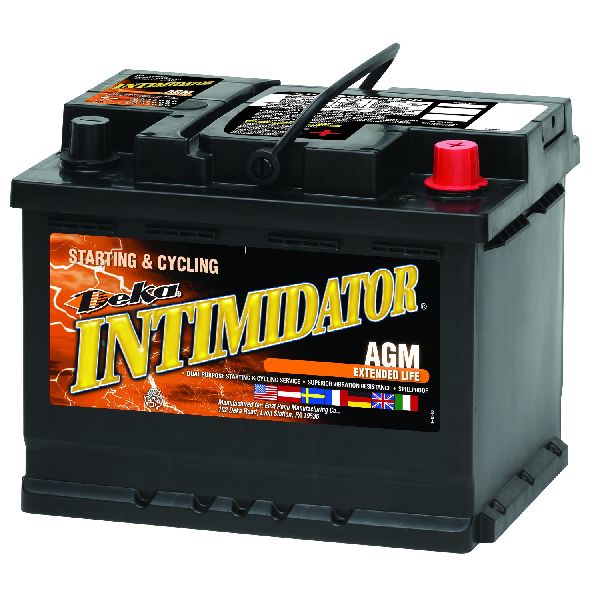
Aftermarket price range: $18-$30 - Battery — A weak battery is a frequent cause of low system voltage codes.
Trusted brands: ACDelco, DieHard, Interstate
OEM price range: $200-$280
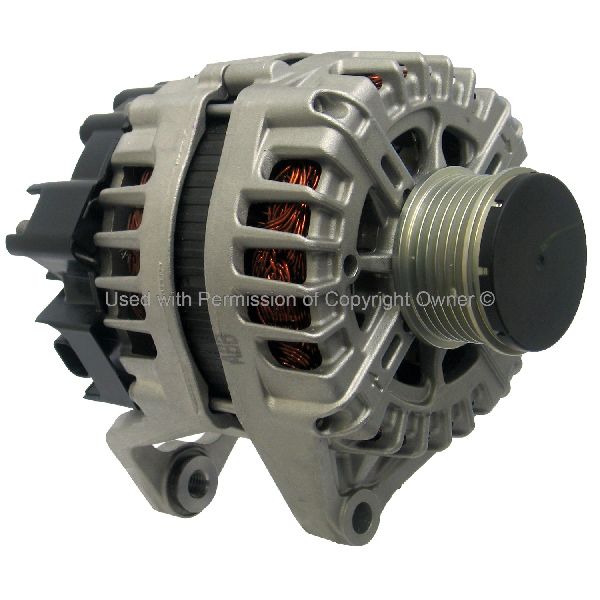
Aftermarket price range: $150-$250 - Alternator — If the charging system test fails, the alternator is the likely culprit.
Trusted brands: ACDelco, Bosch, Denso
OEM price range: $350-$500
Aftermarket price range: $200-$450 - M6x1.0 Flange Bolt
(OEM #11561025)— Required to install the revised negative battery cable, as the original stud was eliminated. It secures the secondary ground wire to the new terminal.
Trusted brands: GM
OEM price range: $3-$5
Aftermarket price range: <$1
Related Codes That Often Appear With This One
- C0800 — This code often means 'Device Power #1 Circuit Malfunction' and is frequently set alongside B1325, as noted in GM Technical Service Bulletin #PI1398A. It is triggered by the same low voltage condition. [⭐ MANUFACTURER TSB — highest authority, 21]
- B1517 — This code relates to 'Battery Voltage Out of Range' and directly supports the B1325 diagnosis of a system voltage problem, as cited in TSB #PI1398A. [⭐ MANUFACTURER TSB — highest authority, 21]
Technical Service Bulletins (TSBs) & Recalls
- PI1398A: Addresses customer concern of radio turning on and off, MIL illumination, and DTCs C0800, B1325, and/or B1517, pointing to a voltage issue. [⭐ MANUFACTURER TSB — highest authority, 2]
- 14311B (Special Coverage): Details the insufficient crimp on the negative battery cable terminal, the resulting increase in internal resistance, and the free replacement program (now expired for most).
- PI1398: An earlier version of the bulletin with the same information. [⭐ MANUFACTURER TSB — highest authority]
Platform-Specific Known Issues
- GM issued Technical Service Bulletin #PI1398A specifically for a concern of the 'radio turning on and off with possible intermittent Malfunction Indicator Lamp (MIL) lights, and DTC C0800, B1325 and/or B1517 set.' This bulletin directly links the code to common electrical symptoms on the Cruze. [⭐ MANUFACTURER TSB — highest authority, 2]
- GM also issued Special Coverage Adjustment #14311B, extending the warranty on the negative battery cable to 10 years/120,000 miles due to an insufficient crimp from the factory causing high internal resistance. While most vehicles are now outside this coverage period, it serves as an official acknowledgment of the root cause.
Mechanic-Grade Diagnostic Values
- System Voltage (DTC Trigger) — expected: 12.6V to 15.0V. Failure: A voltage reading below 9V for 5 seconds will set code B1325 03. A voltage reading above 18V for 5 seconds will set B1325 07.
- Negative Cable Voltage Drop (Engine Running) — expected: Less than 0.2 Volts (200mV). Failure: A reading greater than 0.2V between the negative battery post and a clean chassis ground indicates excessive resistance in the cable.
- Cranking Voltage (Live Data) — expected: Should stay above 9.6V. Failure: A diagnostic video showed cranking voltage dropping as low as 8.1V - 8.6V, which correctly triggered the low voltage code.
Hidden / Shadow Codes Worth Checking
- B1325 03: Device Power Circuit Voltage Below Threshold. This is the most common variant for this issue. (see via A professional scan tool capable of reading GM-specific symptom bytes, such as a GM GDS2/Tech2 or equivalent high-end scanner.)
- B1325 07: Device Power Circuit Voltage Above Threshold. This indicates an overcharging condition, likely from a faulty alternator voltage regulator. (see via A professional scan tool capable of reading GM-specific symptom bytes.)
Scan Tool Commands That Help
- GDS2 / Tech2: BCM Data Display — Diagnosis of B1325 relies on monitoring live data, not bidirectional commands. Use the data display to monitor 'System Voltage' or 'BCM Voltage' as seen by the module during key-on, cranking, and engine-running states to confirm the low voltage condition.
Wiring & Ground Locations
- G103 — On the cowl panel in the left rear of the engine compartment, typically above the brake booster.. This is a critical ground point that serves the Body Control Module (BCM), Instrument Panel Cluster (IPC), and Radio. A poor connection here can directly cause low voltage symptoms and B1325.
- G305 — At the base of the left 'A' pillar, accessible by removing the driver's side kick panel.. This is another interior ground point. Issues with interior grounds can cause intermittent problems with modules located inside the cabin, like the BCM.
- BCM Connector X1 — At the Body Control Module, located behind the passenger side of the center console.. Allows for direct testing. Pin 1 (Black wire) is a main ground. Pins 2, 3, and 4 (Red variants) are main battery voltage inputs. Voltage drop tests can be performed directly at these pins to confirm if the BCM itself is receiving proper power and ground.
- BCM Connector X2 — At the Body Control Module.. Provides additional power and ground paths to the BCM. Pin 2 (Black wire) is a ground, while Pins 1, 3, and 4 (Red variants) are battery voltage inputs. These should also be tested to ensure BCM integrity.
Real Owner Repair Stories
- YouTube channel 'Spot On Works' (2015 Chevrolet Cruze Diesel) — Multiple electrical issues including 'Service Traction System', 'Service Stabilitrac', and infotainment system malfunctions.
✅ What actually fixed it The owner replaced the faulty original negative battery cable with a new OEM cable. The video shows the step-by-step replacement, which resolved the electrical problems.
When the Usual Fixes Don't Work
- While the negative battery cable is the most common culprit for B1325 on the 2011-2015 Cruze, it is not the only cause. There are documented cases where owners replaced the cable but the issue persisted. In some of these instances, the root cause was found to be a less obvious poor ground connection elsewhere on the chassis or engine, or corrosion within the main underhood fuse block. This underscores the importance of performing a full voltage drop test on all major power and ground circuits if replacing the negative battery cable does not resolve the code.
OEM Part Supersession History
95995010, 95460238, 95281536→22754271— The original negative battery cable design had an insufficient crimp, as identified in GM Special Coverage #14311B. The new part is a revised design to correct this fault.
Heads up: The revised cable (22754271) eliminates the original ground stud for the small regulated voltage wire and requires a separate M6x1.0 bolt (P/N 11561025) for installation.
Model Year Variations Within This Range
- 2011-2015: No significant variations related to this specific B1325 fault have been identified within this model year range. The faulty negative battery cable design was present across the entire first generation, which is why GM Special Coverage #14311B covers all years from 2011 to 2015.
Helpful Videos

Used OEM Parts in Stock




New Aftermarket Parts Available


The information in this article is provided for general reference and educational purposes only. Vehicle specifications, procedures, and part compatibility can vary by production date, trim level, and region. Always consult your vehicle's factory service manual and verify part numbers before purchasing or performing repairs. Safety-critical components such as airbags, seat belts, and braking systems should be installed by a qualified professional.
- Chevrolet CRUZE:
- 🎬 Helpful Videos
- 🛍️ Shop This Part
- What's Unique About the 2011-2015 Chevrolet CRUZE
- Diagnostic Flowchart
- Symptoms You May Notice
- Most Likely Causes
- Rare But Worth Checking
- Diagnosis Steps
- Parts You'll Likely Need
- Related Codes That Often Appear With This One
- Technical Service Bulletins (TSBs) & Recalls
- Platform-Specific Known Issues
- Mechanic-Grade Diagnostic Values
- Hidden / Shadow Codes Worth Checking
- Scan Tool Commands That Help
- Wiring & Ground Locations
- Real Owner Repair Stories
- When the Usual Fixes Don't Work
- OEM Part Supersession History
- Model Year Variations Within This Range
- 🎟️ Get 5% Off