

OBD-II Code B1319: A Comprehensive Guide for Mechanics and DIYers
What B1319 Means, Why It Triggers, and How to Fix It on Any Make
- Verify your vehicle's specific B1319 definition before buying parts; on a 2011-2016 Hyundai or Kia, it indicates a disabled passenger airbag, while on a 2004-2014 Ford F-150, it means a door is ajar.
- For Ford, Lincoln, and Mercury vehicles, inspect the flexible rubber boot in the driver's door jamb first, as broken wires here cause over 80% of B1319 door ajar faults.
- Do not ignore a B1319 'Door Ajar' fault, as the resulting parasitic draw from interior lights will drain a healthy 50Ah car battery in 8 to 12 hours.
- Fixing a Hyundai or Kia B1319 OCS fault requires a dealer-level scan tool to perform a mandatory 'Zero Point Calibration' after replacing the $400-$1200 seat sensor mat.
What Does B1319 Mean?

Code B1319 is a non-standard Body (B-series) code with drastically different meanings depending on the manufacturer. For Ford, Lincoln, Mercury, and some GM vehicles, it signifies a 'Driver Door Ajar Circuit Failure,' meaning the Body Control Module (BCM) sees the driver's door as open when closed. On many Hyundai and Kia models, B1319 is an airbag system code for 'Require Weight Check,' indicating a failed Occupant Classification System (OCS) sensor in the passenger seat. For Chevrolet and Suzuki, it points to unrelated systems like the climate control sunload sensor or an engine oil solenoid.
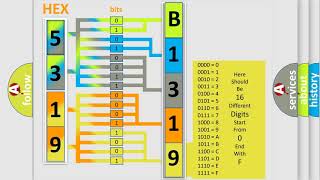
Technical definition: The most common SAE J2012 definition for B1319 is "Driver Door Ajar Circuit Failure," indicating a malfunction within the electrical circuit monitoring the driver's door status. Alternate official definitions include "Require Weight Check" (Hyundai/Kia), "Sunload Sensor Circuit Short" (Chevrolet), and "Cylinder 3 Oil Supply Solenoid Valve Driver Short To Battery" (Suzuki). Suffix numbers (e.g., B1319-11 or B1319-15) specify the exact fault type, such as a short to ground or an open circuit.
Can I Drive With B1319?
Yes, But With Caution. Yes, but fix it immediately. If the code relates to a 'Door Ajar' fault, the interior lights stay on, draining a healthy battery in 8-12 hours. This parasitic draw leaves you stranded and shortens battery life. If the code relates to an airbag system (common on Hyundai, Kia, and Chrysler), the passenger airbag is disabled, significantly increasing injury risk in a collision.
Common Causes

- Broken Wires in Door Jamb (Very Common) — Wires in the flexible rubber boot between the driver's door and the body fatigue and break from constant flexing. This causes an open circuit and is the primary cause for the 'Door Ajar' variant, especially on 2004-2014 Ford F-150s.
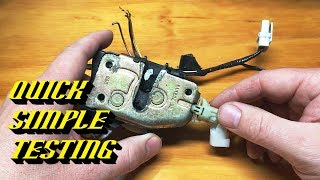
- Defective Door Latch/Ajar Switch (Common) — The sensor detecting the door's position is integrated into the door latch assembly. 🎬 Watch: How to test and replace the door ajar switch. The internal switch fails mechanically, gets stuck from dirt, or develops high internal resistance.
- Faulty Occupant Classification System (OCS) Sensor (Common) — For the Hyundai/Kia definition, the OCS sensor mat (a gel-filled bladder or capacitive sensor) fails or its wiring breaks. This prevents the system from determining passenger weight and disables the airbag.
- Faulty Driver Door Module (DDM) (Common) — On Ford, Lincoln, and Mercury vehicles, the DDM controls door electronics. Internal solder joints crack from vibration, disrupting communication and triggering B1319.
- Faulty Sunload Sensor (Less Common) — On specific Chevrolet and GMC models, a short in the dashboard sunload sensor triggers this code, causing the automatic climate control to blow incorrect air temperatures.
- Door Misalignment (Less Common) — Worn door hinges cause the door to sag, preventing the latch from fully engaging the striker and depressing the ajar switch plunger.
- Corroded Electrical Connectors (Less Common) — Connectors at the A-pillar, DDM, or BCM develop loose pins or corrode from water leaks, causing intermittent signal loss.
- Internal BCM Failure (Rare) — The Body Control Module is the central computer for these functions. It rarely fails and should only be considered after ruling out wiring, switches, and door modules.
Symptoms

- Airbag Warning Light is On — For Hyundai, Kia, and Chrysler vehicles, B1319 points directly to a fault in the Occupant Classification System or door status monitor, disabling the passenger airbag.
- "Door Ajar" Warning on Dash — A persistent warning light or message indicates the driver's door is open when it is securely shut.
- Interior Lights Stay On — The dome and courtesy lights remain illuminated, creating a parasitic draw that drains the battery in 8-12 hours.
- Driver's Door Controls Don't Work — If the Driver Door Module fails or the main harness severs, windows, locks, and mirrors cease to operate.
- Automatic Climate Control Behaves Erratically — On Chevrolet/GMC models, a faulty sunload sensor causes the auto A/C to blow air at incorrect temperatures.
- Alarm Fails to Arm or Sounds Randomly — The security system relies on door ajar switches. A faulty switch prevents the alarm from arming or triggers it unexpectedly.
Diagnostic Flowchart
Tap your situation to follow the diagnostic path that matches what you're seeing on this code.
Common Fixes & Costs
- Repairing Broken Wires in Door Jamb — Parts: $5-$25, Labor: $125-$200, ~1.5 hr book time (Intermediate)
- Replacing the Door Latch Assembly
— Parts: $150-$300, Labor: $150-$250, ~1.8 hr book time
(Intermediate)
2011 Ford F-150 (Driver Front): OEM JL3Z-1521813-D (Alt: Dorman 940-102, TRQ DLA1188) - Recalibrating the Occupant Classification System (OCS) — Parts: $0, Labor: $120-$250, ~1 hr book time (Professional)
- Replacing the OCS Sensor Mat
— Parts: $400-$1200, Labor: $200-$400, ~2.5 hr book time
(Professional)
2013 Hyundai Elantra: OEM 88950-3X500 (Module) (Alt: N/A (OEM Recommended))
2016 Kia Sedona: OEM 88952-A9500 (Module), 95930-C1000 (Impact Sensor) (Alt: N/A (OEM Recommended)) - Replacing the Driver Door Module (DDM)
— Parts: $80-$400, Labor: $75-$150, ~1 hr book time
(DIY)
2011 Ford F-150: OEM N/A (Often part of window motor or switch assembly) (Alt: Cardone 73-3001M)
Used vs. New Parts: Buying Guide
When a used part is worth it: For electronic modules like a Driver Door Module (DDM), a used part from a low-mileage vehicle is cost-effective if the part number matches exactly. For mechanical parts like a door latch assembly, a used part is a gamble but saves money on older vehicles.
Donor-vehicle mileage cap: roughly under 75000 miles for the part to have meaningful remaining life.
Donor quality checklist:
- Verify the donor vehicle's history to avoid flood-damaged parts.
- Match part numbers precisely; modules for different trim levels are incompatible.
- Never buy used OCS/SRS components due to unknown history and severe safety liability.
Decision logic:
- If The part is a safety-critical SRS component (OCS Sensor, Airbag Module) → Always buy new OEM. The safety risk of a used part is unacceptable.
- If The part is a DDM or other electronic module for a vehicle >10 years old → A tested, used part from a reputable recycler is a reasonable choice, but requires programming.
- If The part is a mechanical wear item like a door latch → New aftermarket is preferred for longevity, but a used part is acceptable for a budget repair.
Warranty tradeoff: Used parts typically have a 30-90 day warranty. New aftermarket parts carry a 1-year to limited lifetime warranty. New OEM parts have a 1-2 year warranty.
Worst-case if a used part fails: $200-$500 if a used electronic module or latch fails after the warranty period, requiring repeat labor costs.
What Happens If You Wait — Timeline
- Immediate: For Hyundai/Kia/Chrysler: The airbag warning light illuminates, and the passenger airbag system is immediately disabled. The primary safety risk is present instantly. (MPG impact: 0%% · Added cost: $0 (but incalculable safety risk))
- 1-7 days: For 'Door Ajar' fault: The 'Door Ajar' light and interior dome lights stay on. A healthy battery drains to a no-start condition in 24-72 hours. (MPG impact: 0%% · Added cost: $50-$200 for a jump start service or battery recharge.)
- 1-4 weeks: For 'Door Ajar' fault: Repeatedly deep-cycling the battery causes permanent damage to the lead plates, reducing its capacity and lifespan. (MPG impact: 0%% · Added cost: $150-$350 for a replacement battery and installation.)
- 1-6+ months: For 'Door Ajar' fault: Ignoring a failing latch leads to complete mechanical failure. The door fails to lock or fails to stay latched, potentially opening while driving. (MPG impact: 0%% · Added cost: $500+ for latch replacement and potential body damage repair.)
Cost of Not Fixing It
- Immediate (1-3 days): For 'Door Ajar' faults, a parasitic drain from interior lights kills the battery, leaving you stranded. (Added cost: $150-$350 for a new battery and installation if damaged by deep discharge.)
- Immediate (First drive): For Hyundai/Kia/Chrysler faults, the passenger airbag system is disabled and fails to deploy in a collision. (Added cost: Incalculable. The cost is a significantly increased risk of serious injury or death.)
- Long-term: Ignoring a 'Door Ajar' light leads to loss of door functions, security system issues, or the door physically flying open if the latch fails. (Added cost: Varies from inconvenience to the cost of repairing collision damage.)
Diagnosis Steps

- Verify the Code's Meaning for YOUR Vehicle
Use a professional scan tool to confirm what B1319 means for your specific year, make, and model. Diagnosing a door switch on a Hyundai for this code wastes time and money.
Tools: OBD-II Scanner with manufacturer-specific definitions (Beginner) - Inspect the Door Jamb Wiring Harness
Pull back the rubber accordion boot between the driver's door and the body. Methodically inspect every wire for cracked insulation, green corrosion, or complete breaks. Gently tug each wire to check for internal copper fractures.
Tools: Trim tool, flashlight (Intermediate) - Perform a Physical Inspection & Lubrication
Firmly close all doors. Lift up on the closed driver's door; if the 'Ajar' light flickers, worn hinges are causing misalignment. Spray WD-40 directly into the door latch mechanism and open/close the door 15 times. If this temporarily resolves the issue, the internal switch is sticking.
Tools: Lubricant spray (WD-40 or silicone) (Beginner) - Test the Ajar Switch Circuit with a Multimeter
Access the door latch connector. Backprobe the signal wire with the key on. You should see 5V-12V when the door is open, dropping to near 0V when closed. If voltage stays high when closed, use a jumper wire to connect the signal pin to a known good ground. If the dash light goes out, the latch is faulty.
Tools: Multimeter, backprobe kit, jumper wire, wiring diagram (Advanced) - Diagnose Hyundai/Kia OCS Fault
Check for related recalls (e.g., Kia Sedona SC175). Visually inspect wiring under the passenger seat. If intact, the OCS sensor mat or module has failed. Replacement requires a dealer-level scan tool to perform a 'Zero Point Calibration'.
Tools: Professional Scan Tool (dealer-level) (Professional) - Check Power and Ground at the Driver Door Module (DDM)
Remove the door panel to access the DDM. Check for battery voltage (12V+) on the power wire and less than 1.0 Ohm resistance on the ground wire. A loss of either disables the module and sets communication codes like U1900.
Tools: Multimeter, trim removal tools, wiring diagram (Advanced) - Analyze Scan Tool Live Data (PIDs)
Use a bidirectional scan tool to monitor the 'Driver Door Ajar' PID. The value must change instantly when the latch engages. For Hyundai/Kia, read the measured passenger seat weight in kilograms. An empty seat must read 0 kg; erratic values confirm a faulty OCS sensor.
Tools: Bidirectional Scan Tool (Advanced) - Inspect Connectors at the BCM
Locate the Body Control Module (BCM) under the dash. Inspect the connector receiving the door harness for corrosion, moisture, or pushed-out pins caused by windshield or sunroof leaks.
Tools: Flashlight, inspection mirror (Intermediate) - Use an Oscilloscope for Intermittent Breaks
Disconnect the harness and inject a signal into the suspect wire. Use a second scope probe as a 'sniffer' antenna along the harness. The radiated signal disappears exactly at the internal fracture, pinpointing the break without stripping the harness.
Tools: Oscilloscope, signal generator (Professional)
When This Code Triggers (Freeze-Frame Conditions)
- Vehicle Speed: 0 MPH (The fault is detected during startup self-tests or when the door opens/closes while stationary.)
- Ignition Status: Key On, Engine Off/Running (The BCM and SRS modules are active whenever the ignition is on, allowing the fault to register.)
- Battery Voltage: 11.8-12.6V (Engine Off) or 13.5-14.5V (Engine Running) (Code sets under normal voltage. A low battery sometimes triggers unrelated module glitches.)
- Component-Specific State: Varies (e.g., 'Door Ajar', 'OCS Fault') (The critical data point is the status flag from the specific component (door switch, OCS sensor) indicating a fault.)
Related Codes
- U1900 / U0199 — These CAN Bus communication failure codes frequently appear with B1319 on Fords when the DDM loses power or ground due to broken wires.
- B1318 — Means 'Battery Voltage Low'. If it appears with B1319, a failing battery is causing module glitches, or the power wire to the DDM is frayed.
- B1320 — Means 'Driver Door Ajar Circuit Open'. This is more specific than B1319 ('Circuit Failure') and confirms a completely broken wire or unplugged connector.
- B1490 / B1764 — On Hyundai/Kia vehicles, these codes for 'OCS Defect' and 'Body Sense MAT Defect' point to the exact same passenger seat sensor problem as B1319.
Climate & Environmental Factors
- Cold Weather: Low temperatures make wire insulation extremely brittle and prone to cracking when flexed. This significantly increases the failure rate of wires in the door jamb during winter months.
- Humidity and Salt: In humid climates or areas with heavy road salt, any small crack in wire insulation allows moisture to penetrate. This leads to rapid corrosion of the copper wire, increasing resistance and causing an open circuit.
How to Talk to a Mechanic About This Code
Say this: "I have a B1319 code on my [Year, Make, Model]. I need a diagnosis, but it's critical to first confirm the manufacturer's specific definition for my vehicle. For example, if it's my Hyundai, please verify it's an OCS airbag fault before checking any door switches."
This signals to the shop that you understand the code's multiple meanings. It prevents them from wasting diagnostic time on the wrong system.
Avoid saying:
- 'My airbag light is on, can you fix it?' (Too vague, doesn't mention the code)
- 'Just fix whatever is wrong with the door.' (Assumes the wrong diagnosis)
- 'My online forum said to replace the latch.' (Invites the shop to perform a repair without diagnosis)
Questions to ask before authorizing the repair:
- For a Ford 'Door Ajar' fault: 'Did you find the broken wire in the door jamb, or have you tested and confirmed the latch or module is faulty? Can you show me the failed part?'
- For a Hyundai/Kia 'OCS' fault: 'Is the recommended repair a recalibration, or does the sensor mat need replacement? Does your quote include the mandatory post-repair Zero Point Calibration?'
- What is the warranty on the parts and labor for this specific repair?
- If a module is being replaced, does it require programming and is that included in the cost?
Where to Take It: Dealer vs Independent vs Chain
- Dealer:
Recommended for Hyundai/Kia airbag faults due to specialized tool requirements. Optional but expensive for other makes.
Best for: Hyundai/Kia OCS/airbag faults, as they require manufacturer-specific scan tools (GDS) for recalibration., Checking for and performing related recalls (e.g., Kia SC175) or extended warranty repairs., Vehicles still under warranty.
Downsides: Highest labor rates and parts costs., May recommend replacing an entire assembly (like a seat) when only a sensor is needed. (Typical cost: +50% vs. baseline) - Independent Shop:
Best choice for 'Door Ajar' and non-airbag versions of B1319. A viable alternative for Hyundai/Kia OCS faults ONLY if they prove they have the proper bidirectional scan tool.
Best for: Ford/GM 'Door Ajar' faults, which are common and straightforward repairs., Out-of-warranty vehicles where cost is a primary concern.
Downsides: Must verify they have a scan tool capable of reading manufacturer-specific Body (B) and SRS codes., May lack the specific software to perform OCS recalibration on Hyundai/Kia models. (Typical cost: +0% vs. baseline) - Chain Shop:
AVOID. The complexity and varied nature of this code make chain shops a poor choice for diagnosis and repair.
Best for: No aspect of B1319 diagnosis or repair.
Downsides: Technicians lack experience with nuanced B-codes., Scan tools are basic and cannot read manufacturer-specific definitions or perform SRS functions., High pressure to upsell leads to incorrect repairs. (Typical cost: -10% vs. baseline)
When to Walk Away From the Repair
If the estimated repair cost exceeds 40-50% of the car's private-party value, pause and reconsider the repair.
- Car worth $6000, fix is $450: Fix it. A common 'Door Ajar' wire or latch repair is well below the threshold.
- Car worth $5000, fix is $2200: Walk away. An OCS sensor mat replacement on an older Hyundai Elantra easily exceeds 40% of the car's value. Check for extended warranties first.
- Car worth $2000, fix is $1200: Walk away. The repair cost is over 50% of the vehicle's value. It is not economically sensible to proceed.
What Scan Tool You Need for This Code
Minimum: A scan tool that reads manufacturer-specific Body (B-codes) and SRS codes. A generic code reader that only shows powertrain (P-codes) is insufficient.
A basic $20 scanner cannot differentiate between a Ford 'Door Ajar' fault and a Hyundai 'OCS' fault, and it cannot perform the required SRS recalibration.
How to Clear the Code After You Fix It
- For 'Door Ajar' faults, use a standard OBD-II scanner to clear the B-code from the BCM. The light turns off immediately.
- For Hyundai/Kia 'OCS' faults, perform the 'OCS Reset' or 'Zero Point Calibration' function with a dealer-level scan tool. Clearing the code alone fails.
- After clearing an SRS code, cycle the ignition off, then on. The SRS light illuminates for 6 seconds for a self-test and then turns off.
Drive cycle (~15 minutes): For non-SRS faults, a specific drive cycle is not required. For SRS faults, the critical step is successful recalibration with a scan tool, followed by an ignition cycle to confirm the self-test passes.
Readiness monitors affected: Not applicable for B-codes. This primarily affects emissions-related P-codes.
Watch out for:
- Attempting to clear a Hyundai/Kia B1319 code without performing the OCS recalibration causes the code to return immediately.
- Failing to fix the underlying hardware issue (like a broken wire or faulty latch) causes the 'Door Ajar' light to return instantly.
Will This Fail Emissions / State Inspection?
No — by itself this code doesn't fail OBD inspection (but it can keep readiness monitors from setting, which causes a separate fail).
- California: A B1319 code does not fail the smog check. However, an illuminated airbag light causes a failure of the mandatory vehicle safety inspection required for revived salvage vehicles.
- New York: An illuminated airbag light is an advisory during the safety inspection but is NOT a cause for failure. The vehicle passes inspection.
- Texas: An illuminated airbag light is not on the safety inspection checklist and does not cause a failure. Note: As of 2025, annual safety inspections are eliminated for most vehicles in Texas.
Most Commonly Affected Vehicles
- Ford F-150, Edge, Expedition, Crown Victoria, Fusion (2004-2014) — Extremely prone to broken wires in the driver's door jamb. The 2009-2014 F-150 is notorious for this issue. DDM failures are common on Panther platform cars.
- Lincoln Town Car, Navigator (1998-2011) — Shares platforms and electronics with Ford models, making them equally susceptible to DDM failures and broken door harness wires.
- Mercury Grand Marquis, Mountaineer (2000-2011) — Electronically identical to the Ford Crown Victoria and Explorer; DDM and wiring failures are the primary cause of B1319.
- Hyundai Elantra, Sonata (2011-2016) — B1319 means 'Require Weight Check' for the OCS. OCS sensor mat failures are extremely common and disable the passenger airbag.
- Kia Sedona, Forte, Optima (2015-2018) — B1319 is an OCS code. The 2015-2018 Sedona had a specific safety campaign (SC175) for the OCS wiring harness breaking under the passenger seat.
- Chevrolet Captiva, Aveo, Malibu (2008-2015) — B1319 indicates a 'Sunload Sensor Circuit Short' in the automatic climate control system. The sensor is a small dome on the dashboard.
- Chrysler Pacifica, Voyager, 300 (2011-2023) — B1319 is a Driver Door Ajar circuit failure. This input is used by the Occupant Restraint Controller (ORC), making it a safety-critical fault that illuminates the airbag light.
- GMC Terrain, Acadia (2010-2017) — Points to a fault with the Sunload Sensor for the automatic climate control system, causing erratic A/C behavior.
- Suzuki Forenza, Reno (2004-2008) — Indicates a problem with an engine oil supply solenoid, entirely unrelated to doors or airbags.
Manufacturer-Specific Notes
- Ford / Lincoln / Mercury: The problem is almost always broken wires in the driver's door boot or a failed Driver Door Module (DDM). On 2009-2014 F-150s, the black/purple ground wire in the boot is the primary culprit.
- Hyundai / Kia: B1319 is an airbag code meaning 'Require Weight Check'. It requires a dealer-level scan tool for recalibration after repair. Check for safety campaign SC175 for 2015-2018 Sedona models.
- General Motors (Chevrolet / GMC): Many models use B1319 to indicate a 'Sunload Sensor Circuit Short' for the climate control system. The symptom is poor auto A/C performance, not a door issue.
- Chrysler / Dodge / Ram: The 'Driver Door Ajar' status is a direct input to the Occupant Restraint Control (ORC) module. A simple broken door wire illuminates the main airbag warning light.
Real Owner Stories
2011 Ford F-150 at 135K miles
Driver's door ajar light stayed on, causing the dome light to remain lit and draining the battery overnight. Power windows also stopped working.
What they tried:
- Sprayed WD-40 into the door latch, which didn't help.
- Replaced the door latch assembly, but the problem persisted.
- Inspected the door jamb wiring boot and found multiple broken wires.
Outcome: Spliced and repaired 5 broken wires in the door jamb harness using butt connectors and heat shrink. Total cost was $15 in materials. All symptoms resolved.
Lesson: On Ford trucks, always inspect the door jamb wiring boot for broken wires before replacing expensive components like the latch or Driver Door Module.
2013 Hyundai Elantra at 88K miles
Airbag warning light came on suddenly with no other symptoms. A basic OBD-II scan revealed code B1319.
What they tried:
- Mistakenly assumed it was a door switch issue and spent time checking door latches.
- Took the car to an independent mechanic who confirmed it was an OCS fault but lacked the specific Hyundai software.
- Went to the dealership for diagnosis.
Outcome: The dealership diagnosed a failed OCS sensor mat. The owner discovered Hyundai had an extended warranty (TXX6) for this specific issue. The dealer replaced the seat cushion sensor and performed the required zero-point calibration for free.
Lesson: For Hyundai/Kia B1319, the issue is the airbag system's OCS sensor. Before paying for an expensive repair, always check for manufacturer recalls, safety campaigns, or extended warranties.
2010 Chevrolet Malibu
Check engine light was on, and the automatic A/C system blew hot air when it should have been cooling.
What they tried:
- An auto parts store scanned the code as B1319. Online searches suggested a 'Door Ajar' problem, which was confusing.
- A mechanic with a professional scan tool pulled the manufacturer-specific definition: 'Sunload Sensor Circuit Short'.
Outcome: The mechanic replaced the sunload sensor on the dashboard. The part was $40 and labor was minimal. This resolved both the code and the erratic A/C behavior.
Lesson: B1319 is a non-standard code. If the primary symptom doesn't match the common definition, you must get the manufacturer-specific definition before attempting repairs.
How to Prevent This Code From Triggering
- Periodically lubricate door latches and hinges (Once per year) — Using silicone or white lithium grease on the latch mechanism prevents mechanical binding and reduces strain on the internal ajar switch, extending its life.
- Apply dielectric grease to door jamb connectors (During any door-related service) — Applying dielectric grease to the pins of the main A-pillar electrical connector seals out moisture, preventing corrosion that leads to intermittent signal faults.
- Install high-flexibility wire loom in the door jamb (When repairing broken wires) — Using a protective, high-flexibility sleeve reduces stress on individual wires and protects them from abrasion, preventing future breaks.
- Avoid placing heavy, sharp objects on the passenger seat (Daily habit) — For Hyundai/Kia models, the OCS sensor is a sensitive mat inside the seat cushion. Sharp objects puncture the sensor, leading to a B1319 fault and an expensive replacement.
Frequently Asked Questions
What is the biggest mistake when diagnosing B1319?
The biggest mistake is assuming the code means 'Door Ajar' on all vehicles. Testing door switches on a Hyundai or Kia with this code wastes time, as the problem is the passenger seat's airbag weight sensor. Always verify the manufacturer-specific definition first.
My airbag light is on with code B1319. Is it safe to drive?
No. On Hyundai and Kia, this code disables the passenger airbag system, meaning it will not deploy in a crash. On a Chrysler, it indicates the airbag computer is missing a key data input, making its behavior unpredictable.
Can I just clear the airbag code to turn the light off?
No. The Supplemental Restraint System (SRS) is self-testing. Even if you clear the code, the system detects the hardware fault on the next startup and immediately turns the light back on.
My door ajar light flickers when I hit a bump or lift the door. What does that mean?
This indicates a physical connection problem. It is usually a partially broken wire in the door jamb that makes and breaks contact as the door moves. It also happens if worn door hinges allow the door to sag and shift on its latch.
Why did my battery die because of a door light?
A typical interior dome light bulb draws 5-10 watts. Left on continuously, this creates a parasitic draw that drains a healthy 50Ah car battery in 1 to 3 days. An older or weaker battery dies in as little as 8 to 12 hours.
Is fixing B1319 a good DIY project?
It depends on the vehicle and cause. Repairing broken door jamb wires or replacing a latch is a cost-effective DIY repair for Ford and GM vehicles. However, fixing a Hyundai/Kia airbag fault requires expensive professional scan tools for recalibration, making it a shop-only job.
The light went off after I sprayed WD-40 in the latch. Is it fixed permanently?
No, that is a temporary fix serving as a diagnostic step. The lubricant frees a sticking switch inside the latch, confirming the assembly is the source of the problem. The correct permanent repair is replacing the door latch assembly.
Key Takeaways
- Verify your vehicle's specific B1319 definition before buying parts; on a 2011-2016 Hyundai or Kia, it indicates a disabled passenger airbag, while on a 2004-2014 Ford F-150, it means a door is ajar.
- For Ford, Lincoln, and Mercury vehicles, inspect the flexible rubber boot in the driver's door jamb first, as broken wires here cause over 80% of B1319 door ajar faults.
- Do not ignore a B1319 'Door Ajar' fault, as the resulting parasitic draw from interior lights will drain a healthy 50Ah car battery in 8 to 12 hours.
- Fixing a Hyundai or Kia B1319 OCS fault requires a dealer-level scan tool to perform a mandatory 'Zero Point Calibration' after replacing the $400-$1200 seat sensor mat.
Helpful Videos


The information in this article is provided for general reference and educational purposes only. Vehicle specifications, procedures, and part compatibility can vary by production date, trim level, and region. Always consult your vehicle's factory service manual and verify part numbers before purchasing or performing repairs. Safety-critical components such as airbags, seat belts, and braking systems should be installed by a qualified professional.
- 🎬 Helpful Videos
- What Does B1319 Mean?
- Can I Drive With B1319?
- Common Causes
- Symptoms
- Diagnostic Flowchart
- Common Fixes & Costs
- Used vs. New Parts: Buying Guide
- What Happens If You Wait — Timeline
- Cost of Not Fixing It
- Diagnosis Steps
- When This Code Triggers (Freeze-Frame Conditions)
- Related Codes
- Climate & Environmental Factors
- How to Talk to a Mechanic About This Code
- Where to Take It: Dealer vs Independent vs Chain
- When to Walk Away From the Repair
- What Scan Tool You Need for This Code
- How to Clear the Code After You Fix It
- Will This Fail Emissions / State Inspection?
- Most Commonly Affected Vehicles
- Manufacturer-Specific Notes
- Real Owner Stories
- 2011 Ford F-150 at 135K miles
- 2013 Hyundai Elantra at 88K miles
- 2010 Chevrolet Malibu
- How to Prevent This Code From Triggering
- Frequently Asked Questions
- What is the biggest mistake when diagnosing B1319?
- My airbag light is on with code B1319. Is it safe to drive?
- Can I just clear the airbag code to turn the light off?
- My door ajar light flickers when I hit a bump or lift the door. What does that mean?
- Why did my battery die because of a door light?
- Is fixing B1319 a good DIY project?
- The light went off after I sprayed WD-40 in the latch. Is it fixed permanently?
- Key Takeaways
- 🎟️ Get 5% Off