

B1304 on 2013-2016 Land Rover Range Rover: EPAS Low Voltage Causes and Fixes
This code indicates low voltage in the Electronic Power Assisted Steering (EPAS) system. The most common cause is a weak or failing AGM battery. Before suspecting the expensive steering rack, always perform a thorough test of the battery, charging system, and specified ground connections.
- B1304 on a 2013-2016 Range Rover points directly to a low voltage problem in the power steering system.
- The most likely culprit is a weak AGM battery. Always start your diagnosis with a professional battery and charging system test.
- Check and clean the specific EPAS ground points mentioned in TSB SSM71278 before considering more expensive repairs.
- Do not immediately replace the steering rack, as this is rarely the cause for this specific voltage-related code.
- Driving with this fault is unsafe due to the risk of sudden and complete loss of power steering.
What's Unique About the 2013-2016 Land Rover RANGE ROVER

The L405 generation Range Rover uses a sophisticated Electronic Power Assisted Steering (EPAS) system that is highly sensitive to voltage. Unlike older hydraulic systems, its performance is directly tied to the health of the vehicle's electrical system. These vehicles have a high electrical demand, and an aging battery or a fault in the charging system is often the root cause of this code, rather than a mechanical failure of the steering rack itself. TSB SSM71278 explicitly states, "There is no requirement to replace the steering rack for this issue," reinforcing that power supply diagnostics should be the primary focus.
Diagnostic Flowchart

Tap your situation to follow the diagnostic path that matches what you're seeing on this vehicle.
Symptoms You May Notice

- Steering feels heavy or difficult to turn, especially at low speeds.
- Complete loss of power steering assistance.
- "Power Steering Assistance Reduced" or similar warning message on the instrument cluster.
- Audible warnings from the instrument pack.
- Intermittent loss and return of power steering.
- Grinding or whining noise from the engine bay, which could indicate a failing alternator.
- Dimming or flickering headlights and interior lights.
- Replacing the entire EPAS steering rack assembly without first thoroughly testing the battery, charging system, and all related power/ground connections. This is a very expensive and often unnecessary repair for a voltage-related code.
Most Likely Causes

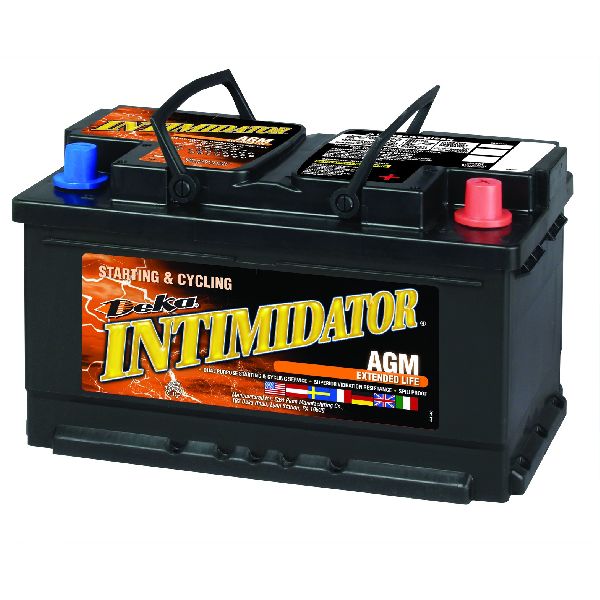
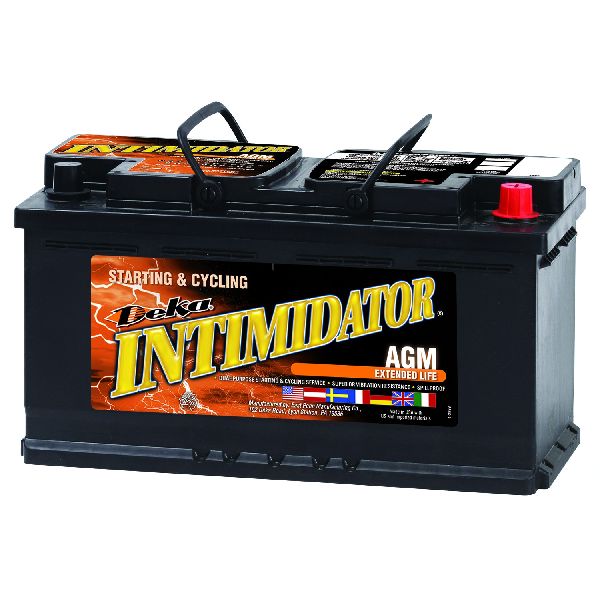
- Weak or Failing Battery 🔴 High Probability The L405 Range Rover has a high electrical load and is very sensitive to battery voltage, especially during engine crank. The EPAS system will shut down to protect itself if voltage drops, which is a common symptom of an aging AGM battery that can no longer support the demand.
How to confirm: Perform a comprehensive battery test using a digital tester (like a Midtronics EXP-1080 as specified in TSBs) that can measure state of health, not just voltage. The battery must be load-tested. If the result is 'Re-charge Re-test', the battery must be charged and tested again before replacement is considered.
Typical fix: Replace the main vehicle battery with a new, high-quality Absorbent Glass Mat (AGM) battery of the correct specification (H8 or H9 size, at least 90Ah and 850 CCA). 🎬 Watch: Step-by-step guide to replacing your L405 battery. After installation, the new battery must be registered with the vehicle's Battery Management System (BMS) using a compatible diagnostic tool (like Autel or Snap-on) to ensure proper charging and prevent premature failure.
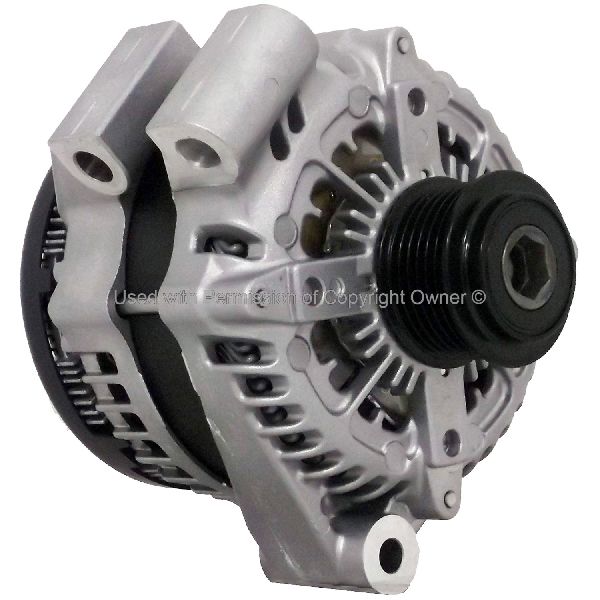
Est. part cost: $250-$450 - Faulty Alternator or Charging System 🟡 Medium Probability If the alternator is not adequately recharging the battery, the overall system voltage will be low, triggering the B1304 code. Alternator failure can be intermittent, working for a while before failing, which can make diagnosis tricky.
How to confirm: With the engine running, test the voltage at the battery terminals. It should be between 13.2 and 14.8 volts. Check output under electrical load (headlights, A/C, etc.). Listen for whining or grinding noises from the alternator. A "Charging System Fault" message is a strong indicator.
Typical fix: Replace the faulty alternator. 🎬 See how to access and replace the alternator. This is often done in conjunction with a battery replacement, as a failing alternator can damage a new battery.
Est. part cost: $400-$900 - Poor Ground Connections or Corroded Terminals 🟡 Medium Probability TSB SSM71278 specifically calls out high resistance at EPAS ground terminals as a potential cause. Corrosion on battery terminals or main chassis grounds can also create a voltage drop under load. These ground points are exposed to the elements in the wheel wells.
How to confirm: Visually inspect the battery terminals for corrosion. Locate and inspect the specific EPAS ground points G1D132 and G4D178 for tightness and corrosion. A wiring diagram indicates G4D178 is at the center rear of the luggage compartment. Perform a voltage drop test on the main power and ground cables.
Typical fix: Clean the battery terminals and cable ends. Disassemble, clean, and re-tighten the specified ground connections to the correct torque (9Nm), replacing any corroded washers.
Est. part cost: $0-$20 - Wiring Harness Issue ⚪ Low Probability The wiring harness leading to the EPAS motor or PSCM can become damaged, loose, or corroded, causing an intermittent connection and voltage drop. TSB SSM71278 also points to a poor connection or pin set condition at connector C11-G1 as a possible cause.
How to confirm: Inspect the wiring harness and connectors going to the steering rack and Power Steering Control Module. Check for chafing, corrosion, or loose pins. A pin drag test on the C11-G1 connector may be necessary.
Typical fix: Repair the damaged section of the wiring harness or clean/replace the affected connector.
Est. part cost: $10-$100
Rare But Worth Checking
- Power Steering Control Module (PSCM) Internal Fault: This is less common than power supply issues. It's often accompanied by other codes like U3001-00 (Improper Shutdown) or B1304-04 (System Internal Failures). If all power and ground inputs to the module are perfect, the module itself may be the problem. In some cases, an internal MOSFET on the control board can fail.
- EPAS Motor or Steering Rack Internal Electrical Failure: While possible, TSB SSM71278 explicitly states, "There is no requirement to replace the steering rack for this issue," indicating that power supply problems are far more likely. However, in rare cases, the bolts securing the EPAS motor can corrode and snap, causing the motor to come loose and damage the drive belt or internals, creating a loud noise when steering.
Diagnosis Steps
- Scan all vehicle modules for any stored Diagnostic Trouble Codes (DTCs). Note all codes, especially in the PSCM and CHCM.
- Perform a comprehensive test of the battery using an advanced battery analyzer (e.g., Midtronics EXP-1080). Check the state of charge and state of health. A simple voltage check is insufficient.
- If the battery test result is 'Re-charge Re-test', follow the procedure to charge and re-test before considering replacement.
- With the engine running, test the alternator output voltage at the battery terminals. It should be stable and within the 13.2V-14.8V range, even under load.
- Inspect and clean the main battery terminals, positive and negative posts, and cable ends.
- Locate, disassemble, clean, and re-torque the primary EPAS ground terminals G1D132 and G4D178 as specified in TSB SSM71278. Torque to 9Nm. Replace corroded washers.
- Inspect the wiring harness and connectors to the Power Steering Control Module (PSCM), paying close attention to connector C11-G1 for any signs of physical damage, corrosion, or loose pins.
- If a new battery is installed, perform a Battery Management System (BMS) reset using a compatible diagnostic tool to inform the vehicle of the new battery's characteristics.
- If all power and ground circuits are verified to be in perfect condition, the fault may lie with the PSCM or the EPAS rack itself, requiring more advanced diagnostics.
Parts You'll Likely Need
- AGM Battery
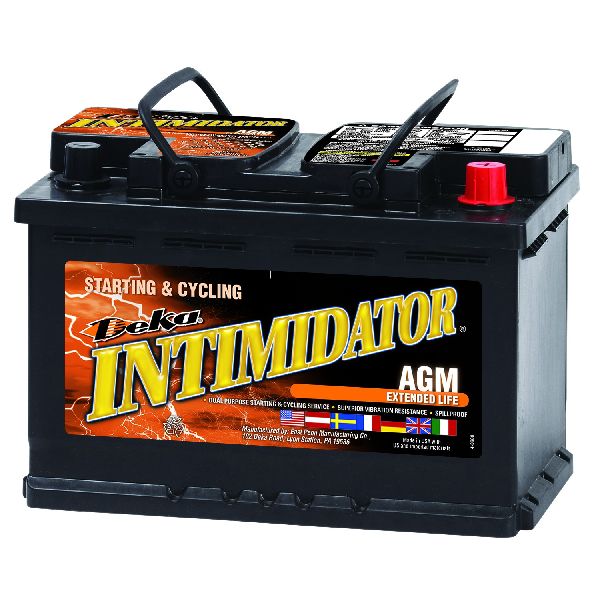
(OEM #LR094943 (Superseded by LR128839), LR046049)— This is the most frequent cause of low voltage codes on modern Land Rovers. The original battery may be unable to hold a sufficient charge to power all systems, especially the high-demand EPAS. A Group Size H8 or H9 AGM with at least 90Ah/850CCA is required.
Trusted brands: Varta, Bosch, Interstate, Exide
OEM price range: $350-$500
Aftermarket price range: $250-$400 - Alternator — If the charging system is faulty, it cannot supply the necessary voltage to the EPAS and battery, leading to this code. Failure is common between 100k-150k miles.
Trusted brands: Denso, Bosch
Related Codes That Often Appear With This One
- U3001-00 — This code for 'Power Steering Control Module (PSCM) system improper shutdown' is frequently logged alongside B1304-16, as noted in TSB SSM71278. The low voltage condition causes the module to shut down incorrectly.
- U3003-62 — Indicates a 'Battery voltage signal compare failure' in the Chassis Control Module, further pointing towards an unstable power supply as the root cause.
- U0131-00 — This code means the Chassis Control Module (CHCM) has lost communication with the PSCM, which can be a direct result of the PSCM shutting down due to low voltage.
Technical Service Bulletins (TSBs) & Recalls
- SSM71278: Notes that heavy steering may occur with code B1304-16 (EPAS system circuit voltage below threshold) and points to low battery voltage, wiring issues, or high resistance at specific ground points G1D132 & G4D178. It explicitly advises against replacing the steering rack for this issue.
Platform-Specific Known Issues
- The main battery is located in the trunk under the spare tire and air suspension compressor, making replacement more involved than in other vehicles. The compressor must be unbolted and moved aside to access the battery.
- TSB SSM71278 specifically identifies high resistance at ground points G1D132 and G4D178 as a known cause for this fault on the L405 platform.
- A Battery Management System (BMS) reset is critical after battery replacement. Failure to reset it can cause the system to overcharge or undercharge the new battery, drastically shortening its life and causing the return of electrical faults.
Mechanic-Grade Diagnostic Values
- PSCM Main Power Supply Voltage — expected: Battery Voltage (Approx. 12.6V KOEO, 13.2-14.8V Engine Running). Failure: Voltage drop under load or below 12V KOEO.
- PSCM Ignition Signal Voltage — expected: Battery Voltage when ignition is ON.. Failure: 0V or low voltage when ignition is ON.
- PSCM Ground Circuit Resistance — expected: Less than 1.0 Ohm.. Failure: High resistance (greater than 1.0 Ohm) indicates a poor ground connection.
- EPAS Ground Stud Torque — expected: 9 Nm. Failure: Loose connection leading to high resistance.
Hidden / Shadow Codes Worth Checking
- B1304-04 with internal fail code 0112: This is a specific sub-code indicating an internal system failure within the Power Steering Control Module (PSCM), which may not be visible on all scanners. (see via Requires dealer-level diagnostic software such as JLR Pathfinder.)
Scan Tool Commands That Help
- JLR SDD / Pathfinder: Read DTCs from PSCM and CHCM — To retrieve all manufacturer-specific codes (like U-codes and B-codes with sub-types) that generic OBD-II scanners may miss.
- JLR SDD / Pathfinder: New Power Steering Control Module Configuration — Required after replacing the steering rack assembly, which contains the integrated PSCM, to configure the new module to the vehicle.
- JLR SDD / Pathfinder or compatible high-end tool: Battery Replacement / BMS Reset — Essential after installing a new main battery to inform the Battery Management System of the new battery's characteristics for correct charging.
Wiring & Ground Locations
- G1D132 — This is a primary ground stud for the Power Steering Control Module.. TSB SSM71278 identifies high resistance at this ground as a direct cause for B1304-16. It is connected via a black wire to Pin 1 of connector C11-F1 at the PSCM.
- G4D178 — Main battery ground stud, located at the center rear of the luggage compartment.. A poor main battery ground can cause system-wide low voltage issues, directly impacting the high-demand EPAS system. TSB SSM71278 lists it as a key inspection point.
- C11-G1 — A connector for the Power Steering Control Module.. TSB SSM71278 flags a poor connection or pin condition at this connector as a potential cause. It carries the ignition signal (Pin 3) and CAN bus signals. A pin drag test is recommended.
- C11-F1 — The main power and ground connector for the Power Steering Control Module.. This connector supplies the high-current power needed for the EPAS motor. Pin 2 (Red) is the main 12V feed, and Pin 1 (Black) is the main ground. Any issue here directly causes low voltage at the module.
Real Owner Repair Stories
- YouTube user 'MrCARMAX' (2014 Land Rover Range Rover Sport (L494, shares platform and EPAS system with L405)) — Loud noise when turning the steering wheel and fault code B1304.
❌ Tried (didn't work) Initial diagnosis pointed towards common electrical faults.
✅ What actually fixed it The bolts securing the EPAS motor to the steering rack had snapped due to corrosion, causing the motor to become loose and hang off the rack. The fix involved drilling out the broken bolts and re-securing the motor.
OEM Part Supersession History
Aluminum EPAS Motor Bolts→Coated Steel EPAS Motor Bolts— The original aluminum bolts were prone to galvanic corrosion and fracturing, particularly from saltwater ingress, causing the EPAS motor to detach from the steering rack.
Heads up: Using aluminum replacement bolts will likely lead to a repeat failure. It is critical to use the updated coated steel bolts for a permanent repair.
Model Year Variations Within This Range
- 2017-onward: Vehicles from the 2017 model year onward use a new high-speed communication protocol (DoIP) and can only be diagnosed with the JLR Pathfinder software. The older Symptom Driven Diagnostics (SDD) software used for 2013-2016 models will not communicate with these newer vehicles.
- 2013 only: The 5.0L naturally aspirated V8 engine was only offered in the 2013 model year for the L405 generation. Subsequent years used a supercharged V6 or the supercharged V8.
Helpful Videos
Used OEM Parts in Stock


New Aftermarket Parts Available


The information in this article is provided for general reference and educational purposes only. Vehicle specifications, procedures, and part compatibility can vary by production date, trim level, and region. Always consult your vehicle's factory service manual and verify part numbers before purchasing or performing repairs. Safety-critical components such as airbags, seat belts, and braking systems should be installed by a qualified professional.
- Land Rover RANGE ROVER:
- 🎬 Helpful Videos
- 🛍️ Shop This Part
- What's Unique About the 2013-2016 Land Rover RANGE ROVER
- Diagnostic Flowchart
- Symptoms You May Notice
- Most Likely Causes
- Rare But Worth Checking
- Diagnosis Steps
- Parts You'll Likely Need
- Related Codes That Often Appear With This One
- Technical Service Bulletins (TSBs) & Recalls
- Platform-Specific Known Issues
- Mechanic-Grade Diagnostic Values
- Hidden / Shadow Codes Worth Checking
- Scan Tool Commands That Help
- Wiring & Ground Locations
- Real Owner Repair Stories
- OEM Part Supersession History
- Model Year Variations Within This Range
- 🎟️ Get 5% Off