

Ultimate Guide to OBD-II Code B1062: A Manufacturer-Specific Body Fault
What B1062 means, why it triggers, and how to fix it for good
- Identify your vehicle's specific B1062 definition before attempting repairs, as this manufacturer-specific code means entirely different things for a Jeep (power seats) versus a Nissan (airbags).
- Inspect the wiring harness and fuses first; over 60% of B1062 codes stem from a $10 chafed wire or loose fuse rather than a failed $500 control module.
- Stop driving immediately and consult a professional if your B1062 code triggers the SRS warning light, as this disables the airbags and prevents deployment in a crash.
- Perform a 15-minute hard battery reset before buying parts for GM or Honda vehicles, as temporary software glitches frequently cause false B1062 audio or communication faults.
What Does B1062 Mean?

B1062 is a manufacturer-specific body trouble code indicating a fault in electronics outside the engine and transmission. Unlike universal 'P' codes, B1062 lacks a single definition. Its meaning changes entirely based on your vehicle's manufacturer, pointing to issues ranging from power seats to the airbag system, climate controls, or audio functions. Always identify what this code means for your specific vehicle first.
Technical definition: There is no single, standardized SAE/ISO definition for B1062. The meaning is specific to the vehicle manufacturer. Known definitions include: * **Jeep/Chrysler/Fiat:** Electric Seat Circuit Short to Ground (often B1062-11). * **Honda/Acura:** Relay Control Module Lost Communication with Combination Switch Control Unit. * **Suzuki:** Side-Air Bag Circuit Low Resistance OR Internal Mode Switch P Circuit Low Input. * **Mitsubishi:** Potentiometer system for Mode Selection Damper (HVAC). * **General Motors (GM):** Audio Output #4 (Rear Right Speaker) Circuit Low. * **Nissan:** Diagnosis Sensor Unit (Airbag System). * **Ford:** Driver Seat Module (DSM) Internal Fault. * **Mazda:** Passenger's Seat Weight Sensor Circuit Failure.
Can I Drive With B1062?
Yes, But With Caution. In most cases, the vehicle is safe to drive, but a specific body feature like power seats, climate control, or audio will not work. However, if the code relates to the airbag system (common on Suzuki and Nissan), the SRS system is disabled. Stop driving and get the vehicle inspected immediately. Driving with an inactive airbag system means the airbags will not deploy in a collision and causes your vehicle to fail a state safety inspection.
Common Causes

- Damaged Wiring Harness (Very Common) — Wires fray, pinch, or corrode, causing a short or open circuit. This frequently occurs under power seats that move back and forth (Jeep) or near moving parts like HVAC blend doors (Mitsubishi).
- Blown or Poorly Seated Fuse (Common) — A blown fuse interrupts power to the affected circuit. On vehicles like the Jeep Renegade, a poorly seated fuse in the rear cargo area causes the issue without blowing.
- Water Intrusion and Connector Corrosion (Common) — Water leaking into the cabin shorts out the Multiplex Integrated Control Unit (MICU) or fuse box, causing communication codes like B1062. Corrosion on exposed connector pins creates high resistance, accelerating in humid climates or areas with heavy road salt use.
- Faulty Component or Sensor (Common) — The component itself fails. Examples include a dead power seat motor, a faulty airbag initiator, a broken HVAC damper actuator, or a defective seat weight sensor.
- Faulty Control Module (Less Common) — The electronic module responsible for the failing component malfunctions. This includes the Body Control Module (BCM), Relay Control Module, A/C Control Unit, or Airbag Module (SDM).
- Low Battery Voltage (Less Common) — A weak battery causes low voltage conditions, leading to unpredictable communication errors between electronic modules. Cold weather worsens this condition.
- Post-Collision Airbag Module Fault (Less Common) — On vehicles like the Nissan 370Z, this code stores as 'crash data' in the airbag control module after an accident. The code remains until the module is professionally reset or replaced.
- Software Anomaly or Glitch (Rare) — Particularly with GM audio systems, the fault is a software glitch in a module (e.g., the amplifier). The module temporarily stops communicating, requiring a hard power reset.
- Incorrectly Installed Aftermarket Equipment (Rare) — Improperly installed aftermarket alarms, remote starters, or audio systems interfere with the vehicle's body control circuits.
Symptoms

- Power seats do not work — The driver or passenger power seat is completely inoperative (common on Jeep Renegade).
- Airbag warning light is on — The SRS (Supplemental Restraint System) or airbag light on the dashboard illuminates, often accompanied by a 'Service Airbag System' message (common on Suzuki, Nissan, and Mazda).
- HVAC airflow won't change direction — The climate control system is stuck blowing air from one set of vents (e.g., defrost) and won't switch to the floor or panel vents (common on Mitsubishi).
- Erratic headlight, wiper, or turn signal operation — Headlights, wipers, or other controls on the combination (turn signal) stalk work intermittently or not at all (common on Honda/Acura).
- No sound from one or all speakers — The rear right speaker is silent (common on GM vehicles), or all audio, including chimes and turn signal clicks, is gone.
- Inoperative central locking or power windows — A failure in the Body Control Module (BCM) or related wiring causes issues with power windows and door locks.
Diagnostic Flowchart
Tap your situation to follow the diagnostic path that matches what you're seeing on this code.
Common Fixes & Costs
- Repair Damaged Wiring Harness — Parts: $5-$20, Labor: $150-$450, ~1.5 hr book time (Intermediate)
- Replace Blown or Reseat Loose Fuse — Parts: $1-$10, Labor: $0, ~0.1 hr book time (DIY)
- Replace HVAC Mode Door Actuator — Parts: $40-$150, Labor: $200-$600, ~2 hr book time (Intermediate)
- Replace Faulty Amplifier (GM) — Parts: $200-$500, Labor: $100-$200, ~1.5 hr book time (DIY)
- Reset Airbag Control Module (Post-Collision) — Parts: $0, Labor: $50-$150, ~1 hr book time (Professional)
- Replace Body Control Module (BCM) / MICU — Parts: $300-$900, Labor: $200-$500, ~2.5 hr book time (Professional)
Used vs. New Parts: Buying Guide
When a used part is worth it: For expensive electronic modules like a BCM or a factory amplifier on an older vehicle, a used part from a reputable salvage yard is a cost-effective solution. It makes sense when a new part is a significant fraction of the vehicle's total value.
Donor-vehicle mileage cap: roughly under 100000 miles for the part to have meaningful remaining life.
Donor quality checklist:
- Match the part number exactly. Incompatible modules will not work.
- Verify the donor vehicle's history to avoid parts from flood-damaged cars.
- Inspect connectors for corrosion or damage. Ask the seller for a guarantee.
- For BCMs, factor in the cost of professional programming to your vehicle's VIN.
Decision logic:
- If The part is safety-related (Airbag Module, Seat Weight Sensor) → Buy new or use a professional remanufacturing service. The risk of a faulty used part is too high.
- If The part requires programming (most BCMs) → Factor in the cost of dealership or specialist programming ($100-$300) when comparing to a new part.
- If The part is plug-and-play (most amplifiers, some actuators) and the vehicle is over 10 years old → A used part offers significant savings with moderate risk.
Warranty tradeoff: Used parts typically have a 30-90 day warranty for part replacement only. New aftermarket parts offer 1-year to limited lifetime warranties. New OEM parts carry a 1-2 year warranty.
Worst-case if a used part fails: $300-$800 if a used module fails, including repeat labor and a replacement part.
What Happens If You Wait — Timeline
- 0-1 month: An intermittent fault appears. For a wiring short, a feature (e.g., power seat) fails occasionally. For a parasitic draw, you notice no symptoms unless the car sits for over a week. (MPG impact: 0%% · Added cost: $0)
- 1-3 months: The fault becomes persistent. If it's a parasitic draw, the battery struggles to start the car after sitting for a weekend. The battery is repeatedly discharged, causing internal sulfation. (MPG impact: 0%% · Added cost: $0-$50 (potential need for a jump start or charger))
- 3-6 months: A significant parasitic draw reliably kills the battery overnight. Constant jump-starting places extreme stress on the alternator, which works overtime to recharge a depleted battery. (MPG impact: 0%% · Added cost: $150-$300 (Cost of a new battery, which will also be destroyed if the root cause isn't fixed).)
- 6+ months: The alternator fails due to chronic overload. The vehicle stalls while driving. A wiring short carries a risk of overheating and damaging other wires in the harness. (MPG impact: N/A (Vehicle may be undriveable)% · Added cost: $500-$1200 (Cost to replace both the battery and the alternator).)
Cost of Not Fixing It
- Immediate: If the code relates to the airbag system, it is disabled and will not deploy in a crash, posing a severe safety risk. The vehicle fails any state safety inspection. (Added cost: N/A (Safety Risk))
- 0-3 months: A wiring short or a faulty module causing a parasitic draw leads to a dead battery and strains the alternator. Inconvenience from non-working features persists. (Added cost: $150-$400 (New battery and potential towing).)
- 3+ months: An ignored wiring short carries a risk of overheating and causing further electrical damage or a fire. Continuous battery drain and jump-starting destroys the alternator and starter. (Added cost: $500-$2000+ (Cost to replace a damaged wiring harness, alternator, or other components.))
Diagnosis Steps
- Identify the Code's Meaning for Your Vehicle
Use a search engine or vehicle-specific repair manual to find out what B1062 means for your exact make, model, and year. Diagnosis is impossible without this step.
Tools: Internet access (Beginner) - Check for Fuses and TSBs
Consult your owner's manual to locate the fuse box. Inspect the fuse for the system identified in Step 1. Search online for Technical Service Bulletins (TSBs) for your vehicle and this code.
Tools: Owner's manual, fuse puller (Beginner) - Perform a Visual Inspection
Inspect the relevant area based on your vehicle's definition. Look for pinched or frayed wires under the power seat, disconnected sensors on the HVAC box, or signs of water damage near the under-dash fuse box.
Tools: Flashlight (Beginner) - Clear the Code and Perform a Hard Reset
Use an OBD-II scanner to clear the B1062 code. If it returns immediately, a 'hard fault' is present. If intermittent, perform a hard reset by disconnecting the negative battery terminal for 15 minutes to resolve temporary software glitches.
Tools: OBD-II scanner, 10mm wrench (Beginner) - Use a Bi-Directional Scan Tool
Command the specific module (like the BCM or HVAC controller) to perform a self-test or activate the component directly. This isolates the fault between the module, wiring, or part.
Tools: Advanced bi-directional scan tool (Advanced) - Test the Circuit with a Multimeter
For a suspected short, disconnect the component and module. Set your multimeter to continuity and test between the signal wire and a known good ground. A beep indicates a short to ground. For an open circuit, check for voltage at the component connector.
Tools: Digital multimeter, vehicle-specific wiring diagram (Intermediate) - Check CAN Bus Resistance
For communication-related definitions (Honda), turn the ignition off and disconnect the battery. At the OBD-II port, measure resistance between Pin 6 (CAN-High) and Pin 14 (CAN-Low). A healthy network reads approximately 60 Ohms. 120 Ohms suggests an open circuit.
Tools: Digital multimeter (Advanced) - Test Jeep Power Seat Circuit Values (B1062-11)
Test at the main power seat connector. With ignition on, voltage on the power feed wire must exceed 10.8V. Disconnect the battery, seat, and BCM. Measure resistance between the power feed wire and chassis ground. A reading near 0 ohms confirms a short to ground in the harness.
Tools: Digital multimeter, wiring diagram (Advanced) - Test Suzuki Airbag Circuit Resistance
A normal airbag squib circuit has a resistance of 2.0 to 4.0 ohms. This code triggers when resistance drops below 1.5 ohms, pointing to a short circuit in the wiring, a faulty clock spring, or an internally shorted airbag module. Measure resistance at the module connector.
Tools: Professional SRS-safe multimeter, wiring diagram (Advanced) - Test GM Speaker Circuit Output
Disconnect the amplifier. Measure the resistance across the two speaker wires for the affected channel. A standard 4-ohm speaker reads between 3 and 5 ohms. OL (infinite) indicates an open wire; near 0 ohms indicates a short circuit.
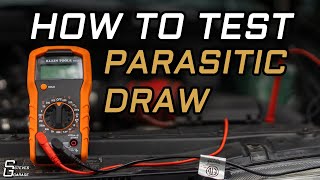
Tools: Digital multimeter, wiring diagram (Advanced) - Perform a Parasitic Draw Test
If accompanied by a dead battery, connect a multimeter in series with the negative battery cable to measure current draw after modules sleep. A draw over 50-85 milliamps indicates a module is not shutting down. Isolate the circuit by pulling fuses one by one.
Tools: Digital multimeter with 10A fused setting (Advanced)
When This Code Triggers (Freeze-Frame Conditions)
- Ignition Status: RUN (The fault logs when the vehicle is operating, not during startup self-test.)
- Battery Voltage: 11.5V - 14.8V (Code sets if voltage is too low (weak battery) or too high (alternator issue), but usually logs within normal operating range.)
- Component Command State: On/Active (The fault registers at the moment the driver attempts to use the affected feature (e.g., pressing the power seat switch or changing the HVAC mode).)
- Time Since Ignition On: > 10 seconds (Faults set after the initial system self-checks complete and modules enter their normal operating state.)
Related Codes
- B1061 & B1066 — On Suzuki models, B1062 indicates low resistance in the driver's side airbag circuit. B1061 indicates high resistance in the same circuit, while B1066 indicates low resistance in the passenger's side circuit. All point to similar wiring or initiator faults.
- B1005, B1006, B1007, B1008 — On Honda vehicles, B1062 is part of a family of communication loss codes on the B-CAN network. Seeing multiple codes in this range strongly suggests a wider network problem or a failure of a central control module like the MICU.
- U0155 — A 'U' code indicates a communication problem between modules. If you have a B1062 code on a Honda for a communication issue, you may also see U0155, reinforcing that the problem is network-related rather than a single part failure.
Climate & Environmental Factors
- High Humidity / Heavy Rain: Increases water intrusion into the cabin and electrical connectors. This is a primary cause of failure for the Honda Odyssey MICU due to known water leak issues. Moisture promotes corrosion, causing short circuits.
- Cold Weather: Low temperatures reduce battery efficiency, leading to lower system voltage that triggers communication faults. Wires and plastic connectors become brittle and susceptible to cracking from vibration.
- Road Salt (Rust Belt & Coastal Regions): Salt spray is extremely corrosive to electrical systems. It seeps into connectors and ground points, accelerating oxidation that leads to high resistance, open circuits, or shorts to ground.
How to Talk to a Mechanic About This Code
Say this: "I have a B1062 code in my [Make, Model, Year]. For my vehicle, it means [Your Vehicle's Definition]. I'd like to schedule a diagnostic appointment. Please start by checking the most common causes, like the wiring harness and fuses, before quoting an expensive module replacement."
This signals to the shop that you are an informed customer. It directs them to perform a proper diagnosis rather than jumping to the most expensive conclusion. It establishes that you expect them to check for simple fixes first.
Avoid saying:
- 'My check engine light is on.' (This is a body code, not an engine code.)
- 'Just fix whatever's wrong.' (This is an invitation for a large, open-ended bill.)
- 'I read on a forum it's the BCM, just replace it.' (Don't diagnose for the mechanic; describe the symptoms and the code.)
Questions to ask before authorizing the repair:
- What does B1062 mean for my specific VIN?
- Before you replace the module, can you confirm you've tested the wiring harness for shorts, opens, and checked for power and ground at the connector?
- If it is the module, does the replacement require programming and is that included in the quote?
- If it's an airbag code, is this a 'crash data' issue that can be reset, or is the module itself faulty?
- What is the warranty on the parts and labor for this repair?
Where to Take It: Dealer vs Independent vs Chain
- Dealer:
Recommended for airbag faults or if a confirmed BCM replacement and programming is needed.
Best for: Vehicles under warranty., Airbag system faults (due to safety liability and specialized tools)., Complex Body Control Module (BCM) replacements that require proprietary software for programming.
Downsides: Highest labor rates, typically 1.5-2x more than an independent shop., May be quicker to replace a whole module assembly rather than diagnose and repair a simpler wiring fault. (Typical cost: +50% vs. baseline) - Independent Shop:
Best fit for most non-airbag B1062 issues, provided you choose a well-regarded shop with electrical expertise.
Best for: Out-of-warranty vehicles where the code points to a known wiring or component issue., General electrical diagnosis by a shop with a strong reputation for troubleshooting.
Downsides: Shop quality varies greatly; ensure they have access to professional diagnostic information., May not have the specific tools to program a new BCM for all makes. (Typical cost: +0% vs. baseline) - Chain Shop:
AVOID for diagnosing a B1062 code. The complexity and manufacturer-specific nature of this code are a poor match for their business model.
Best for: Simple, unrelated maintenance like tire rotations or oil changes.
Downsides: Technician skill varies dramatically and is often not geared toward complex electrical diagnosis., High pressure to sell parts leads to misdiagnosis and recommending expensive, unnecessary modules. (Typical cost: -10% vs. baseline)
When to Walk Away From the Repair
If the estimated repair cost for the B1062 fault exceeds 40-50% of your car's current private-party value, pause and consider your options.
- Car worth $4000, fix is $1800: Walk away. The repair cost is too high relative to the car's value. This is especially true if the fix is for a non-essential feature like a power seat.
- Car worth $15000, fix is $750: Fix it. This repair cost is well within a reasonable threshold and restores vehicle function and value.
- Car worth $8000, fix is $1200: Borderline, but likely worth fixing if the car is otherwise in good condition. Get a second opinion to confirm the diagnosis and cost before proceeding.
What Scan Tool You Need for This Code

Minimum: A scanner that reads and clears manufacturer-specific Body ('B') and SRS ('B') trouble codes. A basic engine-only 'P-code' reader is insufficient.
A $20 scanner from a big-box store shows 'No Codes Found' because it only checks for generic powertrain (P0xxx) codes. You need a tool that communicates with the Body Control Module and Airbag Module.
Budget: BlueDriver Pro or Autel ML629 (~$100) — Reads and clears engine, ABS, SRS, and transmission codes. This is the minimum entry point to self-diagnose a B1062.
Mid-range: Foxwell NT510 Elite or XTOOL D7 (~$180) — Adds bi-directional control. This allows you to command components directly (e.g., 'tell the power seat motor to move'), helping determine if the problem is the switch, wiring, or component.
Professional: Autel MaxiCOM MK808S or Launch X431 series (~$350) — Full bi-directional control, all-system diagnostics, and special service functions. Necessary for advanced tasks like coding a new Body Control Module (BCM) to the vehicle.
Rent vs buy: AutoZone and other parts stores offer a Loan-A-Tool program. Verify that their loaner scanner is capable of reading ABS/SRS/Body codes. This is a great option for a one-time diagnosis.
How to Clear the Code After You Fix It
- Fix the underlying mechanical or electrical fault.
- Reconnect any disconnected components and the battery.
- Use an OBD-II scanner capable of reading Body/SRS codes to clear the fault memory.
- Cycle the ignition off and on, then re-scan to ensure the code does not return immediately.
Drive cycle (~15 minutes): A specific drive cycle is not required for B-codes. After clearing the code, operate the affected system through all its functions. Move the power seat through its full range, cycle the HVAC through all modes, or test all speakers. For airbag codes, the SRS light turns off after the initial self-test.
Readiness monitors affected: Not applicable. Body codes do not affect engine emissions readiness monitors.
Watch out for:
- Using a basic 'P-code' scanner that cannot see or clear Body ('B'), Chassis ('C'), or SRS codes.
- Failing to perform a 'hard reset' (disconnecting the battery for 15+ minutes) for intermittent software glitches.
- Attempting to clear an airbag 'crash data' code with a standard scanner; these require professional benchtop tools.
Will This Fail Emissions / State Inspection?
No — by itself this code doesn't fail OBD inspection (but it can keep readiness monitors from setting, which causes a separate fail).
- California: An airbag light does NOT cause a failure of the California smog check, which only tests emissions.
- New York: An illuminated airbag warning light is noted during the safety inspection, but it is an advisory only and NOT a cause for rejection.
- Texas: As of 2025, most non-commercial vehicles are exempt from annual safety inspections. However, an illuminated airbag warning light remains a critical safety concern.
- General Note: While a B-code does not fail an emissions test, many states have separate safety inspections. An illuminated airbag light causes a failure in states with comprehensive safety checks.
Most Commonly Affected Vehicles

- Jeep Renegade (2015-2016) — Prone to B1062-11 (Electric Seat Circuit Short to Ground) due to the driver's seat wiring harness chafing against the seat frame. This is a known issue covered by TSB 08-024-16.
- Honda Odyssey (2005-2010) — Experiences a range of B-CAN communication codes, including B1062, related to water leaks from roof seams shorting the Multiplex Integrated Control Unit (MICU) in the under-dash fuse box.
- Chevrolet / GMC Silverado / Sierra, Tahoe / Yukon (2007-2013) — B1062 corresponds to 'Audio Output #4 (Rear Right Speaker) Circuit Low,' resulting in no sound from that speaker. The cause is typically a wiring issue or a failed amplifier.
- Suzuki SX4, Swift, Alto (2004-2014) — B1062 points to a low resistance fault in the driver's or passenger's side-airbag initiator circuit, illuminating the airbag warning light.
- Nissan 370Z (2009-2020) — Triggers B1062 for a 'Diagnosis Sensor Unit' fault within the airbag system. This is a 'crash code' set after an accident requiring the module to be professionally reset.
- Ford Fusion, Lincoln MKZ (2014-2017) — Appears for faults related to the Driver Seat Module (DSM). TSBs exist for parasitic battery drain caused by the memory seat module.
- Mitsubishi Lancer, Outlander (2008-2015) — Tied to the 'Potentiometer system for Mode Selection Damper,' meaning the HVAC system cannot determine the position of the blend doors, getting stuck in one mode.
- Mazda 3, 6, CX-5 (2010-2018) — Indicates a fault with the passenger seat weight sensor or its connector. A failure disables the passenger airbag.
Manufacturer-Specific Notes
- Jeep: For 2015-2016 Renegades, the cause is almost always the wiring harness under the driver's seat rubbing through on the metal frame. Technicians are warned not to replace the BCM until the wiring is inspected.
- Honda / Acura: This code indicates a communication breakdown, not a failed part. The problem is often caused by a failure in the main Multiplex Integrated Control Unit (MICU), which is vulnerable to water damage from leaking roof seams.
- Suzuki: The meaning is either the transmission's internal mode switch or a fault in the side airbag circuit. A common fix is cleaning and re-seating the yellow airbag connectors under the seat.
- Nissan: On vehicles like the 370Z, B1062 points to a fault in the airbag system's diagnosis sensor unit. This code sets after an accident and requires the airbag module to be reset or replaced by a specialist service.
- General Motors (GM): On newer GM vehicles, a loss of all audio functions is caused by a temporary software glitch in the amplifier. A 'power cycle' by disconnecting the battery for 15-30 minutes restores function.
Real Owner Stories
2016 Jeep Renegade with 75K miles - Power Seat Failure
The driver's power seat suddenly stopped working in all directions. The B1062-11 code was present. The owner was quoted over $1,200 to replace the Body Control Module (BCM) at the dealership.
Outcome: The owner cut the zip tie, repaired the damaged wires using solder and heat-shrink for about $10, and wrapped the harness in anti-abrasion tape. The power seat function was restored, and the code cleared successfully.
Lesson: For Jeep Renegades with B1062-11, always inspect the under-seat wiring harness for chafing against the seat frame before agreeing to a costly BCM replacement.
2009 Honda Odyssey with 140K miles - Multiple Electrical Gremlins
After a heavy rain, the van exhibited bizarre electrical issues: the liftgate wouldn't open, dashboard lights flickered, and communication error codes, including B1062, appeared.
Outcome: The cause was a leak from the factory roof seam sealant. Water dripped directly onto the Multiplex Integrated Control Unit (MICU). The owner had a body shop reseal the roof seams with marine sealant and replaced the corroded MICU with a used unit, resolving all problems.
Lesson: On older Honda Odysseys, a sudden onset of multiple electrical faults after rain is a classic sign of a water leak shorting out the MICU. Inspect roof seams before replacing individual components.
2010 Nissan 370Z with 50K miles - Airbag Light After Minor Fender-Bender
The airbag light stayed on after a minor front-end collision. A standard OBD-II scanner read code B1062 'Diagnosis Sensor Unit' but was unable to clear the code.
Outcome: The owner used an online service that specializes in resetting airbag modules. They mailed the module to the service and received it back within a week for $50. After reinstalling the reset module, the airbag light went off.
Lesson: For Nissan vehicles, B1062 is often a 'hard code' stored in the airbag module after a collision. Using a mail-in reset service on your original module is a cost-effective alternative to buying a new one.
2025 GMC Sierra - Intermittent 'No Sound' Issue
Brand new truck randomly had no audio from any source. The infotainment screen appeared to work normally. The issue sometimes resolved itself after the truck was shut off for an hour.
Outcome: The dealer found GM Preliminary Communication PIT6471, describing a known software anomaly in the audio amplifier. The dealer replaced the amplifier under warranty, resolving the issue.
Lesson: On newer GM vehicles, a sudden loss of all audio is a known software glitch. Try a simple hard reset first. If the problem persists, reference GM communication PIT6471 with your dealer.
How to Prevent This Code From Triggering
- Periodically clean and protect electrical connectors (Every 2-3 years or when working on an area) — Applying a thin layer of dielectric grease to connector seals and pins prevents moisture intrusion and corrosion, which are primary causes of high resistance and short circuits.
- Inspect and secure wiring harnesses in high-movement areas (Annually) — Wiring under power seats or near engine components is prone to chafing and vibration damage. Ensure harnesses are properly secured with loom and clips.
- Keep cowl and sunroof drains clear of debris (Twice a year (spring/fall)) — Clogged drains cause rainwater to overflow into the vehicle cabin, dripping directly onto sensitive electronics like fuse boxes (MICU) and control modules.
- Test battery health and maintain clean terminals (Annually (before winter)) — A weak battery provides low system voltage, causing random communication codes like B1062. Cleaning corrosion ensures the alternator charges the battery effectively.
Frequently Asked Questions
Why does B1062 have so many different meanings?
Codes starting with 'B' (Body) and a '1' (e.g., B1xxx) are manufacturer-specific, allowing automakers to create custom codes for their unique electronic systems. B1062 means entirely different things depending on the brand.
What is the most common misdiagnosis for B1062?
The most common mistake is replacing an expensive control module before performing a full circuit diagnosis. On the Jeep Renegade, a B1062 code is almost always caused by a cheap-to-fix chafed wire under the seat. Always inspect wiring and connectors first.
My car has multiple 'B' codes along with B1062. What does that mean?
This indicates a network communication problem, not multiple failed parts. In Honda vehicles, a string of B-CAN codes points to a fault in the communication line itself or a failure of a central module like the MICU. Focus diagnostics on the network.
Can I reset an airbag-related B1062 code myself?
If the code points to an airbag system issue, the system is disabled and will not deploy in an accident. A standard scanner cannot clear 'hard codes' or 'crash data' stored after a collision. You must use a professional reset service or specialized bench tools to restore functionality.
My B1062 fault is intermittent. What causes this?
Intermittent faults are caused by poor connections or software glitches. A loose fuse in a Jeep Renegade causes the power seat to stop working randomly. Chafed wiring that only shorts when hitting a bump is another classic cause.
Can a bad battery cause a B1062 code?
Yes. A weak battery causes low voltage conditions that lead to communication errors between modules, triggering a B1062 code. Cold weather makes this more likely.
Where is the Body Control Module (BCM) located?
The BCM location varies by vehicle. It is often integrated into the interior fuse panel under the dashboard on the driver's side, or located behind the glove box or kick panel.
Key Takeaways
- Identify your vehicle's specific B1062 definition before attempting repairs, as this manufacturer-specific code means entirely different things for a Jeep (power seats) versus a Nissan (airbags).
- Inspect the wiring harness and fuses first; over 60% of B1062 codes stem from a $10 chafed wire or loose fuse rather than a failed $500 control module.
- Stop driving immediately and consult a professional if your B1062 code triggers the SRS warning light, as this disables the airbags and prevents deployment in a crash.
- Perform a 15-minute hard battery reset before buying parts for GM or Honda vehicles, as temporary software glitches frequently cause false B1062 audio or communication faults.
Helpful Videos



The information in this article is provided for general reference and educational purposes only. Vehicle specifications, procedures, and part compatibility can vary by production date, trim level, and region. Always consult your vehicle's factory service manual and verify part numbers before purchasing or performing repairs. Safety-critical components such as airbags, seat belts, and braking systems should be installed by a qualified professional.
- 🎬 Helpful Videos
- What Does B1062 Mean?
- Can I Drive With B1062?
- Common Causes
- Symptoms
- Diagnostic Flowchart
- Common Fixes & Costs
- Used vs. New Parts: Buying Guide
- What Happens If You Wait — Timeline
- Cost of Not Fixing It
- Diagnosis Steps
- When This Code Triggers (Freeze-Frame Conditions)
- Related Codes
- Climate & Environmental Factors
- How to Talk to a Mechanic About This Code
- Where to Take It: Dealer vs Independent vs Chain
- When to Walk Away From the Repair
- What Scan Tool You Need for This Code
- How to Clear the Code After You Fix It
- Will This Fail Emissions / State Inspection?
- Most Commonly Affected Vehicles
- Manufacturer-Specific Notes
- Real Owner Stories
- 2016 Jeep Renegade with 75K miles - Power Seat Failure
- 2009 Honda Odyssey with 140K miles - Multiple Electrical Gremlins
- 2010 Nissan 370Z with 50K miles - Airbag Light After Minor Fender-Bender
- 2025 GMC Sierra - Intermittent 'No Sound' Issue
- How to Prevent This Code From Triggering
- Frequently Asked Questions
- Why does B1062 have so many different meanings?
- What is the most common misdiagnosis for B1062?
- My car has multiple 'B' codes along with B1062. What does that mean?
- Can I reset an airbag-related B1062 code myself?
- My B1062 fault is intermittent. What causes this?
- Can a bad battery cause a B1062 code?
- Where is the Body Control Module (BCM) located?
- Key Takeaways
- 🎟️ Get 5% Off