

B0012 on 2007-2010 Chevrolet Silverado 2500: Airbag Light Causes and Fixes
The B0012 code on a 2007-2010 Silverado 2500 indicates a fault in the driver's airbag circuit. The most common cause is a poor connection due to a broken plastic Connector Position Assurance (CPA) lock on the airbag connector, a known issue addressed by GM TSB #08-09-41-002H. The second most likely cause is a failed clock spring. A professional scan tool may show symptom bytes like -04 (open circuit) or -0D (high resistance) which can help pinpoint the issue.
- B0012 means the driver's airbag is disabled and will not deploy in a crash. This is a critical safety issue.
- Before buying any parts, follow GM's TSB #08-09-41-002H and inspect the small plastic clips (CPA retainers) on the yellow airbag connectors. A broken clip is the most common and cheapest fix.
- If the connector clips are intact, the next most likely failure is the airbag clock spring, especially if the horn or steering wheel controls have also failed.
- Due to the risk of accidental airbag deployment, this repair should only be performed by qualified professionals or DIYers with extensive experience with SIR systems.
What's Unique About the 2007-2010 Chevrolet SILVERADO 2500
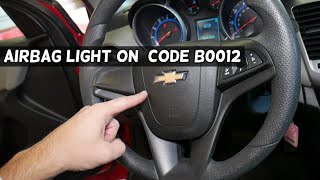
For this generation of Silverado (GMT900 platform), GM issued Technical Service Bulletin #08-09-41-002H, which directly links code B0012 to 🎬 Watch: How to diagnose B0012 codes on GM vehicles a faulty Connector Position Assurance (CPA) retainer. This small plastic clip on the airbag system's yellow connectors becomes brittle and fails, causing a poor connection. This makes a simple, inexpensive connector inspection the most critical first step before assuming more expensive parts like the clock spring or airbag module have failed. This issue is widespread across many GM vehicles from 2005-2014 that share these connector designs.
Diagnostic Flowchart
Tap your situation to follow the diagnostic path that matches what you're seeing on this vehicle.
Symptoms You May Notice
- Airbag warning light is illuminated on the instrument panel.
- Horn and/or steering wheel-mounted controls (cruise control, radio buttons) may stop working if the clock spring is the cause.
- A professional scan tool may show specific symptom codes like B0012-04 (Open Circuit) or B0012-0D (High Resistance).
- Replacing the entire driver's airbag module when the fault is only a bad connector or clock spring.
- Replacing the clock spring without first checking the much cheaper and more common CPA retainer failure, as specified in TSB #08-09-41-002H.
Most Likely Causes
- Loose, Damaged, or Missing Connector Position Assurance (CPA) Retainer 🔴 High Probability As documented in GM TSB #08-09-41-002H, the plastic CPA clips on the yellow SIR connectors become brittle and break over time, causing an intermittent or permanent connection failure. This is a very common failure point on GMT900 trucks.
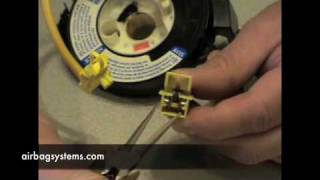
How to confirm: After properly disabling the SIR system, visually inspect the yellow connectors at the back of the driver's airbag and at the base of the steering column. Check if the small plastic locking clip (often orange, black, or yellow) is fully seated, cracked, or missing. The clip may break upon removal due to age.
Typical fix: Replace the broken CPA retainer. If the connector housing itself is damaged, replace the connector pigtail. A common part number for the CPA retainer is 88988974.
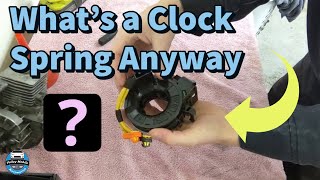
Est. part cost: $5-$20 - Failed Clock Spring (SIR Coil) 🟡 Medium Probability The clock spring contains a flexible ribbon of wires that constantly flexes as the steering wheel turns. Over many years and miles, these wires can fatigue and break, causing an open circuit (B0012-04).
How to confirm: If the CPA retainers are intact, the clock spring is the next likely culprit. A professional can test for continuity through the clock spring's pins at different steering wheel positions using a multimeter. Loss of horn or steering wheel controls is also a strong indicator.
Typical fix: Replace the clock spring assembly in the steering column. This requires removing the steering wheel.
Est. part cost: $60-$250 - Poor Terminal Tension or Corrosion in Connectors ⚪ Low Probability Vibrations and age can cause the metal pins within the airbag connectors to loosen or develop surface corrosion, increasing resistance in the circuit and triggering a B0012-0D code. Another TSB, PI1474, specifically addresses poor terminal tension in the steering wheel airbag coil connector.
How to confirm: With the system disabled, disconnect the connectors and inspect the male and female terminals for any green/white corrosion or signs of being spread apart. A technician can use special test probes (like the J-35616-65B) to check terminal tension. A user on ChevroletForum.com reported fixing B0012-0E (low resistance) by cleaning the contacts and carefully bending them for a tighter fit.
Typical fix: Clean the terminals carefully with a specialized electronic cleaner. If tension is poor, the terminal or connector pigtail must be replaced using SIR-approved repair methods. GM offers service pigtails like P/N 13580115 for this repair.
Est. part cost: $15-$60
Rare But Worth Checking
- Damaged Wiring Harness: Previous steering column repairs or installation of aftermarket electronics can sometimes lead to chafed or pinched wires in the steering column, causing a short or open circuit.
- Faulty Driver Airbag Module: While rare, the internal circuitry of the airbag inflator module (squib) can fail. This is typically diagnosed only after all wiring and connection issues have been ruled out. A technician can test this by substituting a special SIR load tool in place of the airbag to see if the code clears.
- Faulty Sensing and Diagnostic Module (SDM): It is extremely rare for the main airbag computer to fail in a way that isolates to a single circuit. This should be the last component considered after all other possibilities are exhausted.
- Aftermarket 12V Accessories: In some cases, as noted in TSB PIT5564C, electrical interference from aftermarket accessories plugged into the 12V power outlets can cause false B0012 codes. Unplugging these devices and clearing the codes is a simple check.
Diagnosis Steps
- SAFETY FIRST: Disconnect the negative battery terminal and wait at least 10-15 minutes for the SIR system's backup power to discharge completely before proceeding.
- Scan for Codes: Use a professional-grade scanner capable of reading SIR/SRS codes to confirm B0012 and check for any specific symptom bytes (e.g., -04 for open circuit, -0D for high resistance). A standard OBD-II reader will not work.
- Access the Airbag: Carefully remove the driver's airbag module from the steering wheel. This usually involves inserting a small screwdriver or Allen key into access holes on the sides of the steering wheel to release spring clips.
- Inspect Connectors and CPA: Visually inspect the yellow connectors on the back of the airbag module and at the base of the clock spring. Check for broken, loose, or missing Connector Position Assurance (CPA) clips as per TSB #08-09-41-002H.
- Inspect Terminals: If the CPAs are good, disconnect the connectors and inspect the pins for corrosion or damage. Check for proper terminal tension.
- Test Clock Spring: If no visible issues are found, the clock spring is the next suspect. A simple continuity test can be performed with a multimeter. With the airbag disconnected, the two pins in the airbag connector should show continuity (near zero ohms) because of a shorting bar. For a more thorough test, disconnect the clock spring at both ends and check continuity for each wire through the full range of steering motion.
- Inspect Wiring: Trace the wiring harness from the clock spring down the steering column, looking for any signs of chafing, pinching, or damage from previous repairs.
- Final Steps: If all wiring and components test good, the fault may lie within the airbag module or the SDM. This requires advanced diagnostics, such as using an SIR load tool to substitute components, which is best left to a professional.
Parts You'll Likely Need
- Connector Position Assurance (CPA) Retainer
(OEM #88988974)— This small plastic clip is the most common failure point identified in GM's own service bulletin for this code on this vehicle. It becomes brittle and breaks, causing a loose connection.
Trusted brands: GM Genuine Parts
OEM price range: $5-$15
Aftermarket price range: $5-$10 - Airbag Clock Spring
(OEM #25966963)— This is the second most common cause. The internal ribbon cable breaks from the repetitive motion of steering, causing an open circuit. This part number is specific to many GMT900 trucks.
Trusted brands: ACDelco, Dorman, Standard Motor Products
OEM price range: $150-$250
Aftermarket price range: $60-$180 - Airbag Connector Pigtail
(OEM #13580115)— Needed if the main connector housing is cracked or the terminals are corroded or have lost tension beyond repair. TSB PI1474 specifically calls for this part to fix terminal tension issues.
Trusted brands: ACDelco, Dorman
OEM price range: $30-$60
Aftermarket price range: $15-$40
Related Codes That Often Appear With This One
- B0013 — This code relates to the 'Driver Frontal Deployment Loop Stage 2'. Since both Stage 1 and Stage 2 circuits run through the same clock spring and connectors, a fault in these shared components can often trigger both codes simultaneously.
Technical Service Bulletins (TSBs) & Recalls
- 08-09-41-002H: Diagnostic Information for Supplemental Inflatable Restraint (SIR) System, Intermittent AIR BAG Indicator/Lamp Illuminated with DTC B0012... Set (Inspect and Replace Connector Position Assurance (CPA) Retainer).
- PI1474: Air Bag Indicator Illuminated with DTC B0012 or B0013 (Symptom bytes 04 or 0D). Addresses poor terminal tension in the steering wheel airbag coil connector.
- PIT5564C: Service Airbag Light On, Various DTCs Set. Mentions that aftermarket accessories in 12V outlets can cause electrical noise and set false SIR codes.
Platform-Specific Known Issues
- GM Technical Service Bulletin #08-09-41-002H specifically calls out intermittent airbag lights with code B0012 as a known issue caused by faulty Connector Position Assurance (CPA) retainers on many GM vehicles of this era, including the Silverado.
- A user on GMTNation forums with a 2012 Yukon experiencing an intermittent B0012-0D code ultimately fixed the issue by reseating the main connectors at the Sensing and Diagnostic Module (SDM) after all other wiring checks passed.
Mechanic-Grade Diagnostic Values
- Driver Frontal Deployment Loop 1 Resistance — expected: 1.3 - 5.1 ohms. Failure: A reading less than 1.3 ohms sets a B0012-0E code; a reading more than 5.1 ohms sets a B0012-0D code.
- Live Data Scan Tool Reading (Normal Operation) — expected: ~2.2 - 3.5 ohms. Failure: A reading of 4.6 ohms was high enough to set a B0012-0D code in one documented case. Another owner saw a normal reading of 2.6 ohms.
- Continuity check of wiring harness segments — expected: Less than 1.0 ohm. Failure: Resistance higher than 1.0 ohm indicates high resistance in a wire or connector that needs to be located and repaired.
Hidden / Shadow Codes Worth Checking
- B0012 01: Driver Frontal Deployment Loop Stage 1 Short to Voltage (see via Professional scan tool like GM Tech2 or GDS2.)
- B0012 02: Driver Frontal Deployment Loop Stage 1 Short to Ground (see via Professional scan tool like GM Tech2 or GDS2.)
- B0012 04: Driver Frontal Deployment Loop Stage 1 Open Circuit (see via Professional scan tool like GM Tech2 or GDS2.)
- B0012 0D: Driver Frontal Deployment Loop Stage 1 Resistance Above Threshold (see via Professional scan tool like GM Tech2 or GDS2.)
- B0012 0E: Driver Frontal Deployment Loop Stage 1 Resistance Below Threshold (see via Professional scan tool like GM Tech2 or GDS2.)
Scan Tool Commands That Help
- GDS2 (Global Diagnostic System 2): Module Diagnostics > K36 Restraints Control Module > Data Display > Deployment Loop Resistance Data — This function allows a technician to view the live resistance value (in ohms) of each airbag deployment loop, including the driver's loop 1. It is critical for diagnosing intermittent high or low resistance faults (B0012-0D, B0012-0E) by wiggling wires and watching for changes in the reading.
- Tech2 / GDS2: Clear All SIR DTCs — After a repair is completed, a standard code reader cannot clear airbag codes. A professional scan tool must be used to send the command to the Sensing and Diagnostic Module (SDM) to clear the fault codes and turn off the airbag light.
Wiring & Ground Locations
- Clock Spring Connector (In-line) — At the base of the steering column, where the clock spring harness connects to the main instrument panel harness.. This is a key connection point for the driver's airbag circuit. Poor terminal tension or corrosion here can cause high resistance (B0012-0D) or an open circuit (B0012-04). It should be inspected along with the connector at the airbag module itself.
- G218 — Typically located under the driver's side of the dashboard, often behind the kick panel or near the base of the A-pillar.. While not directly in the deployment loop, a poor ground connection for the Sensing and Diagnostic Module (SDM) or related components can cause erratic behavior and false codes. Ensuring all dash-area grounds are clean and tight is a good practice when diagnosing stubborn electrical issues.
Real Owner Repair Stories
- ChevroletForum user 'maxs' (Chevrolet vehicle with similar SIR system) — Initially had B0012-04 (open circuit). After replacing the clock spring, new codes B0012-0E (low resistance) and B0013-0E appeared.
❌ Tried (didn't work) Replacing the clock spring only changed the code from 'open' to 'low resistance'.
✅ What actually fixed it The 4-wire plug connecting to the new clock spring had poor pin tension. The user cleaned the contacts with a needle and slightly bent the copper contacts to create a tighter fit, which resolved the resistance codes and turned off the airbag light. - GMTNation forum user 'gmcman' (2012 GMC Yukon (GMT900 platform, similar to Silverado)) — Intermittent 'Service Airbag' light with code B0012-0D (Resistance Above Threshold). Scan tool showed loop resistance at 4.6 ohms.
❌ Tried (didn't work) Visual inspection of steering wheel connectors., Continuity checks of all wiring from the steering wheel back to the SDM, which all passed with ~0.5 ohms.
✅ What actually fixed it After confirming all wiring was good, the user disconnected and reseated all the main harness connectors at the Sensing and Diagnostic Module (SDM) itself. After reassembly, the code cleared and the scan tool showed a healthy resistance of 2.9 ohms. The root cause was a poor connection at the main module, not in the steering column.
When the Usual Fixes Don't Work
- In one case involving a B0012-0D (high resistance), the owner performed extensive continuity checks on all wiring from the steering wheel to the airbag module, and all tests passed. The clock spring and connectors appeared fine. The final fix was simply unplugging and firmly reseating the main electrical connectors at the airbag control module (SDM), which restored the correct resistance value and cleared the code. This shows that even when common causes in the steering column are ruled out, the fault can still be a simple connection issue at the main computer.
- Another owner found that replacing the clock spring for a B0012-04 (open circuit) code resulted in a new B0012-0E (low resistance) code. The actual problem was poor pin tension in the connector that plugs into the clock spring. Carefully bending the contacts for a tighter fit resolved the issue, proving the connection can be as important as the part itself.
OEM Part Supersession History
15112677, 15274878, 15829094→25966963— Standard part evolution and consolidation by the manufacturer.
Heads up: Part 25966963 is the correct service replacement for the earlier numbers on models specified with cruise control but without a heated steering wheel.
Helpful Videos

We Have This Part in Stock


The information in this article is provided for general reference and educational purposes only. Vehicle specifications, procedures, and part compatibility can vary by production date, trim level, and region. Always consult your vehicle's factory service manual and verify part numbers before purchasing or performing repairs. Safety-critical components such as airbags, seat belts, and braking systems should be installed by a qualified professional.
- Chevrolet SILVERADO 2500:
- 🎬 Helpful Videos
- 🛍️ Shop This Part
- What's Unique About the 2007-2010 Chevrolet SILVERADO 2500
- Diagnostic Flowchart
- Symptoms You May Notice
- Most Likely Causes
- Rare But Worth Checking
- Diagnosis Steps
- Parts You'll Likely Need
- Related Codes That Often Appear With This One
- Technical Service Bulletins (TSBs) & Recalls
- Platform-Specific Known Issues
- Mechanic-Grade Diagnostic Values
- Hidden / Shadow Codes Worth Checking
- Scan Tool Commands That Help
- Wiring & Ground Locations
- Real Owner Repair Stories
- When the Usual Fixes Don't Work
- OEM Part Supersession History
- 🎟️ Get 5% Off