

2023-2026 Honda HR-V AWD Drivetrain Brackets: Diagnosing Clunks and Vibrations
This guide covers the differential mounts and driveshaft support brackets unique to All-Wheel Drive HR-V models, helping you diagnose noises and buy a quality used replacement.
- These brackets are ONLY for All-Wheel Drive (AWD) models of the 2023-2026 HR-V.
- The most common failure symptoms are clunking noises when shifting, and vibrations that change with vehicle speed.
- When buying a used bracket, the condition of the rubber bushing is the most important factor to inspect for cracks or separation.
- A buzzing or rattling noise could be a software issue, not a bad bracket; check for AWD control unit updates per TSB 19-021 for the previous generation.
Symptoms of a Failing AWD Bracket
Because these brackets are designed to manage vibration and hold heavy components in place, failure symptoms are almost always related to noise and physical sensation. The vehicle is still new, so widespread failures are not yet common, but here is what to look and listen for:
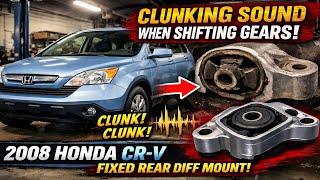
- Clunking or Banging Noises: A sharp clunk, especially when shifting from Park to Reverse, or during initial acceleration from a stop. This is caused by excessive movement in a worn differential mount. 🎬 Watch: How to replace a Honda rear differential mount
- Drivetrain Vibration: A new vibration felt through the floor or seats that changes with vehicle speed. This can point to a failing driveshaft center support bearing, which allows the driveshaft to wobble. 🎬 See how to replace a driveshaft center support bearing
- Groaning or Grinding Sound: A low-frequency groaning or grinding noise under acceleration, particularly on an incline, can indicate a worn mount is allowing drivetrain components to shift and make contact under load.
- Rear-End Instability: In severe cases, a completely failed bracket could make the rear of the vehicle feel loose or unstable, as the differential or driveshaft is no longer properly secured.
Pro Tip: A technical service bulletin (TSB 19-021) for the previous HR-V generation noted that a "metallic buzz or rattle" from the drivetrain could be caused by a software issue, not a physical part failure. Before replacing hardware for a buzzing noise, have a dealer check if any software updates are available for the AWD control unit.
Buying a Used 2023-2026 HR-V AWD Bracket
For a simple, robust part like a drivetrain bracket, a used OEM component from a low-mileage vehicle is an excellent value. Unlike cheap aftermarket alternatives, a used OEM part is guaranteed to fit perfectly and is made from high-quality steel and rubber specified by Honda. Here’s what to inspect before buying:
- Inspect the Rubber Bushings: This is the most critical step. The rubber is the primary wear item. Look for any signs of dry rot, cracking, or tearing. The rubber should be firm and intact. If the bushing is separating from the metal housing, the bracket has failed.
- Check for Cracks or Bending: Carefully examine the metal body of the bracket, especially around the bolt holes and any welded joints. Any cracks or signs of bending indicate the part was likely damaged in a collision and should be rejected.
- Look for Severe Corrosion: Surface rust is normal, but look for deep, flaking rust that could compromise the structural integrity of the bracket. This is especially important for vehicles from states where road salt is used heavily in the winter.
- Verify Compatibility: These brackets are ONLY for All-Wheel Drive (AWD) models. They will not fit a Front-Wheel Drive (FWD) HR-V. Double-check the donor vehicle's specifications.
Warning: This part is exclusively for 2023-2026 Honda HR-V models equipped with All-Wheel Drive (AWD). It is not compatible with Front-Wheel Drive (FWD) vehicles.
Known Issues, TSBs, and Recalls
As of mid-2024, there are no specific recalls or widespread TSBs for failing differential or driveshaft brackets on the 2023-2026 Honda HR-V. The vehicle is still relatively new, and these are durable components.
However, be aware of other issues affecting this generation of HR-V:
- NHTSA Recall 23V-782: Affects some 2023-2024 HR-V models for a missing rivet in the front seatbelt pretensioner assembly, which could cause it to function improperly in a crash.
- Shattering Rear Windows: A significant number of owners have filed complaints with NHTSA about the rear windshield spontaneously shattering, sometimes when using the defroster. This is a widely discussed issue for the 2023 model year.
Replacement Cost & Difficulty
Replacing a differential mount or driveshaft support bracket is a moderately difficult job best suited for an experienced DIYer or a professional shop.
| Item | Estimated Cost |
|---|---|
| New OEM Bracket | $130 - $270 (per mount) |
| New Aftermarket Bracket | $35 - $75 |
| Used OEM Bracket | $75 - $150 |
| Shop Labor | $200 - $400 |
Cost estimates are approximate and can vary by location and the specific bracket being replaced. Labor costs typically cover 1.5 to 3 hours of work.
Installation Overview
The vehicle must be safely raised and supported on jack stands. The exhaust or various underbody panels may need to be removed for access. A transmission jack or pole jack is required to support the heavy differential or driveshaft while the old bracket is unbolted and the new one is installed. This is not a simple bolt-off, bolt-on job due to the weight of the components involved.
Frequently Asked Questions
Can I use a bracket from a FWD HR-V on my AWD model?
No. The rear drivetrain, and therefore these support brackets, only exist on All-Wheel Drive models. The subframes are different, and the parts are not interchangeable.
Is it safe to drive with a failing AWD bracket?
It is not recommended. While a minor clunk might seem harmless, it indicates a component is loose. Continued driving can cause the failure to worsen, leading to more severe vibrations, damage to the driveshaft or differential, and a potential loss of vehicle control in a worst-case scenario.
My HR-V makes a whining noise from the rear. Is it a bad bracket?
A bracket is more likely to cause a clunk or vibration. A steady whining noise that changes pitch with speed is a classic symptom of a failing bearing or gear set inside the rear differential itself. This often requires replacing the entire differential carrier assembly.
Can I just replace the rubber bushing instead of the whole bracket?
Sometimes, but it is often not practical. For many OEM brackets, the bushing is not sold as a separate part. Even if an aftermarket bushing is available, pressing the old one out and a new one in requires special tools (like a hydraulic press or specialized pullers) and can be more labor-intensive than simply replacing the entire bracket assembly.
Helpful Videos

Technical Specifications
OEM Part Numbers: 50710-3W1-A11 40100-3W1-A01
Primarily steel or aluminum construction with integrated rubber or hydraulic bushings. Specific to All-Wheel Drive (AWD) models.

The information in this article is provided for general reference and educational purposes only. Vehicle specifications, procedures, and part compatibility can vary by production date, trim level, and region. Always consult your vehicle's factory service manual and verify part numbers before purchasing or performing repairs. Safety-critical components such as airbags, seat belts, and braking systems should be installed by a qualified professional.
- Honda HR-V: