

2014-2017 Caprice PPV & Chevy SS Front Lower Control Arms: Forward vs. Rearward Explained
Diagnose clunks, pops, and wandering steering by understanding the unique two-arm front suspension on these V8-powered sedans.
- The 2014-2017 Caprice/SS has a unique two-arm front lower suspension; you must identify if you need the 'forward' or 'rearward' arm.
- Clunking over bumps, wandering steering, and uneven tire wear are the most common symptoms of a failed bushing or ball joint.
- A GM Technical Service Bulletin (PIT5533C) addresses front-end noise by re-torquing the control arm bolts to 129 lb-ft (175 Nm).
- A professional wheel alignment is mandatory after replacing any control arm to ensure safety and prevent rapid tire wear.
Understanding the Two-Arm Front Suspension

The most important thing to know about the front lower control arms on a 2014-2017 Caprice PPV or Chevy SS is that there isn't just one per side—there are two. This design, inherited from the Australian Holden Commodore (VF), provides superior handling and suspension geometry. However, it can cause confusion when ordering parts. You must correctly identify whether you need the forward arm (radius rod) or the rearward arm (lateral link), in addition to specifying the driver or passenger side.
- Forward Arm (Radius Rod/Tension Arm): This is the thinner, straighter arm that points towards the front of the vehicle. Its main job is to prevent the wheel from moving forward or backward during acceleration and braking. The large bushing on this arm is a common failure point.
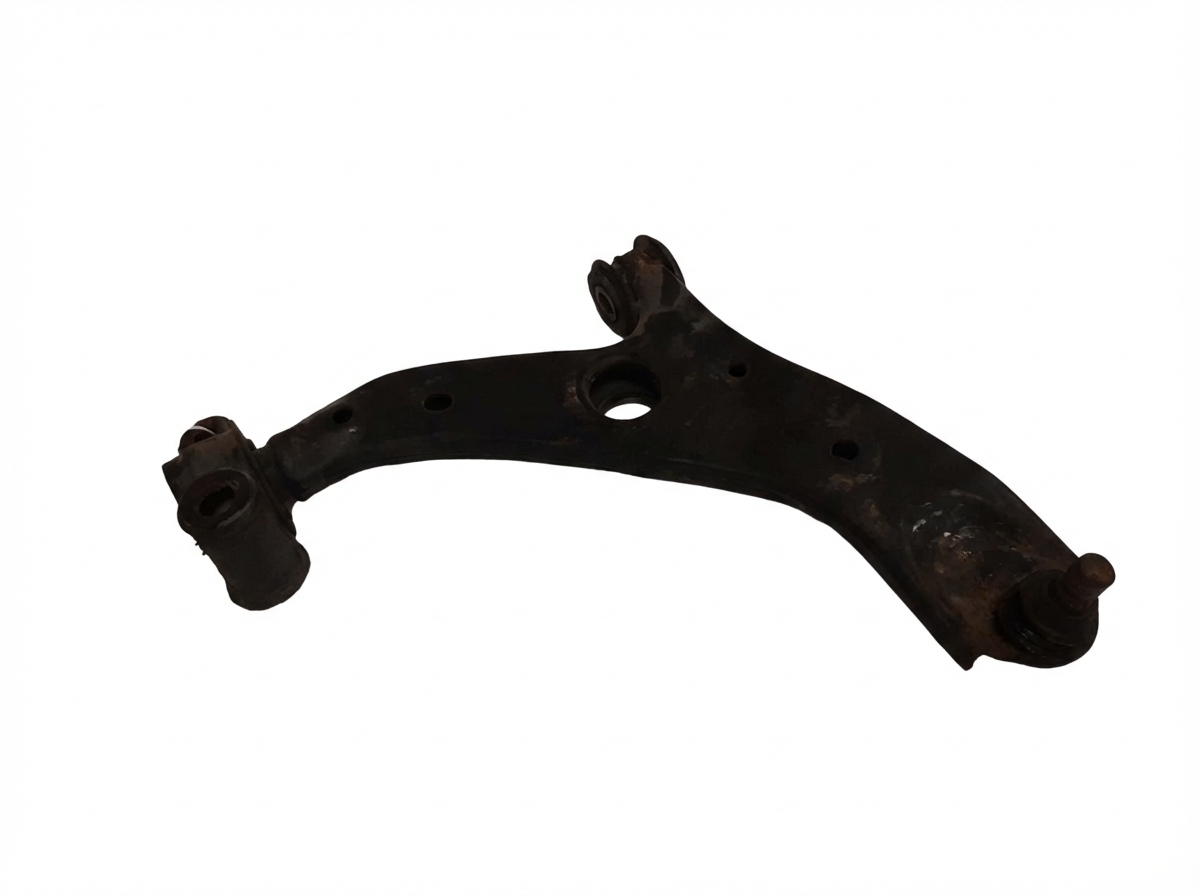
- Rearward Arm (Lateral Arm): This is the larger, more curved arm that sits behind the forward arm. It contains the ball joint that connects to the bottom of the steering knuckle and handles most of the lateral (side-to-side) forces during cornering.
Symptoms of a Failing Front Lower Control Arm

Failure in these arms is almost always due to worn-out rubber bushings or a failing ball joint. The metal arm itself is very strong and unlikely to fail unless bent in a collision.
Common Failure Sounds
- Clunking or Knocking: A clunking sound when driving over bumps, potholes, or uneven pavement is the most common symptom. This is caused by excessive play in a worn bushing or ball joint, allowing metal components to hit each other.
- Creaking or Squeaking: A creaking noise, especially during low-speed turns or when pulling away from a stop, often points to dried-out or torn rubber bushings.
- Popping or Snapping: A sharp pop or snap when turning the steering wheel can be a sign of a badly worn ball joint that is binding and releasing.
Steering and Handling Issues
- Wandering or Vague Steering: The vehicle may feel unstable, requiring constant small steering corrections to keep it straight. This is often caused by worn bushings allowing the wheel alignment to shift dynamically.
- Pulling to One Side: A bad control arm on one side can cause the vehicle to pull towards that side, especially during braking.
- Uneven Tire Wear: When bushings or ball joints wear, they can no longer hold the proper wheel alignment. This leads to accelerated and uneven tire wear, often on the inner or outer edges.
- Vibrations: A vibration felt in the steering wheel, especially over rough surfaces, can be caused by the excessive movement of a worn control arm assembly.
Known Issues, TSBs, and Recalls

While no specific recalls target the control arms themselves for this model range, there are related service bulletins and common issues reported by owners.
- Technical Service Bulletin PIT5533C: This TSB addresses a creak, click, or pop from the front suspension area during turns. The suggested fix is to re-torque the front lower control arm mounting bolts and the front frame crossmember bolts to new specifications. The torque for the lower control arm bolts is specified as 175 Nm (129 lb-ft).
- Common Bushing Failure: The large hydraulic bushings, particularly on the forward arms (radius rods), are a well-known failure point. They can tear or leak fluid, leading to significant play in the suspension, clunking noises, and darty steering.
- Power Steering Recall: While not a control arm issue, a recall was issued for 2014-2016 Caprice PPVs for potential corrosion in the electric power steering connector, which could lead to a loss of power assist. It's worth checking if this has been performed on any potential vehicle.
Compatibility Warning: The Chevrolet SS was available with Magnetic Ride Control (MRC) suspension as an option. The Caprice PPV was not. While many suspension parts are interchangeable between the SS and PPV, control arms for MRC-equipped cars may be different. Always verify part numbers and compatibility before purchasing.
Buying a Used Front Lower Control Arm
A high-quality, low-mileage used OEM control arm can be an excellent value, offering the same fit and durability as a new part for a fraction of the price. Cheap aftermarket arms often use lower-quality bushings and ball joints that can fail prematurely.
Inspection Checklist for Used Arms
- Check for Bends or Cracks: Lay the arm on a flat surface. It should not be twisted or bent. Carefully inspect all welds and surfaces for any signs of cracking, which would indicate it has been in a collision.
- Inspect the Bushings: Look for cracks, tears, or signs of dry rot in the rubber. The large, round hydraulic bushings should be checked for any signs of leaking fluid (a dark, greasy stain). Squeeze the bushing; it should be firm, not soft or mushy.
- Test the Ball Joint (Rearward Arm): Try to move the ball joint stud by hand. It should be stiff and difficult to move. Any looseness, side-to-side play, or gritty feeling means the ball joint is worn and the arm should be rejected. The rubber boot should be intact with no rips or tears.
- Verify Part Numbers: If possible, match the stamped or stickered part number on the arm to the list of known OEM numbers to ensure you are getting the correct part for your vehicle's side (left/right) and position (forward/rearward).
Replacement and Installation

Replacing a lower control arm is a job for an experienced DIY mechanic or a professional. It requires lifting the vehicle safely and using tools capable of handling high torque values.
Related Parts to Replace at the Same Time
If you are replacing one control arm due to age or high mileage, it's wise to inspect the others closely. Consider replacing parts in pairs (both forward arms, or both rearward arms) to maintain balanced handling.
- Sway Bar End Links: These are a very common source of front-end clunking and are inexpensive and easy to replace at the same time.
- The Other Lower Arm: If the forward arm has failed, the rearward arm on the same side has experienced the same mileage and road conditions. Inspect it carefully.
- Strut Assembly: Worn strut top mounts can also cause knocking sounds. Inspect them for any visible gap between the mount and the strut tower.
Pro Tip: When tightening the control arm mounting bolts, the final torque should be applied with the vehicle's full weight on the suspension (at normal ride height). Tightening the bolts with the suspension hanging down can preload and quickly destroy the new rubber bushings.
Torque Specifications
Always use a torque wrench for final tightening to ensure safety and prevent noise issues.
- Lower Control Arm to Subframe Bolts/Nuts: 175 Nm (129 lb-ft) per TSB PIT5533C.
- Ball Joint Nut (Rearward Arm): This is a high-torque connection. While specific specs for the Caprice were hard to find in the search, similar GM platforms require significant torque. Always consult a factory service manual for the exact procedure.
Warning: A professional wheel alignment is mandatory after replacing any control arm. Failure to do so will result in poor handling, unsafe driving characteristics, and rapid tire wear.
Cost Comparison: New vs. Used vs. Aftermarket
Prices can vary significantly based on brand and supplier. These are general estimates.
| Part Type | Estimated Price (Per Arm) | Notes |
|---|---|---|
| New OEM (GM/ACDelco) | $150 - $300+ | Highest quality and perfect fit, but most expensive. |
| New Aftermarket | $70 - $180 | Quality varies wildly. Brands like Dorman, Mevotech, and Moog are common, but reviews can be mixed. |
| Used OEM | $50 - $125 | Excellent value. Provides OEM quality at a much lower price. Thorough inspection is key. |
| Shop Labor | $170 - $250 (per side) | Labor for one side, not including the part or alignment. |
| Wheel Alignment | $100 - $200 | A required additional cost after the repair. |
Frequently Asked Questions (FAQ)
Will a control arm from a Chevy SS fit my Caprice PPV?
Yes, in most cases. The 2014-2017 Caprice PPV and the standard (non-MRC) Chevy SS share the same basic front suspension components. Many part numbers are identical. However, always double-check that the part is not from an SS equipped with Magnetic Ride Control (MRC), as those components may differ.
Can I just replace the bushings instead of the whole arm?
While it is technically possible to press out old bushings and press in new ones, it is often not practical. It requires a hydraulic shop press and special tools. For the rearward arm, the new arm comes with a new ball joint. Considering the cost of labor and the fact that a complete used OEM arm is often inexpensive, replacing the entire assembly is usually the faster, easier, and more reliable repair.
Do I need to replace control arms in pairs?
It is highly recommended. If the control arm on one side has failed due to wear, the arm on the other side has the same amount of mileage and is likely not far behind. Replacing them in pairs ensures balanced handling and prevents you from having to do the same job again in the near future.
What's that clunking noise? Is it the forward or rearward arm?
It can be difficult to tell without a physical inspection. However, clunking during braking or acceleration often points to the forward arm's bushings. Clunking combined with steering looseness or popping during turns may point more towards the rearward arm's ball joint or bushings. A thorough inspection on a vehicle lift is the only way to be certain.
Technical Specifications
OEM Part Numbers: 92244138 92244141 92250641 92253414 92253877 92253878 92260214 92260215 92262618 92280011 92280031 92280033 92280035 92280201 92280203
Lower Control Arm to Subframe Bolt Torque: 175 Nm (129 lb-ft).
We Have This Part in Stock

The information in this article is provided for general reference and educational purposes only. Vehicle specifications, procedures, and part compatibility can vary by production date, trim level, and region. Always consult your vehicle's factory service manual and verify part numbers before purchasing or performing repairs. Safety-critical components such as airbags, seat belts, and braking systems should be installed by a qualified professional.
- Chevrolet Caprice:
- 🛍️ Shop This Part
- Understanding the Two-Arm Front Suspension
- Symptoms of a Failing Front Lower Control Arm
- Common Failure Sounds
- Steering and Handling Issues
- Known Issues, TSBs, and Recalls
- Buying a Used Front Lower Control Arm
- Inspection Checklist for Used Arms
- Replacement and Installation
- Related Parts to Replace at the Same Time
- Torque Specifications
- Cost Comparison: New vs. Used vs. Aftermarket
- Frequently Asked Questions (FAQ)
- 🎟️ Get 5% Off