

2009-2013 Mazda 6 Lighting Control Module: Solving Flickering Lights & Mismatched Parts
Diagnose common lighting failures and learn the critical compatibility details you must verify before buying a replacement Lighting Control Module for your Mazda 6.
- Compatibility is the biggest challenge. You MUST match the part number or verify your car's options (automatic headlights, DRLs) before buying.
- The specific part number GS3L-67-7M0A is for base models WITHOUT auto headlights and WITHOUT daytime running lamps.
- While the physical swap is easy, be prepared for the possibility that the replacement module may need to be programmed by a dealer to work correctly.
- Always check fuses and bulbs first, as these simple fixes can mimic the symptoms of a bad module.
Symptoms of a Failing 2009-2013 Mazda 6 Lighting Control Module
A faulty Lighting Control Module can cause a variety of issues that may seem unrelated at first. Because the module controls multiple lighting systems, you might notice more than one of these symptoms. Always check the bulbs and fuses first before suspecting the module.
- Intermittent or Non-Working Lights: Headlights, taillights, or brake lights may work sporadically or not at all. You might notice one headlight is out, but replacing the bulb doesn't fix it.
- Flickering Lights: Headlights or dashboard lights may flicker, dim, or brighten unexpectedly while driving. This often points to an internal module problem rather than a battery or alternator issue.
- Turn Signal and Hazard Light Problems: The turn signals may blink much faster than normal (hyper-flashing) or not blink at all.
- Brake Light Failure: Brake lights may not illuminate when you press the pedal, or they might stay on continuously. This is a major safety hazard.
- Dashboard Illumination Issues: The lights that illuminate your instrument cluster may fail to turn on, making it impossible to see your gauges at night.
- Exterior Lighting Warning Light: A warning light on your dashboard related to the lighting system may illuminate, indicating a fault detected by the vehicle's onboard diagnostics.
Known Issues, TSBs, and Recalls
While there are no widespread recalls specifically for the main lighting control module on the 2009-2013 Mazda 6, there are a few related items to be aware of:
- Dim Xenon Headlights (2013 Models): A Technical Service Bulletin (TSB) was issued for some 2013 models equipped with Xenon (HID) headlights that became dim over time. The cause was identified as a faulty internal headlight reflector, not the control module. This was a relatively inexpensive part to replace.
- Air Bag Control Unit Recall (2009-2010 Models): A safety recall was issued for the air bag control unit on some 2009-2010 models due to potential moisture intrusion causing corrosion. This is a separate module from the lighting controller but highlights the potential for electronic module issues in this generation.
- Condensation in Lenses: Mazda has noted that minor condensation or fog inside the headlamp or taillight lenses is a natural phenomenon due to temperature differences and is not considered a defect. However, large water droplets or pooling water indicates a bad seal.
Pro Tip: Before condemning the LCM, use a multimeter to check for power and ground at the affected light's connector. A bad ground wire can cause many of the same symptoms as a faulty module.
Buying a Used Lighting Control Module: What You MUST Know
Purchasing a used OEM lighting module is a cost-effective repair, but success depends entirely on getting the correct part. Mismatched modules can result in lights not working or features being disabled.
1. Compatibility is Critical: Match Your Vehicle's Options
Mazda produced several different lighting modules for this generation of Mazda 6, depending on the vehicle's factory-installed options. The single most important step is to match the part number from your original module. If you cannot, you must verify your vehicle's lighting package.
Warning: The part number GS3L-67-7M0A specifically fits models that do NOT have automatic headlamp control and do NOT have daytime running lamps (DRLs). Installing this in a car with those features will cause problems. Other modules exist for different option combinations, such as GS3N-67-7M0A for vehicles with auto lights. Physically inspect your headlight switch stalk: if it has an "AUTO" position, you have automatic headlights.
2. Programming & Installation
For a base model vehicle without automatic headlights, a matching used LCM is often plug-and-play. However, the lighting controls can be integrated with the main Body Control Module (BCM), which may require programming to function correctly with your specific vehicle. Some sources indicate that a replacement module may need to be programmed using dealer-specific software. Be prepared for the possibility that a trip to a dealer or a well-equipped independent shop may be necessary to synchronize the module to your car. This is especially likely if the replacement module comes from a vehicle with different options than your own.
3. Physical Inspection of a Used Part
When you receive your used module, inspect it carefully. Look for any signs of corrosion on the pins of the electrical connectors. Check the plastic casing for cracks or any evidence that it has been opened, which could indicate a prior failed repair attempt. A clean, dry module from a reputable recycler is your best bet.
Lighting Control Module Replacement Cost (2009-2013 Mazda 6)
The cost to replace an LCM can vary significantly based on the specific module your car needs and labor rates in your area. The higher estimates often include dealer-level diagnostics and programming.
| Part/Service | Estimated Cost |
|---|---|
| New OEM Module | $150 - $550 |
| New Aftermarket Module | $100 - $300 |
| Used OEM Module | $40 - $120 |
| Shop Labor | $100 - $250 |
| Total Professional Replacement | $250 - $800+ |
Frequently Asked Questions (FAQ)
Does a used Mazda 6 lighting control module need to be programmed?
It depends. If you install a module with the exact same part number from a vehicle with identical options, it is often plug-and-play. However, because lighting functions can be tied to the Body Control Module (BCM), programming may be required. It is best to be prepared for the possibility of needing a dealer or specialized shop to sync the module to your car.
Where is the lighting control module located on a 2009-2013 Mazda 6?
The Lighting Control Module is typically located inside the cabin, under the driver's side dashboard, often near the steering column or main fuse box. You may need to remove a lower dash panel to access it.
Can I drive with a bad lighting control module?
It is not recommended. A failing LCM can cause your headlights, brake lights, or turn signals to fail without warning, which is extremely dangerous and illegal. This poses a significant risk of a collision, especially at night or in poor weather. You could also be ticketed for inoperative safety equipment.
Why do my turn signals blink fast on my Mazda 6?
Fast blinking, or "hyper-flashing," is a built-in feature to alert you that a turn signal bulb has burned out. However, if you have confirmed all the turn signal bulbs are good, the problem could be a faulty Lighting Control Module that is incorrectly sensing a burned-out bulb.
Technical Specifications
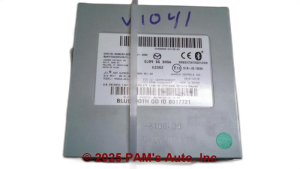
OEM Part Numbers: GS3L-67-7M0A GS3L677M0A GS3N-67-7M0A GS3N677MOA
Controls vehicle lighting systems. Located under driver's side dashboard. Multiple variants exist based on vehicle options.
We Have This Part in Stock



The information in this article is provided for general reference and educational purposes only. Vehicle specifications, procedures, and part compatibility can vary by production date, trim level, and region. Always consult your vehicle's factory service manual and verify part numbers before purchasing or performing repairs. Safety-critical components such as airbags, seat belts, and braking systems should be installed by a qualified professional.
- Mazda 6:
- 🛍️ Shop This Part
- Symptoms of a Failing 2009-2013 Mazda 6 Lighting Control Module
- Known Issues, TSBs, and Recalls
- Buying a Used Lighting Control Module: What You MUST Know
- 1. Compatibility is Critical: Match Your Vehicle's Options
- 2. Programming & Installation
- 3. Physical Inspection of a Used Part
- Lighting Control Module Replacement Cost (2009-2013 Mazda 6)
- Frequently Asked Questions (FAQ)
- 🎟️ Get 5% Off