

2014-2020 Dodge Durango Lighting Module Failure: Symptoms, Programming, and BCM Issues
Your definitive guide to diagnosing faulty lighting control modules (LCM) and body control modules (BCM), understanding programming needs, and fixing common electrical problems in your Durango.
- A replacement Lighting Control Module (LCM) or Body Control Module (BCM) MUST be programmed to the vehicle using a "Proxi Alignment" procedure.
- Failure to program a new or used module will cause a flashing odometer and incorrect function of lights and other accessories.
- Many electrical gremlins, like flickering lights or random wiper activation, are symptoms of a failing BCM, but always check the battery condition first.
- When buying a used module, you must match the OEM part number exactly to ensure compatibility with your Durango's specific options.
Symptoms of a Failing Lighting Module or BCM
A problem with your Durango's lighting control system can manifest in several ways, from simple annoyances to serious safety hazards. Because the lighting controls are tied into the Body Control Module (BCM), you may notice other strange electrical issues at the same time.
- Flickering or Erratic Lights: Headlights, taillights, or interior lights may flicker, dim intermittently, or turn on and off by themselves. This can happen even when the vehicle is parked and turned off.
- Lights Won't Turn On or Off: One or both headlights may fail to illuminate, or you may find that your interior dome lights or dashboard lights are stuck on, potentially draining the battery.
- "Racetrack" Taillight Failure: Many Durango owners report flickering or dead sections in the signature full-width rear taillight. This is very often caused by water getting inside the lamp assembly and shorting out the LEDs. While this is typically a failure of the light assembly's seal, the flickering can sometimes be mistaken for a module problem.
- Dashboard Warning Lights: A fault in the module can trigger various warning lights on your instrument cluster.
- Bizarre Electrical "Gremlins": Because the BCM controls more than just lights, a failure can cause strange behavior. This includes windshield wipers activating on their own, power locks malfunctioning, or the radio acting up.
- No-Start Condition: In some cases, a severe BCM failure can prevent the vehicle from starting.
Pro Tip: Before suspecting the module, always check the basics first. Ensure your battery is fully charged and the terminals are clean and tight. A weak or failing battery is known to cause a host of strange electrical problems in modern vehicles that can easily be mistaken for a bad control module.
The #1 Question: Does a Replacement Module Need Programming?
Yes, absolutely. Replacing a Lighting Control Module or Body Control Module in a 2014-2020 Dodge Durango is not a simple plug-and-play job. The new module must be programmed to the vehicle using a procedure called a Proxi Alignment (also called Proxi Configuration).
Think of a Proxi Alignment as a digital handshake. It introduces the new module to all the other computers (for the engine, transmission, ABS, etc.) on the vehicle's data network. This process ensures that the BCM knows exactly what features your specific Durango has (e.g., fog lights, premium sound system, etc.) and can communicate with all other systems correctly.
- What Happens If You Don't Program It? If you install a new or used module without performing a Proxi Alignment, you will almost certainly have a flashing odometer. Many features controlled by the BCM, including the lights, may not work at all.
- Who Can Program the Module?
- Dealership: A Dodge/Chrysler/Jeep dealer is the most reliable option. They have the factory-specific wiTECH scan tool and the training to perform the procedure correctly.
- Independent Repair Shop: Many professional independent shops have high-end scan tools (like Snap-on or Autel) that are capable of performing a Proxi Alignment on FCA vehicles.
- Advanced DIY: It is possible for a knowledgeable DIY mechanic to perform the procedure using specialized software like AlfaOBD or Appcar DiagFCA along with a compatible OBD-II interface. However, this carries some risk if not done correctly.
Buying a Used Lighting Control Module or BCM
A used OEM module can be a smart, cost-effective solution, especially since new modules require the same programming. Here’s what to look for:
- Match the Part Number Exactly: This is the most critical step. The part number on the used module MUST match the one you are replacing. The primary OEM part number for the interior lighting module is 04602891AE, which supersedes older versions 4602891AC and 4602891AD. Different part numbers can have different software or hardware configurations for various trim levels and options. Do not install a module with a different part number.
- Physical Inspection: Carefully inspect the used module for any signs of physical damage. Look for corrosion (white or green powder) on the pins, any indication of water intrusion, or burn marks on the casing or circuit board. Avoid any module that looks like it came from a flood-damaged vehicle.
- Verify the Source: Purchase from a reputable auto recycler that offers a warranty. This gives you protection in case the part is defective.
Known Issues, Recalls, and Service Bulletins
While there are no specific recalls for the Lighting Control Module or Body Control Module on the 2014-2020 Durango, several electrical system recalls and bulletins highlight potential related weaknesses:
- Recall for Sun Visor Wiring (NHTSA #14V391000): On 2011-2014 models, the vanity lamp wiring in the sun visor could short circuit after a repair, increasing the risk of a fire.
- Recall for Alternator Failure (NHTSA #17V435000): Certain 2011-2014 Durangos had alternators that could fail suddenly, potentially causing the vehicle to stall.
- TSB for Headlamp Condensation (e.g., NHTSA ID 10251854): Dodge issued service bulletins acknowledging that moisture can get inside the headlamp assemblies. This is a problem with the lamp assembly itself, not the control module, but it results in a lighting issue. 🎬 Watch this guide on diagnosing Dodge Durango headlamp issues
Cost Comparison for Replacement
Prices can vary based on your location and the chosen repair route. The module itself is not typically expensive, but the diagnostic and programming labor add to the total cost.
| Part or Service | Estimated Cost |
|---|---|
| New OEM Lighting Module (04602891AE) | $30 - $75 |
| Used OEM Lighting/Body Module | $25 - $100 |
| Shop Labor (Diagnosis & Replacement) | $120 - $180 |
| Programming (Proxi Alignment) | Often included in labor, but can be a separate $75 - $150 charge. |
| Total Estimated Cost (Shop Repair) | $300 - $700+ |
Frequently Asked Questions (FAQ)
Where is the Lighting Control Module / BCM located on a 2014-2020 Dodge Durango?
The main Body Control Module (BCM), which handles lighting functions, is typically located inside the cabin, under the dashboard on the passenger side, behind the kick panel. 🎬 Watch: How to locate your Durango's BCM control module The smaller lighting module (04602891AE) is often part of the instrument panel dimmer switch assembly.
🎬 See this step-by-step headlight dimmer switch replacement videoCan I drive my Durango with a failing lighting module?
It is not recommended. If your headlights, brake lights, or turn signals are not working correctly, the vehicle is unsafe and illegal to operate on public roads. Even if the symptoms seem minor, they could worsen without warning, leaving you without lights at night.
Why are my taillights flickering but my headlights are fine?
This often points to a problem with the taillight assembly itself, not the control module. The full-width "racetrack" taillight on the Durango is known for developing bad seals, allowing water to enter and damage the internal LED circuits. If only one specific light assembly is acting up, it's more likely a problem with that part or its wiring rather than the central module.
Will a used module from another Durango work in my vehicle?
Yes, provided two critical conditions are met: 1) The part number on the used module must be an exact match to your original part. 2) The used module MUST be correctly programmed to your vehicle using the Proxi Alignment procedure after installation. Without these steps, it will not work correctly.
Helpful Videos

Technical Specifications
OEM Part Numbers: 04602891AE 4602891AD 4602891AC
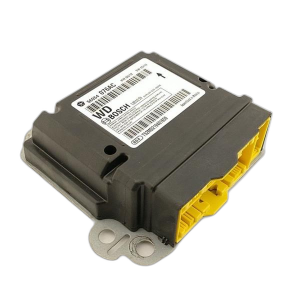
The Lighting Control Module (LCM) is integrated with the Body Control Module (BCM) and operates on the vehicle's CAN bus network. Replacement requires a Proxi Alignment programming procedure.
We Have This Part in Stock



The information in this article is provided for general reference and educational purposes only. Vehicle specifications, procedures, and part compatibility can vary by production date, trim level, and region. Always consult your vehicle's factory service manual and verify part numbers before purchasing or performing repairs. Safety-critical components such as airbags, seat belts, and braking systems should be installed by a qualified professional.
- Dodge Durango:
- 🎬 Helpful Videos
- 🛍️ Shop This Part
- Symptoms of a Failing Lighting Module or BCM
- The #1 Question: Does a Replacement Module Need Programming?
- Buying a Used Lighting Control Module or BCM
- Known Issues, Recalls, and Service Bulletins
- Cost Comparison for Replacement
- Frequently Asked Questions (FAQ)
- 🎟️ Get 5% Off