

2017-2020 Lincoln MKZ Adaptive Headlight Module: Failure, Programming, and Replacement
This guide covers the common failures of the adaptive LED headlight control module, including programming requirements and replacement costs.
- A replacement module will likely require programming (LIN initialization) by a dealer or a shop with Ford-specific software.
- Failure is often caused by water intrusion due to the module's location on the bottom of the headlight assembly.
- Replacement is labor-intensive, requiring removal of the front bumper and the entire headlight unit.
- A used OEM module offers significant savings over a new part, which costs over $500, but must be inspected for corrosion.
Understanding the 2017-2020 Lincoln MKZ LED Headlight Control Module
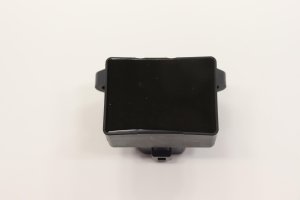
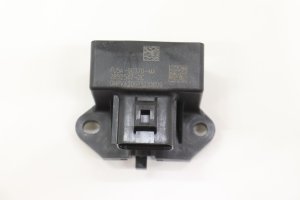
For owners of a 2017-2020 Lincoln MKZ equipped with the optional adaptive full-LED headlights, the LED Headlight Control Module is a critical component. This small electronic box, mounted to the bottom of each headlamp assembly, is responsible for controlling all functions of the advanced lighting system. When it fails, it can cause a range of frustrating and potentially unsafe lighting issues.
Compatibility Warning: This module is only for Lincoln MKZ models equipped with the optional adaptive LED headlights, sometimes referred to as "level 4 adapative" lights. It will not work with the standard HID/Xenon headlights found on other trims.
Does This Module Need to Be Programmed?
This is the most critical question for anyone replacing this module. The answer is, most likely, yes. While one forum source has suggested programming is not needed, the majority of evidence for modern Ford and Lincoln vehicles indicates that a replacement module—whether new or used—must be configured to the vehicle's computer system. This process is often called "LIN network module initialization" or "Headlamp Configuration."
This procedure ensures the new module communicates correctly with the Body Control Module (BCM) and understands the vehicle's specific options. Without this step, the headlights may not work at all, may throw fault codes, or the adaptive features may be disabled. This programming typically requires a dealer's IDS/FDRS diagnostic tool or a high-end independent shop tool like FORScan. It is generally not a simple plug-and-play repair.
Pro Tip: In some cases, if only the headlamp assembly is being replaced and the original module is still functional, you may be able to transfer the original module to the new headlamp. This can sometimes avoid the need for reprogramming, as the car is still communicating with its original, paired module.
Symptoms of a Failing LED Headlight Control Module
A failing module can cause a variety of symptoms, ranging from minor annoyances to critical safety issues. Often, the first sign is a warning message on the dashboard.
- "Check Headlamp System" or "Check Adaptive Headlamps" Message: This is the most common indicator that the vehicle's computer has detected a fault in the lighting system.
- One Headlight Is Out: The module for one side fails, causing that headlight to not illuminate at all, even with a good LED bulb.
- Flickering or Pulsing Headlights: The lights may flicker, strobe, or turn on and off randomly. This indicates the module is failing to provide stable power.
- Adaptive Features Stop Working: The headlights may stop swiveling when you turn or fail to auto-level. The system will revert to a fixed, safe position.
- High or Low Beams Stuck: You may be unable to switch between high and low beams.
- Water Damage: Because the module is mounted low on the headlight, it is susceptible to moisture. Physical inspection may reveal corrosion on the pins or a white, chalky residue on the case.
Common Diagnostic Trouble Codes (DTCs)
A professional scan tool can pull specific codes that point toward a module failure. These are often "U" (Network) or "B" (Body) codes.
| Code | Description |
|---|---|
| U0181 | Lost Communication With Headlamp Control Module (HCM). |
| U0253 | Lost Communication With Accessory Protocol Interface Module (part of a group of codes in a TSB). |
| B1D64 / B1D65 | Relate to headlamp position sensor circuits, often triggered after headlamp replacement on earlier models. |
| B1D00 / B1D01 | Low beam circuit fault for the left or right side, respectively. |
Known Issues, TSBs, and Recalls
While there are no specific recalls for the 2017-2020 MKZ headlight control module itself, there are related service bulletins and recalls for similar models that provide useful context.
- TSB SSM 46900: Some 2017 MKZ vehicles may show a "Check Headlamp Message" after a remote start event, potentially storing DTCs U0401, U0253, and/or U0155. Ford noted that engineering was investigating the concern.
- Recall 20C10 (NHTSA 20E-025): This recall was for replacement headlamp assemblies sold for the 2013-2016 MKZ. Dealers had inadvertently used non-compliant parts intended for other markets, which had improper beam patterns and lacked side markers. This highlights the importance of using the correct, market-specific parts.
Buying a Used LED Headlight Control Module
Given the high cost of a new OEM module, a used part is an excellent value. However, it's important to buy smart to ensure you get a good part.
- Verify the Part Number: The most important step. Match the OEM part number from your original module exactly. The primary service part number is HP5Z-13C788-A. You may also see engineering numbers like HP53-13B626-AD, AE, or AF printed on the unit. Do not rely on vehicle year and model alone.
- Inspect for Water Damage: Ask the seller for clear photos of the connector pins. Look for any signs of green or white corrosion. Check the aluminum casing for any chalky residue or swelling, which indicates internal corrosion from moisture.
- Check the Donor Vehicle History: If possible, choose a part from a vehicle with lower mileage and no evidence of front-end collision or flood damage.
- Understand the Programming Requirement: Factor in the potential cost of having the used module programmed to your vehicle by a dealer or qualified shop.
Replacement Cost Breakdown
Replacing the headlight control module is an expensive repair, primarily due to the high cost of the part and the labor required to access it.
| Item | Estimated Cost | Notes |
|---|---|---|
| New OEM Module | $485 - $525 | This is the discounted price from online Ford/Lincoln dealers. MSRP is over $970. |
| Used OEM Module | $75 - $200 | Price varies based on condition and seller (e.g., eBay, local salvage yards). |
| New Aftermarket | Not Widely Available | Quality aftermarket options for this specific adaptive module are rare. Be cautious of generic modules. |
| Shop Labor | $230 - $450 | Includes bumper/headlight removal and installation. Programming may be an additional charge. |
| Total (New OEM) | $715 - $975+ | Using a new part installed by a shop. |
| Total (Used OEM) | $305 - $650+ | Using a used part installed by a shop. Significant savings are possible. |
Frequently Asked Questions (FAQ)
Can I replace the LED headlight control module myself?
This is a difficult DIY job, rated 4 out of 5. The module is attached to the bottom of the headlight assembly, which requires removing the front bumper cover to access and remove the entire headlight. While possible for an experienced DIY mechanic with the right tools, the added complexity of potential programming makes a professional installation a safer choice for many.
What is the main cause of module failure?
While electronic components can fail over time, the most common external cause is water intrusion. The module's location at the bottom of the headlight makes it vulnerable to moisture from heavy rain, car washes, or damaged headlight seals. This moisture corrodes the internal circuit board, leading to failure.
Could my flickering headlight just be a bad bulb?
It's possible, but less likely with LED systems compared to HID/Xenon. LED failures are more often all-or-nothing. Flickering, especially if it changes with engine RPM or when other electronics are used, points more strongly to a power regulation issue within the control module. If only one light is acting up, you could try swapping modules between the left and right headlights (if they are identical) to see if the problem follows the module. This would confirm the module is the faulty component.
Is it safe to drive with a failing headlight module?
No. Driving with malfunctioning headlights is a serious safety risk and is illegal. Reduced visibility at night can lead to accidents. A headlight that is out, flickering, or aimed improperly can also fail to make your vehicle visible to other drivers. This issue should be addressed immediately.
Technical Specifications
OEM Part Numbers: HP5Z-13C788-A HP5Z13C788A HP53-13B626-AD HP5313B626AD HP53-13B626-AE HP5313B626AE HP53-13B626-AF HP5313B626AF
Controls adaptive (swiveling) full-LED headlamps. Mounts to the bottom of the headlamp assembly. Communicates on the vehicle's LIN bus network.
We Have This Part in Stock




The information in this article is provided for general reference and educational purposes only. Vehicle specifications, procedures, and part compatibility can vary by production date, trim level, and region. Always consult your vehicle's factory service manual and verify part numbers before purchasing or performing repairs. Safety-critical components such as airbags, seat belts, and braking systems should be installed by a qualified professional.
- Lincoln MKZ:
- 🛍️ Shop This Part
- Understanding the 2017-2020 Lincoln MKZ LED Headlight Control Module
- Does This Module Need to Be Programmed?
- Symptoms of a Failing LED Headlight Control Module
- Common Diagnostic Trouble Codes (DTCs)
- Known Issues, TSBs, and Recalls
- Buying a Used LED Headlight Control Module
- Replacement Cost Breakdown
- Frequently Asked Questions (FAQ)
- 🎟️ Get 5% Off