

2016-2017 Hyundai Sonata Lane Departure Module: Failures, Calibration, and Replacement
A detailed guide to the Lane Departure Warning (LDW) module for 2016-2017 Hyundai Sonata Hybrid and Plug-In Hybrid models, covering common problems, calibration needs, and replacement costs.
- This module (part number 95890-E6000) is exclusively for 2016-2017 Hyundai Sonata Hybrid and Plug-In Hybrid models.
- Calibration by a professional with a high-end scan tool is mandatory after replacing the module, a windshield, or performing an alignment.
- The most common symptom of failure is a "Check Lane Safety system" warning message on the dashboard.
- While you can physically install a used module yourself, the final calibration step is not a DIY job and must be factored into the repair cost.
Lane Departure Warning Module for 2016-2017 Hyundai Sonata
Vehicle Fitment Warning: This Lane Departure Warning (LDW) module, OEM part number 95890-E6000, is specifically for 2016-2017 Hyundai Sonata Hybrid and Plug-In Hybrid (PHEV) models only. It will not function on standard gasoline engine Sonatas of the same years. Always verify the part number before purchasing.
Symptoms of a Failing LDW Module
When the lane departure module begins to fail, the vehicle will typically alert the driver through messages on the instrument cluster. The most common symptoms include:
- "Check Lane Safety system" Warning Message: This is the most direct indicator that the system has detected a fault.
- "Lane Safety system disabled. Camera obscured." Message: This can appear if the camera's view is blocked by dirt, ice, or heavy rain, but if it persists after cleaning the windshield, it may indicate an internal camera fault.
- Intermittent or No Warnings: The system may fail to provide an alert when the vehicle drifts across a lane line.
- False Alerts: The system may issue warnings even when the vehicle is centered in the lane, especially on roads with confusing markings or in direct sunlight.
- Warning Light on Dash: A yellow or amber icon, often resembling a car drifting out of a lane, will illuminate on the instrument panel.
Associated OBD-II diagnostic trouble codes (DTCs) are typically in the 'C' range for chassis/ADAS systems. A common code related to LDW camera issues on Hyundai/Kia vehicles is C180508 (LKAS CAN Signal Error), which can sometimes be caused by an improperly mounted camera. Other general network or module communication codes may also be present.
Calibration: The Most Critical Post-Replacement Step
Simply installing a new or used LDW module is not enough. The module must be calibrated to the vehicle. Calibration is the process of teaching the camera its exact position and orientation relative to the car and the road, ensuring it interprets lane markings accurately.
Warning: Calibration is mandatory after replacing the LDW module, replacing the windshield, or performing a wheel alignment. Skipping this step will result in a non-functional or dangerously inaccurate system.
There are two types of calibration:
- Static Calibration: Performed in a workshop using special targets placed at precise distances from the vehicle.
- Dynamic Calibration: Performed by driving the vehicle at a specified speed on a well-marked road, allowing the system to self-align.
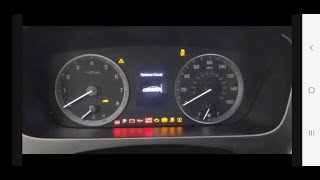
This process requires a professional-grade diagnostic scan tool like the Hyundai GDS or an equivalent high-end scanner. 🎬 Watch this overview explaining how Hyundai's LDWS system works While a DIYer can physically swap the module, the final calibration step must be performed by a dealership or a qualified independent shop with ADAS service capabilities.
Buying a Used Lane Departure Warning Module
Given the high cost of a new OEM module, a used part is a practical option. Here’s what to look for:
- Match the Part Number Exactly: Ensure the part is 95890-E6000. There are no substitutes.
- Inspect for Damage: Check the camera lens for scratches, fogging, or cracks. Inspect the electrical connector pins to ensure they are straight and free of corrosion.
- Source Matters: Purchase from a reputable recycler that offers a warranty. Avoid parts from flood-damaged vehicles, as moisture can cause latent electronic failure.
- Why Used OEM is a Good Choice: Aftermarket versions of this specific module are virtually nonexistent. A used OEM module provides the same factory performance and fitment as a new one, but at a significant discount. Remember to budget for professional calibration.
Known Issues, Recalls, and Technical Service Bulletins (TSBs)
As of late 2026, there are no specific recalls for the LDW module itself on the 2016-2017 Sonata Hybrid. However, there are related service actions and recalls for the model years:
- NHTSA Recall 21V354000 (Campaign 210): Affects the Smart Junction Box, which could cause turn signals to activate in the opposite direction of intended use. This is a software update performed by dealers and is not directly related to the LDW module but involves vehicle electronics.
- Service Action SA243 (for Kia): While for a different model, this TSB is relevant as it addresses DTC C180508 caused by an improperly mounted LDWS camera, which could be a similar issue on the Sonata. The fix involves re-securing the camera and performing calibration.
Replacement Cost Comparison
The cost to replace the LDW module varies significantly between new and used parts. Labor costs for the physical installation are low, but calibration adds to the final price.
| Part/Service | Estimated Cost |
|---|---|
| New OEM Module (95890-E6000) | $1,000 - $1,500 |
| Used OEM Module | $75 - $200 |
| Shop Labor (Physical Installation) | $50 - $100 |
| ADAS Calibration Service | $150 - $400 |
Frequently Asked Questions (FAQ)
Do I absolutely have to calibrate the new module?
Yes. A non-calibrated module will not work. The system will remain disabled with a warning light on the dash until a successful calibration is completed. It is a required safety procedure.
Will a bad LDW module stop my car from starting or driving?
No. The Lane Departure Warning system is not connected to the engine or transmission controls. A faulty module will not prevent the car from starting or driving, but the safety feature will be inoperative.
Can I replace the module myself to save money?
You can perform the physical replacement yourself, which is usually straightforward. The module is located behind the rearview mirror and can be accessed by removing a plastic cover. However, you will still need to take the vehicle to a shop for the final, mandatory calibration.
My LDW system stopped working after a windshield replacement. Is it related?
Yes, this is a very common issue. Removing and reinstalling the camera during a windshield replacement, or even the slight change in glass position, is enough to require a full ADAS recalibration. Any reputable glass shop should perform this as part of the service.
Helpful Videos
![[G-scan] Hyundai LDWS System Explained](https://img.youtube.com/vi/MmCPWlwjJzs/mqdefault.jpg)
Technical Specifications
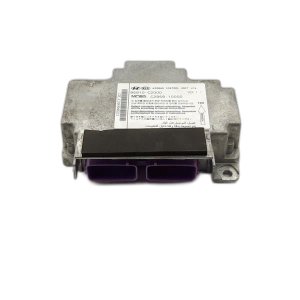
OEM Part Numbers: 95890-E6000 95890E6000
Front-facing camera module for Advanced Driver Assistance System (ADAS)
We Have This Part in Stock



The information in this article is provided for general reference and educational purposes only. Vehicle specifications, procedures, and part compatibility can vary by production date, trim level, and region. Always consult your vehicle's factory service manual and verify part numbers before purchasing or performing repairs. Safety-critical components such as airbags, seat belts, and braking systems should be installed by a qualified professional.
- Hyundai Sonata:
- 🎬 Helpful Videos
- 🛍️ Shop This Part
- Lane Departure Warning Module for 2016-2017 Hyundai Sonata
- Symptoms of a Failing LDW Module
- Calibration: The Most Critical Post-Replacement Step
- Buying a Used Lane Departure Warning Module
- Known Issues, Recalls, and Technical Service Bulletins (TSBs)
- Replacement Cost Comparison
- Frequently Asked Questions (FAQ)
- 🎟️ Get 5% Off