

2015 Hyundai Sonata Lane Departure Module: Calibration, Compatibility, and Replacement Guide
Replacing the Lane Departure Warning (LDW) module in your 2015 Sonata is more than a simple swap—learn why professional calibration is mandatory for this critical safety system.
- Professional calibration is mandatory after replacing the module; the system will not work without it.
- Only use a module with the exact part number 95890-C1000 for the 2015 non-hybrid Sonata.
- This module is not compatible with Hyundai Sonata Hybrid models, which use a different part.
- A warning light after windshield replacement is normal and indicates a need for recalibration, not a broken part.
Symptoms of a Failing Lane Departure Warning Module


When the LDWS module in a 2015 Sonata begins to fail, it will typically alert the driver through specific warnings on the instrument cluster. You won't usually notice physical symptoms like strange noises or smells; the signs are almost always electronic.
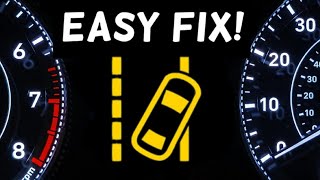
- "Check LDWS" or "Check LKA" Warning Light: The most common symptom is a persistent warning message on the dashboard, such as "Check Lane Departure Warning System" or a similar message for the Lane Keeping Assist (LKA) system. A yellow indicator light will often accompany the message.
- System Unavailable: The system may become intermittently or permanently unavailable. You might notice that the LDWS indicator, which is normally white or green when active, either doesn't appear or stays yellow, indicating a fault. 🎬 Watch: How to reset a persistent LDW warning light This can sometimes be triggered by poor weather like heavy rain or snow, or a dirty windshield blocking the camera's view, but if it persists in clear conditions, it points to a system fault.
- Flashing Dashboard Lights: In some cases, a failing module or related electrical issue can cause multiple warning lights to flash on the dashboard simultaneously, including those for ESC, ABS, and power steering, although this is less common.
- Diagnostic Trouble Codes (DTCs): A professional scan tool can pull specific codes from the LDWS module. A common code related to this system is C160449, which points to an internal control chip problem in the front camera system. Other codes may indicate a loss of communication or a calibration issue.
Warning: Before assuming the module is bad, always ensure the windshield area in front of the camera is perfectly clean and free of obstructions like stickers, dirt, or condensation. A simple obstruction can trigger a system fault warning.
Programming and Calibration: What You MUST Know

This is the most critical aspect of replacing the LDWS module. The physical installation is straightforward, but the module will not function correctly until it is professionally calibrated.
- Calibration is Mandatory: After replacing the module, a calibration procedure is absolutely required. This process aligns the new camera's field of view with the vehicle's geometry to ensure it accurately detects lane markings. Skipping this step will result in a non-functional system and a persistent warning light on the dash.
- Who Can Perform Calibration?: This is not a DIY task. Calibration requires a specialized diagnostic scan tool, like the Hyundai GDS (Global Diagnostic System), and often specific targets placed in front of the vehicle. This service can be performed by a Hyundai dealership or a qualified independent shop that specializes in ADAS services.
- Types of Calibration: The process may involve a static calibration (using targets in a workshop) and/or a dynamic calibration (driving the vehicle at a certain speed on a well-marked road). The scan tool guides the technician through the required steps.
- No Anti-Theft Link: The LDWS module is not tied to the vehicle's anti-theft or immobilizer system. The primary challenge is calibration, not security programming.
Buying a Used Lane Departure Warning Module
A used OEM module can be a cost-effective solution, but careful verification is essential to avoid purchasing an incompatible or faulty part.
- Verify the Part Number: The most common OEM part number for the 2015 non-hybrid Sonata is 95890-C1000. A later revision, 95890-C1100, also exists for the 2015-2017 model years; however, it may not be a direct plug-and-play replacement for a C1000 unit. Always match the part number from your original module.
- Check Vehicle Compatibility: This module is specifically for non-hybrid 2015 Hyundai Sonata models. Hybrid models use a different part number (e.g., 95890-E6000 for 2016-2017 Hybrids) and are not interchangeable.
- Physical Inspection: When buying a used module, inspect it carefully. Look for any signs of damage to the camera lens, the electrical connector pins, or the housing. Avoid any units with cracks, deep scratches on the lens, or evidence of water intrusion.
- Factor in Calibration Costs: Remember that the price of the used part is not your final cost. You must budget for professional calibration, which can add $100 to $400 or more to the total repair cost.
Pro Tip: When replacing this module, it's also a good time to inspect the windshield. The system is designed to work with OEM-specification glass. Chips, cracks, or a low-quality aftermarket windshield can interfere with the camera's ability to see properly, even after calibration.
Known Issues, TSBs, and Recalls
As of this writing, there are no specific recalls or widespread Technical Service Bulletins (TSBs) from Hyundai directly targeting the 2015 Sonata's LDWS module for defects. Most issues reported by owners are related to individual component failure or problems following a windshield replacement that require recalibration. Some owners have reported general electrical issues that can cause multiple warning lights, including the LDWS, to appear. However, these are often traced back to broader problems like a failing alternator or battery, not the module itself.
Cost Comparison
Prices can vary significantly based on the source of the part and local labor rates. Always factor in the mandatory calibration fee.
| Item | Estimated Cost |
|---|---|
| New OEM Module | $1,000 - $1,500 |
| Used OEM Module | $150 - $800 |
| Shop Labor (Installation) | $100 - $200 |
| Shop Labor (Calibration) | $150 - $400 |
Frequently Asked Questions (FAQ)
Can I replace the 2015 Sonata LDWS module myself?
While you can physically swap the module yourself (it's typically located behind the rearview mirror), the vehicle will be inoperable in terms of this safety feature until it is professionally calibrated. Due to the need for specialized tools, a DIY replacement is not recommended unless you have arranged for a mobile ADAS technician or a shop to perform the calibration immediately after.
What is LDWS calibration and why is it so important?
Calibration is the process of electronically aligning the forward-facing camera to ensure it accurately sees the road and lane markings relative to the vehicle's position. It is critical for safety. An uncalibrated or poorly calibrated camera could fail to warn you of a lane departure or, in vehicles with Lane Keep Assist, could even provide incorrect steering inputs.
My LDWS light came on after I got a new windshield. Is the module broken?
Probably not. The module needs to be recalibrated anytime the windshield is replaced. The position of the camera changes slightly, even with a perfect installation, which is enough to throw off its precise measurements. The warning light is indicating that calibration is required.
Will a used LDWS module from a 2016 Sonata work in my 2015 Sonata?
Yes, it should, provided both cars are non-hybrid models and the part number is 95890-C1000. This part is listed for the 2015-2017 Sonata. However, always prioritize matching the exact part number from your original unit to ensure full compatibility. Be cautious with different revision numbers like 95890-C1100, as they may have software differences.
Helpful Videos
Technical Specifications
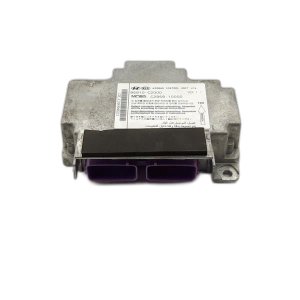
OEM Part Numbers: 95890C1000 95890-C1000
Forward-facing camera module mounted to the upper windshield. Requires professional static and/or dynamic calibration after installation.
We Have This Part in Stock



The information in this article is provided for general reference and educational purposes only. Vehicle specifications, procedures, and part compatibility can vary by production date, trim level, and region. Always consult your vehicle's factory service manual and verify part numbers before purchasing or performing repairs. Safety-critical components such as airbags, seat belts, and braking systems should be installed by a qualified professional.
- Hyundai Sonata: