

2022-2023 Kia EV6 Front Junction Block: Understanding Failures and the ICCU Connection
This guide explains the function of the high-voltage junction block and its critical relationship to the common Integrated Charging Control Unit (ICCU) failures and charging problems.
- Many symptoms, like power loss or a dead vehicle, are likely caused by a faulty Integrated Charging Control Unit (ICCU), not the junction block.
- Check for open recalls (NHTSA 23V173000 / Kia SC302) related to the ICCU before purchasing any parts.
- Replacement of any high-voltage component is extremely dangerous and should only be done by a qualified professional.
- Interrupted home charging is a separate known issue, often fixed with a software update (TSB ELE283) or by lowering the charge rate.
Is It Your Junction Block or the ICCU?
Before replacing the front junction block (part number 91958-CV510), it is critical to understand a widespread issue with the Integrated Charging Control Unit (ICCU) on 2022-2024 Kia EV6 models. Many symptoms that might seem like a junction block failure are actually caused by a faulty ICCU.
The ICCU contains the DC-to-DC converter, which is responsible for charging the 12-volt battery from the main high-voltage battery. A well-documented defect causes the ICCU to fail, often due to thermal stress and voltage spikes. When this happens, the 12-volt battery stops charging. The vehicle's computers and safety systems run on 12-volt power, so as the battery drains, the car will begin shutting down systems, leading to a gradual loss of power while driving and eventually a complete vehicle shutdown.
Warning: A sudden loss of motive power while driving is a significant safety risk. If you see a "Check Electric Vehicle System" warning, pull over safely as soon as possible.
Because of this common failure, Kia has issued several recalls and service campaigns (including NHTSA campaign 23V173000 and Kia campaigns SC271 and SC302) to address the ICCU. The fix is either a software update or, if the diagnostic trouble code P1A9096 is stored, a complete replacement of the ICCU and its associated fuse. Always check with a Kia dealer or use the NHTSA recall website with your VIN to see if your vehicle is affected and if the recall work has been performed.
Symptoms of Failure
The following symptoms are most often related to the ICCU failure, but could also indicate a problem within the broader high-voltage system, including the junction block.
- "Check Electric Vehicle System" Warning Light: This is the most common indicator of a problem in the high-voltage system.
- Gradual Loss of Power While Driving: As the 12V battery dies due to not being charged by the faulty ICCU, the car will enter a reduced power mode before eventually stopping completely.
- Vehicle Will Not Power On: A completely dead 12V battery will prevent the vehicle from starting, even if the main high-voltage battery is fully charged.
- Interrupted AC Charging: The vehicle may repeatedly stop and start charging, or fail to charge completely, on a Level 2 home charger. This can also be caused by a separate issue with the charge port overheating, addressed by TSB ELE283.
Known Issues, Recalls, and Technical Service Bulletins (TSBs)
| Campaign / TSB | Title | Summary |
|---|---|---|
| NHTSA 23V173000 / Kia SC302 | ICCU and Fuse Inspection/Replacement and Software Update | The primary recall for the ICCU failure. A damaged ICCU can fail to charge the 12V battery, leading to power loss. Dealers inspect for DTC P1A9096; if present, they replace the ICCU and fuse. If not, they perform a software update. |
| Kia SC271 | ICCU Software Upgrade or ICCU/Fuse Replacement | An earlier voluntary service campaign with a similar procedure to SC302, addressing potential ICCU damage from over-current conditions. |
| Kia TSB ELE283 | VCMS Battery Charging Logic Improvement | Addresses complaints of Level 2 charging being interrupted. This is due to the charge port inlet overheating. The fix is a software update for the Vehicle Charging Management System (VCMS). Some owners report this update permanently reduces the maximum charging speed. |
Buying a Used 2022-2023 EV6 Junction Block
Purchasing a used high-voltage component requires careful inspection. Given the link to the ICCU issues, it's possible a used junction block was removed from a vehicle with multiple electrical problems.
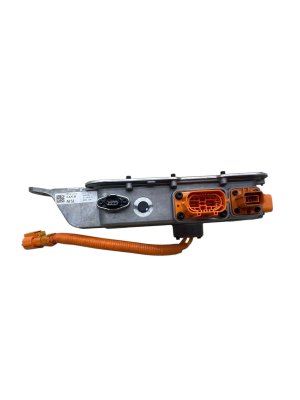
- Verify the Part Number: You must match the OEM part number 91958-CV510 exactly. Other junction blocks exist for different vehicle configurations.
- Physical Inspection: Carefully examine the entire housing for cracks, especially around mounting points. Look for any signs of heat damage, such as melted plastic, discoloration, or charring around the high-voltage connectors.
- Connector Integrity: Inspect all electrical pins and sockets. They should be clean, straight, and free of any corrosion or arcing marks. Green or white crusty buildup indicates moisture intrusion, and the part should be rejected.
- Ask About the Donor Vehicle: If possible, find out why the donor vehicle was salvaged. Avoid parts from vehicles with known electrical, flood, or fire damage. A part from a collision-damaged car is generally a safer bet.
- Warranty/Return Policy: Only buy from sellers who offer a warranty and a clear return policy. This gives you protection in case the part is dead on arrival.
Cost of Replacement
Prices can vary significantly based on supplier and part condition. Labor costs are high due to the specialized safety procedures required for working on high-voltage EV systems.
| Part Type | Estimated Cost |
|---|---|
| New OEM | $580 - $1200 |
| Used OEM | $350 - $600 |
| Shop Labor | $400 - $600 |
Replacement Overview
Danger: High Voltage. This is not a DIY repair for most mechanics. The EV6's high-voltage system can cause serious injury or death if not handled properly. This work should only be performed by trained and qualified technicians.
Replacement involves de-energizing the entire high-voltage system. The basic steps a professional would take include:
- Disconnecting the 12V battery.
- Removing the service interlock plug to physically break the high-voltage circuit.
- Waiting at least 5-10 minutes for the system's capacitors to fully discharge.
- Using proper insulated tools and personal protective equipment (PPE) to remove and replace the junction block.
- Re-energizing the system and performing diagnostic checks to ensure all components are communicating correctly.
Frequently Asked Questions (FAQ)
What is the difference between the Front Junction Block and the ICCU?
The Front Junction Block is a power distribution center, like a breaker panel, that directs high-voltage power. The ICCU (Integrated Charging Control Unit) is a smart device that contains the onboard AC charger and the DC-DC converter that charges your 12V battery. While they work together, the ICCU is the component with the widely known recall.
My EV6 lost power while driving. Is it the junction block?
It is much more likely to be the common ICCU failure. When the ICCU fails, it stops charging the 12V battery, which causes the car's systems to shut down, leading to power loss. You should have your vehicle diagnosed by a qualified dealer to check for ICCU-related trouble codes like P1A9096 before suspecting the junction block.
Is it safe to replace the junction block myself?
No, unless you are a trained high-voltage technician with the proper safety equipment. The risk of electric shock is extremely high and potentially fatal. This repair should be left to professionals.
Why does my EV6 stop charging on my home charger?
This is a known issue, often caused by the vehicle's charge port overheating. Kia released a Technical Service Bulletin (TSB ELE283) with a software update to manage this. Some owners find that manually lowering the charge rate (amperage) in the vehicle's settings or on their charger also prevents the interruptions.
Technical Specifications
OEM Part Numbers: 91958-CV510 91958CV510
High-voltage power distribution module for the front of the vehicle.
We Have This Part in Stock

The information in this article is provided for general reference and educational purposes only. Vehicle specifications, procedures, and part compatibility can vary by production date, trim level, and region. Always consult your vehicle's factory service manual and verify part numbers before purchasing or performing repairs. Safety-critical components such as airbags, seat belts, and braking systems should be installed by a qualified professional.
- Kia EV6: