

2021-2025 Tesla Model S & X Cabin Radar: 'Sensor Obstructed' Alerts & Replacement Guide
Diagnosing cabin radar alerts and understanding the replacement process for the interior object detection sensor in your refreshed Tesla Model S or Model X.
- This sensor is a radar unit, not a camera, used for security and occupant detection in 2021+ refreshed Model S and X.
- The most common failure symptom is a "Cabin occupancy radar obstructed" alert on the screen.
- Replacement is NOT a simple DIY job. The new sensor requires a software re-installation by Tesla Service or a qualified shop.
- Before buying a replacement, ensure the sensor is not simply being blocked by an aftermarket accessory like a sunglass holder.
Symptoms of a Failing Cabin Radar Sensor

When the cabin radar sensor fails or is obstructed, your Tesla will typically display a clear alert on the center touchscreen. You are unlikely to notice physical symptoms, but you will lose certain security and safety functions.
- "Cabin occupancy radar obstructed" Alert: This is the most common message. It indicates that the sensor's view is blocked, either by an internal failure or a physical object. A specific alert code for this is ICR_a137.
- "Interior detection sensor unavailable" Message: A more general alert pointing to a fault with the sensor.
- Secondary Airbag System Faults: Because the cabin radar is replacing traditional seat occupancy sensors, a fault in the radar can trigger a related safety restraint system fault, such as the alert code "VCRIGHT-a556". 🎬 See how to diagnose and fix a Tesla AirBag SRS light This indicates the airbag system may be compromised.
- Security System Features Disabled: You may find that you are unable to activate advanced anti-theft features that rely on detecting motion inside the vehicle.
Known Issues for 2021-2025 Model S & Model X

Sensor Obstruction from Accessories
The most frequent issue reported by owners is not a part failure, but an obstruction. The radar is located in the overhead console, near the rearview mirror. Aftermarket accessories like sunglass holders, large dash cams, or even some radar detectors 🎬 Watch: How to safely hardwire a radar detector in a refreshed Model S or X can physically block the sensor's field of view. Before assuming the sensor has failed, remove any items from the overhead console and rearview mirror area to see if the "Cabin occupancy radar obstructed" alert clears.
Pro Tip: If you are getting a persistent obstruction alert, check for anything attached to or stored near the overhead console. The sensor needs a clear, unobstructed view of the cabin to function correctly.
Recalls and Technical Service Bulletins (TSBs)
As of mid-2026, there are no specific recalls or Technical Service Bulletins (TSBs) issued by Tesla or the NHTSA for the failure of this specific interior radar sensor. Recalls for these vehicles have addressed other components like driver airbags and rearview camera software.
Buying a Used Interior Object Detection Sensor

Since this is a proprietary electronic module, a used OEM sensor is often the only cost-effective alternative to a new part from Tesla. Aftermarket options are generally not available. Here’s what to look for when buying a used one.
- Verify the Part Number: Compatibility is critical. This sensor is only for refreshed Model S and Model X vehicles built from approximately February/March 2021 onward. Match your original part number exactly. Known part numbers are 1607917-00-E and 1607917-00-G.
- Physical Inspection: Although you can't see internal damage, inspect the plastic housing for cracks and check that the electrical connector pins are straight and free of corrosion.
- Reputable Source: Purchase from a specialized Tesla recycler or a parts supplier that offers a warranty. Because a software reinstall is required for installation, you need assurance that the part itself is functional before paying for labor.
- Software Is Key: Understand that even a perfectly good used sensor will not work by simply plugging it in. The vehicle's software must be reinstalled or configured for the new sensor, which requires a service visit. Factor this into your total cost.
Replacement Procedure and Difficulty

Physically replacing the cabin radar sensor is straightforward, but the final software step makes it a difficult DIY job for most owners.
- Difficulty Rating: 4 out of 5
- Estimated Time: 0.5 - 1.0 hours
- DIY Feasible: No (due to software requirements)
The sensor is located in the front overhead console. According to Tesla's service manual, the basic steps involve:
- Partially lowering the front of the headliner.
- Disconnecting the electrical connector from the sensor.
- Removing a single bolt (T30 or 10mm socket) and a clip to release the sensor from its bracket.
- Installation is the reverse of removal.
Warning: After the new part is physically installed, the procedure requires a "Software Reinstall" using Tesla's service tools. Without this step, the sensor will not be recognized by the vehicle and the fault will remain. This procedure must be done by Tesla Service or an independent repair shop with access to the appropriate diagnostic software.
Cost Comparison
The main cost variable is the price of the part itself and the labor for the software configuration.
| Part Type | Estimated Cost |
|---|---|
| New OEM (from Tesla) | $250 - $600 (Varies by service center) |
| New Aftermarket | Not Available |
| Used OEM | $70 - $120 |
| Shop Labor (including software) | $150 - $300 |
Frequently Asked Questions (FAQ)
Is the cabin radar the same as the cabin camera?
No. The cabin radar uses radio waves to detect presence and occupancy. The cabin camera, also in the rearview mirror area, is a visual camera used for features like driver monitoring for Autopilot/FSD and Sentry Mode recording. They are separate components with different functions.
Can I replace the interior radar sensor myself?
While the physical swap is simple for someone comfortable with removing trim panels, the mandatory software re-installation makes it impractical for most DIYers. The vehicle will not recognize the new part until it is configured by a technician with the correct software.
Is it safe to drive with a failed interior radar sensor?
Yes, the vehicle is safe to drive. However, certain safety and security features will be disabled. Most notably, the advanced anti-theft system will be less effective, and in some cases, it could affect the passenger airbag system's logic. You should have it repaired to ensure all systems function as designed.
Will a used sensor from a Model Y or Model 3 work?
No. While other Tesla models also use a cabin radar with similar part numbers, you must use a part specified for the 2021-2025 Model S and Model X. Always match the OEM part number from your original unit to ensure compatibility.
Helpful Videos
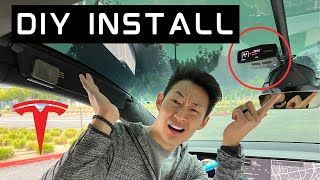
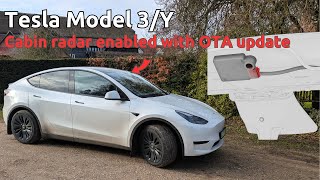
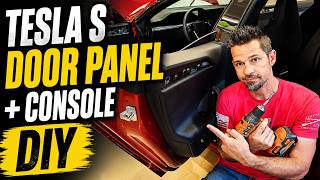
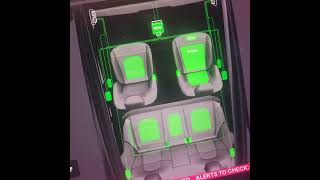
Technical Specifications
OEM Part Numbers: 1607917-00-E 1607917-00-G
Location: Front overhead console. Technology: 60 GHz Cabin Radar.
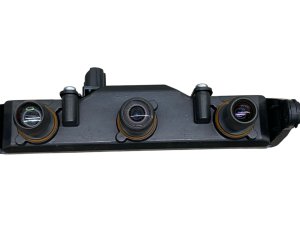
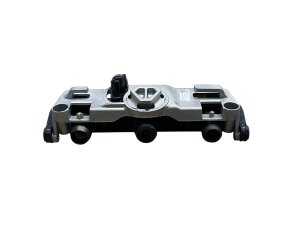
We Have This Part in Stock

The information in this article is provided for general reference and educational purposes only. Vehicle specifications, procedures, and part compatibility can vary by production date, trim level, and region. Always consult your vehicle's factory service manual and verify part numbers before purchasing or performing repairs. Safety-critical components such as airbags, seat belts, and braking systems should be installed by a qualified professional.
- Tesla S:
- Tesla X:
- 🎬 Helpful Videos
- 🛍️ Shop This Part
- Symptoms of a Failing Cabin Radar Sensor
- Known Issues for 2021-2025 Model S & Model X
- Sensor Obstruction from Accessories
- Recalls and Technical Service Bulletins (TSBs)
- Buying a Used Interior Object Detection Sensor
- Replacement Procedure and Difficulty
- Cost Comparison
- Frequently Asked Questions (FAQ)
- 🎟️ Get 5% Off