

2024-2026 Tesla Model 3 Cabin Radar: Function, Failure, and Replacement Guide
This in-depth guide covers the advanced interior radar sensor in the Model 3 'Highland', explaining its critical role in safety systems and the mandatory programming required for replacement.
- This part is NOT plug-and-play. Replacement requires software programming by Tesla or a qualified shop with 'Toolbox' software.
- The official name is 'Cabin Radar', and it's a key sensor for airbag systems and the 'Child Left Alone Detection' feature.
- When buying used, you must match the OEM part number exactly, including the revision letter at the end.
- A fault in this sensor can disable critical safety features, and any related SRS warnings should be addressed immediately.
Function and Technology
The Cabin Radar in the 2024-2026 Tesla Model 3 represents a significant leap in-vehicle interior sensing. Located above the front row dome lights, this module is a key component of Tesla's evolving safety and driver assistance systems. Unlike a simple camera, this 4D radar can perceive depth and movement with extreme precision, enabling features that were not possible with previous sensor types.
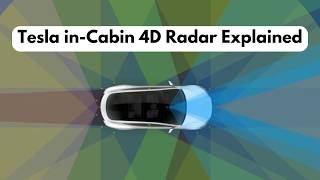
🎬 Watch this overview of Tesla's in-cabin 4D radar technologyIts primary roles include:
- Occupant Detection and Classification: The radar replaces traditional weight sensors in the seats. It can more accurately determine if a seat is occupied by an adult, a child, or an object, reducing false warnings and ensuring safety systems like seat belt reminders and airbags function correctly.
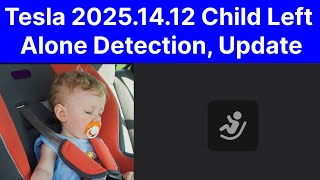
- Child Left Alone Detection: This is a critical safety feature enabled by the radar's high sensitivity. If the system detects a child left in the vehicle after the driver leaves, it can trigger a series of alerts, including notifications to the owner's phone, 🎬 See how Tesla's Child Left Alone Detection feature works flashing lights, and an audible alarm.
- Future Enhancements: The hardware is designed to support future software updates, which may include dynamic airbag deployment that adjusts to an occupant's size and position, and even potential health monitoring features.
Symptoms of a Failing Cabin Radar
As this is a relatively new component on a new vehicle platform, widespread failure patterns have not yet emerged. However, a malfunctioning cabin radar would likely cause issues with the systems that rely on it. Symptoms would primarily appear as error messages on the central touchscreen.
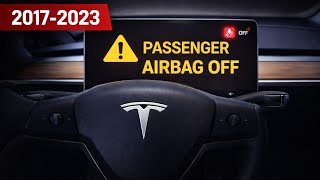
- SRS Airbag System Warning: Since the radar is the primary sensor for occupant classification, a fault could trigger a general airbag system warning light or message.
- 'Child Left Alone Detection Unavailable': An error message specifically mentioning this feature would point directly to a problem with the radar or its software.
- Seat Belt Reminder Malfunctions: The system may incorrectly show a seat as occupied or unoccupied, leading to false seat belt warnings or a lack of warnings.
Important: Any warning related to the SRS or airbag system should be addressed immediately, as it indicates a potentially compromised safety system.
Known Issues, Recalls, and Service Bulletins
As of mid-2026, there are no specific NHTSA recalls or Technical Service Bulletins (TSBs) for the Cabin Radar module (part number 1607917-01-J or similar) on the 2024-2026 Tesla Model 3. However, it's important to note that Tesla frequently resolves issues via over-the-air (OTA) software updates, which may not always be accompanied by a formal recall campaign unless mandated for a safety compliance failure. Always ensure your vehicle has the latest software version before seeking hardware replacement for a suspected issue.
Buying a Used Interior Object Detection Sensor
Purchasing a used OEM cabin radar can be a cost-effective solution, but it requires careful attention to detail. Given the complexity and software-dependent nature of this part, here’s what to look for:
1. Match the Part Number Exactly
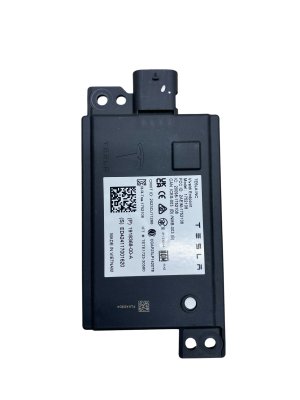
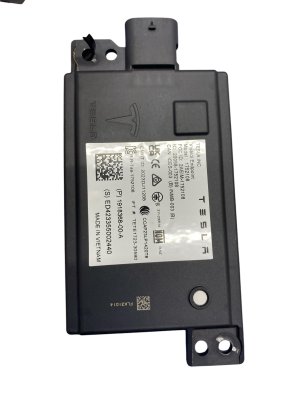
This is the most critical step. Tesla uses numerous part revisions, denoted by the final letter in the part number (e.g., 1607917-01-J). While some revisions might be interchangeable, using the wrong one can lead to incompatibility and prevent the module from being programmed to your vehicle. Your replacement part number must match the one on your original module. Do not rely on a seller's fitment guide alone; verify the number on the physical part.
2. Physical Inspection
When the part arrives, inspect it carefully:
- Connectors: Check for any bent, corroded, or damaged pins on the electrical connector.
- Housing: Look for cracks, signs of water intrusion, or pry marks that suggest it was removed carelessly.
- Lens/Cover: Ensure the front face of the radar is clean and free of deep scratches or obstructions.
3. Understand the 'Component Protection' and Programming
This is not a plug-and-play part. A used cabin radar must be paired with your vehicle's computer. This process requires a software or firmware reinstall, which can only be performed by Tesla Service or a qualified independent repair shop with access to Tesla's proprietary 'Toolbox' diagnostic software. 🎬 Watch how to reset SRS warnings in Toolbox 3 Factor the cost of this programming into the total cost of your repair. A DIY physical installation is possible, but the final, mandatory software step is not.
Pro Tip: Before buying a used module, contact your local Tesla Service Center or a trusted independent EV repair shop. Confirm they are willing to install and program a customer-supplied used part and ask for a quote for the labor and programming service.
Cost to Replace a Model 3 Cabin Radar
The total cost will be a combination of the part itself and the labor for installation and programming.
| Item | Estimated Cost | Notes |
|---|---|---|
| New OEM Part | $250 - $400 | Price directly from Tesla Service. Can vary by location and part revision. |
| Used OEM Part | $60 - $220 | Commonly found on online marketplaces like eBay. Price depends on condition and seller. |
| Shop Labor & Programming | $150 - $300 | Estimated 1.0-1.5 hours of labor. The physical swap is quick (approx. 0.5 hours), but the firmware reinstall and calibration procedure adds time and requires specialized tools. |
| Total (Used Part) | $210 - $520 | Best-case scenario combining a used part with professional programming. |
| Total (New Part) | $400 - $700 | Worst-case scenario using a new part installed at a service center. |
Frequently Asked Questions (FAQ)
Can I replace the cabin radar myself?
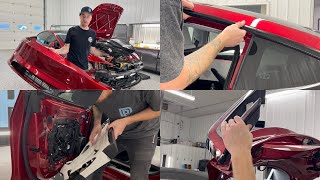
You can perform the physical installation, which involves removing parts of the overhead console. However, the vehicle will not recognize the new sensor until it is programmed. This final, mandatory step requires Tesla's proprietary diagnostic software, meaning a visit to a Tesla Service Center or a properly equipped independent shop is unavoidable.
What happens if I install the sensor but don't get it programmed?
The sensor will not function. You will likely see persistent error messages on the touchscreen related to the SRS/airbag system and other features like Child Left Alone Detection will be disabled. The part is not plug-and-play.
Is the Cabin Radar part of Autopilot or Full Self-Driving?
No. The Cabin Radar is focused on monitoring the vehicle's interior for occupant presence and safety. Autopilot and Full Self-Driving (FSD) rely on the external cameras and the main vehicle computer.
Why would the cabin radar fail on a new car?
While uncommon, potential failure modes for any electronic module include manufacturing defects, internal component failure (like a capacitor or processor), or damage from impact or water intrusion. Since the module is located near the windshield, a leak could potentially cause damage.
Helpful Videos
Technical Specifications
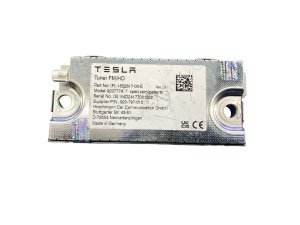
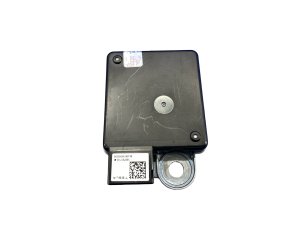
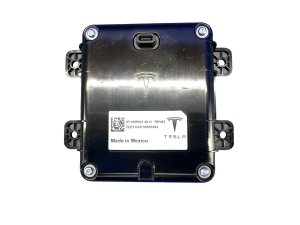
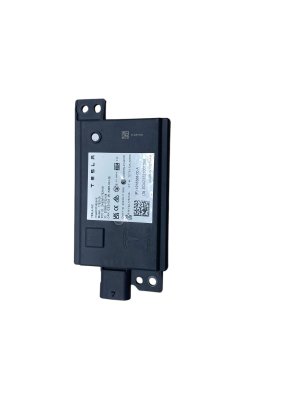
OEM Part Numbers: 1607917-01-J 1807917-01-J 1607917-00-E 1607917-00-G 1607917-00-M
4D Millimeter-Wave Radar, located in overhead console.
We Have This Part in Stock

The information in this article is provided for general reference and educational purposes only. Vehicle specifications, procedures, and part compatibility can vary by production date, trim level, and region. Always consult your vehicle's factory service manual and verify part numbers before purchasing or performing repairs. Safety-critical components such as airbags, seat belts, and braking systems should be installed by a qualified professional.
- Tesla 3:
- 🎬 Helpful Videos
- 🛍️ Shop This Part
- Function and Technology
- Symptoms of a Failing Cabin Radar
- Known Issues, Recalls, and Service Bulletins
- Buying a Used Interior Object Detection Sensor
- 1. Match the Part Number Exactly
- 2. Physical Inspection
- 3. Understand the 'Component Protection' and Programming
- Cost to Replace a Model 3 Cabin Radar
- Frequently Asked Questions (FAQ)
- 🎟️ Get 5% Off