

2019-2025 Ram 2500 & 3500 Intercooler: Diagnosing Leaks, Power Loss & P0299
This guide covers the common failure points of the 6.7L Cummins intercooler, helping you diagnose boost leaks and choose a reliable replacement.
- A P0299 underboost code can be caused by a leaking intercooler, but first check for a collapsed or incorrect aftermarket air filter—a very common issue on these trucks.
- Symptoms of a leak include power loss, hissing under acceleration, black exhaust smoke, and poor fuel economy.
- Before buying a used intercooler, you must perform a pressure test with soapy water to find hidden cracks; a visual inspection is not sufficient.
- This intercooler is the same for both the Ram 2500 and Ram 3500 with the 6.7L Cummins engine from 2019 to 2025.
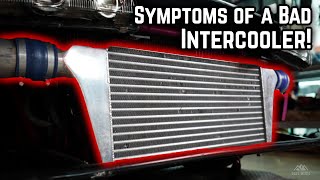
Common Symptoms of a Failing Intercooler
A leak in the charge air system, whether from the intercooler itself or its connecting hoses, will lead to a loss of boost pressure. This can cause several noticeable problems. The symptoms are the same for both the Ram 2500 and Ram 3500, as they share the identical engine and intercooler setup.
- Loss of Engine Power: The most common symptom is a significant decrease in power, especially when accelerating or towing. The truck may feel sluggish and struggle to build speed.
- Hissing or Whistling Sounds: You may hear an audible hissing or whistling noise from the front of the engine bay when the turbo is building boost. This is the sound of pressurized air escaping from a crack or hole.
- Decreased Fuel Economy: When the engine isn't running efficiently due to a boost leak, it has to work harder and burn more fuel to produce the same amount of power, leading to a noticeable drop in MPG.
- Black Smoke from Exhaust: A boost leak disrupts the air-fuel ratio, causing the engine to run rich (too much fuel, not enough air). This unburnt fuel exits the tailpipe as black smoke.
- Check Engine Light (P0299 Code): A significant boost leak will often trigger a Check Engine Light. The most common diagnostic trouble code (DTC) associated with this issue is P0299 - Turbocharger/Supercharger Underboost Condition.
- Higher Engine Temperatures: A leaking intercooler forces the turbo to work harder to try and build the required boost, which generates more heat. This can lead to higher than normal engine operating temperatures, especially under load.
Known Issues & TSBs for 2019-2025 Ram 2500 & 3500
As of mid-2024, there are no specific recalls from Ram or the NHTSA for intercooler failure on the 2019-2025 Ram 2500 and 3500. The primary known issues are related to leaks developing over time, either in the core itself or the connecting hoses.
P0299 Underboost Code & Air Filters
While a P0299 code can be caused by a leaking intercooler, it is frequently caused by another issue on these trucks: a restricted or incorrect air filter. Multiple Technical Service Bulletins (TSBs) and countless owner reports confirm that the 6.7L Cummins engine is highly sensitive to air filter design. Using an aftermarket filter that lacks the proper internal support mesh can cause it to collapse or create airflow turbulence, triggering a false P0299 code.
Pro Tip: Before you blame the intercooler for a P0299 underboost code, check your air filter. If it is not a genuine Mopar filter, replacing it with an OEM one often resolves the issue.
🎬 Watch: Diagnosing a P0299 underboost code on a CumminsHow to Diagnose a Leaking Intercooler
- Visual Inspection: Park the truck and open the hood. Look at the front of the intercooler, which is located behind the grille. Check for obvious signs of damage, such as cracked plastic end tanks, bent or crushed cooling fins, or oily residue. Oil residue can indicate a leak, as the crankcase ventilation (CCV) system routes oily vapor through the intake system.
- Listen for Leaks: Have a helper sit in the truck and gently rev the engine while in park to build some boost. Listen for any audible hissing or whistling sounds coming from the front of the truck.
- Soapy Water Test: With the engine running, you can spray a solution of soapy water on the intercooler and its connections. If there is a leak, you will see bubbles form where the air is escaping.
- Professional Boost Leak Test: The most definitive method is a boost leak test. This involves sealing the intake system and pressurizing it with compressed air to a specific PSI. A gauge is used to see if the system holds pressure. This test will reveal even the smallest leaks that are not visible or audible. 🎬 See how to pressure test a Cummins boost system
Buying a Used Intercooler: What to Check
A used OEM intercooler can be a great value, but careful inspection is essential to avoid buying a part that is already failing.
Warning: A visual inspection alone is not enough. Many leaks, especially hairline cracks in the end tanks or at the core seams, are invisible to the naked eye. You must pressure test a used intercooler before purchase.
- Pressure Test is Mandatory: Insist on a pressure test. The seller can easily cap the inlet and outlet and use a valve stem to pressurize the unit to 15-20 PSI. Submerge it in water or spray it with a soapy water solution and look for bubbles. Any bubbles indicate a leak, and you should reject the part.
- Check for Oily Interior: A light film of oil inside is normal due to the CCV system. However, if the intercooler is dripping or pooled with oil, it may indicate the donor vehicle had severe engine problems (like failed piston rings or a blown turbo), and the intercooler may be clogged with sludge.
- Inspect the Fins: Some bent cooling fins from road debris are normal and purely cosmetic. However, avoid any intercooler where large sections of fins are crushed, as this will restrict airflow and reduce cooling efficiency.
- Examine the End Tanks: On these models, the end tanks are a common failure point. Look for any signs of cracking, especially around the seams where they join the aluminum core. Check the inlet and outlet ports for any cracks or damage.
- Verify Part Numbers: Ensure the part number matches the ones specified for your vehicle to guarantee correct fitment. The primary replacement part number is 68534238AB.
Intercooler Replacement Overview
Replacing the intercooler on a 2019-2025 Ram 2500 or 3500 is a moderately difficult job that can be done by a skilled DIY mechanic. The process involves removing the front grille and potentially loosening the bumper to gain access.
- Difficulty: 3/5
- Estimated Time: 3-5 hours
- Tools Required: Basic hand tools (socket set, wrenches), trim removal tools, drain pan.
- General Steps: The process generally involves removing the plastic radiator shroud, disconnecting the charge pipes (hoses) from the intercooler inlet and outlet, unbolting the four mounting bolts holding the intercooler, and carefully lowering it out of the vehicle. Installation is the reverse of removal. 🎬 Watch: How to install upgraded boost tubes and hoses
Cost of Intercooler Replacement
| Item | Estimated Cost |
|---|---|
| New OEM (Mopar) | $700 - $1,100 |
| New Aftermarket (Performance) | $1,500 - $2,400 |
| Used OEM | $300 - $600 |
| Shop Labor | $375 - $900 |
Frequently Asked Questions
Can I drive my Ram with a leaking intercooler?
Yes, but it is not recommended for extended periods. You will experience significantly reduced power, poor fuel economy, and higher engine temperatures. Continuing to drive with a major leak can put extra strain on the turbocharger and may lead to excessive soot buildup in the engine and emissions system.
Is an aftermarket intercooler better than the OEM Mopar one?
It depends. For a stock or lightly modified truck, the OEM intercooler is perfectly adequate. High-performance aftermarket intercoolers from brands like Mishimoto or Banks Power offer increased core volume and more durable construction, which can lower intake temperatures and support higher boost levels on heavily tuned trucks. However, they are significantly more expensive.
Will a leaking intercooler cause engine damage?
While a small leak is unlikely to cause immediate catastrophic damage, it shouldn't be ignored. The resulting rich air-fuel mixture can lead to higher exhaust gas temperatures (EGTs) and can clog the Diesel Particulate Filter (DPF) over time, which is an expensive repair. A large leak that forces the turbo to over-speed to compensate can also lead to premature turbocharger failure.
What are the flexible hoses connected to the intercooler called?
Those are called charge air cooler hoses or, more commonly, 'intercooler boots'. They are a frequent source of leaks themselves, as the rubber or silicone can crack or split over time. It's always a good idea to inspect them carefully and consider replacing them when you replace the intercooler.
Technical Specifications
This part is specific to models equipped with the 6.7L Cummins Turbo Diesel engine.
| Specification | Value |
|---|---|
| Vehicle Fitment | 2019-2025 Ram 2500, 2019-2025 Ram 3500 |
| Engine | 6.7L I6 Cummins Turbo Diesel |
| OEM Part Numbers | 68534238AB, 68534238AA, 68322664AA |
Helpful Videos
Technical Specifications
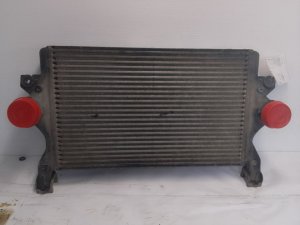
OEM Part Numbers: 68534238AB 68534238AA 68322664AA
Fits 2019-2025 Ram 2500 and Ram 3500 trucks equipped with the 6.7L Cummins Turbo Diesel engine.
We Have This Part in Stock

The information in this article is provided for general reference and educational purposes only. Vehicle specifications, procedures, and part compatibility can vary by production date, trim level, and region. Always consult your vehicle's factory service manual and verify part numbers before purchasing or performing repairs. Safety-critical components such as airbags, seat belts, and braking systems should be installed by a qualified professional.
- Ram 2500:
- Ram 3500:
- 🎬 Helpful Videos
- 🛍️ Shop This Part
- Common Symptoms of a Failing Intercooler
- Known Issues & TSBs for 2019-2025 Ram 2500 & 3500
- P0299 Underboost Code & Air Filters
- How to Diagnose a Leaking Intercooler
- Buying a Used Intercooler: What to Check
- Intercooler Replacement Overview
- Cost of Intercooler Replacement
- Frequently Asked Questions
- Technical Specifications
- 🎟️ Get 5% Off