

2014-2019 Ram 1500 EcoDiesel Intercooler: P0299 Code, Leaks, and Replacement
This guide covers common failure symptoms, diagnostic tips, and replacement costs for the 3.0L EcoDiesel intercooler in the 2014-2018 Ram 1500 and 2019 Ram 1500 Classic.
- This intercooler fits the 2014-2018 Ram 1500 and 2019 Ram 1500 Classic with the 3.0L EcoDiesel only.
- A P0299 'Underboost' code is a common symptom, but you should always clean the MAP sensor and check hose connections before replacing the intercooler.
- Do not confuse the intercooler (Charge Air Cooler) with the EGR cooler, which was part of a major safety recall for fire risk.
- Replacement is not DIY-friendly as it requires professional evacuation and recharging of the A/C system.
Symptoms of a Failing Intercooler

A leak in the intercooler or its connecting hoses is the most common failure. When this happens, the pressurized air from the turbo escapes instead of going into the engine. This is called a 'boost leak.' Here are the most common signs:
- Loss of Power: The truck will feel sluggish and slow to accelerate, especially when towing or going uphill. This is because the engine isn't receiving the full amount of air it needs to make power.
- Hissing or Whistling Noises: You may hear a distinct hissing or whooshing sound from the front of the engine bay when you accelerate. This is the sound of high-pressure air escaping from a crack or a loose connection.
- Black Smoke from Exhaust: With less air reaching the engine, the air-fuel mixture becomes too rich with fuel. This unburned fuel exits the tailpipe as black smoke, particularly under heavy acceleration.
- Check Engine Light with Code P0299: A significant boost leak will often trigger the Check Engine Light. The most common diagnostic trouble code (DTC) is P0299 (Turbocharger/Supercharger Underboost Condition).
- Reduced Fuel Economy: Your engine's computer will try to compensate for the power loss by injecting more fuel, causing your miles-per-gallon (MPG) to drop.
- Oily Residue: The engine's crankcase ventilation system can leave a light oil mist inside the turbo piping. If there's a leak, this oil can seep out, leaving a greasy film on the intercooler itself or the surrounding hoses and connections.
Compatibility Warning: This intercooler is only for the 2014-2018 Ram 1500 and the 2019 Ram 1500 Classic models equipped with the 3.0L EcoDiesel engine. The 2019 Classic has 5-lug wheels. This part will NOT fit the new body style 2019 Ram 1500, which has 6-lug wheels.
Is It the Intercooler or the EGR Cooler?

Many owners of these trucks are aware of a major safety recall (NHTSA campaign 19V-757, also known as FCA recall VB1) related to the engine. It is critical to understand that this recall is for the EGR (Exhaust Gas Recirculation) cooler, which is a completely different part from the intercooler (Charge Air Cooler).
- The Intercooler (Charge Air Cooler) cools fresh, pressurized air from the turbo before it enters the engine.
- The EGR Cooler cools hot exhaust gases before they are recirculated back into the engine to reduce emissions.
The EGR cooler recall was issued because internal cracks could allow coolant to leak into the intake manifold, creating a risk of fire. In some cases, a severe EGR cooler failure can melt the plastic intake manifold. A melted intake manifold will cause a massive boost leak with symptoms (power loss, hissing, P0299 code) identical to a failed intercooler. If you have these symptoms, it's wise to check if the EGR cooler recall has been performed on your truck.
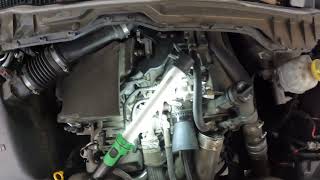
🎬 Watch: How the EGR recall causes underboost and coolant loss.How to Diagnose a Bad Intercooler

If you suspect a boost leak, follow these steps before assuming the intercooler is bad.
- Check the MAP Sensor: For a P0299 code, the first thing to check is the Manifold Absolute Pressure (MAP) sensor. On the 3.0L EcoDiesel, this sensor is known to get completely clogged with soot, which prevents it from reading boost pressure correctly. Removing and cleaning the MAP sensor is a common, no-cost fix that can resolve the issue. 🎬 See how to locate and clean your MAP sensor for free.
- Visual Inspection: Look closely at the intercooler at the front of the truck. Check for any obvious cracks in the plastic end tanks, damage from rocks or debris, or oily residue that indicates a leak. Also inspect all the rubber hoses and clamps connecting to the intercooler. A nicked O-ring on a hose connection is a common cause of leaks.
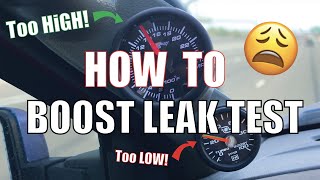
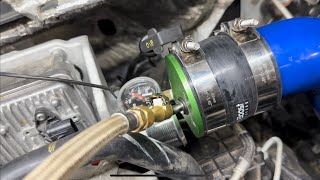
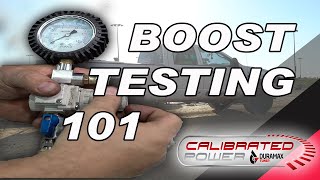
- Soapy Water Test: For a simple leak test, you can spray a solution of soapy water on the intercooler and all hose connections. With the engine running, have a helper briefly rev the engine to build boost. If you see bubbles forming, you've found your leak. 🎬 Watch: A simple guide to boost leak testing your diesel.
- Professional Smoke Test: The most reliable method is a professional smoke test. A mechanic will use a machine to fill the entire intake and turbo system with pressurized smoke. The smoke will visibly pour out of any cracks or leaks, no matter how small, making them easy to pinpoint.
Buying a Used Intercooler: What to Inspect
A used OEM intercooler can be a great value, as they are often more durable than the cheapest aftermarket options. Before buying, perform a careful inspection.
- Check for Cracks: The most important check is for hairline cracks on the black plastic end tanks where they are crimped to the aluminum core. This is the most common failure point.
- Inspect the Core: Look down the front of the aluminum core. A few bent fins from normal driving are okay and won't affect performance. However, reject any unit with large areas of crushed fins or signs of impact damage.
- Look Inside: Shine a flashlight into the inlet and outlet ports. A light coating of oil residue is normal. However, if there are pools of oil inside, it may indicate excessive blow-by from the engine of the donor vehicle.
- Verify Mounting Points: Ensure all mounting tabs and brackets are intact and not cracked or broken. This is crucial for a secure, vibration-free installation.
- Confirm Part Numbers: Whenever possible, match the OEM part number. The correct numbers are 52014947AB or the updated version, 52014947AC.
Intercooler Replacement Overview

Replacing the intercooler on the Ram 1500 EcoDiesel is a moderately difficult job, mainly because other components are in the way.
Warning: The replacement procedure requires removing the A/C condenser, which is mounted in front of the intercooler. This means the air conditioning system must be professionally evacuated before starting the job and recharged after it's complete. Attempting to disconnect A/C lines without proper equipment is dangerous and illegal, as refrigerant is under high pressure and harmful to the environment.
Difficulty and Time
- Difficulty Rating: 4 out of 5 (Primarily due to A/C system work)
- Estimated Time: 3-4 hours for a professional.
- DIY Feasible: Not recommended for most DIY mechanics unless you have access to A/C service equipment.
General Steps
- Have the A/C system professionally evacuated.
- Remove the front grille assembly.
- Disconnect the lines and remove the A/C condenser.
- Disconnect the automatic transmission cooler lines, if equipped, and remove the cooler.
- Loosen the clamps and disconnect the large air hoses from the intercooler inlet and outlet.
- Remove the intercooler mounting bolts and carefully lift the unit out of the vehicle.
- Installation is the reverse of removal. Be sure to use new seals or O-rings on the charge pipes if needed.
- Have the A/C system professionally evacuated, leak-tested, and recharged.
Cost Comparison: New vs. Used Intercoolers
Prices can vary by supplier and location, but here are typical cost ranges:
| Part Type | Estimated Cost |
|---|---|
| New OEM (Mopar) | $340 - $520 |
| New Aftermarket | $160 - $260 |
| Used OEM | $100 - $200 |
| Shop Labor | $375 - $700 |
Frequently Asked Questions (FAQ)
Can I drive my truck with a leaking intercooler?
You can, but it's not recommended for long. You will have significantly reduced power, poor fuel economy, and will be blowing black smoke. Continuously driving with a boost leak can also put extra strain on the turbocharger, which is trying to compensate for the lost pressure.
Will a bad intercooler cause my engine to overheat?
Not directly, but it can contribute. A leaking intercooler forces the turbo to work harder, which can generate more heat. More importantly, the hotter air entering the engine can lead to higher combustion temperatures, increasing overall engine heat under load.
What is the difference between part number 52014947AB and 52014947AC?
Part number 52014947AC is the newer, superseding part that replaces 52014947AB. They are interchangeable, but it is always best to use the latest revision when possible.
My truck has the P0299 code. Does that mean my intercooler is bad?
Not necessarily. While a leaking intercooler is a possible cause for a P0299 underboost code, a much more common issue on the 3.0L EcoDiesel is a soot-clogged MAP sensor. Always inspect and clean the MAP sensor and check all hose connections for leaks before replacing the intercooler.
Technical Specifications and Part Numbers
OEM Part Numbers
- 52014947AC (Current)
- 52014947AB (Replaced by AC)
Key Specifications (Typical Aftermarket)
- Core Dimensions: ~25.5" x 8.5" x 2.5"
- Inlet/Outlet Diameter: ~2.375"
- Core Type: Tube and Fin
- Tank Material: Plastic
Helpful Videos
Technical Specifications
OEM Part Numbers: 52014947AC 52014947AB
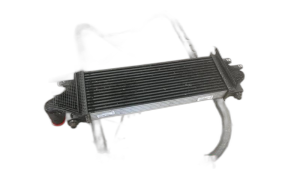
Core Dimensions: ~25.5 in x 8.5 in x 2.5 in. Inlet/Outlet Diameter: ~2.375 in. Construction: Aluminum core with plastic end tanks.
We Have This Part in Stock

The information in this article is provided for general reference and educational purposes only. Vehicle specifications, procedures, and part compatibility can vary by production date, trim level, and region. Always consult your vehicle's factory service manual and verify part numbers before purchasing or performing repairs. Safety-critical components such as airbags, seat belts, and braking systems should be installed by a qualified professional.
- Ram 1500:
- Ram 1500 Classic:
- 🎬 Helpful Videos
- 🛍️ Shop This Part
- Symptoms of a Failing Intercooler
- Is It the Intercooler or the EGR Cooler?
- How to Diagnose a Bad Intercooler
- Buying a Used Intercooler: What to Inspect
- Intercooler Replacement Overview
- Difficulty and Time
- General Steps
- Cost Comparison: New vs. Used Intercoolers
- Frequently Asked Questions (FAQ)
- Technical Specifications and Part Numbers
- OEM Part Numbers
- Key Specifications (Typical Aftermarket)
- 🎟️ Get 5% Off