

2010 Porsche Panamera Turbo Intercooler: Leaks, Performance Loss, and Replacement
This guide covers common failure symptoms, inspection tips for used parts, and replacement costs for the twin intercoolers on the 2010 Panamera Turbo.
- Only 2010 Panamera Turbo and Turbo S models have intercoolers; the S and 4S models do not.
- Leaks are the primary failure mode, causing power loss, hissing noises, and poor fuel economy.
- When buying used, carefully inspect the plastic end tanks for cracks, as this is the most common weak point.
- Replacement requires removing the front bumper cover and is a moderately difficult job (3/5).
Vehicle Fitment: Turbo Models Only
Important: Only the 2010 Porsche Panamera Turbo and Turbo S models are equipped with intercoolers. The naturally-aspirated Panamera, Panamera S, and Panamera 4S models from this year have a 4.8L V8 engine without turbochargers and therefore do not have intercoolers. Always verify your vehicle's trim before purchasing parts.
Symptoms of a Failing Intercooler
A failing intercooler is essentially a boost leak, which compromises the integrity of the forced induction system. Symptoms are often related to the loss of compressed air before it reaches the engine.
- Noticeable Loss of Power: This is the most common symptom. The car will feel sluggish and less responsive, especially during acceleration, because the engine isn't receiving the proper volume of dense, cool air.
- Hissing or Whistling Sounds: A crack or leak in the intercooler or its connecting hoses can produce an audible hissing or whistling sound that gets louder with engine RPM and turbo boost.
- Black Smoke from Exhaust: If the boost leak is significant, the engine's air-fuel ratio can be thrown off. The computer may inject the expected amount of fuel for a given throttle position, but not enough air is present, leading to a rich condition and visible black smoke from the exhaust.
- Poor Fuel Economy: Your engine has to work harder and the turbochargers may spin faster to try and compensate for the lost pressure, leading to a noticeable drop in miles per gallon.
- Check Engine Light: A significant boost leak can trigger a Check Engine Light. Common related fault codes include those for "System Too Lean," "Boost Pressure Control," or specific sensor-related faults that are affected by the incorrect pressure.
Buying a Used Intercooler: What to Check
The 2010 Panamera Turbo uses two separate intercoolers, one for each cylinder bank (left and right). They are not interchangeable. When buying a used OEM unit, a thorough inspection is key to avoiding a defective part.
Physical Inspection Checklist:
- Check for Cracks: Carefully inspect the plastic end tanks on both ends of the aluminum core. This is the most common failure point. Look for hairline cracks, especially around the hose connections and where the plastic meets the aluminum.
- Inspect the Core and Fins: Look for any signs of impact from road debris. A few bent fins are cosmetic and acceptable, but large areas of crushed fins will impede airflow and reduce cooling efficiency. Check for any punctures or deep gouges in the aluminum core.
- Look for Oil Residue: A very light film of oil inside the intercooler is normal, as the PCV (Positive Crankcase Ventilation) system can route some oil vapor through the intake tract. However, pooled or excessive oil inside the intercooler is a red flag that could indicate failing turbocharger seals.
- Verify Mounting Points: Ensure all mounting tabs and brackets are intact. A broken tab can cause vibrations that lead to future cracks. An eBay listing for a used unit specifically noted a broken tab, which is a common issue with used plastic parts.
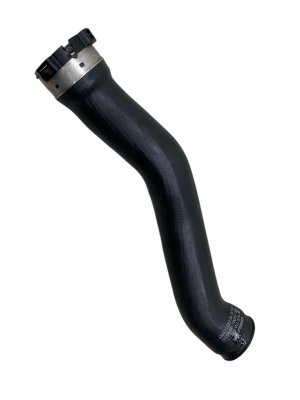
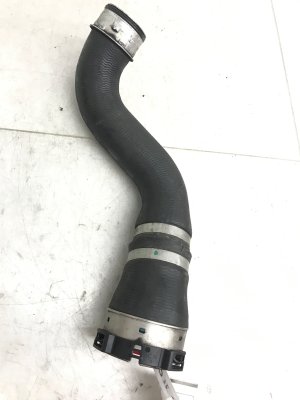
- Examine Hose Connections: Check the inlet and outlet ports to ensure they are perfectly round and free of cracks or damage. A damaged port will not seal properly with the boost hoses, creating a new leak.
Pro Tip: If possible, have the used intercooler pressure tested before installation. A tire shop or radiator shop can often cap the inlet and outlet and pressurize it to about 15-20 PSI to confirm it holds pressure without leaking.
Known Issues, Recalls, and TSBs for the 2010 Panamera Turbo
While there are no specific recalls or widespread TSBs for the intercoolers themselves, any potential buyer of a 2010 Panamera Turbo must be aware of other significant issues with the 4.8L V8 engine.
- NHTSA Recall 17V-368 (Camshaft Adjuster Bolts): The aluminum bolts on the camshaft adjusters can fail, potentially causing the engine to run rough, vibrate, and illuminate the check engine light. In a worst-case scenario, this could lead to an engine stall. It is critical to verify with a Porsche dealer that this recall work has been completed on any potential vehicle.
- Coolant Pipe Leaks: Early 970 models, particularly the V8s, were known to have issues with coolant pipes that were originally fitted with glue. Over time, this glue can fail, leading to coolant leaks. Some of these pipes are located at the rear of the engine, and replacement can be extremely labor-intensive.
- NHTSA Recall 19V-322 (A/C Blower Controller): Water can enter the A/C blower control unit, creating a risk of an electrical short and potential fire. This recall affects 2010-2016 models.
- NHTSA Recall 10V-170 (Seat Belt Mount): On early 2010 models, the front seat belt mount could detach in certain seat positions. This should have been corrected with an additional locking element by a dealer.
Cost Comparison
The Panamera Turbo has two intercoolers (left and right), and they are sold individually. Prices below are estimates per side.
| Part Type | Estimated Price (Per Side) |
|---|---|
| New OEM | $900 - $1,500+ (Often dealer special order) |
| New Aftermarket | $500 - $800 |
| Used OEM | $250 - $450 |
| Shop Labor | $500 - $1,100 |
Frequently Asked Questions (FAQ)
Does my 2010 Panamera S have an intercooler?
No. Only the Panamera Turbo and Turbo S models from 2010 are equipped with intercoolers. The base, S, and 4S models use a naturally aspirated engine and do not have them.
Can I drive with a leaking intercooler?
You can, but it is not recommended for an extended period. You will experience reduced power and poor fuel economy. A significant leak can cause the engine to run rich, which can damage the catalytic converters over time, leading to a much more expensive repair.
Are the left and right intercoolers the same part?
No, they are not. The left (driver's side) and right (passenger's side) intercoolers have different shapes and part numbers and are not interchangeable. You must order the correct side for your needs.
Is it worth upgrading the intercoolers?
For a stock vehicle, the factory intercoolers are sufficient. Upgraded, larger intercoolers are beneficial if you have modified the engine for significantly more power (e.g., a new engine tune, larger turbos). An upgraded intercooler on a stock car will provide minimal to no noticeable benefit.
Technical Specifications
OEM Part Numbers: 97011020961 970.110.209.61 97011020902 97011021061 97011021002
Air-to-air heat exchanger with aluminum core and plastic end tanks. Two units are used, one for the left cylinder bank and one for the right.
We Have This Part in Stock


The information in this article is provided for general reference and educational purposes only. Vehicle specifications, procedures, and part compatibility can vary by production date, trim level, and region. Always consult your vehicle's factory service manual and verify part numbers before purchasing or performing repairs. Safety-critical components such as airbags, seat belts, and braking systems should be installed by a qualified professional.
- Porsche Panamera: