

2025 Ford Explorer Intercooler Pipe: Leaks, Power Loss, and Part Changes
Diagnose boost leaks, understand the critical 2025 design changes, and learn how to inspect a used intercooler pipe set for your 2.3L Explorer.
- The 2025 Ford Explorer uses a unique intercooler pipe design; parts from 2020-2024 models will not fit due to different connections.
- The most common symptoms of a failed pipe are a major loss of power and a distinct hissing sound from the engine during acceleration.
- A Check Engine Light with code P0299 (Turbo Underboost) is a strong indicator of a leak in the intercooler piping.
- When buying a used part, carefully inspect for cracks at bends and ensure the plastic locking connectors are fully intact and not damaged.
Critical 2025-Only Compatibility Information
Warning: The 2025 Ford Explorer features redesigned intercooler pipe connections. Intercooler pipes from 2020-2024 Explorer models are NOT a direct fit for a 2025 model. This is a crucial detail for anyone sourcing a replacement part. Aftermarket companies have noted this change, and some offer adapter kits to use older style performance intercoolers on the 2025 models by also swapping the pipes. When purchasing a used OEM replacement, you must ensure it is from a 2025 or newer model with the 2.3L engine.
The initial part numbers provided (CJ5G-9U465 and R1M3-6C646) are not entirely correct for this application. Research shows that CJ5G-9U465 is a part number for a turbocharger bypass valve or solenoid found on many older Ford models, not the pipe set itself. The correct OEM part number for the intercooler inlet hose for a 2025 Explorer with the 2.3L engine appears to be R1MZ-6C646-C, which supersedes R1MZ-6C646-A. Always verify the part number with the vehicle's VIN before purchasing.
Symptoms of a Failing Intercooler Pipe
A leak in an intercooler pipe allows pressurized air from the turbo to escape before it reaches the engine. This is known as a "boost leak," and it causes several noticeable symptoms.
1. Significant Loss of Power
This is the most common symptom. Your Explorer will feel sluggish and slow to accelerate, especially when you expect the turbo to be working, like when merging onto a highway or climbing a hill. The engine isn't receiving the dense, pressurized air it needs to make full power.
2. Hissing or Whistling Noises
A distinct hissing or whooshing sound from the engine bay during acceleration is a classic sign of a boost leak. This is the sound of high-pressure air escaping through a crack or a loose connection in the pipe. The noise will typically get louder as the turbo spools up and builds more pressure.
3. Check Engine Light with P0299 Code
A significant boost leak will almost always trigger a Check Engine Light. The most common trouble code is P0299 - Turbocharger/Supercharger 'A' Underboost Condition. This code is set by the engine control module (ECM) when it detects that the actual boost pressure is significantly lower than the target pressure for a set period of time. Other related codes for air-fuel mixture problems may also appear.
4. Decreased Fuel Economy
When the engine's sensors detect a lack of air pressure, the ECM may try to compensate by injecting more fuel to hit its power targets. This results in a rich air-fuel mixture, causing you to use more gasoline than usual.
Buying a Used Intercooler Pipe Set: What to Check
A used OEM intercooler pipe set can be a cost-effective and reliable replacement, provided you inspect it carefully. OEM parts guarantee correct fitment and are made from materials designed to withstand the engine bay's heat and oil exposure.
Step-by-Step Inspection Guide
- Verify Fitment: Double-check that the part came from a 2025 or newer Ford Explorer with the 2.3L RWD engine. The connection points are different from earlier models.
- Inspect for Cracks: Carefully examine the entire length of the plastic or rubber pipes. Pay close attention to bends, seams, and areas near the connection points, as these are high-stress areas where cracks often develop.
- Check Connection Points: The ends of the pipes have specific connectors that lock onto the intercooler and throttle body. Inspect these for any cracks, broken locking tabs, or damage. A damaged connector will not create a proper seal.
- Look for Internal Oil: A very thin film of oil inside the pipes is normal, as the PCV (Positive Crankcase Ventilation) system can route some oil vapor through the intake. However, if you find pooled or dripping oil, it could be a sign of a more serious problem, such as failing turbocharger seals, which would require more than just a pipe replacement.
- Assess Material Condition: Squeeze the rubber or silicone sections of the pipes. They should be firm but flexible. If they feel excessively hard, brittle, or mushy and soft, the material has degraded from heat and age and is likely to fail soon.
Known Issues, TSBs, and Recalls
As of mid-2026, there are no specific recalls or Technical Service Bulletins (TSBs) from the National Highway Traffic Safety Administration (NHTSA) that directly address failures of the intercooler pipes on the 2025 Ford Explorer.
However, the 2025 Explorer has been subject to several other recalls for issues including faulty powertrain control module (PCM) software causing power loss, potential engine failure due to connecting rod defects, and improperly tightened front brake caliper bolts. None of these are directly related to the intercooler piping itself.
Replacement Difficulty and Cost
| Item | Cost |
|---|---|
| New OEM Part | $170 - $260 |
| New Aftermarket Part | $400+ (Typically performance kits) |
| Used OEM Part | $75 - $150 |
| Shop Labor Cost | $85 - $125 |
Prices are estimates as of mid-2026 and can vary by region and supplier. Aftermarket options are often full performance kits including multiple pipes.
Replacing an intercooler pipe is generally a straightforward job for a DIY mechanic with basic tools. Access can sometimes be tight, and may require removing an engine splash shield from below. The primary difficulty rating is a 2 out of 5.
Frequently Asked Questions (FAQ)
Can I drive my Explorer with a leaking intercooler pipe?
Yes, but it is not recommended for extended periods. The vehicle will have significantly reduced power, poor fuel economy, and the check engine light will be on. Driving this way can put extra strain on the turbocharger as it tries to compensate for the lost pressure.
Is a small amount of oil inside the intercooler pipe normal?
Yes, a light coating of oil vapor residue from the crankcase ventilation system is normal and not a cause for concern. However, if there is enough oil to pool or drip out, it may indicate failing turbocharger oil seals, which is a much more serious issue.
Can I just repair a cracked pipe with tape?
Using tape is not a reliable or permanent repair. The charge pipe system operates under significant pressure (15-25+ PSI) and high temperatures. Specialized repair tape might work as a temporary, emergency fix to get you to a repair shop, but it will not hold for long. The only proper solution is to replace the damaged pipe.
Do I need to do any special programming after replacing an intercooler pipe?
No, there are no programming or calibration steps required. After replacing the pipe and ensuring all connections are secure, you should use an OBD-II scanner to clear the P0299 fault code from the engine computer. The check engine light should then stay off.
Technical Specifications
OEM Part Numbers: R1MZ-6C646-C R1MZ-6C646-A
The provided OEM part numbers CJ5G-9U465 and R1M3-6C646 are incorrect. CJ5G-9U465 refers to a turbocharger bypass valve for older Ford models. R1MZ-6C646-C is the correct part number for the intercooler inlet hose for the 2025 Explorer 2.3L.
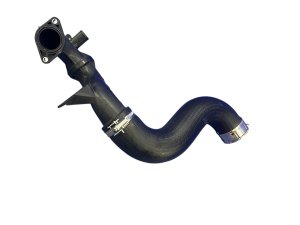
We Have This Part in Stock

The information in this article is provided for general reference and educational purposes only. Vehicle specifications, procedures, and part compatibility can vary by production date, trim level, and region. Always consult your vehicle's factory service manual and verify part numbers before purchasing or performing repairs. Safety-critical components such as airbags, seat belts, and braking systems should be installed by a qualified professional.
- Ford Explorer:
- 🛍️ Shop This Part
- Critical 2025-Only Compatibility Information
- Symptoms of a Failing Intercooler Pipe
- 1. Significant Loss of Power
- 2. Hissing or Whistling Noises
- 3. Check Engine Light with P0299 Code
- 4. Decreased Fuel Economy
- Buying a Used Intercooler Pipe Set: What to Check
- Step-by-Step Inspection Guide
- Known Issues, TSBs, and Recalls
- Replacement Difficulty and Cost
- Frequently Asked Questions (FAQ)
- 🎟️ Get 5% Off