

2001-2005 Porsche 911 Turbo Intercooler Pipe: Diagnosing Boost Leaks and Hose Failure
This guide covers the common failure symptoms, diagnosis, and replacement considerations for the intercooler pipes on 996-generation Porsche 911 Turbo and Turbo S models.
- The most common symptoms of a failing intercooler pipe are a significant loss of power and a hissing sound from the rear of the car during acceleration.
- Failures are typically caused by age-related cracking of the rubber/plastic or hoses popping off their connections; there are no official recalls for this issue.
- When buying a used pipe, inspect it carefully for cracks, brittleness, and internal oil residue. Ensure the connection points and locking flanges are undamaged.
- Replacement requires removing the rear bumper for access but is a feasible DIY job. Always replace the O-rings and consider using new hose clamps for a reliable seal.
Symptoms of a Failing Intercooler Pipe
A leak in an intercooler pipe, often called a "boost leak," can cause noticeable performance problems. Because the 996 Turbo's engine management relies on precise air measurement, any unmetered air entering or escaping the system will cause issues. Symptoms often become more obvious under acceleration when the turbochargers are creating pressure.
- Significant Loss of Power: The most common symptom is a feeling that the car is sluggish or not accelerating as quickly as it should. The engine may struggle to build boost, with the boost gauge on the dashboard not reaching its usual peak. This happens because the pressurized air needed for power is escaping before it reaches the engine.
- Hissing or Whooshing Sounds: A distinct hissing or rushing air sound from the rear of the car during acceleration is a classic sign of a boost leak. This is the sound of high-pressure air escaping through a crack in a pipe or a loose connection.
- Poor or Hesitant Acceleration: The car may feel laggy or hesitant, especially around 2,000 RPM when the turbos begin to spool up. In some cases, a major leak can cause the engine to run very poorly under load.
- Black Smoke from Exhaust: While less common, a significant boost leak can cause the engine to run rich (too much fuel, not enough air), which may result in puffs of black smoke from the exhaust under hard acceleration.
- Check Engine Light: A large enough leak can confuse the engine's sensors and trigger a Check Engine Light. Fault codes related to underboost conditions (like P0299) or air-fuel mixture may be stored.
Known Issues and Diagnosis
There are no specific recalls or widespread Technical Service Bulletins (TSBs) from Porsche for intercooler pipe failures on the 996 Turbo. However, failures are common due to age, heat, and pressure. The factory pipes are made of rubber or plastic that can become brittle and crack over time. Hoses can also simply pop off their connections if a clamp is weak or if the engine experiences an overboost condition.
How to Diagnose a Boost Leak
Finding the source of a boost leak is the first step. The system has four main pipes: two from the turbos to the intercoolers (lower pipes) and two from the intercoolers to the engine's Y-pipe (upper pipes).
- Visual Inspection: With the engine off and cool, visually inspect the intercooler pipes. You may need to remove the rear bumper for a clear view. Look for obvious cracks, splits, or collapsed sections in the rubber hoses. Check that all clamps are tight and that the pipes are securely seated on the intercoolers and turbochargers.
- Soapy Water Test: This is a simple and effective method. With the engine running, have a helper gently rev the engine to build some boost while you spray the pipe connections and surfaces with a soapy water solution. Bubbles will form at the site of any leak.
- Boost Leak Test: For a more thorough test, mechanics perform a pressure test. This involves sealing the intake system and introducing low-pressure compressed air (typically 15-20 PSI) to pressurize the entire turbo and intercooler plumbing. This allows you to listen for leaks without the engine running. This is the most reliable way to find small, hard-to-see leaks.
Pro Tip: When a pipe fails, it's often the O-ring seal at the connection point, not the pipe itself. These small rubber gaskets can become compressed or brittle, allowing boost to escape. Always replace the O-rings when installing a new or used pipe.
Buying a Used Intercooler Pipe
A used OEM intercooler pipe is an excellent, cost-effective option, as the original parts are well-made and fit perfectly. However, a thorough inspection is critical before buying.
What to Check Before Purchasing
- Check for Cracks and Brittleness: Squeeze the rubber sections of the pipe. It should feel firm but flexible. If it feels hard, crunchy, or shows any visible cracks (especially near the ends), it should be rejected.
- Inspect the Connection Points: The 996 Turbo pipes use a combination of hose clamps and metal retaining clips. For pipes with clip-on ends, ensure the plastic or metal locking flange is not broken or worn down. A damaged flange will not allow the clip to hold the pipe securely, leading to it popping off under boost.
- Look for Oil Residue: A light film of oil inside a used intercooler pipe is normal, as the engine's crankcase ventilation system can introduce some oil vapor. However, if there is pooled or excessive oil, it could be a sign that the turbocharger's seals on the donor car were failing. Wipe the inside with a clean rag to check.
- Verify Part Numbers: Porsche uses different pipes for the left and right sides, as well as upper and lower positions. Ensure the part number on the used pipe matches the one you are replacing. Common part numbers include 996-110-624-70 and 996-110-630-75.
Replacement Overview
Replacing an intercooler pipe on a 996 Turbo is a manageable DIY job for someone with moderate mechanical experience. Access is the main challenge.
- Accessing the Pipes: To properly access all four intercooler pipes, the rear wheels and rear bumper cover must be removed. This provides a clear view of the intercoolers and the associated plumbing.
- Removing the Old Pipe: The pipes are held on by either traditional hose clamps (requiring a 7mm socket or screwdriver) or spring-loaded metal clips that can be removed with a small screwdriver or pliers. Once the clamps or clips are released, the hose can be pulled off the connection. They can sometimes be stuck on tightly and require some twisting and pulling.
- Installation: When installing the new pipe, it's crucial to ensure it is fully seated before tightening the clamp or re-installing the clip. For clip-on styles, you should hear and feel it snap into place. Make sure the new O-ring is properly lubricated and seated.
Warning: When performing a pressure test, do not exceed 20 PSI. Over-pressurizing the system can damage seals or other components. Always wear safety glasses, as test plugs can pop out unexpectedly under pressure.
Cost Comparison
| Part Type | Estimated Cost (Per Pipe) |
|---|---|
| New OEM | $130 - $250 |
| New Aftermarket (Performance Silicone/Aluminum) | $250 - $600+ (for a kit) |
| Used OEM | $50 - $100 |
| Shop Labor | $220 - $450 (for one or two pipes) |
Frequently Asked Questions (FAQ)
Can I upgrade to aftermarket silicone or aluminum intercooler pipes?
Yes, many owners upgrade to aftermarket pipes. Silicone hoses offer better durability and heat resistance than OEM rubber. Full aluminum pipes can improve airflow slightly, but the performance gains are minimal on a stock or lightly tuned car. For most owners, a good-condition used OEM pipe is sufficient.
Is it safe to drive with a leaking intercooler pipe?
It is not recommended. While the car may be drivable, you will have significantly reduced power, poor fuel economy, and the car may run poorly. A major leak can also cause the turbochargers to over-speed as they try to compensate for the lost pressure, potentially leading to turbo damage. It is best to get the leak fixed promptly.
How do I know which of the four pipes is leaking?
The soapy water test or a professional smoke/pressure test is the only definitive way to know. You must test all connections and pipe surfaces to pinpoint the exact source of the leak.
Do I need to replace the clamps when I replace a pipe?
It is highly recommended. The original spring-style clamps can weaken over time. Replacing them with new high-quality worm-drive or T-bolt clamps ensures a secure, long-lasting seal and is inexpensive insurance against the pipe popping off again.
Technical Specifications
OEM Part Numbers: 996-110-624-70 99611062570 996-110-630-75 99611063073 99611063074
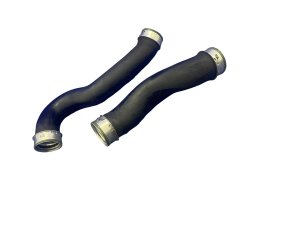
Set of four pipes (left/right, upper/lower) connecting the twin turbochargers to the twin intercoolers and the intercoolers to the engine's Y-pipe.
We Have This Part in Stock

The information in this article is provided for general reference and educational purposes only. Vehicle specifications, procedures, and part compatibility can vary by production date, trim level, and region. Always consult your vehicle's factory service manual and verify part numbers before purchasing or performing repairs. Safety-critical components such as airbags, seat belts, and braking systems should be installed by a qualified professional.
- Porsche 911: