

2017-2020 Karma Revero Intercooler Pipe: Boost Leak Symptoms & Used Part Inspection
This guide covers the symptoms of a failing intercooler pipe on the 2017-2020 Karma Revero and what to look for when buying a used replacement.
- The most critical compatibility factor is the engine change: 2017-2019 models use a GM 2.0L engine, while 2020 models use a BMW 1.5L engine. Parts are not interchangeable.
- There are no widespread, documented failures of this specific part on the Revero. Failures are likely due to age and heat, similar to any turbocharged vehicle.
- Symptoms of failure include a significant loss of power, a hissing sound from the engine, and a P0299 underboost trouble code.
- When buying a used pipe, carefully inspect for cracks, especially at connection points and mounting tabs. A light oil film inside is normal.
Symptoms of a Failing Intercooler Pipe
A leak in an intercooler pipe, often called a "boost leak," can cause several noticeable symptoms. Because the Karma Revero is a quiet hybrid, some symptoms like engine noises may be less obvious until the gasoline engine kicks in.
- Loss of Power: This is the most common symptom. The car may feel sluggish, especially when accelerating, because the turbo can't provide the intended amount of pressurized air to the engine. In the Revero, this would be most noticeable in "Sport" mode when the gasoline engine is running.
- Hissing or Whistling Noises: A distinct hissing or whooshing sound from the engine bay that gets louder with acceleration is a classic sign of air escaping from a crack or loose connection in the piping.
- Check Engine Light: A significant boost leak will likely trigger a Check Engine Light. The most common trouble code is P0299 (Turbocharger/Supercharger Underboost), but other codes related to the air-fuel mixture may also appear.
- Reduced Fuel Economy: When the engine isn't receiving the correct amount of air, the engine control unit (ECU) may compensate by injecting more fuel, leading to worse gas mileage when the range extender is active.
- Black Smoke from Exhaust: In some cases, an improper air-fuel ratio caused by a boost leak can lead to unburned fuel being expelled, resulting in black smoke from the exhaust.
Vehicle-Specific Known Issues, TSBs, and Recalls
As of this writing, there are no known recalls or Technical Service Bulletins (TSBs) from Karma Automotive or the NHTSA that specifically address failures of the intercooler pipes on the 2017-2020 Revero. The Revero is a low-production vehicle, so widespread issues are not commonly documented in public forums.
Recalls for this vehicle generation have been issued for unrelated components, such as disabled rollover airbag sensors and faulty turn signals. These issues do not involve the engine's intake or turbocharging system.
Compatibility Warning: The 2017-2019 Karma Revero uses a 2.0L turbocharged engine sourced from General Motors (GM). For the 2020 model year, Karma switched to a 1.5L 3-cylinder turbocharged engine from BMW. The intercooler pipes are not interchangeable between these two different engines. Always verify compatibility by part number or by confirming the donor vehicle's model year.
Buying a Used Intercooler Pipe: What to Inspect
Since new OEM parts for the Revero can be extremely expensive and difficult to source, a quality used OEM pipe is often the best value. Inspect a used part carefully before purchase.
Pro Tip: An intercooler pipe is a simple component with no moving parts. A used OEM part that passes a thorough inspection is a reliable and cost-effective alternative to a new one.
Inspection Checklist
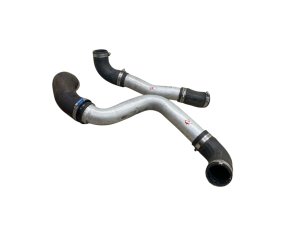
- Check for Cracks: The original pipes are typically made of plastic or metal with rubber or silicone couplers. Carefully inspect the entire surface, paying close attention to seams, mounting brackets, and connection points. Plastic can become brittle with age and develop hairline cracks.
- Inspect Connection Points: Ensure the ends of the pipe are not warped or damaged. Check that any grooves for O-rings or clamps are in good condition to ensure a tight seal.
- Look for Oil Residue: A light film of oil inside the pipe is normal for a turbocharged engine, as it comes from the PCV (Positive Crankcase Ventilation) system. However, a large pool of oil could indicate a failing turbocharger on the donor vehicle, and that oil can degrade the rubber couplers over time. The pipe itself is likely fine, but it should be cleaned thoroughly before installation.
- Verify All Tabs and Mounts are Intact: Make sure no mounting tabs are broken off. These are essential for securing the pipe and preventing it from vibrating, which could lead to future failures.
- Check Couplers and Clamps: If the used pipe comes with rubber or silicone couplers, check them for cracks, swelling, or soft spots. It's often a good idea to replace these with new parts anyway, as they are inexpensive wear items.
Replacement Cost & Difficulty
Replacing an intercooler pipe is generally a straightforward job for someone with mechanical experience, but accessing the pipes on a tightly packaged vehicle like the Revero may be challenging.
- Installation Difficulty: 3 out of 5. The difficulty depends on which section of pipe has failed. Some are easily accessible from the top of the engine bay, while others may require removing the front bumper or undertray.
- DIY Feasible: Yes, for experienced DIY mechanics.
- Tools Required: Basic hand tools like a socket set, screwdrivers, and pliers. A tool for removing hose clamps is also helpful.
| Part/Service | Estimated Cost |
|---|---|
| New OEM Intercooler Pipe | $400 - $700+ (dealer special order, if available) |
| New Aftermarket | Not Generally Available |
| Used OEM Intercooler Pipe | $100 - $250 |
| Shop Labor Cost | $150 - $350 |
Cost estimates are approximate and can vary based on location and the specific pipe being replaced.
Frequently Asked Questions (FAQ)
Can I drive my Revero with a leaking intercooler pipe?
You can, but it's not recommended for extended periods. The car will have reduced power and poor fuel efficiency. Driving with a significant boost leak can put extra strain on the turbocharger as it tries to compensate for the lost pressure, potentially leading to more costly repairs down the road.
What causes an intercooler pipe to fail?
Failure is usually due to age, heat, and pressure cycles. Over time, the plastic or rubber components can become brittle and crack. Engine movement and vibration can also stress the mounting points, leading to failure.
Is it normal to find oil inside the intercooler pipes?
Yes, a thin coating of oil is normal. The engine's crankcase ventilation system routes oily vapor into the intake, which can condense inside the intercooler and pipes. However, if you find a significant amount of pooled oil, it could be a sign of a failing turbo seal on the donor car.
Are the 2019 and 2020 Revero intercooler pipes the same?
No. The 2019 Revero uses a GM 2.0L engine, while the 2020 Revero uses a BMW 1.5L engine. The plumbing for the turbo system is completely different. You must purchase a part that is specific to your model year and engine.
Technical Specifications
OEM Part Numbers: C131114422002 C131114403002
Material: Plastic and Metal composite with rubber/silicone couplers.
We Have This Part in Stock

The information in this article is provided for general reference and educational purposes only. Vehicle specifications, procedures, and part compatibility can vary by production date, trim level, and region. Always consult your vehicle's factory service manual and verify part numbers before purchasing or performing repairs. Safety-critical components such as airbags, seat belts, and braking systems should be installed by a qualified professional.
- Karma Revero: