

2017-2020 Fiat 124 Spider Intercooler Pipe: Diagnosing Boost Leaks and Failures
Learn to spot the signs of a failing intercooler pipe on your 1.4L turbo Fiat, from power loss to hissing sounds, and what to check before buying a used one.
- The most common symptom of failure is a hissing sound during acceleration accompanied by a significant loss of power and a P0299 Check Engine Light code.
- When buying a used pipe, carefully inspect for cracks, especially near connection points, and ensure any rubber sections are firm, not soft or spongy.
- The OEM pipes are made of plastic and can become brittle and crack over time due to heat and pressure cycles.
- Replacement is moderately difficult due to tight access, often requiring removal of the front undertray and sometimes the bumper cover.
Symptoms of a Failing Intercooler Pipe
A leak in the intercooler piping, often called a "boost leak," can cause noticeable performance issues. Because the Fiat 124 Spider relies on this pressurized air for power, any failure in the system is usually easy to detect if you know what to look and listen for.
Common Symptoms:
- Loss of Power: The car will feel sluggish and less responsive, especially during acceleration when the turbo is supposed to be providing boost.
- Hissing or Whistling Noise: A distinct hissing or whooshing sound from the engine bay during acceleration is a classic sign of air escaping from a crack or loose connection.
- Check Engine Light: A significant boost leak will often trigger a Check Engine Light. The most common trouble code is P0299 (Turbocharger/Supercharger Underboost Condition), which means the engine's computer has detected that the actual boost pressure is lower than expected.
- Poor Fuel Economy: The engine's computer may try to compensate for the lack of air pressure by adjusting the fuel mixture, leading to decreased gas mileage.
- Rough or Unstable Idle: While less common, a large leak can sometimes disrupt the air-fuel mixture enough to cause a rough or fluctuating idle. 🎬 Watch: Troubleshooting rough idle issues on the 1.4L MultiAir
- Limp Mode: In some cases, the engine control module (ECM) may restrict engine power to prevent potential damage, a condition known as "limp mode".
Known Issues for the 2017-2020 Fiat 124 Spider
The OEM intercooler pipes on the 1.4L MultiAir turbo engine are made of plastic and rubber. Over time, constant exposure to heat and pressure can cause them to become brittle and fail. Forum discussions and mechanic feedback point to a few common failure points:
- Cracks in Plastic Sections: The hard plastic portions of the pipes can develop hairline cracks, especially at connection points or mounting brackets.
- Loose Clamps: The factory hose clamps can sometimes loosen, allowing a pipe to pop off under high boost.
- Oil Contamination: It is normal for some oil vapor from the PCV (Positive Crankcase Ventilation) system to be present in the intercooler piping. However, over time this oil can degrade the rubber couplers from the inside out, making them soft and prone to failure.
While the pipes themselves are a known weak point, other issues like a failing wastegate on the turbocharger can also cause underboost codes like P0299. 🎬 Watch: How to diagnose a boost leak before replacing parts However, a thorough inspection of the intercooler piping for leaks is the most logical first step in diagnosis.
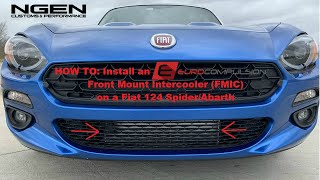
Pro Tip: Many owners who modify their cars for more power choose to replace the factory plastic and rubber pipes with aftermarket aluminum or silicone kits. 🎬 See this step-by-step aftermarket intercooler installation guide These are designed to handle higher boost pressures and are more durable.
Buying a Used Intercooler Pipe: What to Inspect
A used OEM intercooler pipe can be a cost-effective solution, but careful inspection is crucial to ensure you're getting a reliable part. Given that these parts can fail from heat and age, a low-mileage part is always preferable.
- Check for Cracks: Flex the pipe in your hands and meticulously inspect its entire surface, especially around the connection points and any plastic welds. Pay close attention to the mounting tabs, as cracks often start there.
- Verify Part Numbers: The Fiat 124 Spider has multiple intercooler pipes (inlet/hot side and outlet/cold side). Ensure the part number you are buying matches the specific pipe you need to replace.
- Inspect the Connection Points: Check the ends of the pipe for any warping or damage that could prevent a tight seal. If the pipe uses O-rings, make sure they are present and not flattened or torn. It's often a good idea to install new seals regardless.
- Look for Interior Oil: A light film of oil inside is normal. However, if the pipe is dripping with oil, it could indicate excessive engine blow-by, and the rubber components of the pipe may have been weakened.
- Squeeze the Rubber Sections: Any rubber couplers or flexible sections should feel firm. If they feel overly soft, spongy, or sticky, they have likely been degraded by oil and heat and should not be used.
Cost Comparison
Prices can vary based on which specific pipe is needed. The system has multiple sections, with some being significantly more expensive than others.
| Part Type | Estimated Cost |
|---|---|
| New OEM | $220 - $900+ depending on the specific pipe |
| New Aftermarket (Full Kit) | $500 - $1,200 |
| Used OEM | $75 - $250 |
| Shop Labor | $200 - $400 |
Replacement Overview & Difficulty
Replacing the intercooler pipes on a Fiat 124 Spider is a moderately difficult job that can be done by a patient DIY mechanic with a good set of tools. Access is tight, and some disassembly is required.
- Difficulty Rating: 3 out of 5
- Estimated Time: 2-4 hours
- Process: The process generally involves lifting the front of the vehicle, removing the front undertray, and possibly the front bumper cover for better access. The pipes are secured with a series of clamps and mounting bolts. The connections at the turbo and throttle body can be particularly difficult to reach. Using soapy water on the inside of the new hoses can make installation much easier.
Warning: The turbocharger and surrounding components can get extremely hot. Ensure the engine is completely cool before beginning any work on the intake or turbo system.
OEM Part Numbers and Fitment
These parts fit all 2017, 2018, 2019, and 2020 Fiat 124 Spider models (Classica, Lusso, Abarth) equipped with the 1.4L MultiAir turbo engine.
| Part Number | Description | Approx. New OEM Price (MSRP) |
|---|---|---|
| 68313819AA | Inlet Tube (Hot Side) | $326 |
| 68313126AA | Outlet Tube (Cold Side) | $444 |
| 68318840AA | Outlet Tube (Cold Side) | $891 |
| 68313826AA | (Part number from database, specific application not found in search) | N/A |
| 68318841AA | (Part number from database, specific application not found in search) | N/A |
Note: Multiple part numbers may exist for the same location due to revisions or slight variations. Always verify fitment with a VIN.
Recalls and Technical Service Bulletins (TSBs)
As of late 2024, there are no recalls or TSBs issued by the NHTSA specifically for the intercooler pipes on the 2017-2020 Fiat 124 Spider. There are active recalls for the automatic transmission control module and the airbag control module software on these vehicles.
Frequently Asked Questions (FAQ)
Can I drive with a leaking intercooler pipe?
Yes, but it is not recommended for extended periods. The vehicle will have significantly reduced power, poor fuel economy, and the Check Engine Light will likely be on. Driving with a major leak could cause the engine to run improperly, potentially leading to other issues over time.
Is an aftermarket metal or silicone pipe kit better than the OEM plastic one?
For durability and performance, especially on a modified vehicle, aftermarket kits made from aluminum and high-quality 5-ply silicone are superior. They are designed to withstand higher temperatures and boost pressures without cracking or expanding. For a stock vehicle, a new or quality used OEM pipe is a perfectly acceptable and more affordable option.
What is the most common OBD-II code for a bad intercooler pipe?
The most common code is P0299, which indicates a "Turbocharger/Supercharger Underboost Condition." This code is set when the engine's computer detects that the turbo is not producing the amount of pressure it's being commanded to make, and a leak in the piping is a primary cause.
Do I need to perform any special procedures after replacing an intercooler pipe?
No special programming or calibration is required. After the new pipe is installed and all connections are secure, you should clear any diagnostic trouble codes (like P0299) from the engine computer using an OBD-II scanner. Then, test drive the vehicle to ensure that power is restored and the Check Engine Light does not return.
Helpful Videos
Technical Specifications
OEM Part Numbers: 68313126AA 68313819AA 68313826AA 68318840AA 68318841AA
Material: Plastic and rubber composite. The system consists of multiple sections, including hot-side (inlet) and cold-side (outlet) pipes.
We Have This Part in Stock


The information in this article is provided for general reference and educational purposes only. Vehicle specifications, procedures, and part compatibility can vary by production date, trim level, and region. Always consult your vehicle's factory service manual and verify part numbers before purchasing or performing repairs. Safety-critical components such as airbags, seat belts, and braking systems should be installed by a qualified professional.
- Fiat 124 Spider:
- 🎬 Helpful Videos
- 🛍️ Shop This Part
- Symptoms of a Failing Intercooler Pipe
- Common Symptoms:
- Known Issues for the 2017-2020 Fiat 124 Spider
- Buying a Used Intercooler Pipe: What to Inspect
- Cost Comparison
- Replacement Overview & Difficulty
- OEM Part Numbers and Fitment
- Recalls and Technical Service Bulletins (TSBs)
- Frequently Asked Questions (FAQ)
- 🎟️ Get 5% Off