

2017-2022 BMW M760i Intercooler Pipe: Boost Leaks, Diagnosis, and Replacement
A complete guide to diagnosing the plastic intercooler charge pipes on the N74 V12 engine and what to look for when buying a used replacement.
- Failure is often sudden, causing a loud 'pop', a severe loss of power, and a P0299 underboost code.
- The OEM plastic pipes can become brittle from heat and pressure, cracking at the seams or connection points.
- When buying a used part, meticulously inspect for hairline cracks and ensure all mounting tabs are intact.
- The M760i has separate left (13718621870) and right (13718621871) pipes; verify you are purchasing the correct one.
Symptoms of a Failing Intercooler Pipe
A failed intercooler pipe on a BMW M760i typically results in a significant boost leak. While many turbocharged BMWs are known for their plastic charge pipes cracking, the failure on an M760i can be sudden and dramatic. The symptoms are usually immediate and hard to ignore.
- Sudden and Severe Loss of Power: This is the most common symptom. The car will feel extremely sluggish, as the pressurized air from the turbos is escaping instead of entering the engine.
- Audible "Pop" or Bang: Many drivers report hearing a loud pop from the engine bay at the moment the pipe fails, especially under acceleration. This is the sound of the plastic pipe splitting or blowing off its connection.
- Loud Hissing or Whooshing Sound: After the initial failure, you will likely hear a loud hissing sound from the engine bay that corresponds with engine RPM and acceleration, which is the sound of boost pressure escaping.
- Check Engine Light and Drivetrain Malfunction Warnings: A massive air leak will cause the engine's sensors to detect a problem, triggering a "Drivetrain Malfunction" message on the iDrive screen and illuminating the Check Engine Light.
- OBD-II Fault Code P0299: The most common trouble code associated with a failed charge pipe is P0299 (Turbocharger/Supercharger Underboost Condition). This code is set when the engine control unit (ECU) detects that the actual boost pressure is significantly lower than the target pressure.
- Rough Idle or Stalling: In severe cases, the unmetered air entering or escaping the system can cause the engine to run rough or even stall.
Known Issues and Failure Points
Like many modern BMWs, the M760i uses plastic for its charge air pipes. While durable, this material is susceptible to becoming brittle over time due to constant exposure to high temperatures and pressure fluctuations from the twin-turbo V12 engine. The most common failure point is the pipe cracking along a seam or at the connection point to the throttle body or intercooler. While not as universally common as on smaller, more frequently tuned BMW engines like the N55, failure on the N74-powered M760i is still a possibility, especially on higher-mileage vehicles or those driven in hot climates.
Pro Tip: The M760i has a complex intake system with two of everything: two turbos, two intercoolers, and multiple charge pipes. The main pipes leading from the intercoolers to the intake manifolds are the most common to fail. They are distinct left (driver side) and right (passenger side) parts.
Recalls and Technical Service Bulletins (TSBs)
As of mid-2026, there are no specific recalls or Technical Service Bulletins (TSBs) from BMW related to the intercooler *air* pipes on the 2017-2022 M760i xDrive.
It is important not to confuse this with NHTSA Campaign Number 17V240000, which affected some 2017-2018 M760i models. That recall was for a faulty *engine oil cooler line* that could leak oil, potentially onto the front brake rotors, and was unrelated to the air intake charge pipes.
Buying a Used M760i Intercooler Pipe: What to Look For
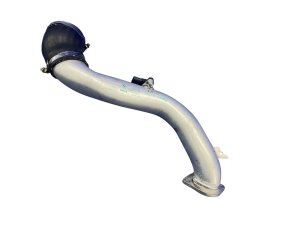
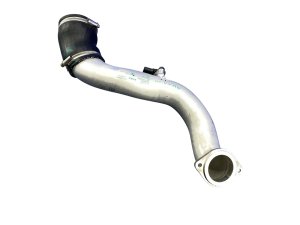
A used OEM intercooler pipe is an excellent, cost-effective replacement. Proper fitment is absolutely essential to prevent boost leaks, and a genuine BMW part guarantees this. Aftermarket options for the M760i are not widely available, making a quality used OEM part the best alternative to an expensive new one. When inspecting a used pipe, pay close attention to the following:
- Hairline Cracks: Carefully inspect the entire surface of the pipe, especially along any molding seams and near the connection points. Use a bright light and flex the pipe slightly to reveal any hidden cracks.
- Connection Flanges: Check the plastic flanges at both ends of the pipe. Ensure they are not warped, cracked, or worn down where the sealing O-ring sits.
- Mounting Tabs: Verify that all mounting tabs and bracket points are intact and free of cracks. Broken tabs can lead to vibrations that cause the pipe to fail prematurely.
- Overall Condition: The plastic should not be excessively brittle or discolored. While some oil residue inside the pipe is normal (from the PCV system), excessive amounts could indicate other engine issues.
- Part Number Verification: The M760i has left and right pipes with different part numbers. Ensure you are buying the correct one for your needs. The passenger side pipe is part number 13718621871, and the driver side is 13718621870.
Warning: Always replace the rubber O-ring seals when installing a replacement intercooler pipe, whether new or used. Reusing old, compressed seals is a common cause of persistent small boost leaks.
Replacement Cost Comparison
The cost to replace an M760i intercooler pipe can vary depending on the source of the part and labor rates. Below are typical cost estimates.
| Item | Estimated Cost | Notes |
|---|---|---|
| New OEM Part | $350 - $480 | Price from a BMW dealership or online OEM supplier. |
| New Aftermarket Part | Not Widely Available | Upgraded aluminum pipes common for other BMWs are rare for the M760i. |
| Used OEM Part | $100 - $225 | Based on listings for used parts in good condition from recyclers. |
| Shop Labor | $150 - $250 | Estimated 1-2 hours of labor. The engine bay is tight, so it may take longer than on a simpler car. |
| Total (Used OEM) | $250 - $475 | Significant savings over a new OEM part installed at a dealership. |
Frequently Asked Questions (FAQ)
Can I still drive my M760i with a broken intercooler pipe?
You can, but it is not recommended for any significant distance. The engine will have a severe lack of power, making acceleration difficult and potentially unsafe in traffic. The engine will also be running inefficiently, and unfiltered air could be drawn into the engine if the pipe has completely detached. Driving the car hard with a major boost leak can also cause the turbochargers to over-speed, potentially leading to damage.
What is the P0299 "Underboost" code?
P0299 is a generic OBD-II code that means the Engine Control Unit (ECU) has detected that the turbocharger system is not producing the amount of boost pressure it expects. A cracked or disconnected intercooler pipe is one of the most common causes of a large boost leak that will trigger this code.
Should I upgrade to aftermarket aluminum intercooler pipes?
For most M760i owners, this is not a practical option. Unlike for smaller BMW engines, the market for upgraded aluminum charge pipes for the N74 V12 is very limited. For a stock or lightly tuned vehicle, a new or good-condition used OEM plastic pipe is perfectly adequate and ensures perfect fitment.
If one pipe fails, should I replace the other one too?
It is a good preventative measure. Both the left and right intercooler pipes are made of the same material and have been exposed to the same age, mileage, and heat cycles. If one has become brittle enough to fail, the other may not be far behind. Replacing them both at the same time can save you from a second breakdown in the near future.
Technical Specifications
OEM Part Numbers: 13718621871 8621871 13718621870 8621872
Material: Plastic Composite. Positions: Left (Driver Side) and Right (Passenger Side).
We Have This Part in Stock

The information in this article is provided for general reference and educational purposes only. Vehicle specifications, procedures, and part compatibility can vary by production date, trim level, and region. Always consult your vehicle's factory service manual and verify part numbers before purchasing or performing repairs. Safety-critical components such as airbags, seat belts, and braking systems should be installed by a qualified professional.
- BMW M760i xDrive: