

2017-2024 Audi A4 & A5 Intercooler Pipe: Diagnosing P0299 Boost Leaks & Hissing
This guide covers the common failure symptoms, replacement costs, and inspection points for the OEM intercooler pipes on the B9 platform Audi A4 and A5.
- The most common signs of failure are a sudden loss of power, a hissing sound on acceleration, and a Check Engine Light with code P0299.
- Replacement requires removing the front bumper cover, making it a moderately difficult job (2-3 hours).
- When buying a used pipe, carefully inspect for hairline cracks and ensure the rubber seals at each end are in good condition.
- There are no specific recalls for this part, but several different OEM part numbers exist, so verifying the correct one for your VIN is critical.
Symptoms of a Failing Intercooler Pipe
A cracked or poorly sealed intercooler pipe creates a "boost leak," where pressurized air from the turbo escapes before it can reach the engine. The symptoms are usually noticeable and directly impact the car's performance and drivability.
1. Sudden Loss of Power & Poor Acceleration
This is the most common symptom. When you press the accelerator, especially when trying to merge or pass, the car will feel sluggish and unresponsive. The engine isn't receiving the amount of air it expects, so it can't produce the correct amount of power. This is often most obvious when going uphill or putting the engine under a heavy load.
2. Audible Hissing or Whistling Sound
When pressurized air escapes from a crack or a bad seal, it often creates a distinct hissing or whistling noise that changes with engine RPM. You'll likely hear it coming from the engine bay during acceleration as the turbo builds boost. This sound is a direct giveaway of a leak in the intake system.
3. Check Engine Light with Code P0299
A significant boost leak will almost always trigger a Check Engine Light (CEL). The most common diagnostic trouble code (DTC) associated with this issue is P0299 - Turbocharger/Supercharger Underboost. This code means the engine's computer (ECU) has detected that the actual boost pressure is significantly lower than the target boost pressure for a set period of time. While other issues can cause a P0299 code, a leak in the charge pipe system is a primary suspect.
4. Reduced Fuel Economy
When the engine isn't getting the proper amount of boosted air, the air-fuel ratio can become incorrect, forcing the engine to work harder and use more fuel to achieve the desired speed. If you notice your gas mileage has suddenly dropped, it could be related to a boost leak.
Buying a Used Intercooler Pipe: What to Inspect
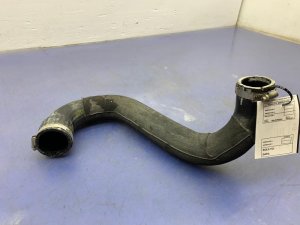
A used OEM intercooler pipe can be a cost-effective solution, as the original parts are well-made and a simple crack is the most common failure. Aftermarket pipes often come as complete, expensive aluminum kits, making a single used OEM pipe an attractive repair option. Before buying, perform a thorough inspection.
Pro Tip: A simple way to check for very small cracks is to seal one end of the pipe and submerge it in water while applying low-pressure compressed air to the other end. Bubbles will reveal the location of any leaks.
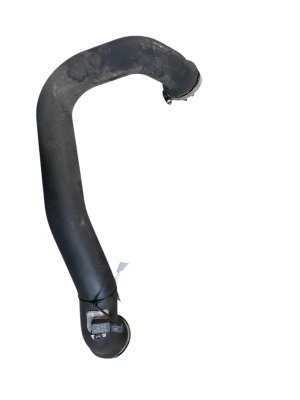
- Check for Cracks: The pipes are made of hard plastic. Carefully inspect the entire surface, paying close attention to the seams, mounting points, and the ends where the couplers attach. Hairline cracks can be difficult to see but are a common failure point.
- Inspect the Seals: Each end of the pipe has a rubber seal or O-ring. Ensure these seals are present, pliable, and not cracked, flattened, or brittle. A bad seal will cause a leak even if the pipe itself is intact.
- Verify Connector Integrity: The ends of the pipe have specific shapes and locking mechanisms to connect to the intercooler and other hoses. Check that these plastic ends aren't chipped, warped, or broken, which would prevent a secure connection.
- Look for Oil Residue: A light film of oil inside the pipe is normal for a turbocharged engine. However, excessive pooling oil can be a red flag for a failing turbocharger, which may have been the root cause of the original vehicle's problem.
- Confirm Part Numbers: There are several part numbers for this vehicle range. Ensure the part you are buying matches the number you need or is a verified superseded part.
Known Issues, TSBs, and Recalls
As of mid-2024, there are no specific recalls or widespread Technical Service Bulletins (TSBs) from Audi for failing intercooler pipes on the 2017-2024 A4 or 2018-2024 A5. While several recalls exist for these models, they primarily concern airbag systems and are unrelated to the engine's charge air components.
A TSB for the Audi S3 (01 23 67 2071200/1) notes potential oil residue at the connection point between a charge pipe and a cut-off valve. While this is for a different model, it highlights the importance of checking for oil leaks at connection points, as this can indicate a poor seal.
Replacement Difficulty & Cost
Replacing an intercooler pipe on the B9 platform A4 or A5 is a moderately difficult job, primarily because it requires removing the front bumper cover to gain access.
- Difficulty Rating: 3 out of 5
- Estimated Time: 2.0 - 3.5 hours
- DIY Feasible: Yes, for mechanics with experience removing body panels.
The general steps involve lifting the vehicle, removing the front wheels, detaching the fender liners, removing the belly pan, and then carefully unclipping and unbolting the front bumper cover. Once the bumper is off, the intercooler and its associated pipes are directly accessible. The pipes are typically held on by simple hose clamps or clip-on connectors.
Cost Comparison
The cost can vary significantly depending on whether you choose a new OEM part, a used part, or a full aftermarket kit.
| Part Type | Estimated Cost |
|---|---|
| New OEM | $210 - $360 |
| New Aftermarket (Full Kit) | $170 - $300+ |
| Used OEM | $40 - $100 |
| Shop Labor | $250 - $500 |
OEM Part Numbers
These vehicles use several intercooler pipes (e.g., turbo to intercooler, intercooler to throttle body, left and right sides). The part numbers listed here are primarily for the right-side (passenger side) pressure hose, which is a common replacement item. Always verify the exact part number needed for your specific vehicle and pipe location before ordering.
- 8W0145738P: This is a common part number that supersedes (replaces) older versions 8W0145738F and 8W0145738H. It is listed for 2017-2020+ models.
- 8W0145738N: This part number is often listed for later models (2021-2025) and specific engine variants like the 40 TFSI or 45 TFSI.
- 8W0145673AL: This is an example of a part number for the left-side (driver side) pipe.
Warning: Due to variations in model years and engine codes (e.g., 40 TFSI vs. 45 TFSI), it is crucial to confirm compatibility with your vehicle's VIN before purchasing a replacement part.
Frequently Asked Questions
Can I drive my Audi with a leaking intercooler pipe?
Yes, but it is not recommended for an extended period. The car will have significantly reduced power, poor fuel economy, and the Check Engine Light will be on. While it won't leave you stranded immediately, long-term driving can put extra strain on the turbocharger as it tries to compensate for the lost pressure.
What is a boost leak test?
A boost leak test is a diagnostic procedure to find leaks in the charge air system. A mechanic will cap off the intake system and introduce low-pressure compressed air. They can then listen for hissing sounds or spray soapy water on the pipes and connections; bubbles will form at the site of any leak. This is the most definitive way to confirm a cracked pipe or bad seal.
Is an aftermarket aluminum intercooler pipe better than OEM?
It depends. For a stock or lightly tuned car, a new or used OEM pipe is perfectly adequate. Aftermarket aluminum pipe kits are designed for high-performance applications, offering increased durability under very high boost pressures and sometimes better airflow. However, they are more expensive and replace multiple components, which may be unnecessary for a simple crack in one pipe.
Will this part fit both the Audi A4 and A5?
Yes, the intercooler pipes are shared between the 2017-2024 Audi A4 and the 2018-2024 Audi A5 because they are built on the same 'B9' platform and use the same 2.0T engine and drivetrain layout. However, you must still verify the part number for your specific model year and engine output version.
Technical Specifications
OEM Part Numbers: 8W0145738 8W0145738F 8W0145738H 8W0145738N 8W0145738P 8W0145673AL
Material: Molded Plastic Composite
We Have This Part in Stock

The information in this article is provided for general reference and educational purposes only. Vehicle specifications, procedures, and part compatibility can vary by production date, trim level, and region. Always consult your vehicle's factory service manual and verify part numbers before purchasing or performing repairs. Safety-critical components such as airbags, seat belts, and braking systems should be installed by a qualified professional.
- Audi A4:
- Audi A5:
- 🛍️ Shop This Part
- Symptoms of a Failing Intercooler Pipe
- 1. Sudden Loss of Power & Poor Acceleration
- 2. Audible Hissing or Whistling Sound
- 3. Check Engine Light with Code P0299
- 4. Reduced Fuel Economy
- Buying a Used Intercooler Pipe: What to Inspect
- Known Issues, TSBs, and Recalls
- Replacement Difficulty & Cost
- Cost Comparison
- OEM Part Numbers
- Frequently Asked Questions
- 🎟️ Get 5% Off