

2016-2021 Mercedes Metris Intercooler: Diagnosing Boost Leaks and Power Loss
Learn the signs of a failing charge air cooler in your Metris van, from power loss and smoke to specific diagnostic codes, and know what to inspect on a used replacement.
- A failing intercooler will almost always cause a significant loss of power and trigger a P0299 'Turbo Underboost' check engine light code.
- Before buying a used part, verify the OEM number is 4475011301 (or the older 4475010301) and inspect it for cracks in the plastic end tanks and signs of heavy oil pooling inside.
- Replacement requires removing the front bumper cover and is a moderately difficult job (3/5) that takes about 2-3 hours.
- Symptoms like hissing noises and power loss can also be caused by a simple cracked hose or loose clamp, so a full system inspection is recommended before buying parts.
Common Symptoms of a Failing Metris Intercooler

A leaking or clogged intercooler prevents the engine from getting the cool, dense air it needs to make full power. Most symptoms are related to this loss of boost pressure. You will likely notice several of these issues at once.
- Significant Loss of Power: This is the most common symptom. The van may feel sluggish, accelerate slowly, and struggle to maintain speed, especially up hills or when carrying a load. In some cases, the vehicle's computer may enter a reduced-power "limp mode" to protect the engine.
- Check Engine Light with Code P0299: A leak in the intercooler or its connecting hoses is a primary cause of the P0299 "Turbocharger/Supercharger Underboost" diagnostic trouble code. This code is set when the engine's computer detects that the turbo is not producing the expected amount of pressure.
- Audible Hissing or Whistling Noises: When you accelerate, you may hear a distinct hissing or whistling sound from the front of the vehicle. This is the sound of pressurized air escaping from a crack in the intercooler or a loose hose connection.
- Black Smoke from the Exhaust: If the engine receives less air but the same amount of fuel, the air-fuel mixture becomes too rich. This unburned fuel exits the tailpipe as black smoke, particularly during acceleration.
- Reduced Fuel Economy: With the engine running inefficiently due to the incorrect air-fuel mixture, you will notice a drop in your average miles per gallon (MPG).
Known Issues for the 2016-2021 Metris Intercooler

The intercooler on the W447 Metris is not subject to any specific recalls or widespread, chronic failure patterns. However, like any front-mounted cooler, it is susceptible to certain types of damage and wear over its service life.
- Impact Damage: The intercooler is located at the front of the vehicle, behind the bumper grille. This position makes it vulnerable to being punctured by rocks and other road debris, or cracked in a minor front-end collision.
- Corrosion: In regions that use road salt during winter, the aluminum core and fins can corrode over time, leading to leaks.
- Hose and Clamp Failure: Sometimes the problem isn't the intercooler itself, but the rubber or plastic hoses connecting it to the turbo and the engine. These can become brittle and crack, or the clamps holding them can loosen, causing a boost leak that produces the same symptoms as a failed intercooler.
- Oil Contamination: It is normal to find a light film of oil inside the intercooler and charge pipes, as the engine's crankcase ventilation (PCV) system routes oil vapor through the intake. However, a failing turbocharger or a malfunctioning PCV system can send excessive amounts of oil into the intercooler, potentially leading to blockages and reduced efficiency.
Pro Tip: Before condemning the intercooler, perform a boost leak test. This involves pressurizing the intake system with a special tool to pinpoint the exact location of a leak. It could be a simple loose clamp or a cracked hose, which is a much cheaper repair.
Buying a Used Metris Intercooler: What to Check

A quality, inspected used OEM intercooler can be a smart, cost-effective alternative to an expensive new dealer part or a questionable aftermarket unit. Here’s what to look for before you buy.
- Verify the Part Number: The most critical step is to ensure compatibility. The Metris uses part number 4475011301 or A4475011301. This part number supersedes the older 4475010301. Always match one of these numbers to your original part for a guaranteed fit.
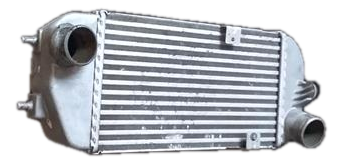
- Inspect the End Tanks: The intercooler has plastic end tanks crimped onto the aluminum core. Carefully inspect the plastic and the crimped seams for any hairline cracks, especially around the inlet and outlet ports. This is a common failure point.
- Check for Oil Pooling: Look inside the inlet and outlet ports. A light oily residue is normal. However, if you can pour liquid oil out of the unit, it may indicate that the donor vehicle had a severe engine or turbocharger failure. Avoid such parts, as the pooled oil can be difficult to clean out and may be ingested by your engine on startup.
- Examine the Fins: Look at the cooling fins between the core tubes. A few bent fins from normal use are acceptable and won't significantly affect performance. However, large areas of crushed or flattened fins will block airflow and reduce the intercooler's effectiveness.
- Look for Previous Repairs: Check for signs of epoxy, JB Weld, or unusual welds, which indicate a previous leak that someone tried to patch. These repairs are unreliable and should be avoided.
- Pressure Test if Possible: If the seller allows, the best way to confirm integrity is to have the unit pressure tested at a radiator shop. This involves sealing the inlet and outlet and pressurizing it to check for leaks.
Replacement Overview & Difficulty
Replacing the intercooler on a 2016-2021 Metris is a moderately difficult job that requires removing the front bumper cover for access. A short video shows the basic steps of unclipping hoses and removing mounting bolts. While it can be done by an experienced DIY mechanic, it requires patience and care when handling the plastic bumper clips and fasteners.
- Difficulty: 3 out of 5
- Estimated Time: 2-3 hours
- Tools Needed: Basic hand tools (socket set, screwdrivers), trim removal tools, and potentially hose clamp pliers.
The basic process involves removing the front bumper cover, disconnecting the charge air hoses (which use metal clips), unbolting the intercooler from its mounts, and maneuvering it out from the front of the vehicle. Installation is the reverse of removal.
Warning: The charge air hoses use spring-loaded metal clips. Be careful when releasing them, and ensure they are fully seated and locked during reinstallation to prevent the hoses from blowing off under pressure.
Cost Comparison
Prices can vary by supplier and location, but this provides a general cost expectation for the part and installation.
| Part Type | Estimated Cost |
|---|---|
| New OEM (Dealer) | $360 - $585 |
| New Aftermarket | $150 - $250 |
| Used OEM | $100 - $250 |
| Shop Labor | $300 - $450 |
Frequently Asked Questions (FAQ)
Can I drive my Metris with a leaking intercooler?
You can, but it's not recommended for long. The van will have reduced power, making it slow and potentially unsafe in traffic. Continuing to drive will also result in very poor fuel economy and can lead to long-term damage to the turbocharger, which has to work harder to compensate for the lost pressure.
How do I test for an intercooler leak?
The most effective method is a boost leak test. This involves using a specialized tester that attaches to the turbocharger inlet. The system is filled with low-pressure compressed air (typically 15-20 PSI), and you listen for hissing sounds and spray soapy water on connections and the intercooler itself to look for bubbles, which indicate a leak.
Why is there oil inside my intercooler?
A thin coating of oil inside the charge air system is normal. The engine's Positive Crankcase Ventilation (PCV) system vents oil vapors from the engine crankcase back into the intake to be burned. These vapors condense and form a film inside the hoses and intercooler. However, if you find a significant amount of liquid oil, it could be a sign of a failing turbocharger oil seal or a problem with the PCV system itself.
Are there any recalls for the Metris intercooler?
No. As of mid-2026, there are no NHTSA safety recalls specifically for the intercooler on the 2016-2021 Mercedes-Benz Metris. There are recalls for other items like fuel hoses, the brake fluid reservoir, and software, but none address the charge air cooler.
Technical Specifications
Also known as a Charge Air Cooler.
| Specification | Value |
|---|---|
| Chassis | W447 |
| Engine | 2.0L M274 Turbocharged I4 Gas |
| OEM Part Numbers | 4475011301, A4475011301 |
| Replaces Part Numbers | 4475010301, A4475010301 |
| Core Dimensions (Approx.) | 26.19" x 7.41" x 2.52" |
Technical Specifications
OEM Part Numbers: 4475010301 4475011301 A4475010301 A4475011301
Fits W447 chassis models with the 2.0L turbocharged gas engine. Also known as a Charge Air Cooler.
We Have This Part in Stock

The information in this article is provided for general reference and educational purposes only. Vehicle specifications, procedures, and part compatibility can vary by production date, trim level, and region. Always consult your vehicle's factory service manual and verify part numbers before purchasing or performing repairs. Safety-critical components such as airbags, seat belts, and braking systems should be installed by a qualified professional.
- Mercedes-Benz Metris: