

2016-2020 Kia Optima Intercooler: Decoding the 1.6T vs. 2.0T Engine Difference
This guide clarifies the two different intercoolers used on turbocharged 2016-2020 Kia Optima models and how to choose the correct one for your vehicle.
- The 2016-2020 Optima has two different intercoolers: one for the 1.6T engine (Part No. 28271-2B790) and one for the 2.0T engine (Part No. 28271-2GTA3).
- Verify your engine by checking the 8th VIN digit: '1' is typically the 1.6T and '2' is the 2.0T.
- The most common failure symptoms are a significant loss of power, black exhaust smoke, and a hissing noise under acceleration, often with a P0299 trouble code.
- When buying a used unit, inspect it carefully for cracks in the end tanks and avoid any with signs of excessive oil inside.
Compatibility Warning: 1.6L Turbo vs. 2.0L Turbo Engines

Critical: The 2016-2020 Kia Optima uses two different intercoolers depending on the turbocharged engine installed. They are not interchangeable. The base 2.4L naturally aspirated engine does not use an intercooler.
Before purchasing, you must verify your engine size. The easiest way is to check the 8th digit of your vehicle's VIN.
- 1.6L Turbo Engine (G4FJ): Requires OEM part number 28271-2B790. The 8th digit of the VIN is typically '1'.
- 2.0L Turbo Engine (G4KH): Requires OEM part number 28271-2GTA3. The 8th digit of the VIN is typically '2'.
Always confirm the part number and VIN digit to ensure you are buying the correct intercooler for your Optima.
Symptoms of a Failing Intercooler

A leaking, clogged, or damaged intercooler can cause a range of noticeable issues. Because its job is to provide cool, dense air, any failure will directly impact engine performance and efficiency.
- Loss of Power and Sluggish Acceleration: This is the most common symptom. A leak in the intercooler or its hoses allows pressurized air from the turbo to escape, a condition known as a "boost leak." The engine doesn't receive the amount of air it expects, resulting in a noticeable drop in power, especially under acceleration.
- Black Smoke from Exhaust: When the engine computer detects a lack of air from a boost leak, it may still inject the expected amount of fuel. This creates a rich air-fuel mixture, and the unburned fuel exits the tailpipe as black smoke.
- Poor Fuel Economy: With the engine running inefficiently due to incorrect air-fuel ratios or the turbo working harder to compensate for a leak, you will likely see a drop in your average miles per gallon (MPG).
- Hissing or Whistling Sounds: A crack or hole in the intercooler or a loose hose connection can create an audible hissing or whistling sound that gets louder as the turbo builds pressure (during acceleration).
- Check Engine Light: A significant boost leak will often trigger a Check Engine Light. The most common trouble code associated with this is P0299 (Turbocharger/Supercharger Underboost Condition).
- Engine Overheating: In some cases, a failing intercooler can't cool the intake air effectively. Hotter air entering the engine can lead to higher overall engine temperatures, putting extra stress on the cooling system.
Buying a Used Intercooler: What to Check

A used OEM intercooler is often a cost-effective and reliable alternative to expensive new parts or lower-quality aftermarket units. However, a thorough inspection is crucial before buying.
- Verify the Part Number: First and foremost, ensure the part number matches your engine (28271-2B790 for 1.6T, 28271-2GTA3 for 2.0T).
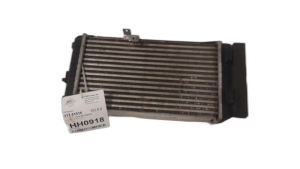
- Inspect the Core and Fins: Look at the cooling fins across the front of the intercooler. It's normal for a used part to have some lightly bent fins from road debris. However, avoid units with large areas of crushed or damaged fins, as this will restrict airflow and reduce cooling efficiency.
- Check for Cracks and Damage: Carefully inspect the plastic or aluminum end tanks (the sides of the intercooler where the pipes connect). Look for any cracks, especially around the seams where the tanks are joined to the metal core. Also, check all mounting tabs and brackets to ensure they are intact and not broken off.
- Look for Signs of Oil: Shine a flashlight into the inlet and outlet ports. A very thin film of oil residue can be normal, as the PCV (Positive Crankcase Ventilation) system can introduce some oil vapor into the intake tract. However, if you see pooled or dripping oil, it's a major red flag. This indicates the vehicle it came from may have had a failing turbocharger, and the intercooler could be clogged with oil internally.
- Ask About Mileage: While an intercooler doesn't have a set lifespan, one from a lower-mileage vehicle is generally a safer bet. A part from a vehicle with under 100,000 miles is preferable.
Pro Tip: When you install the replacement intercooler, it is highly recommended to replace the seals on the connecting hoses to prevent any new boost leaks.
Known Issues, Recalls, and TSBs
As of mid-2024, there are no specific recalls or widespread Technical Service Bulletins (TSBs) from Kia directly addressing the intercooler on the 2016-2020 Optima. Most failures are due to age, road debris damage, or external factors rather than a specific manufacturing defect. While there have been recalls for other engine components on Kia vehicles of this era, the intercooler itself has not been a subject of a recall campaign.
Cost Comparison for Intercooler Replacement
The cost can vary significantly based on which engine you have and the type of part you choose. The 2.0T intercooler is generally more expensive than the 1.6T version.
| Part Type | 1.6L Turbo (28271-2B790) | 2.0L Turbo (28271-2GTA3) | Notes |
|---|---|---|---|
| New OEM | $315 - $470 | $550 - $690 | Highest cost, but guaranteed fit and quality. |
| New Aftermarket | $180 - $260 | $265 - $300 | Can be a good value, but quality may vary by brand. |
| Used OEM | $100 - $175 | $125 - $150 | Excellent value, but requires careful inspection before purchase. |
| Shop Labor | $340 - $500 | Involves removing the front bumper. Expect 2-3 hours of labor. | |
Replacement Difficulty

- Difficulty Rating: 3 out of 5
- Estimated Time: 2-3 hours
- DIY Feasible: Yes, for those with moderate mechanical experience.
Replacing the intercooler on a 2016-2020 Kia Optima is an intermediate-level task. The main challenge is that it requires the removal of the front bumper cover to access the intercooler, which is mounted in front of the radiator. The process generally involves disconnecting the negative battery terminal, removing the plastic clips and screws holding the bumper cover, unplugging fog lights, and then carefully pulling the bumper cover off. Once exposed, the intercooler is held by a few bolts and the inlet/outlet hose clamps. While not overly complex, the process requires patience and care to avoid scratching paint or breaking plastic clips.
Frequently Asked Questions (FAQ)
Can I use a 2.0T intercooler on my 1.6T engine for an upgrade?
No, the mounting points and hose connections are different between the two OEM intercoolers. They are not a direct swap. If you are looking for a performance upgrade, you would need to purchase an aftermarket intercooler specifically designed for your 1.6T or 2.0T engine.
Do I need to do any programming after replacing the intercooler?
No. The intercooler is a mechanical part and requires no electronic programming or calibration after installation. However, if the Check Engine Light was on, the code will need to be cleared with an OBD-II scanner after the repair is complete.
Is it safe to drive with a bad intercooler?
It is not recommended for long distances. While the car may be drivable, you will have significantly reduced power, which can be unsafe for merging or passing. More importantly, a major leak can cause the engine to run improperly, potentially leading to further damage over time due to incorrect air-fuel ratios and higher temperatures.
What is the difference between an intercooler and a radiator?
Both are heat exchangers, but they cool different things. A radiator cools the engine coolant (antifreeze) to keep the engine itself from overheating. An intercooler cools the pressurized air coming from the turbocharger before it enters the engine.
Technical Specifications
OEM Part Numbers: 28271-2B790 282712B790 28271-2GTA3 282712GTA3
Air-to-air intercooler. Core material: Aluminum. End tank material: Plastic or Aluminum.
We Have This Part in Stock


The information in this article is provided for general reference and educational purposes only. Vehicle specifications, procedures, and part compatibility can vary by production date, trim level, and region. Always consult your vehicle's factory service manual and verify part numbers before purchasing or performing repairs. Safety-critical components such as airbags, seat belts, and braking systems should be installed by a qualified professional.
- Kia Optima: