

2004-2007 Jaguar XJR Intercooler: Leaks, Symptoms, and Replacement
A complete guide to the twin charge air coolers on the 4.2L supercharged V8, focusing on common leaks, diagnosis, and replacement.
- This part is ONLY for supercharged Jaguar XJR and Super V8 models, not the standard XJ8.
- The primary failure is internal coolant leakage, which can cause catastrophic engine damage (hydrolock) if ignored.
- Replacement is a highly labor-intensive job (5/5 difficulty) as the supercharger must be removed for access.
- When buying a used unit, it is essential to purchase one that has been pressure-tested to confirm there are no leaks.
Vehicle Fitment: For Supercharged Models Only

It is critical to understand that these intercoolers (or charge air coolers) are only fitted to supercharged versions of the Jaguar XJ, specifically the XJR and Super V8 models from 2004-2007. The standard, naturally-aspirated Jaguar XJ8 does not have a supercharger and therefore does not use these parts. The information in this guide applies to the 4.2L supercharged V8 engine found in the XJR and other "R" models of the era, such as the S-Type R.
Symptoms of a Failing Intercooler

Failure in these specific intercoolers almost always involves an internal coolant leak. Because they are located inside the intake path, a leak sends coolant directly into the engine's cylinders. This can cause a range of symptoms, from subtle to severe.
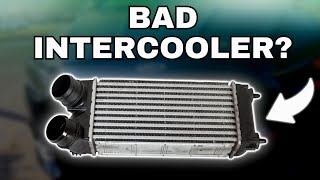
🎬 Watch: Common signs of a failing intercooler explained- Unexplained Coolant Loss: Regularly needing to top off the coolant reservoir with no visible external leaks is a classic sign.
- Sweet Smell from Exhaust: Burning coolant (ethylene glycol) has a distinct, sweet odor that will be noticeable from the exhaust pipe, especially on a cold start.
- White Exhaust Smoke: As the leak worsens, you may see white smoke (steam) from the exhaust as larger amounts of coolant are burned in the combustion process.
- Engine Misfires: Coolant entering a cylinder can prevent proper combustion, leading to misfires. This may feel like a rough idle or hesitation during acceleration and can trigger the Check Engine Light with codes like P0300 (random misfire) or P0301-P0308 for specific cylinders.
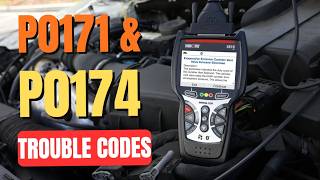
- Engine Lean Codes (P0171, P0174): While less common than coolant symptoms, a crack or bad gasket on the intercooler body can create a vacuum leak, allowing unmetered air to enter the engine. This disrupts the air-fuel ratio and can cause the engine to run lean, triggering these codes. 🎬 Watch: How to diagnose P0171 and P0174 lean codes
Warning: A significant internal coolant leak can lead to hydrolock. This occurs when a non-compressible liquid (coolant) fills a cylinder, preventing the piston from completing its compression stroke. This can cause catastrophic engine damage, including bent connecting rods or a cracked engine block.
Known Issues, TSBs, and Recalls
The primary known issue for the 4.2L supercharged engine's intercoolers is the development of internal coolant leaks. These components are a combination of aluminum and plastic, and over time, the seals between these materials can degrade from constant heat cycles and pressure, leading to failure. There are no specific recalls for the intercoolers on the 2004-2007 Jaguar XJR. Likewise, searches for Technical Service Bulletins (TSBs) related directly to intercooler failure did not yield specific documents, though TSBs for misfires and lean codes exist.
Buying a Used Intercooler: What to Check
Given the high cost of new OEM units, a quality used intercooler is a viable option. However, because the primary failure mode is an internal leak, a simple visual inspection is not enough.
- Demand a Pressure Test: This is the single most important step. A reputable seller should be able to pressure test the intercooler to guarantee it does not leak. The unit should be sealed and pressurized with air (typically to around 15-20 PSI) and submerged in water. Any stream of bubbles indicates a leak. Do not buy a used intercooler that has not been tested.
- Inspect the Core: Look for signs of heavy corrosion or physical damage to the cooling fins. Check for any evidence of past repairs, like epoxy or sealant, which is a major red flag.
- Check Plastic End Tanks: Carefully inspect the plastic end tanks and hose connections for any hairline cracks, brittleness, or discoloration that could indicate heat damage.
- Verify Part Numbers: Ensure the part number matches your vehicle's requirements. The intercoolers are specific to the left and right sides and are not interchangeable.
Replacement Overview & Difficulty

Replacing the intercoolers on a 4.2L supercharged Jaguar engine is a complex and labor-intensive job that is not recommended for beginners.
- Difficulty Rating: 5 out of 5.
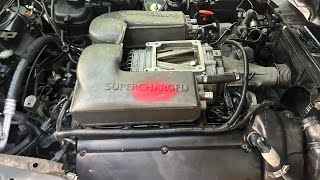
- Key Challenge: The supercharger assembly must be completely removed to access the two intercoolers nestled underneath it in the engine valley. 🎬 See this step-by-step supercharger and intercooler removal video
- Estimated Time: A professional technician will typically require 6-8 hours for this job.
Pro Tip: Because of the high labor involved, it is strongly recommended to replace several other components at the same time. These "while you're in there" parts include the supercharger outlet gaskets, intake manifold gaskets, and any coolant hoses located in the engine valley, as they are difficult to access otherwise and are prone to failure with age.
Cost Comparison
| Part Type | Estimated Cost |
|---|---|
| New OEM | $580 - $815 per side |
| New Aftermarket | Not commonly available |
| Used OEM | $150 - $400 per side |
| Shop Labor | $900 - $1,400 |
OEM Part Numbers & Technical Specifications
The 2004-2007 Jaguar XJR uses two separate intercoolers, one for each cylinder bank. Part numbers can supersede over time.
- C2C31200: Intercooler for vehicles from VIN G47194 onwards.
- XR839090: Intercooler for vehicles up to VIN G47193. This part supersedes C2C6640.
These parts are also referred to as "Supercharger Radiators" in some official Jaguar catalogs.
Frequently Asked Questions (FAQ)
Is this intercooler for the XJ8 or the XJR?
This intercooler is exclusively for the supercharged XJR and Super V8 models. The standard XJ8 is not supercharged and does not have intercoolers.
Can I drive with a leaking intercooler?
No, it is not recommended. Driving with an internally leaking intercooler introduces coolant into the engine, which can lead to misfires, catalytic converter damage, and potentially catastrophic engine failure from hydrolock.
What is the difference between an intercooler and a charge air cooler?
The terms are often used interchangeably. Technically, an "intercooler" is placed between stages of multi-stage compression (e.g., between two turbos), while a "charge air cooler" cools the charge after the final compression stage before it enters the engine. For the Jaguar XJR, the correct technical term is charge air cooler, but it is commonly called an intercooler.
Why is it so important to replace gaskets during the job?
The job requires removing the entire supercharger assembly. The gaskets that seal the supercharger to the intercoolers and the intercoolers to the cylinder heads are single-use and will be destroyed during removal. Reusing them would guarantee massive vacuum and coolant leaks. Given the high labor cost, it is wise to also replace other nearby wear items like coolant hoses at the same time.
Helpful Videos
Technical Specifications
OEM Part Numbers: C2C31200 C2C6640 XR839090
Water-to-air charge air cooler, located under the supercharger. Two units are required (left and right specific).

The information in this article is provided for general reference and educational purposes only. Vehicle specifications, procedures, and part compatibility can vary by production date, trim level, and region. Always consult your vehicle's factory service manual and verify part numbers before purchasing or performing repairs. Safety-critical components such as airbags, seat belts, and braking systems should be installed by a qualified professional.
- Jaguar XJ8:
- 🎬 Helpful Videos
- Vehicle Fitment: For Supercharged Models Only
- Symptoms of a Failing Intercooler
- Known Issues, TSBs, and Recalls
- Buying a Used Intercooler: What to Check
- Replacement Overview & Difficulty
- Cost Comparison
- OEM Part Numbers & Technical Specifications
- Frequently Asked Questions (FAQ)
- 🎟️ Get 5% Off