

2018-2025 Hyundai Kona 1.6T Intercooler: Diagnosing Leaks, Power Loss & Buying Used
This guide covers common failure symptoms, inspection tips for used parts, and how to distinguish an intercooler problem from other known Kona issues.
- This intercooler is ONLY for the 1.6L turbocharged engine, not the 2.0L base engine or the 2.0L Kona N engine.
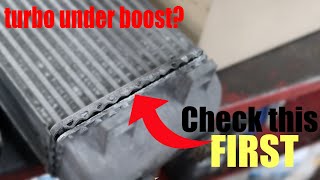
- Symptoms of failure include power loss, hissing sounds, and potentially a P0299 underboost code.
- When buying used, carefully inspect the plastic end tanks for cracks and perform a low-pressure water test to confirm there are no leaks.
- Power loss on a 1.6T Kona can also be caused by known DCT or engine issues, so diagnose carefully before replacing parts.
Symptoms of a Failing Kona Intercooler

A problem with the intercooler is often called a "boost leak." Since the intercooler is part of the pressurized air path between the turbo and the engine, any crack or leak lets that pressurized air escape. Here are the most common symptoms:
- Loss of Power: The car will feel sluggish and slow to accelerate, especially when you expect the turbo to kick in. This is the most common symptom of a significant leak.
- Hissing or Whistling Noises: You may hear an audible hissing or whistling sound from the front of the engine bay when accelerating. This is the sound of compressed air escaping from a crack or a loose hose connection.
- Poor Fuel Economy: Your engine's computer (ECU) expects a certain amount of air. When some of it leaks out, the air-fuel mixture becomes incorrect, forcing the engine to use more fuel to achieve the desired performance.
- Check Engine Light (CEL): A significant boost leak can trigger a Check Engine Light. Common codes include P0299 (Turbo/Supercharger Underboost), which indicates the system is not reaching its target boost pressure. You might also see codes related to the mass airflow sensor if the leak causes inconsistent readings.
- Visible Smoke from Exhaust: In rare cases, if the turbocharger itself is failing and leaking oil into the intake system, a damaged intercooler can become contaminated with oil. This could lead to blue-tinted smoke from the exhaust.
Warning: The 2018-2025 Hyundai Kona with the 1.6L turbo engine is also known for some issues with its Dual-Clutch Transmission (DCT) and, in some cases, the engine itself, which can cause symptoms like hesitation, jerking, or a feeling of power loss. Before assuming the intercooler is bad, it's important to rule out these other possibilities, especially if you are not hearing a clear hissing sound associated with a boost leak.
Known Issues, Recalls, and Service Bulletins
As of early 2026, there are no specific recalls or Technical Service Bulletins (TSBs) issued by Hyundai or the NHTSA that directly address failures of the intercooler on the 2018-2025 Hyundai Kona. While there are recalls for other components on the Kona, including some related to the engine and electrical systems, the intercooler itself has not been singled out as a widespread, recall-worthy defect. Most failures are isolated incidents due to age, road debris, or damage.
Buying a Used 2018-2025 Hyundai Kona Intercooler

For a part like an intercooler, a used OEM unit is often a smart and economical choice. It provides the exact fit and performance of a new factory part at a much lower cost. Unlike some complex electronics, an intercooler is a relatively simple component that can be thoroughly inspected before purchase.
Why a Used OEM Intercooler is a Good Choice
A genuine Hyundai intercooler is designed specifically for the Kona's 1.6L engine, ensuring proper flow characteristics and cooling efficiency. Some cheap aftermarket replacements may not have the same build quality, potentially leading to leaks or reduced performance. A quality-inspected used OEM part offers factory-grade reliability for a fraction of the price of a new one.
Step-by-Step Inspection Guide
Before buying a used intercooler, perform this physical inspection:
- Check the End Tanks: The most common failure point is where the plastic end tanks are crimped to the aluminum core. Look carefully for any hairline cracks in the plastic, especially around the inlet and outlet ports.
- Inspect the Core: Look down the rows of cooling fins. Some bent fins from normal use are perfectly fine and will not affect performance. However, look for large areas of crushed fins or any signs of punctures from road debris.
- Look Inside: Peer into the inlet and outlet ports with a flashlight. A very thin film of oil residue is normal for any turbocharged vehicle. However, if you see pools of oil or thick, sludgy buildup, it could be a sign that the donor vehicle had a failing turbocharger. Avoid intercoolers that are full of oil.
- Verify Mounting Points: Ensure all mounting tabs and brackets are intact and not cracked or broken. This will ensure the intercooler can be securely installed without vibration.
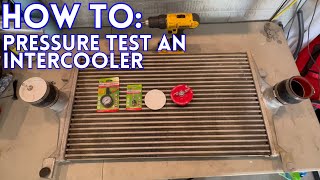
Pro Tip: The Ultimate Test: Low-Pressure Leak Check. The best way to guarantee a used intercooler is good is to pressure test it. You can make a simple tester with some rubber plumbing caps, hose clamps, and a valve stem. Cap off one end, and on the other cap, install the valve stem. Submerge the intercooler in a tub of water and apply 5-10 PSI of air pressure. If you see a stream of bubbles, there's a leak. No bubbles means it's sealed and ready for service.
🎬 See a demonstration on how to pressure test an intercoolerCompatibility Check: 1.6L Turbo Only
This intercooler is specifically for Kona models equipped with the 1.6L turbocharged engine. It will NOT fit the 2.0L non-turbo engine or the high-performance 2.0L turbo engine found in the Kona N. Always verify your vehicle's engine before ordering. The OEM part numbers to look for are 282702B830 and 282702M670.
Cost Comparison: New vs. Used
Prices can vary based on supplier and location, but here is a general cost expectation:
| Part Type | Estimated Cost |
|---|---|
| New OEM (Dealer) | $320 - $465 |
| New Aftermarket | $250 - $400 |
| Used OEM | $75 - $200 |
| Shop Labor Cost | $200 - $450 |
Intercooler Replacement Overview

Replacing the intercooler on a Hyundai Kona is a moderately difficult job that is achievable for a DIY mechanic with the right tools and patience.
- Difficulty: 3 out of 5
- Estimated Time: 2-3 hours
- Tools Needed: Socket set, screwdrivers, pliers, trim removal tools.
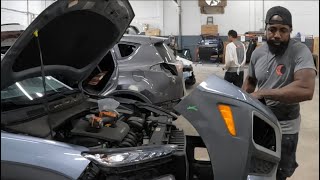
The basic process involves removing the front bumper cover to access the intercooler, which is mounted at the very front of the vehicle ahead of the radiator. Once the bumper is off, you will disconnect the two large boost hoses and unbolt the intercooler from its mounts. Installation is the reverse of removal. Be sure to securely tighten all hose clamps to prevent new boost leaks.
Frequently Asked Questions (FAQ)
Can I drive with a bad or leaking intercooler?
You can, but it's not recommended for long. The car will have reduced power and poor fuel economy. If the leak is large, the car may go into a reduced-power "limp mode." Driving for extended periods with a significant leak can cause the turbocharger to work harder than it should, potentially leading to premature wear.
What causes an intercooler to fail?
The most common causes are physical damage from road debris hitting the front of the car, or age-related fatigue. The plastic end tanks can become brittle over time from constant heat cycles and vibrations, eventually leading to cracks. Loose hose clamps are also a very common source of leaks.
Will a bigger aftermarket intercooler give my Kona more power?
On a stock vehicle, an aftermarket intercooler by itself will not add significant power. Its main benefit is preventing power loss from heat. If your engine is stock, a good used OEM intercooler is sufficient. However, if you have modified your car with a tune or a larger turbo, an upgraded aftermarket intercooler is essential to handle the increased heat and boost pressure.
How do I know if my Kona has the 1.6L turbo engine?
The easiest way is to check the badging on your vehicle. Trims like the N-Line or Limited often came with the 1.6L turbo. You can also look at the engine cover under the hood; it will typically say "Turbo" or "T-GDI." Finally, your vehicle's VIN can be decoded by a dealer or an online service to confirm the original engine.
Helpful Videos
Technical Specifications
OEM Part Numbers: 282702B830 282702M670
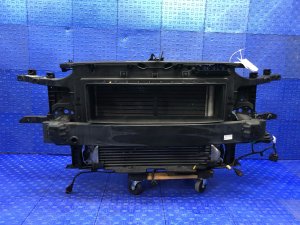
Air-to-air intercooler with aluminum core and plastic end tanks. Designed for the Hyundai 1.6L Gamma T-GDI engine.
We Have This Part in Stock



The information in this article is provided for general reference and educational purposes only. Vehicle specifications, procedures, and part compatibility can vary by production date, trim level, and region. Always consult your vehicle's factory service manual and verify part numbers before purchasing or performing repairs. Safety-critical components such as airbags, seat belts, and braking systems should be installed by a qualified professional.
- Hyundai Kona:
- 🎬 Helpful Videos
- 🛍️ Shop This Part
- Symptoms of a Failing Kona Intercooler
- Known Issues, Recalls, and Service Bulletins
- Buying a Used 2018-2025 Hyundai Kona Intercooler
- Why a Used OEM Intercooler is a Good Choice
- Step-by-Step Inspection Guide
- Compatibility Check: 1.6L Turbo Only
- Cost Comparison: New vs. Used
- Intercooler Replacement Overview
- Frequently Asked Questions (FAQ)
- 🎟️ Get 5% Off