

2018-2025 Lexus LS500 Intercooler Hose: Drivetrain Fitment and Failure Guide
This guide covers the critical differences between AWD and RWD intercooler hoses on the 2018-2025 Lexus LS500, common failure symptoms, and what to check when buying a used part.
- Fitment is drivetrain-specific: All-Wheel Drive (AWD) and Rear-Wheel Drive (RWD) models use different, non-interchangeable hoses.
- Primary failure symptoms include power loss, hissing sounds under acceleration, and a potential P0299 check engine light code.
- When buying used, inspect the hose for cracks by flexing it, and check for soft, swollen spots caused by oil degradation.
- No major recalls or TSBs are active for this specific part, with failures typically resulting from age or damage.
Critical Drivetrain Compatibility Warning
Warning: The most important factor when replacing an intercooler hose on a 2018-2025 Lexus LS500 is the vehicle's drivetrain. All-Wheel Drive (AWD) and Rear-Wheel Drive (RWD) models use different intercooler hoses. These parts are not interchangeable. Always verify your vehicle's drivetrain before ordering to ensure you receive the correct hose for your specific car.
Symptoms of a Failing Intercooler Hose
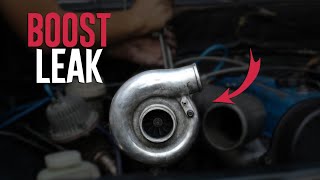
A leak in an intercooler hose, often called a 'boost leak,' 🎬 Watch: How to identify and find a boost leak can cause several noticeable problems. Because the LS500 is a twin-turbo design, these symptoms can arise from a failure on either the left or right side of the engine.
- Loss of Power and Sluggish Acceleration: This is the most common symptom. The engine will feel weak, especially when you expect the turbos to provide power, like when merging or accelerating hard.
- Hissing or Whistling Sounds: You may hear an audible hiss or whoosh from the engine bay under acceleration as pressurized air escapes from a crack or split in the hose.
- Check Engine Light: A significant boost leak can trigger a Check Engine Light. A common trouble code is P0299 (Turbo/Supercharger Underboost), which indicates the system is not holding the expected pressure.
- Poor Fuel Economy: The engine's computer tries to compensate for the unmetered air, often by adding more fuel, which leads to reduced MPG.
- Rough Idle or Stalling: In some cases, a large leak can disrupt the air-fuel mixture enough to cause a rough or unstable idle.
- Black Smoke from Exhaust: An incorrect air-to-fuel ratio caused by a leak can lead to a rich condition (too much fuel), resulting in black smoke from the exhaust, particularly under load.
Known Issues, TSBs, and Recalls
As of mid-2026, there are no specific recalls or widespread, commonly reported Technical Service Bulletins (TSBs) from Lexus that directly address premature failure of the intercooler hoses on the 2018-2025 LS500. While the V35A-FTS engine has been noted for potential turbo oil line leaks, the intercooler hoses themselves are generally considered reliable. Most failures are due to normal wear and tear, heat degradation over many years, or physical damage. One TSB, #L-SB-0002-20, discusses how to differentiate between fluid leaks and minor seeps on powertrain components, which could be relevant when inspecting for oil contamination around hose connections.
Buying a Used LS500 Intercooler Hose
A used OEM intercooler hose is often a smart choice, as it provides the exact fit and material quality of a new part at a lower cost. However, careful inspection is key.
Physical Inspection Checklist:
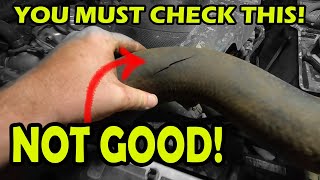
- Check for Cracks: Squeeze and flex the hose, paying close attention to bends and connection points. Look for any visible cracks, even small ones. A small crack 🎬 See how a split hose causes major turbo issues will quickly become a large boost leak under pressure.
- Inspect for Oil Contamination: Look inside and outside the hose for excessive oil residue. A light film is normal due to the PCV (Positive Crankcase Ventilation) system, but heavy, wet oil can indicate a larger engine issue (like a failing turbo seal) and can degrade the rubber over time, making it soft and prone to swelling or splitting.
- Feel for Soft or Swollen Spots: The hose should feel firm and sturdy. Any areas that feel mushy, soft, or swollen are signs that the rubber's internal structure has failed.
- Verify the Part Number: This is the most critical step. Cross-reference the part number on the hose with OEM catalogs for your specific year and, most importantly, your drivetrain (AWD or RWD). Do not rely on visual comparison alone.
Pro Tip: When inspecting a used hose, pay extra attention to the areas that would be hidden by clamps when installed. Cracks often start in these high-stress areas and can be missed at a glance.
Cost Comparison
| Part Type | Estimated Cost |
|---|---|
| New OEM | $50 - $80 per hose |
| New Aftermarket | $20 - $400 (Varies widely from single hoses to full silicone kits) |
| Used OEM | $30 - $100 per hose/assembly |
| Shop Labor | $150 - $300 |
Replacement Overview
Replacing an intercooler hose on the LS500 is generally straightforward for someone with mechanical experience. Access to the hoses may require removing the engine cover and potentially other components like the air cleaner case to reach all the clamps. No special programming is required after replacement.
- Difficulty: 2/5
- Estimated Time: 1-2 hours
- Tools Needed: Basic hand tools, including a socket set and a screwdriver or nut driver for the hose clamps.
Frequently Asked Questions (FAQ)
Can I drive with a leaking intercooler hose?
It is not recommended. While the car may be drivable, you will have significantly reduced power, poor fuel economy, and the incorrect air-fuel mixture can potentially lead to other issues over time. It is best to get it fixed as soon as possible.
What's the difference between the AWD and RWD hoses?
The routing of the intercooler piping differs slightly between the two drivetrain configurations to accommodate the front differential and axles on the AWD model. This means the hoses have different shapes and lengths and are not interchangeable.
Why is my used hose oily inside? Is it bad?
A very light coating of oil is normal from the engine's crankcase ventilation system. However, if the hose is soaked in oil or has puddles inside, it could indicate a failing turbocharger oil seal. This excessive oil can damage the rubber hose, so it's best to inspect the turbo and replace the hose.
Should I upgrade to aftermarket silicone hoses?
For a stock vehicle, the OEM rubber hoses are perfectly adequate and designed for long life. Aftermarket silicone hoses can offer slightly better durability and heat resistance, which can be beneficial for modified or high-performance applications, but they are not necessary for a daily-driven LS500.
Helpful Videos
Technical Specifications
OEM Part Numbers: 17880-70040
The LS500 uses a twin-intercooler setup, meaning there are multiple hoses (left/right, inlet/outlet). Part numbers vary based on position and drivetrain (AWD vs. RWD).
We Have This Part in Stock


The information in this article is provided for general reference and educational purposes only. Vehicle specifications, procedures, and part compatibility can vary by production date, trim level, and region. Always consult your vehicle's factory service manual and verify part numbers before purchasing or performing repairs. Safety-critical components such as airbags, seat belts, and braking systems should be installed by a qualified professional.
- Lexus LS500: