

2021-2023 Discovery 2.0L Intercooler Hose: Diagnosing Boost Leaks and Failures
This guide covers common failure symptoms, inspection tips for used parts, and replacement costs for the 2.0L engine's intercooler hose.
- This hose (JPLA-9H715-AA) is ONLY for the 2.0L 4-cylinder engine, not the 3.0L 6-cylinder.
- The most common symptoms of failure are a major loss of power, a hissing sound under acceleration, and a P0299 Check Engine Light code.
- When buying a used hose, carefully inspect it for cracks, soft spots, and internal oil saturation, which degrades the rubber.
- A high-quality used OEM hose is often more reliable than a new, cheap aftermarket alternative due to superior materials and fitment.
Vehicle Fitment and Part Number Warning
Warning: This intercooler hose, part number JPLA-9H715-AA, is specifically for 2021-2023 Land Rover Discovery models equipped with the 2.0L turbocharged 4-cylinder Ingenium engine. It will NOT fit models with the 3.0L 6-cylinder engine, which use a different intake and hose configuration.
Symptoms of a Failing Intercooler Hose
A failed intercooler hose creates a "boost leak," where the pressurized air from the turbo escapes before it reaches the engine. This can cause a range of noticeable problems.
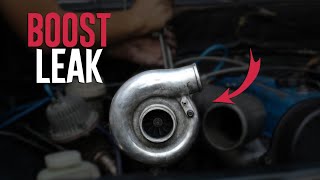
🎬 Watch: How to identify and find a boost leak- Significant Loss of Power: The vehicle will feel sluggish and slow to accelerate, especially when you expect the turbo to kick in.
- Hissing or Whistling Noise: A distinct hissing sound from the engine bay that gets louder with acceleration is a classic sign of air escaping from a split in the hose.
- Check Engine Light: A significant boost leak will often trigger a Check Engine Light. The most common trouble code is P0299 - Turbocharger/Supercharger Underboost Condition. This code means the engine's computer detects that the actual boost pressure is lower than what it expects.
- Black Smoke from Exhaust: When pressurized air is lost, the engine's air-fuel mixture can become too rich (too much fuel, not enough air). This unburned fuel exits the tailpipe as black smoke, particularly during acceleration.
- Poor Fuel Economy: Your engine will burn more fuel to compensate for the loss of power, leading to a noticeable drop in MPG.
- Rough Idle: In some cases, a severe leak can disrupt the air-fuel mixture enough to cause a rough or unstable idle.
Known Issues, TSBs, and Recalls
As of mid-2026, there are no specific recalls or Technical Service Bulletins (TSBs) from Land Rover that directly address the failure of the intercooler hose JPLA-9H715-AA on the 2021-2023 Discovery 2.0L.
However, Land Rover has issued TSBs for similar issues on other models. For example, TSB LTB01254NAS1 was issued for older Discovery and Range Rover Sport models with the TDV6 engine, where a collapsing intercooler hose could cause a P0299 code. Another TSB for various models with the 2.0L diesel engine noted oil leaks from the charge air cooler pipe connection. While not directly applicable, these documents show a history of boost-related hose issues in Land Rover vehicles.
General recalls for the 2021-2023 Discovery include issues with seat belt pretensioners, engine cam carrier oil leaks, and DC-DC converter failures, but none are related to the intercooler hoses.
Buying a Used Intercooler Hose: What to Check
A used OEM intercooler hose can be a reliable and cost-effective replacement. However, a thorough inspection is crucial before buying.
Physical Inspection
- Check for Cracks and Splits: Squeeze the hose firmly along its entire length, paying special attention to bends and areas near the clamp connections. The rubber should be firm but flexible. Any visible cracks, even small ones, are a red flag. Leaks often open up under pressure, so a tiny crack can become a big problem.
- Look for Oil Contamination: It's normal for a small amount of oil vapor from the engine's crankcase ventilation (PCV) system to be inside the hose. However, excessive wet oil inside or oil seeping through the hose material itself is a major warning sign. Engine oil degrades rubber over time, causing it to soften, swell, and fail prematurely.
- Test for Brittleness or Soft Spots: The hose should not feel hard, brittle, or crunchy. Likewise, it shouldn't have any unusually soft or spongy spots. Both are signs of material degradation from heat and oil exposure.
- Inspect the Connections: Ensure the ends of the hose that connect to the intercooler and the engine intake are not deformed or damaged.
Pro Tip: A high-quality used OEM hose is often a better choice than a cheap, new aftermarket part. OEM hoses are made from specific materials (like Fluorosilicone-lined rubber) designed to resist oil and high temperatures, ensuring a perfect fit and long life. Many aftermarket hoses use inferior materials that can fail quickly.
Cost Comparison
Prices can vary based on supplier and location. The following is an estimate of what you can expect to pay.
| Part or Service | Estimated Cost |
|---|---|
| New OEM (Dealer) | $200 - $300 |
| New Aftermarket | $70 - $150 (Quality varies significantly) |
| Used OEM | $100 - $175 |
| Shop Labor | $150 - $300 |
Replacement Information
Replacing the intercooler hose on a 2021-2023 Discovery 2.0L is a moderately difficult job that a skilled DIY mechanic can perform.
- Difficulty Rating: 3 out of 5
- Estimated Time: 1.5 - 2.5 hours
- DIY Feasible: Yes, for those comfortable working in tight spaces.
Access to the lower hose clamp connecting to the intercooler can be difficult. On similar Land Rover models, technicians often remove the front bumper cover for easier access. While this sounds intimidating, it can sometimes be faster than struggling to reach the clamp from above or below. Basic tools like a socket set and hose clamp pliers are required.
Frequently Asked Questions (FAQ)
Can I drive my Discovery with a leaking intercooler hose?
Yes, but it is not recommended for long distances. The vehicle will have significantly reduced power, poor fuel economy, and may go into a low-power "limp mode." Driving with a boost leak makes the turbocharger work harder to compensate, which can lead to premature wear or failure.
What causes the intercooler hose to fail?
Failure is typically caused by a combination of heat, constant pressure changes from the turbo, and exposure to oil vapor from the engine's crankcase ventilation system. Over time, these factors cause the rubber to degrade, become brittle, and crack.
Will a bad intercooler hose always cause a Check Engine Light?
Not always. A very small leak might not be significant enough for the engine's computer to detect immediately. However, as the leak worsens, it will almost certainly trigger a Check Engine Light with code P0299 (Turbo Underboost).
Is this the same part for the 3.0L 6-cylinder engine?
No. This part, JPLA-9H715-AA, is only for the 2.0L 4-cylinder engine. The 3.0L engine has a completely different intercooler and piping setup. Always verify the part number and engine type before purchasing.
Helpful Videos
Technical Specifications
OEM Part Numbers: JPLA-9H715-AA
Designed for the 2.0L Ingenium turbocharged 4-cylinder petrol engine. Material is typically a multi-ply reinforced rubber or silicone, often with an oil-resistant inner liner.
We Have This Part in Stock


The information in this article is provided for general reference and educational purposes only. Vehicle specifications, procedures, and part compatibility can vary by production date, trim level, and region. Always consult your vehicle's factory service manual and verify part numbers before purchasing or performing repairs. Safety-critical components such as airbags, seat belts, and braking systems should be installed by a qualified professional.
- Land Rover Discovery: