

2024 Hyundai Kona 1.6T Intercooler Hose: Diagnosing Leaks and Part Number Guide
This guide covers the symptoms of a failing intercooler hose on the 2024 Hyundai Kona, how to inspect a used part, and how to identify the correct inlet or outlet hose.
- The 2024 Kona uses two different intercooler hoses (inlet: 28210-2M670, outlet: 28260-2M670); you must verify the correct part number before buying.
- Common failure symptoms are significant power loss, a hissing sound under acceleration, and a Check Engine Light with code P0299 (Turbo Underboost).
- New OEM hoses are very expensive (over $400), making a properly inspected used OEM hose a high-value alternative.
- As of mid-2026, there are no recalls or widespread known defects for the intercooler hoses on this model.
Symptoms of a Failing Intercooler Hose
A leak in an intercooler hose on your 2024 Kona will cause noticeable symptoms, as the engine is no longer receiving the correct amount of air pressure from the turbocharger. Look for the following signs:
- Loss of Power and Sluggish Acceleration: This is the most common symptom. The vehicle will feel weak, especially when you try to accelerate hard to merge or pass. You may also notice a delay in power delivery, often called 'turbo lag'.
- Hissing or Whistling Sounds: When the turbo is creating boost (typically under acceleration), a leaking hose will often produce an audible hissing or whooshing sound as the pressurized air escapes.
- Check Engine Light with Code P0299: A significant boost leak will often trigger the Check Engine Light. The most common diagnostic trouble code (DTC) associated with this is P0299 - Turbocharger/Supercharger Underboost Condition. This code means the engine's computer has detected that the boost pressure is lower than expected.
- Reduced Fuel Economy: When the air-fuel mixture is incorrect due to a leak, the engine's computer may try to compensate by using more fuel, leading to a noticeable drop in MPG.
- Visible Damage: You may be able to see cracks, splits, or bulges on the hose itself. Oil residue around the hose connections is also a sign of a leak, as small amounts of oil vapor from the PCV (Positive Crankcase Ventilation) system are normal in the intake tract and can seep out through a crack.
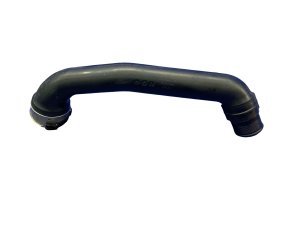
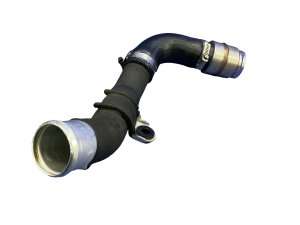
Important: The 2024 Hyundai Kona uses two separate intercooler hoses. One is the inlet hose (from the turbo to the intercooler) and the other is the outlet hose (from the intercooler to the engine). They are different shapes and have unique part numbers. You must identify which hose has failed before ordering a replacement.
Known Issues, Recalls, and Technical Service Bulletins (TSBs)
As of mid-2026, there are no specific recalls or Technical Service Bulletins (TSBs) issued by Hyundai or the National Highway Traffic Safety Administration (NHTSA) for failing intercooler hoses on the 2024 Hyundai Kona.
While there are a few active recalls for the 2024 Kona, they are for unrelated issues such as the Exhaust Gas Recirculation (EGR) valve, rear seat belt assemblies, and potential 12-volt battery cable chafing. The lack of specific bulletins for the intercooler hoses suggests that this is not a widespread, recognized defect at this time.
Buying a Used 2024 Kona Intercooler Hose: What to Check
Given the high cost of new OEM intercooler hoses, a quality used OEM part is an excellent value. An original Hyundai part is molded to the exact shape needed and is made from materials designed to handle the specific heat and oil-vapor environment of the 1.6T engine. Cheap aftermarket alternatives, when they become available, may not have the same durability. Here’s what to inspect before buying a used hose:
- Verify the Part Number: This is the most critical step. Match the part number from your old hose to the used one you are buying. See the table below for the correct numbers.
- Check for Cracks: Carefully inspect the entire hose, especially in the accordion-like flex sections and near the ends where clamps are applied. Bend and twist the hose gently to reveal any hidden hairline cracks that could open up under pressure.
- Squeeze the Hose: The rubber should feel firm but flexible. If it feels excessively hard, brittle, or crunchy, it has been damaged by heat and will likely fail soon. If it feels soft, mushy, or swollen, the internal structure has degraded.
- Look for Swelling or Ballooning: Any section of the hose that looks swollen or ballooned is a major red flag. This indicates the internal reinforcement layers have failed, and the hose will burst under boost pressure.
- Inspect the Inside: A very light film of oil inside the hose is normal. However, if there are pools of liquid oil, it could be a sign of a larger engine problem, such as failing turbocharger seals.
- Check the Connection Points: Ensure the ends of the hose are not torn, frayed, or deformed. The surfaces where the clamps seal must be smooth and intact to prevent leaks.
Replacement Overview and Difficulty
- Difficulty Rating: 2 out of 5
- Estimated Time: 0.5 - 1.5 hours
- DIY Feasible: Yes
Replacing an intercooler hose is generally a straightforward job suitable for a DIY mechanic. Access is the main challenge. The upper hose is typically easier to reach than the lower one. The basic steps involve removing any plastic engine covers, locating the failed hose, using pliers or a screwdriver to loosen the hose clamps at each end, and carefully pulling the old hose off the fittings. Installation is the reverse of removal. Ensure the new hose is fully seated on the intercooler and intake pipe before tightening the clamps.
Pro Tip: It is good practice to replace the hose clamps when you replace the hose, especially if they are the spring-type clamps. Over time, they can lose their tension and may not provide a perfect seal.
Cost Comparison for 2024 Kona Intercooler Hose
| Part Type | Estimated Cost | Notes |
|---|---|---|
| New OEM | $425 - $625 | Very expensive for a single hose. Prices from Hyundai dealerships are high, making used a smart alternative. |
| New Aftermarket | $50 - $250 (Estimate) | As of mid-2026, specific aftermarket options for the 2024 Kona are not widely available. This is a general estimate based on similar parts. |
| Used OEM | $75 - $200 (Estimate) | Offers the best value, providing an original quality part for a fraction of the new price. |
| Shop Labor | $150 - $300 | Typically 1-2 hours of labor at a standard shop rate. |
Technical Specifications and Part Numbers
The 2024 Kona 1.6L Turbo uses two distinct intercooler hoses. You must verify which one you need before purchasing.
| Hose Name | OEM Part Number | Description |
|---|---|---|
| Inlet Hose | 28210-2M670 | Connects the turbocharger outlet to the intercooler inlet. Also called 'Hose Assembly I C Inlet'. |
| Outlet Hose | 28260-2M670 | Connects the intercooler outlet to the engine's throttle body/intake manifold. Also called 'Hose I C Outlet'. |
Frequently Asked Questions (FAQ)
Can I drive my 2024 Kona with a leaking intercooler hose?
You can, but it is not recommended for an extended period. A small leak will cause poor performance and bad fuel economy. A large leak can put the vehicle into a reduced power 'limp mode' and make it very difficult to drive. Driving with a major leak can also force the turbocharger to work harder, potentially causing extra wear.
What is the difference between the inlet and outlet intercooler hose?
The inlet hose (28210-2M670) carries hot compressed air from the turbo to the intercooler. The outlet hose (28260-2M670) carries the now-cooled air from the intercooler to the engine. They are located in different positions and are shaped differently to fit in the engine bay.
Why is a used OEM hose a good option for my Kona?
The primary reason is cost. A new OEM hose from Hyundai can cost over $400. A quality, inspected used OEM hose provides the exact same fitment and material quality as a new one for a significantly lower price, making it a much better value.
My old hose had oil inside it. Is that normal?
A light coating or misting of oil inside the intercooler hoses is normal. This comes from the engine's Positive Crankcase Ventilation (PCV) system, which routes oil vapors back into the intake to be burned. However, if you find a significant amount of liquid oil pooling in the hose, it may indicate a more serious problem like worn turbocharger seals, which should be inspected by a professional.
Technical Specifications
OEM Part Numbers: 28210-2M670 28260-2M670
Material: Reinforced rubber or silicone composite. Designed for turbocharged applications.
We Have This Part in Stock

The information in this article is provided for general reference and educational purposes only. Vehicle specifications, procedures, and part compatibility can vary by production date, trim level, and region. Always consult your vehicle's factory service manual and verify part numbers before purchasing or performing repairs. Safety-critical components such as airbags, seat belts, and braking systems should be installed by a qualified professional.
- Hyundai Kona:
- 🛍️ Shop This Part
- Symptoms of a Failing Intercooler Hose
- Known Issues, Recalls, and Technical Service Bulletins (TSBs)
- Buying a Used 2024 Kona Intercooler Hose: What to Check
- Replacement Overview and Difficulty
- Cost Comparison for 2024 Kona Intercooler Hose
- Technical Specifications and Part Numbers
- Frequently Asked Questions (FAQ)
- 🎟️ Get 5% Off