

2015-2023 Ford Mustang EcoBoost Intercooler: Boost Leaks, Heat Soak, and Diagnosis
This guide covers common failure symptoms, known issues like heat soak, and how to inspect a used intercooler for your 2015-2023 Mustang EcoBoost.
- The most common failure is a boost leak from a crack, causing power loss and a P0299 code.
- The stock intercooler is inefficient and prone to 'heat soak,' where it stops cooling effectively, causing the ECU to cut power.
- When buying a used unit, inspect for cracks in the plastic end tanks and pressure test it before installation.
- Replacement requires removing the front bumper cover and is a moderately difficult DIY job (2-3 hours).
Symptoms of a Failing Intercooler

A failing intercooler can cause a range of noticeable issues, primarily related to engine performance. Because the intercooler's job is to provide cool, dense air, any failure will disrupt the air-fuel mixture and boost pressure.
- Loss of Power and Sluggish Acceleration: This is the most common symptom. If the intercooler has a leak, the pressurized air from the turbo escapes before reaching the engine. This loss of pressure, known as a boost leak, means the engine isn't getting the volume of air it expects, resulting in poor performance and slow acceleration.
- Hissing or Whistling Sounds: A crack or a loose connection in the intercooler or its piping will often create an audible hissing or whistling sound from the engine bay, especially under acceleration when the turbo is creating boost.
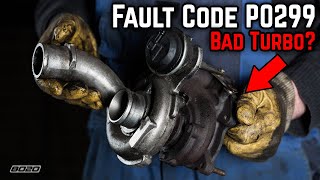
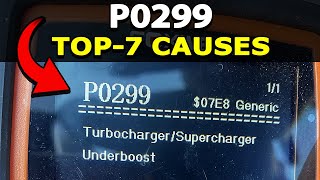
- Check Engine Light: A significant boost leak will be detected by the vehicle's sensors, typically triggering a Check Engine Light. The most common trouble code associated with this is P0299 (Turbocharger/Supercharger Underboost Condition), which indicates the engine control module (ECM) has detected that the actual boost pressure is lower than what is commanded. 🎬 Watch: Troubleshooting the P0299 underboost code and its common causes.
- Reduced Fuel Economy: When the engine isn't running efficiently due to hot air or incorrect air volume, the ECM may try to compensate by injecting more fuel, leading to a noticeable drop in MPG.
- Visible Damage: Physical damage from road debris can cause cracks or holes in the intercooler core or the plastic end tanks. Oil residue around the intercooler or its connections can also be a sign of a leak.
- Black or Colored Exhaust Smoke: In severe cases where a leak causes a very rich air-fuel mixture, you might see black smoke from the exhaust due to unburnt fuel. If the intercooler fails internally in a way that allows oil or coolant to enter the intake tract, you might see blue or white smoke.
Known Issues for 2015-2023 Ford Mustang Intercoolers

Beyond outright failure, the factory intercooler on the EcoBoost Mustang has some well-documented weaknesses.
Inefficient Stock Design and Heat Soak
The most widely reported issue with the factory intercooler is its limited efficiency. During spirited driving, track use, or even just in hot weather, the small stock unit can become overwhelmed. It gets so hot that it can no longer effectively cool the charge air, a condition known as "heat soak." When the intake air temperatures get too high, the engine's computer will reduce ignition timing and boost to protect the engine from damage, resulting in a significant loss of power. This is why many owners who seek higher performance choose to install a larger, more efficient aftermarket intercooler.
Intercooler Condensation
While more widely documented on Ford's F-150 EcoBoost trucks, the fundamental design can lead to condensation buildup inside any EcoBoost intercooler, especially during long drives in humid weather. Under certain conditions, moisture from the air can condense and pool at the bottom of the intercooler. When the driver then accelerates hard, this collected water can be suddenly ingested by the engine. This can cause a momentary, violent shudder, misfire, or stumble as the water interferes with normal combustion. In extreme cases, ingesting a large amount of water could potentially cause engine damage. Some owners of other EcoBoost vehicles have resorted to drilling a tiny 1/16" weep hole in the bottom of the intercooler to allow this moisture to drain.
Pro Tip: If you experience a sudden engine stumble during hard acceleration on a humid day, intercooler condensation is a likely culprit.
Buying a Used 2015-2023 Mustang Intercooler

A used OEM intercooler can be a cost-effective replacement for a damaged unit. Since an intercooler has no moving parts, a unit in good condition is a safe purchase if you know what to look for.
- Inspect the Core: Look at the cooling fins. A few bent fins from small road debris are normal and won't significantly affect performance. However, avoid units with large areas of crushed or damaged fins, as this will restrict airflow and reduce cooling efficiency.
- Check for Cracks and Damage: Carefully inspect the entire unit, especially the plastic end tanks and the seams where they join the aluminum core. Look for any hairline cracks, which are a common failure point. Check the mounting tabs to ensure they are intact and not broken.
- Look Inside the Inlet/Outlet: Peek inside the inlet and outlet ports with a flashlight. A thin film of oil is normal, as the PCV (Positive Crankcase Ventilation) system can route some oil vapor through the intake tract. However, if you see pooled oil or a thick, sludgy coating, it could indicate excessive blow-by from the engine it came from, and the intercooler may be contaminated.
- Verify Part Numbers: Ensure the part number matches what is required for your vehicle. The primary OEM part number for the 2015-2023 Mustang EcoBoost is FR3Z-6K775-A.
- Pressure Test Before Installing: The best way to guarantee a used intercooler is good is to pressure test it. You can make a simple tester with PVC caps, a valve stem, and a pressure gauge. Seal off the inlet and outlet, pressurize the intercooler to 15-20 PSI with an air compressor, and spray it with soapy water. If you see bubbles forming anywhere, it has a leak.
Replacement Information
Replacing the intercooler on a 2015-2023 Mustang EcoBoost is a moderately difficult job that a knowledgeable DIY mechanic can perform.
- Difficulty: 3 out of 5
- Estimated Time: 2-3 hours.
- DIY Feasible: Yes.
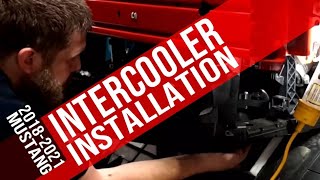
The general process involves putting the front of the car on ramps or jack stands, removing the front bumper cover to gain access, disconnecting the charge pipes from the intercooler, and unbolting the intercooler itself. While some aftermarket kits claim installation is possible without removing the bumper, replacing the OEM unit typically requires it.
🎬 Watch: Step-by-step guide to removing the bumper and installing the intercooler.Cost of Replacement
The cost to replace a Mustang EcoBoost intercooler can vary significantly based on the parts you choose.
| Part Type | Estimated Cost |
|---|---|
| New OEM | $280 - $430 |
| New Aftermarket | $450 - $1,100+ |
| Used OEM | $50 - $100 |
| Shop Labor | $250 - $470 |
Official Recalls and Technical Service Bulletins (TSBs)
As of early 2026, there are no specific NHTSA recalls or Technical Service Bulletins (TSBs) issued for the intercooler on the 2015-2023 Ford Mustang. Recalls for this generation of Mustang have addressed other issues such as seat belts, oil cooler lines, and brake system software.
Frequently Asked Questions (FAQ)

Can I drive with a bad or leaking intercooler?
Yes, but it is not recommended for extended periods. You will experience significantly reduced engine power and poor fuel economy. If the leak is severe, the car may enter a 'limp mode' to protect the engine. There is also a risk that a piece of a damaged intercooler could break off and be ingested by the engine, causing catastrophic damage.
Will a bigger aftermarket intercooler add horsepower?
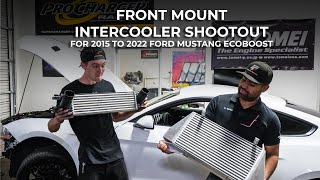
By itself, a larger intercooler doesn't add horsepower, but it allows the engine to make its rated power more consistently by preventing heat soak. On a stock car, you may not notice a huge difference in a single acceleration run, but during repeated runs or on a hot day, the upgraded intercooler will prevent the power loss that occurs with the stock unit. Significant power gains are realized when an upgraded intercooler is combined with an ECU tune and other modifications that increase boost pressure.
🎬 See how different aftermarket intercoolers perform on the dyno.What is the difference between an intercooler and a radiator?
Both are heat exchangers, but they cool different things. A radiator is part of the engine's cooling system and uses liquid coolant to dissipate engine heat. An intercooler is part of the turbocharger's intake system and uses outside air to cool the hot, compressed air before it enters the engine.
Is a small amount of oil in the intercooler normal?
Yes, a light coating of oil inside the intercooler and charge pipes is normal. The engine's Positive Crankcase Ventilation (PCV) system is designed to vent pressure from the crankcase, and these gases often contain oil vapor, which gets routed back into the intake system before the turbo. However, a large amount of pooled oil can be a sign of a failing turbo seal or excessive engine blow-by.
Technical Specifications / Part Numbers
This information applies to the factory intercooler for the 2.3L EcoBoost engine.
- OEM Part Numbers: FR3Z-6K775-A. This is the primary service part number. It may supersede older numbers like FR33-6K775-BA, FR33-6K775-BB, and FR33-6K775-BC.
- Other Names: Cooler Assembly - Engine Charge Air
- Construction: Aluminum core with plastic end tanks.
Helpful Videos

Technical Specifications
OEM Part Numbers: FR3Z-6K775-A FR336K775BA FR336K775BB FR336K775BC
Fits 2.3L EcoBoost turbocharged engine. Construction is an aluminum bar-and-plate core with plastic end tanks.
We Have This Part in Stock


The information in this article is provided for general reference and educational purposes only. Vehicle specifications, procedures, and part compatibility can vary by production date, trim level, and region. Always consult your vehicle's factory service manual and verify part numbers before purchasing or performing repairs. Safety-critical components such as airbags, seat belts, and braking systems should be installed by a qualified professional.
- Ford Mustang:
- 🎬 Helpful Videos
- 🛍️ Shop This Part
- Symptoms of a Failing Intercooler
- Known Issues for 2015-2023 Ford Mustang Intercoolers
- Inefficient Stock Design and Heat Soak
- Intercooler Condensation
- Buying a Used 2015-2023 Mustang Intercooler
- Replacement Information
- Cost of Replacement
- Official Recalls and Technical Service Bulletins (TSBs)
- Frequently Asked Questions (FAQ)
- Technical Specifications / Part Numbers
- 🎟️ Get 5% Off