

2012-2019 BMW 640i & 740i Intercooler Radiator (17117605664): Leaks, Symptoms, and Replacement
This guide covers the low-temperature radiator for the charge air cooling system on the 2013-2015 BMW 740i, 2012-2019 BMW 640i, and other models with the 3.0L N55 engine.
- This part is a low-temperature radiator for a liquid-to-air intercooler system, not a traditional intercooler.
- The most common failures are coolant leaks from cracked plastic end tanks or physical damage from road debris.
- Failures in the connected charge air pipes (especially the plastic charge pipe) are very common on the N55 engine and cause power loss.
- There are no active recalls for this specific part; failures are typically due to age and heat cycles.
Is This an Intercooler or a Radiator?
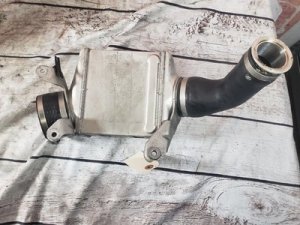
If you're searching for an 'intercooler' for your 2013-2015 BMW 740i, 2012-2019 BMW 640i, 2013-2019 BMW 640i Gran Coupe, 2013-2015 BMW 740Li, or 2013-2015 BMW ActiveHybrid 7, you've found the right guide. It's important to understand that these cars, equipped with the 3.0L turbocharged N55 engine, use a liquid-to-air intercooling system. The part you are likely looking for, with OEM number 17117605664, is the low-temperature radiator for the charge air cooling circuit.
Here’s how it works: a liquid coolant absorbs heat from the compressed intake air, and this radiator cools that liquid. So while it's not the 'intercooler' itself, it's a vital part of the intercooling process. This article covers failures of this specific radiator and the charge air system as a whole.
Symptoms of a Failing Low-Temperature Radiator or Charge Air System
Failures in the charge air cooling system can present in a few different ways, either as a coolant leak from the radiator or as a boost leak from the connected piping.
Symptoms of a Radiator Leak (Part #17117605664)
- Low Coolant Warning: Your vehicle has multiple cooling systems. You may get a specific warning for the charge air cooler circuit, or a general low coolant light. This is the most common symptom.
- Visible Coolant Leaks: You may notice blue or green coolant dripping from the front of the vehicle, specifically from the area in front of the wheels. The radiator's plastic end tanks are a common point of failure.
- Engine Overheating Message (under load): While this radiator doesn't cool the engine directly, a major leak can cause the engine computer to detect high intake air temperatures and trigger warnings or cut power to protect the engine.
Symptoms of a Boost Leak (Pipes & Connections)
- Significant Loss of Power: The car will feel sluggish and unresponsive, especially during acceleration. This is because the pressurized air from the turbo is escaping before it reaches the engine.
- Check Engine Light: A major leak will almost always trigger a Check Engine Light, with Diagnostic Trouble Code (DTC) P0299 - Turbocharger/Supercharger "A" Underboost Condition being the most common.
- Hissing or Whistling Sounds: You may hear a loud hiss from the engine bay under acceleration as pressurized air escapes from a crack or loose connection.
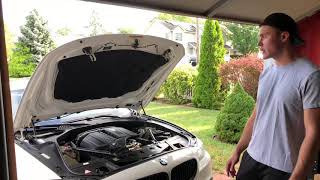
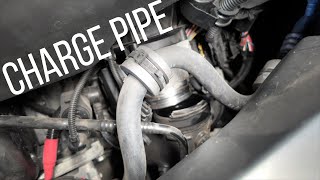
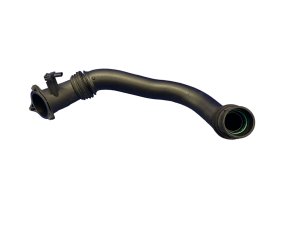
- Cracked Charge Pipe: The plastic pipe connecting the intercooler system to the throttle body is a well-known failure point on the N55 engine. It can crack or shatter, leading to a sudden and complete loss of power. 🎬 Watch: See what actually happens when a BMW charge pipe fails.
Pro Tip: A small amount of oil residue inside the intercooler pipes is normal due to the crankcase ventilation system. However, if you find oil dripping from the outside of a hose connection, it's a sure sign of a boost leak. The oil vapor escapes with the pressurized air and collects dirt, leaving a greasy film.
Known Issues, TSBs, and Recalls
As of early 2026, there are no specific recalls or Technical Service Bulletins (TSBs) from BMW or the NHTSA for the low-temperature radiator (17117605664) on the 2012-2019 640i or 2013-2015 740i/740Li/ActiveHybrid 7. Recalls for these vehicles have addressed other issues like taillights or ECU software.
The most common issues are not defects but rather age- and heat-related failures of plastic components in the cooling and charge air systems. The plastic end tanks on the radiator can become brittle and crack. Similarly, the plastic charge pipes are known to fail, and the plastic hose connectors can wear down from vibration, causing small but persistent boost leaks.
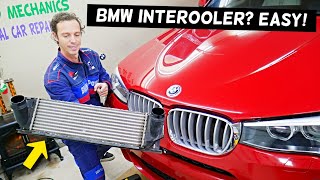
🎬 Struggling with a stuck hose? See how to remove intercooler pipes.Buying a Used Intercooler Radiator
A used OEM low-temperature radiator can be a cost-effective option, but careful inspection is crucial. Given that plastic degradation is the primary failure mode, a used part carries some risk.
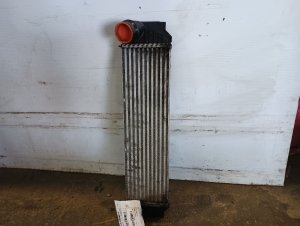
- Physical Inspection: Before purchasing, meticulously inspect the entire radiator. Pay close attention to the black plastic end tanks on the sides. Look for any hairline cracks, especially around the hose connections and mounting points.
- Check for Leaks: Look for chalky white or colored residue. This is evidence of a past coolant leak that has dried, indicating a crack or a bad seal.
- Fin Condition: A few bent cooling fins are normal and won't affect performance. However, avoid any unit with large areas of crushed or damaged fins, as this will reduce its cooling efficiency.
- Verify Part Number: Ensure the part is stamped with 17117605664 or the shorter 7605664 to guarantee fitment.
- Why Used OEM vs. Cheap Aftermarket: A used OEM part that passes inspection is often a better choice than a new, cheap aftermarket radiator. Inexpensive aftermarket parts may use lower-grade plastic and aluminum, leading to a shorter service life. A quality used OEM part was built to BMW's original standards.
Cost Comparison for Low-Temperature Radiator Replacement
Prices can vary based on your location and the chosen parts supplier. Labor costs assume a 3-4 hour job at an independent shop.
| Part/Service | Estimated Cost |
|---|---|
| New OEM (Dealer/Online) | $590 - $735 |
| New High-Quality Aftermarket (e.g., CSF, Behr) | $550 - $650 |
| Used OEM | $50 - $250 |
| Shop Labor | $450 - $800 |
Replacement Difficulty
- Difficulty Rating: 4 out of 5
- Estimated Time: 3-4 hours
- DIY Feasible?: Yes, for experienced mechanics.
Replacing this radiator is a moderately difficult job primarily because of access. The front bumper cover and various other components in front of the radiator must be removed. The process involves draining the specific low-temperature coolant circuit, disconnecting hoses, swapping the radiator, and then refilling and bleeding the system to remove air pockets. While feasible for a skilled DIYer with the right tools, it can be a time-consuming task.
Frequently Asked Questions (FAQ)
Will a failing intercooler radiator damage my engine?
While a leak won't cause immediate engine damage, it shouldn't be ignored. A failing radiator leads to higher intake air temperatures. The engine's computer (DME) will detect this and reduce turbo boost and engine power to protect itself, putting the car into a 'limp mode'. Driving for extended periods in this state is not advisable.
Can I fix a small leak in the plastic end tank?
It is not recommended. Plastic epoxies and sealants are temporary fixes at best. The constant heat cycles and pressure in the cooling system will cause these repairs to fail quickly. The only reliable solution for a cracked radiator is replacement.
Do I need to replace any other parts at the same time?
It's a good practice to inspect all connected coolant hoses for swelling, cracking, or softness. If the car has high mileage, consider replacing the plastic charge pipe as a preventative measure, 🎬 Watch this walkthrough for installing a new N55 charge pipe. as it is a known weak point on the N55 engine.
What kind of coolant does the charge air system use?
The charge air cooling system uses the same type of coolant as the main engine cooling system, which is typically a blue-colored BMW-approved G48 formula. Always use the correct coolant type and avoid mixing different formulas.
Helpful Videos

Technical Specifications
OEM Part Numbers: 17117605664 7605664
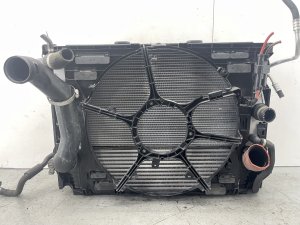
This is a low-temperature radiator for the liquid-to-air charge cooler circuit. It is typically mounted at the front of the vehicle. The core is aluminum with plastic end tanks.
We Have This Part in Stock


The information in this article is provided for general reference and educational purposes only. Vehicle specifications, procedures, and part compatibility can vary by production date, trim level, and region. Always consult your vehicle's factory service manual and verify part numbers before purchasing or performing repairs. Safety-critical components such as airbags, seat belts, and braking systems should be installed by a qualified professional.
- BMW 740i:
- BMW 640i:
- BMW 640i Gran Coupe:
- BMW 740Li:
- BMW ActiveHybrid 7:
- 🎬 Helpful Videos
- 🛍️ Shop This Part
- Is This an Intercooler or a Radiator?
- Symptoms of a Failing Low-Temperature Radiator or Charge Air System
- Symptoms of a Radiator Leak (Part #17117605664)
- Symptoms of a Boost Leak (Pipes & Connections)
- Known Issues, TSBs, and Recalls
- Buying a Used Intercooler Radiator
- Cost Comparison for Low-Temperature Radiator Replacement
- Replacement Difficulty
- Frequently Asked Questions (FAQ)
- 🎟️ Get 5% Off