

Audi 2.0T Intercooler Leaks & Boost Problems: 2017-2025 A4, A5, A6, Q5 & Allroad
Diagnosing power loss, P0299 codes, and boost leaks related to the intercooler on Audi B9 and C8 platform vehicles with the 2.0L turbo engine.
- The most common failure is a crack in the plastic end tanks, leading to power loss and a P0299 underboost code.
- Fitment is VIN-specific. Always verify your original part number (8W0145805AD) before buying a replacement.
- For Audi Q5 models, you must also check that your vehicle's 5th VIN digit is 'A' or 'B' to ensure compatibility.
- Replacement is a moderate DIY job (3/5 difficulty) that requires removing the front bumper cover and takes about 3-4 hours.
Symptoms of a Failing Intercooler

A leaking or damaged intercooler creates a 'boost leak,' where the pressurized air from the turbo escapes before reaching the engine. This leads to several distinct symptoms. In most cases, the vehicle is still drivable, but performance and fuel economy will be significantly reduced.
- Loss of Engine Power: This is the most common and noticeable symptom. The engine isn't receiving the full volume of air it expects, making the vehicle feel sluggish, slow to accelerate, and weak. In severe cases, the engine's computer may trigger a reduced-power 'limp mode' to prevent damage.
- Check Engine Light (CEL): A significant boost leak will trigger a Check Engine Light. The most common diagnostic trouble code (DTC) is P0299 - Turbocharger/Supercharger Underboost Condition. This code means the engine control unit (ECU) has detected that the actual boost pressure is much lower than what it has requested from the turbo.
- Hissing or Whistling Noises: You may hear a distinct hissing or whistling sound coming from the front of the engine bay. This sound is the noise of pressurized air escaping from a crack or hole in the intercooler or its connecting hoses and is most apparent during acceleration when the turbo is active.
- Reduced Fuel Economy: When the engine isn't running efficiently due to a boost leak, it may consume more fuel to try and produce the requested power.
- Visible Damage or Oil Residue: The intercooler is located at the front of the vehicle, behind the bumper grille, making it vulnerable to punctures from rocks and road debris. A visual inspection may reveal bent fins or cracks. Oily residue around the intercooler or its connections can also indicate a leak, as oil vapor from the engine's crankcase ventilation (PCV) system can collect at the site of escaping air.
Known Issues and Vehicle-Specific Information

While there are no active recalls or widespread Technical Service Bulletins (TSBs) for intercooler failure on these specific Audi models, they are known to fail in a few common ways. These issues apply to the 2.0L Turbo engine in the 2017-2024 Audi A4, 2017-2024 Audi A4 allroad, 2018-2025 Audi A5, 2019-2025 Audi A6, and 2021-2025 Audi Q5.
Common Failure Points
The most common failure is not from external damage, but from the construction of the part itself. The core of the intercooler is aluminum, but the end tanks (the plastic sections on each side) are plastic. Over many cycles of heating up and cooling down, and constant exposure to pressure, these plastic end tanks can become brittle and crack, creating a boost leak. This is the primary cause of the P0299 underboost code on these vehicles.
Pro Tip: The Factory Blocker Plate: On some early B9 platform models, specifically the 2017-2018 Audi A4 and A5, owners may discover a plastic cover blocking the driver's side third of the intercooler. This was installed by Audi, reportedly to prevent the oversized intercooler (shared with S models) from being *too* efficient in humid climates, which could cause condensation to form and potentially lead to misfires on a stock engine tune. Many owners choose to remove this plate, as it's a simple process that can be done from underneath the car in about 10 minutes.
Related Vehicle Recalls
While not directly related to this intercooler, owners of certain 2021-2023 Audi Q5 and Q5 Sportback models should be aware of NHTSA Recall 22V753000. This recall addresses potentially faulty engine connecting rod bearings that could lead to engine failure. If you own one of these vehicles, it is critical to contact an Audi dealer to see if your vehicle is affected.
Buying a Used Intercooler: What to Check

A used OEM intercooler is an excellent value compared to a new dealer part, often costing a fraction of the price. Since this part has no moving components, a good-condition used unit can last the remaining life of the vehicle. Here’s what to inspect before buying:
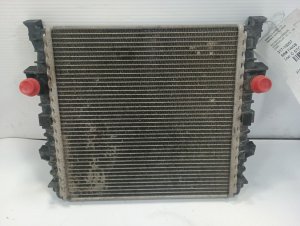
- Inspect the End Tanks: This is the most critical check. Carefully examine the plastic end tanks on both sides for any hairline cracks, especially around the seams where the plastic meets the aluminum core. This is the most common failure point.
- Check for Physical Damage: Look at the aluminum fins. A few bent fins from normal use are acceptable and won't affect performance. However, reject any intercooler with large areas of crushed fins or signs of punctures from road debris.
- Look for Excessive Oil Inside: A very light coating of oil vapor inside the intercooler is normal for any turbocharged engine. However, if you see pooled or dripping oil, pass on the part. This could indicate a significant engine problem, such as failed turbo seals, on the vehicle it came from.
- Verify Part Number and Compatibility: This is essential. The primary OEM part number is 8W0145805AD, which supersedes older versions like 8W0145805, 8W0145805N, and 8W0145805Q. However, fitment on the B9 platform can be VIN-specific. Always verify your original part number before ordering.
Warning: This intercooler fits 2.0L Turbo models only. For Audi Q5 models, you must verify your vehicle's 5th VIN digit is 'A' or 'B' to ensure compatibility. For all models, cross-referencing the OEM part number from your original intercooler is the most reliable way to guarantee a perfect fit.
Replacement Overview & Difficulty
Replacing the intercooler on these Audi models is a moderately difficult job that is feasible for an experienced DIY mechanic.
- Difficulty Rating: 3 out of 5
- Estimated Time: 3-4 hours
- Tools Required: Standard hand tools including Torx bits (T25, T30), sockets, and extensions are needed. No highly specialized equipment is required for a direct OEM replacement.
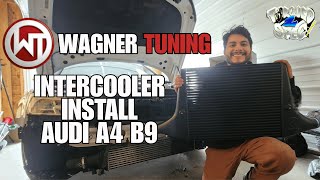
The main challenge is accessing the intercooler, which requires the complete removal of the front bumper cover. Once the bumper is off, the intercooler itself is held in by clips and connected by two main charge hoses. The process involves disconnecting the hoses, releasing the mounting clips, and maneuvering the old unit out before installing the new one.
🎬 See this step-by-step B9 intercooler replacement walkthroughCost Comparison
Prices for this intercooler can vary significantly. A used OEM part offers a substantial savings over a new part from the dealer, making it a smart choice for most repairs.
| Part Type | Estimated Cost |
|---|---|
| New OEM (Dealer) | $530 - $770 |
| New Aftermarket | $200 - $800+ |
| Used OEM | $150 - $250 |
| Shop Labor | $300 - $600 |
Can I drive with a bad intercooler?
Yes, but it's not recommended for long. You will experience significantly reduced engine power and poor fuel economy. Driving with a major boost leak for an extended period can cause the turbocharger to over-speed as it tries to compensate for the lost pressure, potentially leading to further damage.
Does a P0299 'Underboost' code always mean the intercooler is bad?
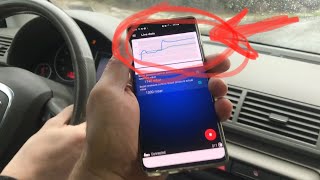
Not necessarily. While a cracked intercooler is a very common cause for a P0299 code on these engines, the code simply means there is a boost leak somewhere in the system. The leak could also be from a loose clamp, a cracked charge pipe, a faulty diverter valve, or even an issue with the turbo's wastegate. A proper diagnosis, such as a smoke test, is the best way to pinpoint the exact source of the leak before replacing parts.
🎬 Watch: How to check for boost leaks for freeWhy is VIN verification so important for this part?
Audi's B9 platform (A4, A5, Q5) and related models often have mid-year production changes and variations based on trim and options. This means that even for the same year and model, different parts might have been used. For the Q5 specifically, compatibility is tied to the 5th digit of the VIN. Verifying your VIN and original part number is the only way to be 100% certain you are getting the correct replacement part.
Is an aftermarket intercooler better than OEM?
For a stock vehicle, a quality used OEM intercooler is the most cost-effective solution. High-performance aftermarket intercoolers offer a larger core and better cooling, but these benefits are most significant on a tuned engine that is producing more heat. For a standard repair, the OEM unit is perfectly adequate.
Helpful Videos

Technical Specifications
OEM Part Numbers: 8W0145805AD 8W0145805Q 8W0145805N 8W0145805
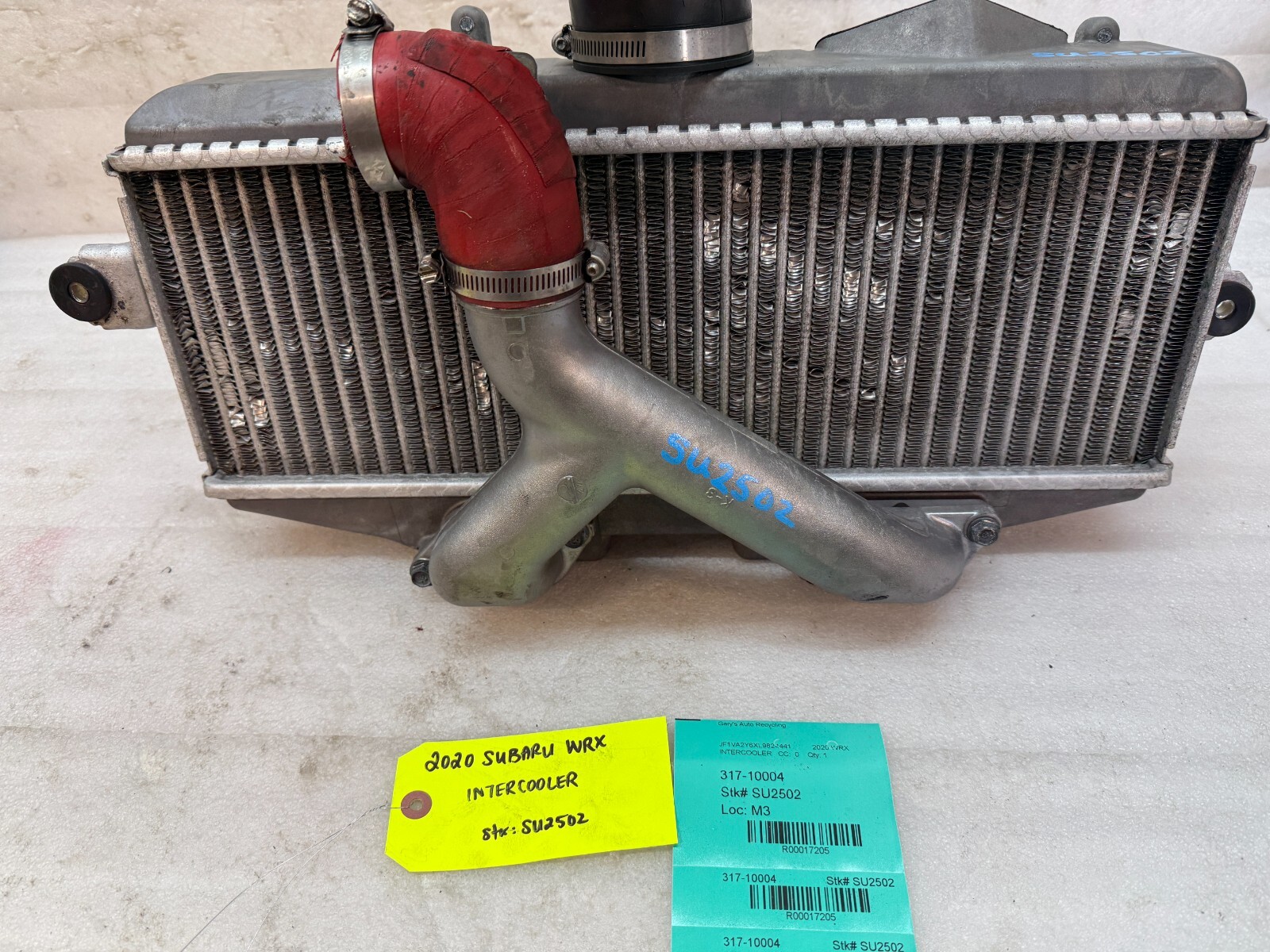
Air-to-air charge air cooler with aluminum core and plastic end tanks. Fits 2.0L TFSI turbocharged engines.
We Have This Part in Stock




The information in this article is provided for general reference and educational purposes only. Vehicle specifications, procedures, and part compatibility can vary by production date, trim level, and region. Always consult your vehicle's factory service manual and verify part numbers before purchasing or performing repairs. Safety-critical components such as airbags, seat belts, and braking systems should be installed by a qualified professional.
- Audi A4:
- Audi A6:
- Audi Q5:
- Audi A5:
- Audi A4 allroad: