

2009-2014 Acura TL Integrated Power Module: A Guide to Failures & Programming
This guide covers the common failures, replacement costs, and critical programming requirements for the Integrated Power Module in your 2009-2014 Acura TL.
- A replacement Integrated Power Module (new or used) MUST be programmed to the car by a dealer or qualified shop with security credentials; the car will not start without this step.
- Failure causes a wide range of bizarre electrical issues, including no-start conditions, a dead battery, and accessories like wipers or locks acting erratically.
- When buying a used module, you must match the OEM part number exactly and factor in the additional cost of programming.
- Before suspecting the IPM for battery drain, first rule out the much more common failure of the Hands-Free Link (HFL) module.
Symptoms of a Failing Integrated Power Module
A failing Integrated Power Module often causes a variety of strange and intermittent electrical problems rather than a single, consistent failure. Because the IPM controls so many different systems, symptoms can be widespread and confusing. Problems may also be more frequent in hot weather, as heat can affect failing electronic components.
- Intermittent or Complete No-Start: The engine may crank but refuse to start because the IPM is not activating the fuel pump or other essential systems.
- Key Fob and Door Lock Issues: The keyless entry remote may stop working, or power door locks may fail to operate, sometimes affecting only specific doors.
- Erratic Accessories: You may experience wipers that turn on by themselves, lights that flicker, a horn that honks randomly, or power windows that don't work.
- Dead Battery: A faulty IPM can fail to shut down certain systems when the car is turned off, creating a parasitic draw that drains the battery overnight.
- Warning Lights: Various warning lights may appear on the dash, and the system may store communication error codes (like B1005, B1006, B1008) indicating that the IPM/MICU is losing communication with other modules.
- No Power to OBD-II Port: In some cases, a failed module can cut power to the diagnostic port, making it impossible to read trouble codes.
Pro Tip: Before replacing the IPM for a dead battery, first check the Hands-Free Link (HFL) module. The HFL module is a very common failure point on these Acuras and is known to cause a significant parasitic battery drain. Disconnecting the HFL module (located in the overhead console) is a common diagnostic step.
Known Issues, TSBs, and Recalls
As of mid-2024, there are no specific recalls for the Integrated Power Module on the 2009-2014 Acura TL. The major recalls for this vehicle generation involve the Takata airbag inflators.
Acura has issued informational Technical Service Bulletins (TSBs) related to the immobilizer system, such as TSB 09-011 and TSB 09-017, which provide details on the system's function. However, there are no widespread TSBs indicating a known defect with the module itself. Most failures are due to age and normal electronic component wear.
CRITICAL: Programming & Immobilizer Requirements
Warning: A replacement Integrated Power Module, whether new or used, MUST be programmed to the vehicle. The car will not start until this procedure is completed. This is not a plug-and-play part.
The IPM is a core part of the Acura's immobilizer anti-theft system. When you install a different module, it no longer recognizes your existing keys, and it will prevent the engine from starting as a security measure. The process of making the new module work with your car is called "immobilizer registration" or "security alignment."
- Dealer Tool Required: This programming requires the official Honda Diagnostic System (i-HDS) software. This is dealer-level equipment.
- Security Credentials Needed: To perform the immobilizer registration, the technician needs an active subscription and a Vehicle Security Professional (VSP) license from the National Automotive Service Task Force (NASTF). This prevents unauthorized individuals from bypassing the vehicle's security.
- DIY Installation: You can perform the physical installation of the module yourself to save on labor costs. It is located behind the driver's side kick panel. However, after the swap, the vehicle will be immobilized and will need to be towed to a dealer or a qualified shop for programming.
- Independent Shops & Locksmiths: Some independent repair shops and specialized automotive locksmiths have the necessary equipment (like a high-end Autel or Snap-on scanner) and the VSP credentials to program Honda/Acura immobilizer systems. Always call ahead and confirm they can specifically perform an "Acura immobilizer registration" or "MICU replacement programming" before committing to the service.
Buying a Used Integrated Power Module
Purchasing a used OEM module is a cost-effective way to fix electrical issues, provided you follow a few key steps. Given that a new module also requires programming, a used one presents significant savings with no functional downside once programmed.
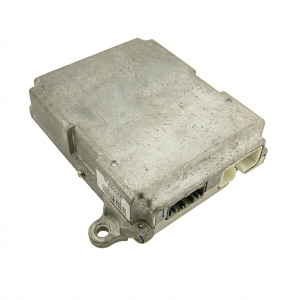
- Match the Part Number Exactly: The part number is printed on a sticker on the module's case. It is critical to match this number exactly to ensure compatibility with your vehicle's specific trim and options. Common part numbers include 35130-TK4-305, 35130-TK4-A12, and 35130-TK4-A13.
- Inspect for Damage: When you receive the part, inspect it for any signs of physical damage, especially water intrusion or corrosion on the pins and connectors. Water leaks from the windshield or sunroof can sometimes drip onto these modules, causing them to fail.
- Factor in Programming Costs: Remember that the price of the used part is not your total cost. You must add the cost of towing (if necessary) and the fee for programming, which is typically a one-hour labor charge at a dealership.
Replacement Cost Comparison
The total cost of replacement includes the part itself and the labor for installation and programming. You can save on labor by installing the part yourself and then having the vehicle programmed.
| Item | Estimated Cost |
|---|---|
| New OEM Module | $400 - $600 (Part only) |
| Used OEM Module | $50 - $175 (Part only) |
| Shop Labor (Installation) | $100 - $150 (Approx. 1 hour) |
| Shop Labor (Programming) | $125 - $200 (Approx. 1 hour, dealer rate) |
| Total (Used Part, Pro Install) | $275 - $525 |
Frequently Asked Questions (FAQ)
Can I install a used Integrated Power Module myself?
Yes, you can physically install the module yourself to save on labor. It is generally located in the driver's side footwell, behind the kick panel. However, the car will not start after you install it until it is professionally programmed.
Why won't my car start after replacing the power module?
The car won't start because the replacement module is not paired with your vehicle's immobilizer system and keys. This is a built-in anti-theft feature. The module must be programmed using specialized dealer-level tools to restore function.
Is the MICU the same as the Integrated Power Module?
Yes, for this vehicle, the terms MICU (Multiplex Integrated Control Unit) and Integrated Power Module (IPM) are often used to describe the same component that houses the body control computer and interior fuse panel.
Can a locksmith program the new module instead of the dealer?
Some well-equipped automotive locksmiths can program Honda and Acura immobilizer systems. You must confirm that they have the proper software and a NASTF Vehicle Security Professional (VSP) license. It is always best to call and ask specifically if they can perform an "immobilizer registration" for an Acura module replacement.
Technical Specifications
OEM Part Numbers: 35130-TK4-305 35130-TK4-A12 35130-TK4-A13
Controls vehicle body electronics and immobilizer system. Located in the driver's side interior kick panel area.
We Have This Part in Stock




The information in this article is provided for general reference and educational purposes only. Vehicle specifications, procedures, and part compatibility can vary by production date, trim level, and region. Always consult your vehicle's factory service manual and verify part numbers before purchasing or performing repairs. Safety-critical components such as airbags, seat belts, and braking systems should be installed by a qualified professional.
- Acura TL: