

2017 Audi R8 Intake Manifold: Diagnosing Leaks and Cracks in the 5.2L V10
This guide covers the common failure points, symptoms, and inspection process for the plastic intake manifolds on the 2017 Audi R8 5.2L V10.
- The most common failure is a hairline crack in the plastic housing, causing a vacuum leak with symptoms like a rough idle, hissing sounds, and a Check Engine Light for lean codes (P0171, P0174).
- This part is shared with the Lamborghini Huracán; there are no standard aftermarket replacements, only very expensive billet performance options. A used OEM part is the most common repair solution.
- Replacement is a labor-intensive job (4-6 hours) and should be performed by a professional, as it requires removing fuel lines and other complex components.
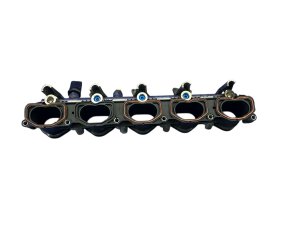
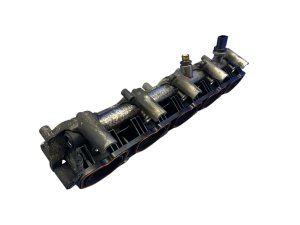
- When buying a used manifold, meticulously inspect it for cracks, especially around seams and mounting holes, and ensure all threaded inserts are intact.
Symptoms of a Failing Intake Manifold

A faulty intake manifold on a 2017 Audi R8 will almost always result in a vacuum leak. This allows unmetered air to enter the engine, disrupting the precise air-to-fuel ratio required for proper combustion. The symptoms are often consistent with a vacuum leak on any modern engine, but can be pronounced on this high-performance V10.
Check Engine Light with Lean Codes
This is the most common symptom. The engine's oxygen sensors will detect the excess, unmetered air in the exhaust and trigger a Check Engine Light. The most common Diagnostic Trouble Codes (DTCs) you will see are:
- P0171: System Too Lean (Bank 1)
- P0174: System Too Lean (Bank 2)
You may also see misfire codes (P0300 through P0310) if the lean condition causes a cylinder to misfire.
Rough or Unstable Idle
The engine may idle erratically, hunt for a stable RPM, or feel shaky. In severe cases, the engine may stall when coming to a stop or at low speeds because the engine control unit cannot compensate for the extra air.
Audible Hissing or Sucking Sound
With the engine running, you may hear a distinct hissing or whistling noise coming from the engine bay. This is the sound of air being sucked through a crack in the plastic manifold or a failed gasket. Pinpointing the sound can help you locate the leak.
Reduced Engine Power and Hesitation
A vacuum leak leans out the air-fuel mixture, which can cause a noticeable loss of power, poor throttle response, and hesitation during acceleration. The car will feel less responsive than it should.
Pro Tip: The definitive method for finding a vacuum leak is a smoke test. A technician injects pressurized smoke into the intake system. The smoke will escape from any cracks or bad seals, making the leak easy to spot. Trying to find a hairline crack by eye alone can be very difficult.
Known Issues for the 2017 Audi R8 Intake Manifold

The primary known issue for the stock plastic intake manifolds on the 5.2L V10 engine, which is shared with the Lamborghini Huracán, is their susceptibility to failure from heat and age.
- Cracks in the Plastic Housing: Over thousands of heat cycles, the composite plastic can become brittle and develop hairline cracks. These cracks most often form near seams or mounting points where stress is concentrated.
- Gasket/Seal Failure: While less common than cracks in the manifold itself, the gaskets that seal the manifold to the cylinder head or the seals between the upper and lower manifold sections can degrade and fail, creating a leak. This is a known weak point, especially on modified, turbocharged engines, which can blow out the seals between the manifold runners.
As of late 2023, there are no active recalls or Technical Service Bulletins (TSBs) from Audi specifically for the intake manifold on the 2017 R8. The existing recalls for this model year relate to the airbag inflator and a potential transmission fluid leak.
Buying a Used 2017 R8 Intake Manifold: What to Check

Due to the high cost of new OEM parts, a used intake manifold is a popular and cost-effective option. However, careful inspection is crucial to avoid buying a part that has the same problems as your old one. Here’s what to look for.
1. Verify the Part Number and Side
The V10 engine uses separate manifolds for each cylinder bank. Ensure you are buying the correct one for your needs. They are not interchangeable.
| Side | Common Part Numbers |
|---|---|
| Right (Passenger Side) | 07L133185AC, 07L133185AD, 07L133185AK |
| Left (Driver Side) | 07L133109AS, 07L133110AS, 07L133110BB |
Note: Part number 07L133185AK is the current replacement for 07L133185AD. Always try to verify the part number on your existing manifold before ordering.
2. Physical Inspection Checklist
A visual inspection is your best defense against a bad part. Use a bright flashlight and go over the entire manifold carefully.
- Check for Hairline Cracks: Pay extremely close attention to the seams, corners, and areas around mounting bolt holes. Bend and flex the part slightly (if possible) to see if any hidden cracks open up.
- Inspect Mounting Points: Ensure all mounting flanges are flat and free of damage. Check that none of the bolt holes are cracked or broken.
- Verify Threaded Inserts: The manifold has metal threaded inserts for various bolts and components. Make sure they are all present, secure, and not stripped out.
- Look for Warping: Place the manifold on a known flat surface to check for any warping along the gasket mating surface. A warped manifold will never seal properly.
- Check for Loose Internal Parts: Some videos on the similar Lamborghini engine have noted that small screws can come loose and fall into the engine. Gently shake the manifold to listen for any rattling that could indicate a loose internal component.
Warning: Do not install a manifold with any visible cracks, even if they seem small. Under the engine's heat and vacuum, a small crack will quickly grow and cause the same problems you are trying to fix.
3. Why a Used OEM Part is a Good Choice
For a specialty vehicle like the R8, standard aftermarket replacement manifolds are generally not available. The only aftermarket options are extremely expensive billet aluminum manifolds designed for high-horsepower turbocharged builds, which can cost over $12,000. A quality, inspected used OEM manifold provides the exact fitment and material specifications of the original part at a fraction of the cost of a new one.
Replacement Overview and Difficulty
Replacing the intake manifold on the 2017 Audi R8 is a complex job best suited for experienced technicians or highly skilled DIY mechanics. The manifolds are located deep in the engine bay, requiring the removal of several other components for access.
- Difficulty Rating: 4 out of 5
- Estimated Time: 4-6 hours
- DIY Feasible: For advanced mechanics only.
The basic steps involve removing the engine X-brace, air filter boxes, fuel lines, and multiple electrical connectors before you can unbolt and remove the manifolds themselves. Due to the complexity and risk involved, most owners will opt to have this repair performed by a qualified shop.
Cost Comparison: New vs. Used
The cost difference between new and used manifolds is significant, making a used OEM part a very attractive option.
| Part Source | Estimated Cost (Per Side) |
|---|---|
| New OEM | $800 - $1,500+ |
| Used OEM | $350 - $600 |
| New Aftermarket (Standard) | Not Generally Available |
| New Aftermarket (Performance Billet) | $12,000+ |
| Shop Labor | $600 - $900 |
Frequently Asked Questions (FAQ)

Can I drive my R8 with a leaking intake manifold?
It is not recommended. While the car may be drivable, the lean air-fuel mixture can cause misfires, poor performance, and in the long term, potentially damage the engine or catalytic converters. It is best to have it repaired as soon as possible.
Is the 2017 R8 intake manifold the same as the Lamborghini Huracán's?
Yes, the 2017 Audi R8 and Lamborghini Huracán share the same 5.2L V10 engine and platform, and their intake manifolds are functionally identical. Many aftermarket performance parts are listed as fitting both vehicles.
Do I need to replace both manifolds at the same time?
Not necessarily. You only need to replace the manifold that is cracked or leaking. However, since both manifolds are the same age and have been exposed to the same conditions, it's possible the other side may fail in the future. Given the high labor cost, some owners may choose to replace both as a preventative measure if the budget allows.
Why not just use a cheaper plastic aftermarket manifold?
For this specific vehicle, there are no cheap aftermarket plastic manifolds available. The manufacturing tolerances and material quality required for a high-performance engine like the R8's V10 mean that only OEM or high-end billet performance parts are produced. A used OEM part is the most reliable and cost-effective solution for a standard repair.
Technical Specifications
OEM Part Numbers: 07L133109AS 07L133110AS 07L133110BB 07L133185AC 07L133185AD 07L133185AK 07L133186AA 07L133186AD
Material: Composite Plastic. System consists of two separate manifolds: one for the left cylinder bank (driver side) and one for the right cylinder bank (passenger side).
We Have This Part in Stock

The information in this article is provided for general reference and educational purposes only. Vehicle specifications, procedures, and part compatibility can vary by production date, trim level, and region. Always consult your vehicle's factory service manual and verify part numbers before purchasing or performing repairs. Safety-critical components such as airbags, seat belts, and braking systems should be installed by a qualified professional.
- Audi R8:
- 🛍️ Shop This Part
- Symptoms of a Failing Intake Manifold
- Check Engine Light with Lean Codes
- Rough or Unstable Idle
- Audible Hissing or Sucking Sound
- Reduced Engine Power and Hesitation
- Known Issues for the 2017 Audi R8 Intake Manifold
- Buying a Used 2017 R8 Intake Manifold: What to Check
- 1. Verify the Part Number and Side
- 2. Physical Inspection Checklist
- 3. Why a Used OEM Part is a Good Choice
- Replacement Overview and Difficulty
- Cost Comparison: New vs. Used
- Frequently Asked Questions (FAQ)
- 🎟️ Get 5% Off