

1998-2002 Mazda 626 Instrument Panel Airbag: SRS Light and Replacement Facts
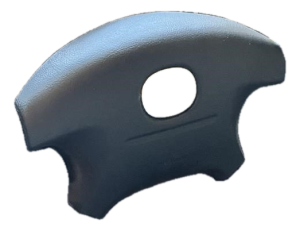
This guide covers the critical safety information, common faults, and replacement requirements for the passenger-side instrument panel airbag in your 1998-2002 Mazda 626.
- Professional installation is mandatory. Airbags are explosive devices and DIY replacement is extremely dangerous and legally risky.
- An illuminated SRS light means the entire airbag system is disabled and will NOT deploy in an accident.
- Vehicles of this era may be subject to the Takata airbag inflator recall. Check your VIN on NHTSA.gov immediately.
- For 1998 models, this part only fits vehicles built on or after May 29, 1998 (VIN 762944+).
- After installation, the SRS computer must be professionally scanned and reset to ensure the system is active.
Critical Safety Warning: Professional Installation is Mandatory
Critical Safety Warning: Professional Installation is Mandatory
The instrument panel airbag is a pyrotechnic device containing explosive materials. It is not a DIY-friendly part. Attempting to remove, handle, or install an airbag without proper training and equipment can result in accidental deployment, causing serious injury or death. Furthermore, an improperly installed airbag may fail to deploy in a crash or deploy incorrectly, leading to severe consequences. Federal and state laws may also regulate the handling and installation of SRS components. For safety and legal reasons, this part must be installed and the system verified by a qualified, professional technician.
Is Your 1998 Mazda 626 Compatible?
A critical mid-year production change affects compatibility for the 1998 model year. This instrument panel airbag is only correct for 1998 Mazda 626 models with a production date of May 29, 1998, or later. This corresponds to vehicles with a Vehicle Identification Number (VIN) of 762944 or higher. If you have a 1998 model, you must verify your vehicle's production date or VIN before purchasing this part.
Symptoms of a Faulty Airbag System
The most common and clear indicator of a problem within the Supplemental Restraint System (SRS) is a constantly illuminated or flashing airbag warning light on your dashboard. This light looks like a person with a deployed airbag or simply the letters "SRS".
- What the SRS Light Means: When this light is on, it signifies that the SRS control module has detected a fault somewhere in the system. As a result, the entire airbag system, including both driver and passenger airbags, is disabled and will not deploy in an accident.
- Common Causes for the SRS Light: While a faulty airbag module itself can be the cause, the light is often triggered by issues in related components. A professional diagnosis is needed to pinpoint the exact problem, which could include:
- A faulty seat belt buckle or latch sensor.
- A defective passenger seat occupancy sensor.
- A failed clock spring in the steering column (primarily affects the driver's airbag but is part of the same system).
- Corrosion in wiring or connectors (the yellow SRS connectors under the seats are a common culprit).
- The SRS control module has stored "crash data" after an accident and needs to be reset or replaced.
Known Issues, Recalls, and Technical Service Bulletins (TSBs)
Vehicles from this era were heavily affected by the massive Takata airbag inflator recall. While the 1998-2002 Mazda 626 is not specifically named in the most urgent "Do Not Drive" warnings, adjacent models like the 2003-2008 Mazda6 are included. These recalls address inflators that can rupture during deployment, spraying sharp metal fragments at occupants, which can cause serious injury or death.
Pro Tip: Regardless of whether your SRS light is on, you should immediately check if your vehicle has an open recall. You can do this for free by entering your 17-digit VIN on the NHTSA website or Mazda's official recall site. Recall repairs are performed by dealerships at no cost to you.
Additionally, NHTSA recall 98V243000 was issued for 73,000 1998 Mazda 626 vehicles, though the specific details of this airbag-related recall are not readily available. Given the age of the vehicle and the known issues, checking your VIN is a critical safety step.
Buying a Used 1998-2002 Mazda 626 Instrument Panel Airbag
For an older vehicle, a used OEM airbag from a reputable source is often the only viable replacement option. New OEM parts can be prohibitively expensive or discontinued, and there are no legitimate aftermarket airbags.
- Verify the Source: Only purchase used airbags from certified automotive recyclers who guarantee the part is a non-deployed, genuine OEM component. Ask for confirmation that the part came from a vehicle that was not involved in a flood or fire.
- Physical Inspection: Before installation, inspect the airbag module for any signs of damage. Look for cracks in the plastic housing, cut or frayed wires, and damage to the yellow electrical connector. Do not accept a part that looks compromised.
- Part Number Match: Whenever possible, match the part number on your original airbag to the replacement. Known OEM part numbers for this component include GD7D57K70A29 and GD7D57K70A90.
- Avoid Counterfeits: Be extremely wary of unusually cheap airbags sold on general online marketplaces. Counterfeit airbags are a serious danger; they often fail to deploy or are filled with improper materials. Buying from a dedicated, certified auto parts recycler is your best protection.
Replacement Cost Breakdown
The cost to restore the passenger airbag system can vary significantly based on what parts are needed. If only the airbag module itself needs replacement, costs are lower. If other components like the control module or sensors were also damaged in a collision, the price will increase.
| Part or Service | Estimated Cost | Notes |
|---|---|---|
| New OEM Airbag | $1,000 - $2,000+ | May be difficult to source for a vehicle of this age. |
| Used OEM Airbag | $75 - $150 | A significant savings, making it a popular choice for this model. |
| Shop Labor (Installation) | $200 - $400 | Labor to install the airbag and perform a system scan. |
| SRS Module Reset Service | $50 - $100 | Required if the old module has crash data stored. Cheaper than replacement. |
| New SRS Control Module | $600 - $1,000+ | Only needed if the module is physically damaged or cannot be reset. |
After Installation: System Reset and Calibration
Simply swapping the airbag unit is not enough. After the new part is physically installed, the vehicle's SRS control module must be addressed.
- If the vehicle was in an accident, the original module has likely stored "hard codes" or crash data. This data locks the module and must be cleared by a professional service that specializes in module resets, or the module must be replaced.
- After installation, a technician must use a professional-grade diagnostic scan tool to communicate with the SRS system. This tool is used to clear any remaining fault codes and verify that the entire system—including all sensors, the control module, and the new airbag—is communicating properly.
- The final check is to start the car and watch the SRS warning light. It should illuminate for a few seconds and then turn off. If it remains on or flashes, there is still a fault in the system that requires diagnosis.
Frequently Asked Questions (FAQ)
Why is professional installation so important for an airbag?
Airbags are explosive devices. A professional technician has the training to handle them safely, preventing accidental deployment. They also have the diagnostic tools to ensure the new airbag is correctly integrated into the SRS system, so it will function as designed in an accident. An incorrect installation can be just as dangerous as no airbag at all.
My SRS light is on. Does that automatically mean I need a new airbag?
Not necessarily. The SRS light indicates a fault anywhere in the airbag system. The problem could be a simple bad connection, a faulty seatbelt buckle, or a bad sensor, which are often less expensive to fix than replacing the airbag itself. A professional diagnostic scan is required to read the specific fault code and identify the true cause.
Can I legally install a used airbag myself?
While it is generally legal to purchase a used, non-deployed OEM airbag for your own vehicle, installing it yourself is strongly discouraged due to the extreme safety risks. Furthermore, if you sell the vehicle later and the airbag fails to perform correctly in an accident, you could face significant legal liability. Always use a professional service.
What is the difference between an airbag *module* and an airbag *inflator*?
The airbag module is the complete assembly you purchase, which includes the nylon bag, the inflator, and the housing. The inflator is a small metal canister within the module that contains the chemical propellant. The Takata recalls are specifically for the inflator component, which is replaced by the dealer for free. If your airbag was deployed in an accident, you need to replace the entire airbag module.
Technical Specifications
OEM Part Numbers: GD7D57K70A29 GD7D57K70A90
Fits passenger side instrument panel. Uses a yellow SRS electrical connector.
We Have This Part in Stock


The information in this article is provided for general reference and educational purposes only. Vehicle specifications, procedures, and part compatibility can vary by production date, trim level, and region. Always consult your vehicle's factory service manual and verify part numbers before purchasing or performing repairs. Safety-critical components such as airbags, seat belts, and braking systems should be installed by a qualified professional.
- Mazda 626:
- 🛍️ Shop This Part
- Critical Safety Warning: Professional Installation is Mandatory
- Is Your 1998 Mazda 626 Compatible?
- Symptoms of a Faulty Airbag System
- Known Issues, Recalls, and Technical Service Bulletins (TSBs)
- Buying a Used 1998-2002 Mazda 626 Instrument Panel Airbag
- Replacement Cost Breakdown
- After Installation: System Reset and Calibration
- Frequently Asked Questions (FAQ)
- 🎟️ Get 5% Off