

2014-2018 Nissan Altima Instrument Cluster: Failing Gauges, Blank Screens, and Replacement Guide
Diagnose common failures like flickering displays and inaccurate gauges, and learn the critical steps for buying and programming a used replacement cluster.
- The vehicle's mileage is stored in the instrument cluster; installing a used one will display the donor car's mileage and requires professional reprogramming to be correct and legal.
- Part numbers must be matched exactly. Clusters from different trim levels (e.g., S vs. SL) are not interchangeable.
- Repairing your original cluster is often the easiest solution, as it avoids all mileage and programming issues.
- Common failures include blank digital displays and faulty gauges, which are typically signs of internal electronic failure.
- Replacement is a simple DIY job, requiring only basic hand tools and about an hour of time.
Common Symptoms of a Failing 2014-2018 Altima Instrument Cluster
Failures in the instrument cluster for the fifth-generation Altima can range from a minor annoyance to a serious safety issue. While some issues can be caused by related components like a bad vehicle speed sensor or a weak battery, problems that are isolated to the cluster itself often point to internal electronic failure.
- Flickering or Blank Center LCD Screen: The digital display in the middle of the cluster, which shows trip information and settings, may go dim, flicker, or fail completely.
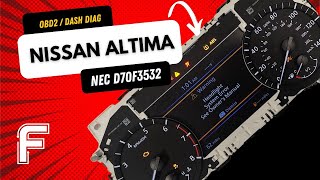
- Inaccurate or Dead Gauges: The speedometer, tachometer, fuel, or temperature gauges may give incorrect readings, get stuck in one position, or stop working entirely. 🎬 Watch: How to run a Nissan instrument cluster self-diagnosis test The fuel gauge is a commonly reported point of failure.
- Intermittent Power Loss: The entire cluster may shut off and turn back on randomly while driving, causing all needles to drop and then reset.
- Backlight Failure: The lights that illuminate the gauges for night driving may fail, making it impossible to see your speed or other critical information in the dark. A service campaign was issued for some 2013 models for a similar issue that was fixed with a software update, but widespread failure in later models is typically a hardware problem.
- Warning Lights Always On or Not Working: Individual warning lights may stay illuminated for no reason or fail to light up during the initial self-check when you start the car.
Known Issues, Recalls, and Technical Service Bulletins (TSBs)
As of mid-2024, there are no active recalls issued by the National Highway Traffic Safety Administration (NHTSA) for widespread instrument cluster failure on the 2014-2018 Nissan Altima. However, various TSBs have been issued for related systems that can cause warning lights to appear on the cluster, such as for the Automatic Emergency Braking (AEB) or Rear Automatic Braking (RAB) systems. These TSBs typically address sensor or software issues in other modules, not the cluster itself. A service campaign was issued for the 2013 Altima to reprogram the cluster for an intermittent backlight issue, but this did not extend to the 2014-2018 model years.
Warning: The initial part numbers provided (490013TA0A, 490013TA1A, 490013TA1B) are for the power steering rack and pinion assembly, not the instrument cluster. Do not use these numbers when searching for a cluster.
Buying a Used 2014-2018 Altima Instrument Cluster
Buying a used OEM instrument cluster is often the most cost-effective solution, but it comes with critical compatibility and programming requirements. Getting this wrong can leave you with a part that doesn't work at all.
1. Match the Part Number Exactly
Nissan used many different clusters for this Altima generation depending on trim level (S, SV, SL, SR), engine (2.5L vs 3.5L), and model year. The most significant difference is between the base model clusters and the higher-trim clusters with the "Advanced Drive-Assist Display." They are not interchangeable. The only way to guarantee compatibility is to match the OEM part number from your original cluster. You can find this number on a sticker on the back or top of the cluster housing.
2. The Odometer and Mileage Problem
This is the most important factor when buying a used cluster. The vehicle's mileage is stored directly in the instrument cluster's memory (an EEPROM chip). When you install a used cluster, it will display the mileage from the donor vehicle, not your car's actual mileage. Driving with an incorrect odometer reading is illegal in many jurisdictions. You have two primary options to resolve this:
- Mileage Correction Service: You must send the used cluster to a specialized electronics repair shop before installation. They can professionally reprogram the odometer on the replacement cluster to match your car's true mileage.
- Repair Your Original Cluster: Many companies offer repair services for your existing cluster. You send them your faulty unit, they fix the internal components (like a bad screen or gauge motor), and send it back. This is often the simplest option as it requires no programming and the mileage remains correct.
3. Physical Inspection
When the part arrives, inspect it carefully:
- Lens Condition: Check for deep scratches or cracks on the clear plastic lens.
- Mounting Tabs: Ensure none of the plastic mounting tabs are broken, as this can cause rattles or a poor fit.
- Connectors: Look at the electrical connector ports on the back to make sure no pins are bent or damaged.
Cost Comparison for Altima Instrument Cluster Replacement
| Part or Service | Estimated Cost |
|---|---|
| New OEM | $675 - $1,950 (part only, depending on part number) |
| Used OEM | $60 - $250 (part only, requires mileage programming) |
| Remanufactured / Repair Service | $170 - $300 (your original unit is repaired) |
| Shop Labor (Installation) | $100 - $200 |
| Shop Labor (Mileage Programming) | $100 - $250 (specialized service) |
Replacement Overview & Difficulty
Replacing the instrument cluster on a 2014-2018 Altima is a relatively straightforward job suitable for a DIYer with basic tools. The process generally takes less than an hour.
- Difficulty: 2 out of 5
- Tools Required: Phillips head screwdriver, plastic trim removal tools.
- General Steps:
- Disconnect the negative battery terminal.
- Lower the steering wheel to its lowest position.
- Use a trim tool to carefully pry off the plastic trim piece surrounding the instrument cluster.
- Remove the Phillips screws (typically two or three) securing the cluster to the dashboard.
- Gently pull the cluster out and press the release tab on the single large electrical connector at the back to unplug it.
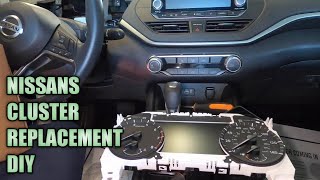
- Installation is the reverse of removal. 🎬 Watch this step-by-step Nissan Altima gauge cluster replacement video
Pro Tip: The plastic trim and cluster housing can become brittle with age. Work slowly and apply even pressure when removing parts to avoid breaking clips or tabs. If the tabs on a used cluster are broken, you can sometimes swap the back cover from your old cluster onto the new one.
Frequently Asked Questions (FAQ)
Will a used instrument cluster from another Altima be plug-and-play?
No. While it may physically plug in, it will not function correctly unless it is the exact same part number. More importantly, it will display the wrong mileage from the donor car, which requires professional correction to be legal and accurate.
Do I need to program a replacement instrument cluster?
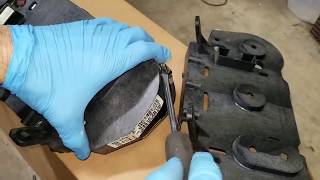
Yes, programming is required. For a used cluster, this primarily involves correcting the odometer reading to match your vehicle. This is not a dealer service; it must be done by a third-party specialist with EEPROM programming tools. 🎬 See how technicians program a Nissan Altima cluster on the bench If you choose to have your original cluster repaired, no programming is needed.
Can a bad battery cause my instrument cluster to act weird?
Yes, a failing or weak battery can cause a variety of electrical issues, including flickering gauges, warning lights, and the cluster resetting. Before condemning the cluster, it's always a good idea to have your battery and charging system tested, especially if you are also experiencing starting problems.
Is it better to repair my original cluster or buy a used one?
Repairing your original cluster is often the best option. It guarantees compatibility, keeps your original mileage intact, and requires no additional programming. Buying a used cluster is a good alternative if your original is physically damaged beyond repair, but you must factor in the extra step and cost of mileage correction.
Helpful Videos
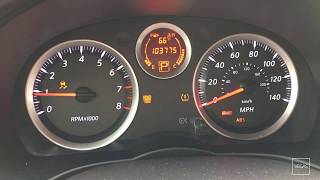
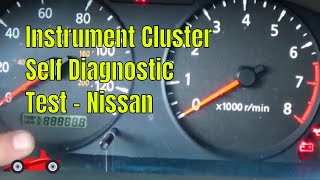
Technical Specifications
OEM Part Numbers: 24810-3TA0A 24810-3TA0B 24810-3TA0C 24810-3TA0D 24810-9HM0A 24810-3TM0A 24810-3TM0B 24810-3TM0C 24810-3TM0D 24810-9HM1A 24810-9HP0A 24810-9HS6B 24810-9HU8A
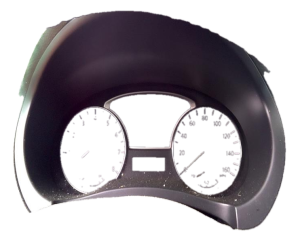
Display Type: Analog & Digital. Connectors: One primary electrical connector on the rear.
We Have This Part in Stock



The information in this article is provided for general reference and educational purposes only. Vehicle specifications, procedures, and part compatibility can vary by production date, trim level, and region. Always consult your vehicle's factory service manual and verify part numbers before purchasing or performing repairs. Safety-critical components such as airbags, seat belts, and braking systems should be installed by a qualified professional.
- Nissan Altima:
- 🎬 Helpful Videos
- 🛍️ Shop This Part
- Common Symptoms of a Failing 2014-2018 Altima Instrument Cluster
- Known Issues, Recalls, and Technical Service Bulletins (TSBs)
- Buying a Used 2014-2018 Altima Instrument Cluster
- 1. Match the Part Number Exactly
- 2. The Odometer and Mileage Problem
- 3. Physical Inspection
- Cost Comparison for Altima Instrument Cluster Replacement
- Replacement Overview & Difficulty
- Frequently Asked Questions (FAQ)
- 🎟️ Get 5% Off