

2011-2017 Mazda 6 Instrument Cluster: Swaps, Programming, and Immobilizer Secrets
This guide covers the common failures, critical programming requirements, and generation-specific differences for the 2011-2017 Mazda 6 instrument cluster.
- Programming is mandatory. A replacement cluster must be programmed to the vehicle's immobilizer system, or the car will not start.
- The vehicle's true mileage must be programmed into the replacement cluster to be legally compliant.
- You must distinguish between the two generations: 2011-2013 (Gen 2) and 2014-2017 (Gen 3). Parts are not interchangeable.
- Always match the OEM part number from your original cluster exactly to ensure compatibility with your vehicle's specific options.
Critical: Understanding the Two Generations

The 2011-2017 year range for the Mazda 6 covers two distinct vehicle generations, and their instrument clusters are not interchangeable. It is essential to identify your vehicle's generation before sourcing a replacement part.
- Second Generation (GH): 2011-2013 - These models featured engines like the 2.5L four-cylinder and the 3.7L V6. Their instrument clusters have a more traditional analog design.
- Third Generation (GJ/GL): 2014-2017 - These models introduced the Skyactiv-G 2.5L engine and a completely redesigned interior. The instrument cluster is more modern, often with a more prominent digital display element.
Warning: Installing a cluster from the wrong generation will result in complete incompatibility. Always match the part to your exact year, engine, and transmission.
Symptoms of a Failing Instrument Cluster

A faulty instrument cluster can cause a range of confusing and distracting issues. Because it's a central communication module, symptoms can sometimes mimic other problems.
- Inaccurate or Dead Gauges: The speedometer, tachometer, fuel, or temperature gauge may read incorrectly, get stuck, or stop working entirely.
- Flickering or Dim Backlighting: The illumination behind the gauges may become intermittent, dim, or fail completely, making it difficult to see at night.
- Warning Lights On or Flashing Erratically: Multiple warning lights may illuminate for no reason, or the check engine light and security light may flash. This can sometimes be caused by a short circuit or internal failure.
- Complete Cluster Failure: The entire cluster may intermittently or permanently go blank.
- No-Start Condition: Because the cluster is tied to the immobilizer system, a complete failure can prevent the car from recognizing the key, resulting in a no-start situation.
Associated OBD-II Codes
While a failing cluster might not always set a specific code, communication errors are common. Look for "U" codes, which indicate a loss of communication between modules. A diagnostic scan might reveal codes like U3003 (Battery Voltage) or U0515 (Invalid Data Received From RKE) stored in the Instrument Cluster (IC) module.
Programming, Immobilizer, and Mileage: The #1 Challenge

You cannot simply swap a used instrument cluster into a 2011-2017 Mazda 6 and expect it to work. The cluster is a critical part of the vehicle's anti-theft and immobilizer system.
Warning: After installing a replacement instrument cluster, the vehicle will NOT start until the new unit is programmed to the car's immobilizer system.
Immobilizer System Integration
The instrument cluster stores key transponder information. When you insert and turn the key (or press the start button), the key sends a code that is verified by the cluster and other modules. If a replacement cluster with different stored key data is installed, the car will not recognize your keys and will disable the engine. The security indicator light on the dash will typically flash rapidly to indicate this mismatch.
Mileage Correction
Federal law prohibits tampering with a vehicle's odometer. The mileage is stored within the instrument cluster itself. When a used cluster is installed, it will display the mileage from the donor vehicle, not your car's true mileage. The correct mileage from your original cluster must be professionally programmed into the replacement unit.
Who Can Program a Mazda Instrument Cluster?
- Mazda Dealership: A dealer has the proprietary diagnostic tools (like the Mazda WDS or IDS) to perform the necessary "Programmable Module Installation" procedure. They can sync the cluster to the immobilizer and your keys. However, some dealers may be unable or unwilling to program the mileage, instead placing a sticker on the door jamb noting the discrepancy.
- Specialized Automotive Electronics Shops: Many independent shops and mail-in services specialize in instrument cluster repair and programming. They can often perform a full "cloning" service, transferring all data (including immobilizer info and mileage) from your old cluster to the replacement. 🎬 See: How instrument cluster cloning works This is often the most complete and cost-effective solution.
- Advanced DIY with FORScan: It may be possible for advanced users with a tool like FORScan and an extended license to perform some of the necessary module configuration, but this carries significant risk and is not recommended for beginners.
Buying a Used Mazda 6 Instrument Cluster

Purchasing a used OEM cluster is an excellent way to save money, but careful selection is key to avoiding headaches.
- Match the Part Number EXACTLY: This is the most important step. The part number is printed on a sticker on the cluster's housing. Differences in part numbers can mean different internal hardware for various trim levels, engines, or transmission types. Do not deviate from the number on your original part.
- Verify Generation and Drivetrain: Double-check that the donor vehicle is the same generation (2011-2013 or 2014-2017), has the same engine (e.g., 2.5L or 3.7L), and the same transmission type (automatic or manual) as your car.
- Inspect the Lens and Connectors: Check photos carefully for deep scratches or cracks in the clear plastic lens. Ensure the electrical connectors on the back are not cracked, bent, or corroded.
- Mileage is Not a Factor: The mileage displayed on the used cluster is irrelevant, as it must be reprogrammed to match your vehicle's actual mileage. Do not pay more for a "low mileage" cluster.
- Plan for Programming Costs: Factor the cost of professional programming or cloning into your total budget. This is not an optional step.
Pro Tip: Before sending your replacement cluster for programming, take a clear photo of your original cluster plugged in and powered on to show your car's exact mileage. Provide this photo to the programming service.
Cost Comparison
| Part Type | Estimated Cost |
|---|---|
| New OEM | $800 - $1,100+ (part only) |
| Used OEM | $75 - $250 |
| Remanufactured / Repaired | $150 - $500 |
| Shop Labor (Physical Swap) | $100 - $200 |
| Programming / Cloning Service | $100 - $250 |
Recalls and Technical Service Bulletins (TSBs)
While there are no widespread recalls specifically for instrument cluster failure on these models, related issues have been noted.
- NHTSA Recall 17V-546 (2016 Mazda6): A recall was issued for a potential short-circuit in the front passenger seat wiring harness. A symptom of this short-circuit could be multiple warning lights illuminating in the instrument cluster.
- TSB 09-019/17 (2014-2017 Mazda6): This bulletin addresses an issue where a new replacement cluster displays the message "Fctry" instead of the odometer. This indicates the cluster is in factory mode and requires a specific cancellation procedure by a technician.
- TSB 09-009/19-3566: A general TSB reminding technicians of the federal regulations and procedures required when replacing a speedometer to ensure odometer accuracy.
Frequently Asked Questions (FAQ)
Will my car start after I install a used instrument cluster?
No. The instrument cluster is part of the immobilizer anti-theft system. The car will not recognize your keys and will not start until the replacement cluster is professionally programmed to your vehicle.
What happens to my car's mileage when I swap the cluster?
The replacement cluster will initially show the mileage from the vehicle it came from. To be legally compliant and accurate, you must have the replacement cluster professionally programmed to display your vehicle's true mileage.
Can my local mechanic program the new cluster?
Possibly, but only if they have advanced, Mazda-specific diagnostic tools and software. A standard OBD-II scanner cannot perform this function. It is best to use a Mazda dealer or a shop that specializes in automotive electronics and module programming.
Why is it so important to match the OEM part number?
The part number corresponds to the specific hardware and software configuration inside the cluster. Using the wrong part number, even if it looks identical, can lead to incompatibility with your car's features, such as the engine type, transmission, or warning light system.
Is it better to repair my original cluster or buy a used one?
If your issue is common, like bad backlighting or a single faulty gauge, repairing your original cluster can be a great option as it avoids the need for immobilizer reprogramming. If the main circuit board has failed or the unit is physically damaged, replacement with a used OEM part is often more economical.
Helpful Videos
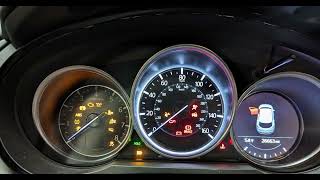
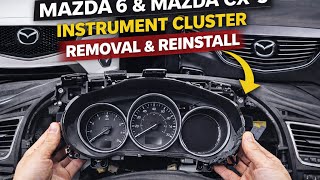
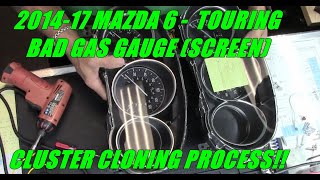


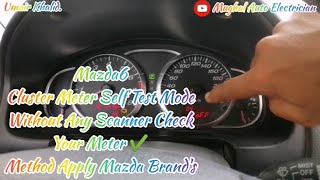
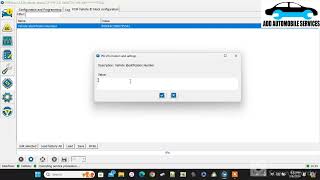
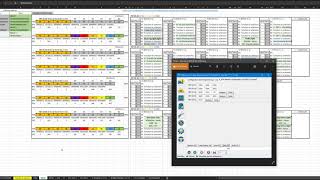
Technical Specifications
OEM Part Numbers: GAL155446 GAL155447 GAL255447 GEL655471A GJR955471 GJR955471B GJR955471C GJR955471D GLK255471 GLK255471B GLK255471C GLK255471D GLK255471E GLK355471 GLK355471B GMN455471B GMN655471B
Varies by part number and vehicle options. Compatibility is determined by matching the OEM part number to the vehicle's specific configuration (engine, transmission, trim level).
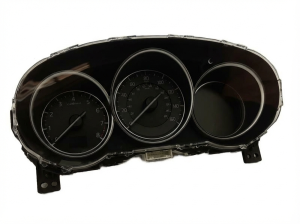
We Have This Part in Stock





The information in this article is provided for general reference and educational purposes only. Vehicle specifications, procedures, and part compatibility can vary by production date, trim level, and region. Always consult your vehicle's factory service manual and verify part numbers before purchasing or performing repairs. Safety-critical components such as airbags, seat belts, and braking systems should be installed by a qualified professional.
- Mazda Mazda6:
- 🎬 Helpful Videos
- 🛍️ Shop This Part
- Critical: Understanding the Two Generations
- Symptoms of a Failing Instrument Cluster
- Associated OBD-II Codes
- Programming, Immobilizer, and Mileage: The #1 Challenge
- Immobilizer System Integration
- Mileage Correction
- Who Can Program a Mazda Instrument Cluster?
- Buying a Used Mazda 6 Instrument Cluster
- Cost Comparison
- Recalls and Technical Service Bulletins (TSBs)
- Frequently Asked Questions (FAQ)
- 🎟️ Get 5% Off