

Mazda 3 Instrument Cluster Guide (2007-2016): Navigating Swaps, Programming, and Mileage Issues
This guide explains why swapping your 2007-2016 Mazda 3 instrument cluster isn't a simple plug-and-play job and how to handle the critical programming and mileage requirements.
- A replacement cluster MUST be professionally programmed to the car's immobilizer system, or the engine will not start.
- The 2007-2016 range covers three distinct, non-interchangeable generations of clusters; you must buy from the correct generation.
- A used cluster will display the mileage from the donor car, not your car's actual mileage. Cloning is the best way to preserve the correct odometer reading.
- Match the part number and features (engine, transmission, DSC, TPMS) exactly, as there are many incompatible variations.
A Critical Warning: Three Generations of Non-Interchangeable Clusters

The 2007-2016 model years span three distinct generations of the Mazda 3, and their instrument clusters are NOT interchangeable. Before purchasing a replacement, you must correctly identify your vehicle's generation:
- First Generation (BK): 2007-2009 - These clusters have a more traditional layout, often with red illumination and a simple digital odometer display.
- Second Generation (BL): 2010-2013 - These feature a 'twin-cowl' design with white/blue illumination and a more integrated digital Multi-Information Display (MID). The part numbers often begin with prefixes like BBM, BGV, or BCS.
- Third Generation (BM/BN): 2014-2016 - These clusters changed significantly, with some trims featuring a large central tachometer and a digital speedometer, while others have a traditional speedometer. Many also incorporate a flip-up Active Driving Display (HUD).
Warning: Installing a cluster from the wrong generation will not work. It will fail to communicate with your vehicle's other modules, and the car will not start.
Pro Tip: The upper dashboard screen on 2010-2013 models, which shows radio and climate info, is called the Multi-Information Display (MID). This is a separate, plug-and-play part and is NOT the instrument cluster. If only that screen is failing, you do not need to replace the entire instrument cluster.
Symptoms of a Failing Instrument Cluster

A failing Mazda 3 instrument cluster can cause a wide range of confusing electrical issues. Symptoms often start intermittently and worsen over time.
- Dead or Erratic Gauges: The speedometer, tachometer, fuel, or temperature gauge may stop working, get stuck, or provide incorrect readings.
- Complete or Partial Power Loss: The entire cluster may go dark, or sections of it may flicker or fail to light up.
- Warning Lights Malfunctioning: Multiple warning lights (Check Engine, ABS, Traction Control, TPMS, AT) may illuminate for no reason, or fail to light up during the initial self-test.
- No-Start Condition: The engine may not crank or start, and the red immobilizer security light on the dash will typically flash rapidly. This indicates the car's computer can no longer recognize the key because of the faulty cluster.
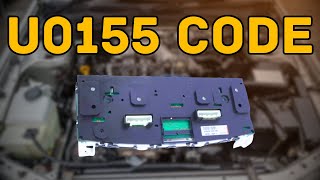
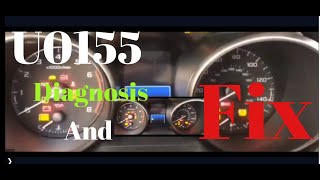
- Communication Fault Codes: A diagnostic scan will often reveal the code U0155 - Lost Communication With Instrument Panel Cluster Control Module. This is a definitive sign that the cluster is failing or has lost power/ground.
The #1 Challenge: Immobilizer Programming

You cannot simply swap a used instrument cluster into your Mazda 3. The cluster is a core part of the vehicle's anti-theft system. When you install a replacement, it must be electronically synchronized with your car's Engine Control Module (ECM) and your existing keys. If this procedure is not performed, the car will not start. You have three main options to handle this:
- Mazda Dealership Service: A Mazda dealer can use their proprietary Integrated Diagnostic System (IDS) to perform a "Parameter Reset." This procedure introduces the used cluster to the vehicle's other modules, allowing it to function correctly.
- Cloning Services: You can mail your original (faulty) cluster and the replacement (used) cluster to a specialized electronics repair service. They will copy the vital data—including the VIN, immobilizer codes, and original mileage—from your old cluster to the new one. The returned cluster is then plug-and-play, requiring no further programming. This is often the best option for preserving correct mileage.
- Automotive Locksmiths & Independent Shops: Many modern locksmiths and high-end repair shops have advanced diagnostic tools (like Autel or Smart Pro) that can perform immobilizer programming for Mazda vehicles. They may be able to sync the new cluster and keys without a trip to the dealer.
Buying a Used Mazda 3 Instrument Cluster

Purchasing a used OEM cluster is a cost-effective solution, but careful matching is essential. Follow these steps to ensure you get the right part:
- 1. Match the Generation: First and foremost, ensure the donor vehicle is from the same generation as yours (2007-09, 2010-13, or 2014-16).
- 2. Match the Part Number: If possible, remove your original cluster and find the OEM part number on the back label. Match this number exactly or use a verified cross-reference.
- 3. Match Vehicle Features: The cluster's internal software is specific to the car's options. You must match the following from the donor vehicle to your own:
- Engine: 2.0L, 2.3L Turbo (Mazdaspeed3), 2.5L, or 2.0L SkyActiv.
- Transmission: Automatic or Manual.
- Safety Systems: With or without Dynamic Stability Control (DSC), with or without Tire Pressure Monitoring System (TPMS).
- Market: Ensure it's a US-market cluster that reads in MPH.
- 4. Understand the Mileage Issue: The mileage displayed on a used cluster will be from the donor car, not your car. This mileage cannot be easily changed. Be aware that this will create a discrepancy in your vehicle's service history. A mileage disclosure statement is legally required when selling a vehicle with an inaccurate odometer reading. Cloning your original cluster is the only common method to retain your car's true mileage.
- 5. Physical Inspection: Check the used part for a clear, unscratched plastic lens, intact mounting tabs, and no signs of water damage or corrosion on the connectors.
Cost Comparison for Instrument Cluster Replacement
| Part/Service | Estimated Cost |
|---|---|
| New OEM Instrument Cluster | $800 - $1,200+ |
| Used OEM Instrument Cluster | $75 - $250 |
| Remanufactured / Repair Service | $190 - $400 |
| Shop Labor (Physical Swap) | $100 - $200 (approx. 1 hour) |
| Shop Labor (Programming) | $150 - $300 (dealer/specialist diagnostic time) |
Known Issues and Service Bulletins
While no major safety recalls exist for the 2007-2016 instrument cluster itself, Mazda has issued related bulletins and warranty extensions.
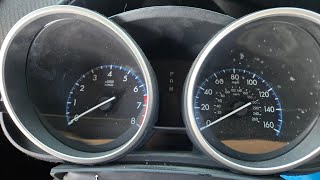
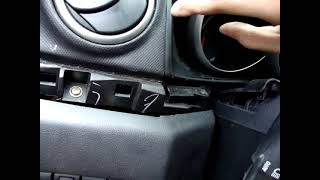
- Warranty Extension SSP A7 (2010-2013): Mazda extended the warranty for the main dashboard panel due to warping or shrinking in high heat, which could cause a gap to form between the dash and the separate Multi-Information Display. The repair requires removal of the instrument cluster. 🎬 See this walkthrough for removing the 2010-2013 speedometer cluster.
- Scratched Lenses (Newer Models): TSBs have been issued for newer generation Mazda 3s (2014+) for easily scratched cluster lenses, indicating the material may be sensitive. Owners of 2014-2016 models should use only a clean microfiber cloth for cleaning to avoid scratches.
Frequently Asked Questions (FAQ)
Can I replace the instrument cluster myself?
The physical replacement is straightforward for a DIYer: it involves removing some trim panels and screws. However, the car will not start after the swap until it is professionally programmed. Therefore, the entire job is not considered DIY-feasible unless you have advanced tools like FORScan and the knowledge to use them for module programming.
🎬 Watch: How to use FORScan for instrument cluster programming.Will the odometer show my car's correct mileage after I install a used cluster?
No. The odometer reading is stored in the cluster itself. A used cluster will display the mileage from the vehicle it was removed from. The only way to maintain your vehicle's original mileage is to have your original cluster's data cloned onto the replacement unit by a specialized service.
What happens if I just plug in a used cluster without programming?
The gauges and lights may power on, but the red security light (a car with a key symbol) will flash, and the engine immobilizer will prevent the car from starting. You will also likely have numerous communication error codes stored.
Can I upgrade to a Mazdaspeed3 or higher-trim cluster?
This is generally not recommended. While it is sometimes physically possible within the same generation, the cluster's software is programmed for a specific engine, transmission, and feature set. A swap can lead to incorrect gauge readings (like the tachometer redline), non-functional warning lights, and other compatibility problems.
Helpful Videos


Technical Specifications
OEM Part Numbers: BAS155471A BBM255214 BBM255463A BBM555471 BBM555471D BBM555471E BBM555471F BBM555471G BBM555471H BCP855447 BCS255447 BCS355471H BGV455214 BGV755471B BGV755471C
The instrument cluster communicates with other vehicle modules via the CAN (Controller Area Network) bus. It is a critical node in the PATS (Passive Anti-Theft System) immobilizer circuit.
We Have This Part in Stock


The information in this article is provided for general reference and educational purposes only. Vehicle specifications, procedures, and part compatibility can vary by production date, trim level, and region. Always consult your vehicle's factory service manual and verify part numbers before purchasing or performing repairs. Safety-critical components such as airbags, seat belts, and braking systems should be installed by a qualified professional.
- Mazda MAZDA3:
- 🎬 Helpful Videos
- 🛍️ Shop This Part
- A Critical Warning: Three Generations of Non-Interchangeable Clusters
- Symptoms of a Failing Instrument Cluster
- The #1 Challenge: Immobilizer Programming
- Buying a Used Mazda 3 Instrument Cluster
- Cost Comparison for Instrument Cluster Replacement
- Known Issues and Service Bulletins
- Frequently Asked Questions (FAQ)
- 🎟️ Get 5% Off