

Mazda 3 Instrument Cluster (2007-2016): Decoding Swaps, Programming, and Generation Gaps
This guide covers the critical differences between the three generations of Mazda 3 clusters from 2007-2016 and explains the mandatory programming required for any replacement.
- The 2007-2016 range covers three distinct generations (2007-09, 2010-13, 2014-16); their clusters are NOT interchangeable.
- A replacement cluster is NOT plug-and-play. It MUST be professionally programmed to sync the immobilizer and prevent a no-start condition.
- The mileage is stored in the cluster; a used unit will display the donor car's mileage until it is reprogrammed to match your vehicle's original mileage.
- Compatibility is critical. You must match the OEM part number exactly, paying close attention to engine, transmission, and features like Head-Up Display (HUD).
Critical Warning: Three Generations, Three Different Clusters

Warning: The 2007-2016 model years cover three distinct generations of the Mazda 3, and their instrument clusters are NOT interchangeable. Installing a cluster from the wrong generation will result in a no-start condition and communication errors. Always confirm your vehicle's generation before purchasing a part.
- First Generation (BK): 2007-2009
- Second Generation (BL): 2010-2013
- Third Generation (BM/BN): 2014-2016
First Generation (BK): 2007-2009 Mazda 3
Common Issues & Failure Points
Clusters from this era are generally reliable but can suffer from age-related electronic failures. Common symptoms include individual gauges failing (speedometer, tachometer), flickering or dead backlighting, and, in severe cases, a total loss of power to the cluster that prevents the car from starting.
Compatibility & Part Numbers
Compatibility for this generation depends primarily on the engine (2.0L vs. 2.3L) and transmission type (manual vs. automatic). Always match the OEM part number from your original cluster to the replacement unit. A known part number for this generation is BAS155471A.
Second Generation (BL): 2010-2013 Mazda 3

Common Issues & Failure Points
The most widely reported issue for this generation is not with the cluster itself, but with the main dashboard panel. The dash material is known to shrink and warp in the heat, creating a large gap above the separate, center-mounted Multi-Information Display (MID). Mazda issued a warranty extension program (SSP A9) to address this cosmetic problem. The MID screen itself can also fail, showing fading pixels or going blank, but it is a separate, plug-and-play part that does not require programming. Failures of the main instrument cluster are less common but can include illumination problems or gauge malfunctions.
Pro Tip: If only the upper center screen (showing radio/climate info) is failing, you only need to replace the Multi-Information Display (MID), not the entire instrument cluster behind the steering wheel.
Compatibility & Part Numbers
Compatibility is determined by engine size, transmission, and features like the Tire Pressure Monitoring System (TPMS). The provided part numbers, such as BBM2-55-214, BBM555471-series, and BBN4-55-471-series, primarily apply to this generation. It is essential to match these numbers precisely.
🎬 Watch: How to remove a 2012 Mazda 3 instrument clusterThird Generation (BM/BN): 2014-2016 Mazda 3

Common Issues & Failure Points
A frequent complaint for this generation is that the clear plastic lens covering the gauges is made of a very soft material that scratches easily, even with a clean microfiber cloth. Internal failures can trigger a variety of seemingly unrelated warning lights and often store the diagnostic trouble code U0155 (Lost Communication With Instrument Panel Cluster Control Module). Some owners have also experienced issues with the digital display portions of the cluster failing or showing garbled information.
Compatibility & Part Numbers
These clusters have many variations. Compatibility is extremely specific and depends on:
- Engine: 2.0L vs. 2.5L
- Transmission: Automatic vs. Manual
- Display: With or without the pop-up Head-Up Display (HUD).
- Tachometer: Some base models came with a simpler cluster without a tachometer.
Symptoms of a Failing Instrument Cluster (All Generations)

- Dead or Erratic Gauges: The speedometer, tachometer, fuel, or temperature gauge may get stuck, provide incorrect readings, or not move at all.
- No-Start Condition: The engine will not crank or start, and the red security light (a car symbol with a key) on the dash will flash rapidly. This is the immobilizer preventing startup due to a cluster fault. 🎬 Watch: Troubleshooting a Mazda 3 no-start with flashing anti-theft light
- Complete or Intermittent Power Loss: The entire cluster may go dark, flicker, or have sections that fail to light up.
- Warning Light Malfunctions: Multiple warning lights (Check Engine, ABS, Airbag, AT) may illuminate for no reason or fail to light up during the initial key-on self-test.
- Communication Fault Code U0155: A scan tool may find the code U0155 (Lost Communication With Instrument Panel Cluster Control Module) stored in other modules, which is a definitive sign of a cluster problem.
Programming, Immobilizer, and Mileage Correction

Warning: You cannot simply swap a used instrument cluster into a 2007-2016 Mazda 3 and drive. The replacement part MUST be electronically programmed to the vehicle.
The Immobilizer System Link
🎬 See how the Mazda 3 immobilizer system works and failsThe instrument cluster stores your vehicle's unique immobilizer security data and key transponder information. If you install a replacement cluster without programming, its data will not match the Engine Control Module (ECM) and your keys. The car's anti-theft system will assume a theft is in progress and prevent the engine from starting.
Odometer and Mileage
The vehicle's mileage is stored directly in the instrument cluster, not in the ECM. A used cluster will display the mileage from the car it was removed from. To maintain your vehicle's correct mileage history, the original mileage must be professionally transferred to the replacement unit. Driving with an incorrect odometer reading without proper disclosure is illegal in most jurisdictions.
Who Can Program a Replacement Cluster?
This is not a DIY-friendly task. It requires expensive, specialized equipment and software. Your options are:
- Mazda Dealership: A dealer can use the Mazda Diagnostic and Repair System (MDARS) to program a new or used cluster to your car, sync the immobilizer, and set the correct mileage.
- Specialized Automotive Locksmith/Electronics Shop: Some independent shops have advanced tools (like Autel) or offer 'cloning' services. Cloning involves reading the data directly from your original cluster's memory chip and writing it onto the replacement, creating an exact copy. This is often the most seamless option if your original cluster is still able to be read.
Buying a Used Mazda 3 Instrument Cluster: A Step-by-Step Guide
Buying a used OEM cluster can save you hundreds of dollars, but you must be diligent to ensure compatibility and plan for the required programming.
Step 1: Identify Your Vehicle's EXACT Configuration
Before you shop, know your car's generation (2007-2009, 2010-2013, or 2014-2016), engine size, transmission type, and key features like TPMS, DSC, or Head-Up Display.
Step 2: Match the Part Number
This is the most critical step. The safest method is to remove your original cluster and find the OEM part number printed on a sticker on the back. This number must match the replacement part exactly to ensure all functions work correctly.
Step 3: Physical Inspection
When you receive the used part, inspect it carefully. Check the clear plastic lens for deep scratches or hazing, as these are common. Ensure all mounting tabs on the black plastic housing are intact and not broken. Look at the electrical connector pins to make sure none are bent or corroded.
Step 4: Budget and Plan for Programming
Do not install the cluster until you have a plan for programming. Contact your local Mazda dealer or a qualified automotive electronics specialist beforehand to confirm they can program a used cluster and get a price quote. Remember to factor this cost into the total price of your repair.
Cost to Replace a Mazda 3 Instrument Cluster
| Part or Service | Estimated Cost |
|---|---|
| New OEM Cluster | $800 - $1,200+ |
| Remanufactured Cluster | $200 - $400 |
| Used OEM Cluster | $75 - $250 |
| Shop Labor (Physical Swap) | $100 - $200 |
| Dealer/Specialist Programming | $125 - $250 |
Frequently Asked Questions (FAQ)
Will my car start if I just plug in a used cluster?
No. The engine will be disabled by the immobilizer system because the security data in the used cluster does not match your car's computer and keys. The red security light on the dash will flash, and the car will not start.
Can I install a cluster from a Mazdaspeed3 into my regular Mazda 3?
This is not recommended. While it may physically fit if it's from the same generation, the internal programming is different. It may cause incorrect gauge readings, warning lights, and features not to work properly. Always match the part number from your original unit.
My cluster lens is badly scratched. Can I just replace the lens?
For most generations, the clear plastic lens is integrated into the front housing of the cluster. While it is sometimes possible to separate it, Mazda does not typically sell the lens as a separate part. Your options are usually to live with the scratches, try a plastic polishing kit (with great care), or replace the entire cluster assembly.
Can a locksmith program the replacement cluster?
Some well-equipped automotive locksmiths who specialize in modern vehicle electronics can program Mazda clusters. However, not all locksmiths have this capability. You must confirm with them that they have the specific tools and software for a Mazda immobilizer and cluster replacement *before* starting the job.
Helpful Videos
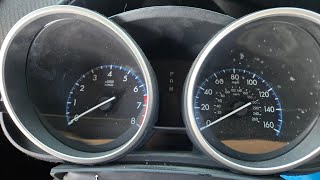
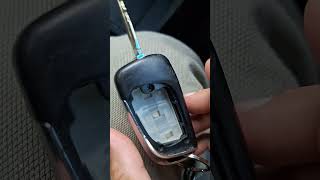
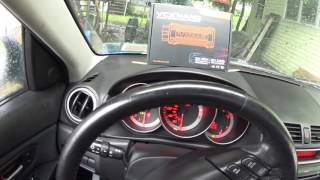
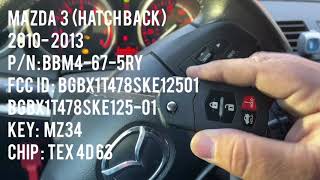
Technical Specifications
OEM Part Numbers: BAS155471A BBM2-55-214 BBM255214 BBM255463A BBM555471 BBM555471D BBM555471E BBM555471F BBM555471G BBM555471H BBN4-55-471A BBN4-55-471D BBN4-55-471E BBN4-55-471F BBN4-55-471G BJS755471
Display type varies by generation and trim, from analog gauges with LCD segments to analog/digital hybrids with color screens. All clusters are integrated with the vehicle's CAN bus and immobilizer system.
We Have This Part in Stock



The information in this article is provided for general reference and educational purposes only. Vehicle specifications, procedures, and part compatibility can vary by production date, trim level, and region. Always consult your vehicle's factory service manual and verify part numbers before purchasing or performing repairs. Safety-critical components such as airbags, seat belts, and braking systems should be installed by a qualified professional.
- Mazda 3:
- 🎬 Helpful Videos
- 🛍️ Shop This Part
- Critical Warning: Three Generations, Three Different Clusters
- First Generation (BK): 2007-2009 Mazda 3
- Common Issues & Failure Points
- Compatibility & Part Numbers
- Second Generation (BL): 2010-2013 Mazda 3
- Common Issues & Failure Points
- Compatibility & Part Numbers
- Third Generation (BM/BN): 2014-2016 Mazda 3
- Common Issues & Failure Points
- Compatibility & Part Numbers
- Symptoms of a Failing Instrument Cluster (All Generations)
- Programming, Immobilizer, and Mileage Correction
- The Immobilizer System Link
- Odometer and Mileage
- Who Can Program a Replacement Cluster?
- Buying a Used Mazda 3 Instrument Cluster: A Step-by-Step Guide
- Step 1: Identify Your Vehicle's EXACT Configuration
- Step 2: Match the Part Number
- Step 3: Physical Inspection
- Step 4: Budget and Plan for Programming
- Cost to Replace a Mazda 3 Instrument Cluster
- Frequently Asked Questions (FAQ)
- 🎟️ Get 5% Off