

2009-2014 F-150 Instrument Cluster: Blank Screens, Failing Gauges & Replacement Guide
Diagnose common problems like erratic gauges and blank message centers, and learn how to choose and program the right used replacement cluster for your truck.
- Mileage is stored in the cluster. Swapping with a used part will display incorrect mileage and requires professional programming to correct.
- Compatibility is critical. A replacement cluster must match your truck's original part number, trim level (XL, XLT, Lariat, etc.), engine, and options (4x4, trailer brake).
- The most common failures are a blank digital display and erratic gauges, which are typically caused by internal electronic faults.
- Repairing your original cluster is often the best option, as it costs less than a new unit and avoids all mileage and anti-theft programming issues.
Symptoms of a Failing 2009-2014 F-150 Instrument Cluster
Failures in the instrument cluster for this F-150 generation are common and typically stem from internal electronic issues. Symptoms can appear intermittently at first and worsen over time.
- Blank or Fading Digital Display: The most frequent complaint is the central LCD screen (message center) going blank, flickering, or becoming unreadable. This means you lose access to your odometer, trip computer, and other vehicle settings.
- Erratic or Dead Gauges: One or more of the analog gauges (speedometer, tachometer, fuel, temp) may stick, provide incorrect readings, or stop working entirely.
- Intermittent Power Loss: The entire cluster may randomly shut off and restart while driving, often accompanied by warning chimes and flashing lights. In some cases, this can be caused by a loose main electrical connector on the back of the cluster.
- Battery Drain: A faulty cluster can fail to shut down properly when the truck is off, creating a parasitic draw that drains the battery.
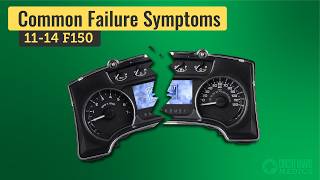
- Dim or Burnt-Out Backlighting: The illumination behind the gauges can fail, leaving dark spots on the cluster at night. 🎬 Watch a video overview of common F-150 cluster failures The backlights are LEDs soldered to the circuit board, not simple bulbs.
Known Issues, Recalls, and Technical Service Bulletins (TSBs)
As of mid-2024, there are no active safety recalls from the National Highway Traffic Safety Administration (NHTSA) specifically for instrument cluster failure on the 2009-2014 Ford F-150.
However, a related recall is important for 2014 model year owners:
- NHTSA Recall 24V-444: This recall addresses an issue where an intermittent signal from the transmission Output Shaft Speed (OSS) sensor can cause an unexpected downshift into first gear. While the cluster is not the cause, this fault will illuminate the Malfunction Indicator Light (wrench icon) on your dash. The fix is a software update to the Powertrain Control Module (PCM) performed by a dealer.
Warning: The part number provided in some databases, 9L3Z-15044D70-AB, is for the plastic instrument panel bezel (the trim piece around the cluster) for Lariat models with a Pale Adobe interior. It is NOT the electronic instrument cluster itself. Do not purchase this part to fix an electronic problem.
Buying a Used Instrument Cluster: What to Check
Buying a used cluster can be a cost-effective solution, but it's filled with potential problems if you don't get the exact right part. Sending your original cluster out for repair is often a safer and easier option.
Compatibility is Critical: Match Your Truck's Features
Ford used dozens of different instrument clusters for this F-150 generation. A replacement cluster MUST be from a truck with the same specifications. When buying a used unit, you must match:
- Trim Level: XL, STX, XLT, FX2/FX4, Lariat, King Ranch, and Platinum clusters have different features and displays (e.g., basic green screen vs. 4.2-inch color screen).
- Engine: The cluster is programmed for a specific engine (V6, 5.0L V8, 6.2L V8, etc.).
- Drivetrain: 4x2 vs. 4x4.
- Options: Features like the integrated trailer brake controller must be supported by the cluster.
The only way to guarantee a match is to compare the engineering part number printed on the sticker on the back of your original cluster to the donor part.
The Mileage and Programming Problem
The vehicle's mileage (odometer reading) and anti-theft (PATS) key information are stored inside the instrument cluster.
- Mileage Mismatch: When you install a used cluster, it will display the mileage from the vehicle it came from, not your truck's actual mileage. This can cause legal and registration issues. Correcting the mileage requires specialized EEPROM programming tools and services.
- Anti-Theft System (PATS): Because the cluster is part of the security system, swapping it can prevent the truck from starting. The new cluster must be programmed to the vehicle and the keys must be relearned using a capable scan tool, like the Ford IDS (dealer tool) or advanced software like FORScan.
Pro Tip: If you are comfortable with computers, you can use software called FORScan and an OBD-II adapter to save the 'as-built' data from your original cluster. You can then write this data to the replacement cluster to ensure all your truck's options (like 4x4, trailer brake, etc.) work correctly. However, this will not correct the odometer reading.
Instrument Cluster Replacement Guide
The physical removal and installation of the cluster is relatively easy. The main challenge is the electronic programming required afterward.
- Difficulty: 2/5 for physical replacement; 4/5 including programming.
- Estimated Time: 30-60 minutes for physical swap.
- Tools Needed: 7mm socket with extension, plastic trim removal tool.
Step-by-Step Removal
- Disconnect the negative terminal of the battery to prevent electrical shorts.
- Lower the steering wheel to its lowest position.
- Using a trim tool, carefully pry off the plastic trim panel that surrounds the instrument cluster. It is held in by clips.
- Remove the four 7mm screws that secure the instrument cluster to the dashboard (two at the top, two at the bottom).
- Gently pull the cluster forward. You may need to shift the gear selector down to make enough clearance to pull it out.
- Press the release tab on the single large electrical connector on the back of the cluster and unplug it.
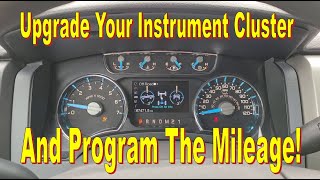
- The cluster can now be removed from the vehicle. Installation is the reverse of removal. 🎬 Watch this step-by-step instrument cluster replacement walkthrough
Cost Comparison: New vs. Used vs. Remanufactured
Repairing your original cluster is often the best value, as it avoids all programming and mileage issues.
| Part Type | Estimated Cost | Notes |
|---|---|---|
| New OEM | $700 - $1300+ | Often discontinued or hard to find. Requires dealer programming. |
| New Aftermarket | $350 - $700 | Available from brands like Dorman. Still requires programming for features and anti-theft. |
| Used OEM | $100 - $400 | Price varies by trim and condition. Requires programming and mileage correction. |
| Repair/Remanufacture Service | $150 - $250 | Your original cluster is repaired and sent back. No programming needed. Preserves original mileage. |
| Shop Labor (Installation & Programming) | $150 - $400 | Covers physical installation and the necessary computer programming for a replacement unit. |
Frequently Asked Questions (FAQ)
Can I still drive my F-150 with a broken instrument cluster?
It is not recommended. You will not be able to see your speed, fuel level, or any critical engine warning lights (like oil pressure or overheating). Driving without a visible speedometer is unsafe and may be illegal in many areas.
Will a cluster from a Lariat work in my XLT?
No, not without significant programming and potential compatibility issues. Clusters are specific to trim levels and the features they include. It is best to get a cluster that exactly matches your original part number and vehicle options to avoid problems.
How do I fix the mileage on a used cluster?
Correcting the odometer reading on a replacement cluster requires specialized equipment to reprogram the EEPROM chip inside the unit where the data is stored. This is typically done by professional instrument cluster repair services. It is illegal to misrepresent a vehicle's mileage.
My gauges stopped working but the truck runs fine. What's the first thing to check?
First, check the fuse for the instrument cluster in the passenger side fuse panel (refer to your owner's manual for the specific fuse number, often F11). If the fuse is good, the issue is likely an internal failure in the cluster itself or a loose electrical connection on the back of the unit.
Helpful Videos


Technical Specifications
OEM Part Numbers: 9L3Z-15044D70-AB (This is a BEZEL, not the cluster) DL3Z-10849-VA (Example XLT Cluster) Note: Dozens of part numbers exist. Always match the number on your specific part.
Varies by trim level. Displays can be a monochrome dot-matrix screen or a 4.2-inch color LCD. All clusters connect via a single main electrical harness connector.
We Have This Part in Stock

The information in this article is provided for general reference and educational purposes only. Vehicle specifications, procedures, and part compatibility can vary by production date, trim level, and region. Always consult your vehicle's factory service manual and verify part numbers before purchasing or performing repairs. Safety-critical components such as airbags, seat belts, and braking systems should be installed by a qualified professional.
- Ford F-150:
- 🎬 Helpful Videos
- 🛍️ Shop This Part
- Symptoms of a Failing 2009-2014 F-150 Instrument Cluster
- Known Issues, Recalls, and Technical Service Bulletins (TSBs)
- Buying a Used Instrument Cluster: What to Check
- Compatibility is Critical: Match Your Truck's Features
- The Mileage and Programming Problem
- Instrument Cluster Replacement Guide
- Step-by-Step Removal
- Cost Comparison: New vs. Used vs. Remanufactured
- Frequently Asked Questions (FAQ)
- 🎟️ Get 5% Off