

1999 Mitsubishi Galant Ignition Switch: Stalling, Starting Issues, and Replacement Guide
Your definitive guide to diagnosing and replacing the ignition switch in your 1999 Galant, including why it causes stalling and how to choose the correct part.
- The ignition switch requires NO programming; the anti-theft system is tied to the key chip, not the switch.
- The most dangerous symptom of failure is the engine stalling while driving, which requires immediate attention.
- This is a simple DIY replacement that typically takes less than an hour and only requires basic hand tools.
- Before buying, confirm your vehicle's switch has a 6-pin rectangular connector, as this is the most critical compatibility check.
Symptoms of a Failing 1999 Galant Ignition Switch


A faulty ignition switch can cause some very confusing and intermittent problems. Because it controls power to so many different systems, the symptoms can vary. The most common signs point to a loss of electrical continuity inside the switch as the internal contacts wear out or overheat.
- Engine Stalls While Driving: This is one of the most common and dangerous symptoms. A momentary loss of electrical contact inside the switch can cut power to the ignition system or fuel pump, causing the engine to shut off unexpectedly. The dashboard lights and radio may also turn off simultaneously.
- Car Won't Start: You may turn the key to the 'START' position and nothing happens. The starter motor doesn't crank, and you may not even hear a click. This can happen if the switch fails to send power to the starter relay.
- Intermittent Starting Issues: The car may start perfectly one day and fail to start the next. You might have to jiggle the key or turn it multiple times to find a 'sweet spot' where the electrical contacts connect and allow the car to start.
- Flickering Dashboard Lights: As the switch fails, it can make poor contact, causing the dashboard warning lights and interior illumination to flicker or dim as you drive or turn the key.
- Accessories Don't Work Correctly: The radio, power windows, or climate control may not turn on in the 'ACC' or 'ON' position, or they might cut out intermittently. This happens when the contacts for those specific circuits are worn out.
Warning: An engine that stalls while driving is a serious safety hazard. It causes an immediate loss of power steering and a reduction in braking power, increasing the risk of a crash. This issue should be addressed immediately.
Is This a Programming Problem? Immobilizer and Anti-Theft Explained

This is the number one question for a part like this, and the answer is simple: No, the ignition switch on a 1999 Mitsubishi Galant does not need to be programmed.
Your Galant is likely equipped with a transponder-based immobilizer system to prevent theft. This system works using a small chip inside your original key. An antenna ring around the ignition lock cylinder reads the signal from the key chip and sends it to the car's computer (ECU) or a dedicated immobilizer module. If the code is correct, the car is allowed to start.
The ignition switch is a separate, purely electrical component. It is not part of the anti-theft system's logic. As long as you continue to use your original, programmed keys, you can replace the ignition switch without any need for reprogramming, dealer visits, or special tools. The car's security system will not be affected.
Buying a Used 1999 Galant Ignition Switch: The Definitive Checklist
A high-quality used OEM ignition switch can be a reliable and cost-effective alternative to expensive new parts or failure-prone aftermarket units. Here’s what to look for:
- Verify the Connector: The most critical check is the electrical connector. The 1999 Galant typically uses a 6-pin rectangular connector. Before ordering, it is highly recommended to remove your steering column covers and visually inspect your existing switch to confirm the pin count and connector shape.
- Keyless vs. Non-Keyless Entry: The initial data suggests a potential difference between switches for models with and without factory keyless entry. While searches did not confirm two different switch part numbers based on this option alone, it's a possibility. The safest approach is to match your original part number or ensure the connector is identical.
- Inspect the Pins: When you receive the part, look closely at the male pins on the switch. They should be straight, clean, and free of any green or white corrosion. Corrosion indicates moisture exposure, which can lead to premature failure.
- Check for Overheating: Examine the plastic housing around the connector pins. Any signs of melted or discolored plastic are a major red flag, indicating the switch has previously overheated from a poor connection or electrical overload.
- Part of an Assembly: Used ignition switches are often sold still attached to the steering lock housing. You will typically only need the electrical switch portion, which is secured to the back of the housing with one or two small screws.
- Why Used OEM is a Good Choice: Genuine Mitsubishi switches are made with higher-quality copper alloys and more robust plastics than many cheap aftermarket versions. This ensures better electrical conductivity, less heat buildup, and a longer service life. A used OEM part from a low-mileage vehicle is often a more durable repair than a brand-new, low-quality aftermarket switch.
Known Issues, Recalls, and Technical Service Bulletins (TSBs)
While there are no recalls specifically for the ignition switch itself on the 1999 Galant, there is a relevant recall that owners should be aware of.
- NHTSA Recall 99V305: This recall addresses the multi-function switch levers on the steering column (turn signals, wipers). The levers could become loose or break, causing issues like turn signals not canceling or headlights not turning off. While not the same part, it is located in the same area as the ignition switch, and the work is similar. Dealers were to install a redesigned switch to correct this.
No specific Technical Service Bulletins (TSBs) directly related to widespread ignition switch failure on the 1999 Galant were found during research.
Replacement Cost Breakdown
The cost to replace the ignition switch can vary significantly depending on the type of part you choose. The repair is simple enough for many DIY mechanics, which can save on labor costs.
| Part Type | Estimated Cost |
|---|---|
| New OEM (Mitsubishi) | $45 - $65 |
| New Aftermarket | $20 - $45 |
| Used OEM | $20 - $50 |
| Shop Labor | $90 - $150 (approx. 1 hour) |
Step-by-Step Replacement Guide (DIY)

Replacing the ignition switch is a straightforward job that most DIYers can complete in under an hour with basic hand tools.
🎬 Watch this step-by-step video guide to replacing an ignition switch- Disconnect the Battery: Always disconnect the negative battery terminal before working on any electrical components to prevent short circuits.
- Remove Steering Column Covers: Remove the screws holding the upper and lower plastic covers around the steering column. These are typically Phillips head screws located on the underside of the column. Once the screws are out, you can usually snap the two halves apart.
- Locate and Unplug the Switch: The ignition switch is the electrical component on the back of the key lock cylinder. You will see a wiring harness plugged into it. Depress the locking tab on the connector and pull it straight out.
- Remove the Old Switch: The switch is held onto the lock cylinder housing by one or two small screws. Remove these screws and the old switch will come right off.
- Install the New Switch: Position the new switch and reinstall the mounting screws. Plug the wiring harness connector back into the new switch until it clicks into place.
- Test and Reassemble: Reconnect the negative battery terminal. Insert your key and test all functions (ACC, ON, START) to ensure the new switch is working correctly. If everything works, snap the steering column covers back together and reinstall the screws.
Frequently Asked Questions (FAQ)
Do I need to program a new ignition switch for my 1999 Galant?
No. The ignition switch is a non-programmable electrical part. The vehicle's anti-theft system is linked to the chip in your key, not the switch itself. You can replace the switch without needing any special programming.
What is the difference between the ignition switch and the ignition lock cylinder?
The ignition lock cylinder is the mechanical part you put your key into. Its job is to verify the key is correct and to physically turn. The ignition switch is the electrical part mounted behind the lock cylinder; it's the component that actually sends power to the car's systems as it's turned by the lock cylinder.
Can a bad ignition switch cause a no-crank, no-start problem?
Yes. This is a classic symptom. If the internal contacts for the 'START' position are worn out, the switch will fail to send the signal to the starter relay and starter motor, resulting in a no-crank condition when you turn the key.
Can a bad ignition switch drain my battery?
Yes. If the switch fails internally, it can keep a circuit energized even after you've turned the car off and removed the key. This creates a parasitic draw that can drain the battery overnight.
Helpful Videos
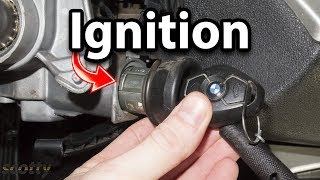
Technical Specifications
OEM Part Numbers: 8602A007 8602A010 MR235638 MR289840 MR289842
Connector: 6-pin rectangular plug

The information in this article is provided for general reference and educational purposes only. Vehicle specifications, procedures, and part compatibility can vary by production date, trim level, and region. Always consult your vehicle's factory service manual and verify part numbers before purchasing or performing repairs. Safety-critical components such as airbags, seat belts, and braking systems should be installed by a qualified professional.
- Mitsubishi Galant:
- 🎬 Helpful Videos
- Symptoms of a Failing 1999 Galant Ignition Switch
- Is This a Programming Problem? Immobilizer and Anti-Theft Explained
- Buying a Used 1999 Galant Ignition Switch: The Definitive Checklist
- Known Issues, Recalls, and Technical Service Bulletins (TSBs)
- Replacement Cost Breakdown
- Step-by-Step Replacement Guide (DIY)
- Frequently Asked Questions (FAQ)
- 🎟️ Get 5% Off