

1994-1999 Land Rover Discovery Ignition Switch: Solving No-Start & Stuck Key Issues
This guide covers common failures, replacement costs, and critical compatibility warnings for the Discovery I ignition switch assembly.
- The most critical compatibility trap is the transmission type: use STC1436 for Automatic and STC1435 for Manual.
- This ignition switch does NOT require any electronic programming. However, you may need to reset the separate vehicle immobilizer using the door key after installation.
- For the 1999 model year, this part only fits the older Discovery I body style, not the newer Discovery Series II.
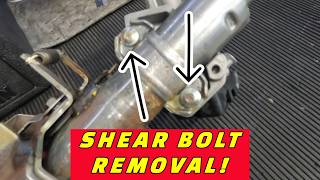
- Replacement requires defeating tamper-proof shear bolts on the steering column, which usually involves a chisel or cutting a slot into them.
Symptoms of a Failing Ignition Switch
The ignition switch on the Land Rover Discovery I can fail in several ways, affecting both the mechanical and electrical functions. Recognizing these symptoms can help you distinguish a bad switch from other issues like a dead battery or a faulty starter.
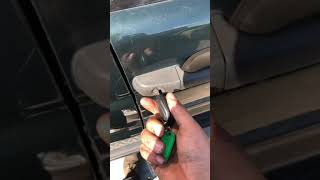
- Key is Hard to Turn or Gets Stuck: The most common mechanical problem is the key becoming difficult to turn, getting stuck, or refusing to turn at all. You might find yourself needing to jiggle or wiggle the key to get it to engage. This indicates 🎬 Watch: How to fix a stuck Land Rover key wear inside the lock cylinder itself.
- Engine Fails to Crank (No-Start): You turn the key to the 'Start' position, the dashboard lights may dim, but nothing happens. There is no clicking sound from the starter motor. This points to worn electrical contacts inside the switch that fail to send the signal to the starter relay.
- Car Stalls While Driving: A worn electrical switch can momentarily lose contact, cutting power to the ignition system and causing the engine to stall, sometimes when going over bumps.
- Engine Won't Shut Off: You turn the key to the 'Off' position and remove it, but the engine continues to run. This is a clear sign that the electrical part of the switch has failed and is not cutting power to the engine systems.
- Intermittent Electrical Problems: Accessories like the radio or power windows may not work in the 'Accessory' or 'On' position, or they may cut out intermittently.
Known Issues, Recalls, and Technical Service Bulletins
As of mid-2026, there are no active recalls or specific Technical Service Bulletins (TSBs) from the NHTSA for the ignition switch assembly on the 1994-1999 Land Rover Discovery I.
However, owners should be aware of a significant safety recall for this vehicle generation concerning the fuel tank. NHTSA Recall #04V-203 was issued because the fuel tank weld joint could crack, leading to a fuel leak and potential fire risk. This recall affected 1994-1997 Discovery I models. While unrelated to the ignition switch, it is a critical safety item to verify on any potential vehicle purchase.
Programming, Anti-Theft, and the Immobilizer
Pro Tip: No programming of any kind is required when replacing the ignition switch assembly on a Discovery I.
The Discovery I's anti-theft system is separate from the ignition key and lock cylinder. Unlike modern keys with embedded transponder chips, the key for a Discovery I is purely mechanical.
The vehicle is equipped with an immobilizer system that can prevent the engine from starting. This system is controlled by the alarm control unit and is armed/disarmed by the remote key fob or the key in the driver's door lock. If the vehicle's battery dies or is disconnected, the alarm system can become 'out of sync' and immobilize the engine, even with a perfectly good ignition switch.
If your car won't start after a battery replacement or ignition switch installation, the immobilizer is the likely culprit. You can often reset it using the Emergency Key Access (EKA) code, which is a sequence of turns of the key in the driver's door lock. The default code is often 1515, but the original code is specific to the vehicle.
🎬 Watch: How to enter the EKA code correctlyBuying a Used Ignition Switch: What to Look For
A used OEM ignition switch is often a reliable and cost-effective choice compared to a new aftermarket part. The original Lucas or Valeo units generally have better build quality. When inspecting a used part, here’s what matters most.
Warning: The part number STC1436 is for Automatic Transmission models only. If you have a manual transmission, you need part number STC1435. They are not interchangeable due to the automatic's shift interlock mechanism.
- Verify the Part Number: Double-check that you are buying STC1436 for an automatic or STC1435 for a manual.
- Test the Mechanical Action: Insert one of the included keys and turn it through all positions (Lock, Accessory, On, Start). The action should be smooth with no binding or excessive force required. A switch that is already worn will cause you the same problems you're trying to fix.
- Check the Keys: Ensure the assembly comes with at least one, preferably two, matching keys. The key blades should be straight and not excessively worn down.
- Inspect the Electrical Connector: Look at the wiring and the main electrical plug. Ensure there are no cut wires, cracked plastic, or signs of corrosion or melting on the terminals. Wires on these vehicles can become brittle with age.
- Confirm 1999 Model Compatibility: The 1999 model year is a split between the Discovery I and the completely different Discovery Series II. This part ONLY fits the Discovery I. The Discovery I has a more boxy shape and door handles that are flush with the body. The Discovery II has more rounded styling and pull-out door handles.
Replacement Overview
Replacing the ignition switch is a feasible DIY job for someone with moderate mechanical skill. The main challenge involves the security bolts.
- Disconnect the Battery: Always disconnect the negative battery terminal first.
- Remove Steering Column Shrouds: The plastic covers around the steering column must be removed to access the switch.
- Defeat the Shear Bolts: The ignition lock is secured to the steering column with shear bolts. These bolts are installed at the factory and the heads are designed to snap off, leaving a smooth, tamper-proof surface. To remove them, you must use a sharp chisel and a hammer to tap the edge of the bolt counter-clockwise until it loosens enough to turn by hand. Alternatively, you can carefully cut a slot into the bolt head with a Dremel tool to use a flathead screwdriver. 🎬 See this quick tip for removing shear bolts
- Swap and Reinstall: Once the bolts are out, you can disconnect the electrical connectors and remove the old assembly. The new one slides into place and is secured with the new shear bolts provided with the part. Tighten them until the heads snap off.
Cost of Replacement
Costs can vary based on part source and labor rates. A used OEM part offers significant savings over a new genuine part, which can be difficult to find.
| Part or Service | Estimated Cost (USD) |
|---|---|
| New Genuine OEM (STC1436) | $250 - $450+ |
| New Aftermarket | $60 - $120 |
| Used OEM | $50 - $100 |
| Shop Labor | $150 - $225 |
Frequently Asked Questions (FAQ)
Does a new ignition switch need to be programmed to the vehicle?
No. The 1994-1999 Land Rover Discovery I does not use a transponder chip in the key for security. The anti-theft system is separate. You can install a new or used ignition switch assembly and it will start the car with its matching keys without any programming.
I replaced the ignition switch and the engine still won't start. What's wrong?
The most likely cause is that the vehicle's immobilizer has been triggered, which often happens after the battery has been disconnected. The red alarm light on the dash may be flashing or solid. You will need to perform the Emergency Key Access (EKA) procedure using the key in the driver's door lock to reset the alarm and re-mobilize the engine.
What is the difference between ignition switch part numbers STC1436 and STC1435?
STC1436 is for Discovery I models with an Automatic Transmission. STC1435 is for models with a Manual Transmission. The automatic version includes a shift-interlock solenoid that prevents the key from being removed unless the vehicle is in Park, a feature the manual version lacks.
Will this ignition switch fit my 1999 Land Rover Discovery?
It depends. This part (STC1436) fits the 1999 Land Rover Discovery I (also known as the Discovery SD). It does NOT fit the 1999 Land Rover Discovery Series II, which was introduced that same year and uses a different ignition system. You must correctly identify your vehicle model before purchasing.
Helpful Videos


Technical Specifications
OEM Part Numbers: STC1436 STC1436G
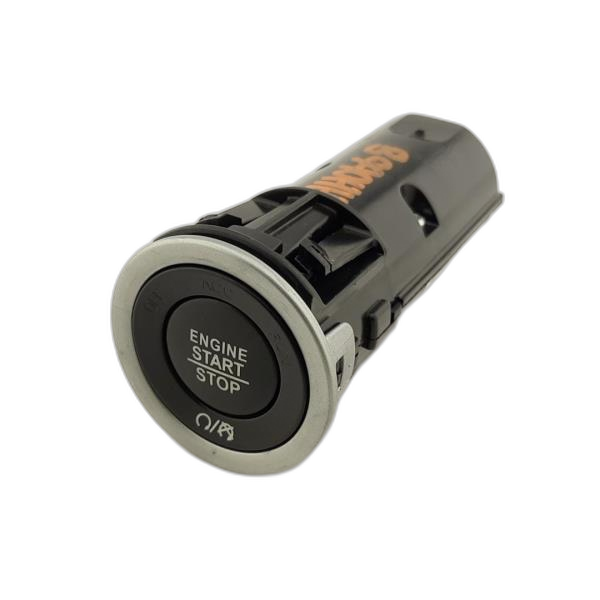
Fits Automatic Transmission models. Includes lock cylinder, steering lock housing, electrical switch, and two keys.
We Have This Part in Stock

The information in this article is provided for general reference and educational purposes only. Vehicle specifications, procedures, and part compatibility can vary by production date, trim level, and region. Always consult your vehicle's factory service manual and verify part numbers before purchasing or performing repairs. Safety-critical components such as airbags, seat belts, and braking systems should be installed by a qualified professional.
- Land Rover Discovery:
- 🎬 Helpful Videos
- 🛍️ Shop This Part
- Symptoms of a Failing Ignition Switch
- Known Issues, Recalls, and Technical Service Bulletins
- Programming, Anti-Theft, and the Immobilizer
- Buying a Used Ignition Switch: What to Look For
- Replacement Overview
- Cost of Replacement
- Frequently Asked Questions (FAQ)
- 🎟️ Get 5% Off